A Fresh Payment Experience to Power Through the Holiday Craze
The Heightened Stakes of Black Friday
Black Friday isn’t just about deep discounts in retail stores—it has transformed into a wider cultural phenomenon that impacts restaurants in a big way. When the doors swing open on the day after Thanksgiving, shoppers flood local eateries for quick meals, coffee breaks, or celebratory dinners. In recent years, the holiday season has become a decisive period for restaurants, with some owners reporting a 20–30% increase in daily foot traffic during that end-of-year push (source).
This means more customers, more tickets, and of course, more demand for quick, seamless payment experiences. The scramble is real: staff juggling new orders, lines forming at the register, and customers seeking instant gratification. And if your payment system is outdated, it’s going to buckle under pressure. Instead of a line that moves smoothly, you could end up with frustrated customers and servers struggling to reconcile glitchy card swipes.
Restaurants that ride this wave effectively can turn the holiday rush into a major revenue boost. Those who rely on older payment terminals, on the other hand, can face bottlenecks, technical hiccups, and missed opportunities for upselling. The days of wobbly machines that barely accept chip cards are fading fast, especially in a demanding peak season like Black Friday.
But before we dive into how a modern solution can save your day, let’s explore in detail why sticking with outdated devices can spell disaster during the most lucrative time of the year.
Old Payment Terminals: Why They Falter When It Counts
Most restaurant owners have seen it firsthand: the aging card reader that disconnects unexpectedly, the printer that only works if you place your finger on the cable a certain way, or the payment screen that takes ages to process a single transaction. These relics were once the gold standard—but now, they’re no match for the speed and convenience customers expect.
Here are a few common reasons why these older units struggle during high-volume periods like Black Friday:
- Slower Transaction Speeds: Older payment technology often runs on outdated software or outdated connectivity, slowing the buying process. When lines are long and tensions high, every second counts.
- Limited Payment Options: Mobile payments, QR code-based solutions, and contactless methods are commonplace today. An older terminal may not accept these new forms of payment, disappointing customers who want to “tap and go.”
- Frequent Freezing or Downtime: Outdated hardware is prone to overheating or freezing at the worst moments. A sudden reboot when you have five tables waiting to pay is the last thing you need.
- Compatibility Issues: Many older models lack the ability to update seamlessly, leading to potential compliance or card network acceptance challenges. The more time passes, the fewer software updates are offered for old hardware.
- Poor Security Standards: With cyber threats on the rise, security protocols evolve quickly. Older payment terminals often lack the latest encryption or compliance measures, putting you at higher risk for data breaches.
On a typical Monday afternoon, these flaws may be trivial annoyances. But when the holiday frenzy takes hold, these shortcomings become huge liabilities—costing you real money in lost sales and diminished customer loyalty.
The Serious Consequences of Sticking With Outdated Equipment
If you’re still on the fence about upgrading, consider what can happen if your restaurant clings to older devices too long, especially during the holiday rush:
- Longer Lines & Lost Customers: A slow or malfunctioning machine creates a bottleneck. Some customers may leave upon seeing the wait, resulting in direct revenue loss.
- Higher Stress for Your Staff: Your servers already juggle multiple tasks—don’t add wrestling with a finicky payment device on top of it. A meltdown at peak times can sour the restaurant’s atmosphere for everyone.
- Lower Tips: When customers face hassles at the end of their meal, it can adversely affect the tip amount. By the time they sign, they’ve already lost some of the goodwill they felt moments earlier.
- Compliance & Security Risks: PCI DSS (Payment Card Industry Data Security Standard) requirements are continually updated. An older terminal can fall behind, exposing your business to potential fines or a tarnished reputation.
- Narrow Profit Margins: The margin in the restaurant industry is notoriously tight. The last thing you need is any inefficiency cutting into your earnings, especially at a time of year that should be a boon.
In short, a subpar payment experience costs you more than just time—it cuts directly into sales and the customer relationship. Black Friday is too crucial a moment to risk everything on technology that belongs to another era.
Essential Features to Look for in Modern Payment Solutions
As a restaurant owner, you might be worried about the expense of a new solution. But let’s flip the narrative: think about the potential revenue and customer satisfaction you could gain by investing in a modern system. Many of the new devices and platforms come with features that fundamentally transform the payment process—for both you and your guests.
Here’s what to look for when modernizing:
- Speed & Reliability: You want a system that can complete transactions within seconds and rarely goes offline. Nothing kills the mood faster than a spinning wheel or “Cannot Connect” message.
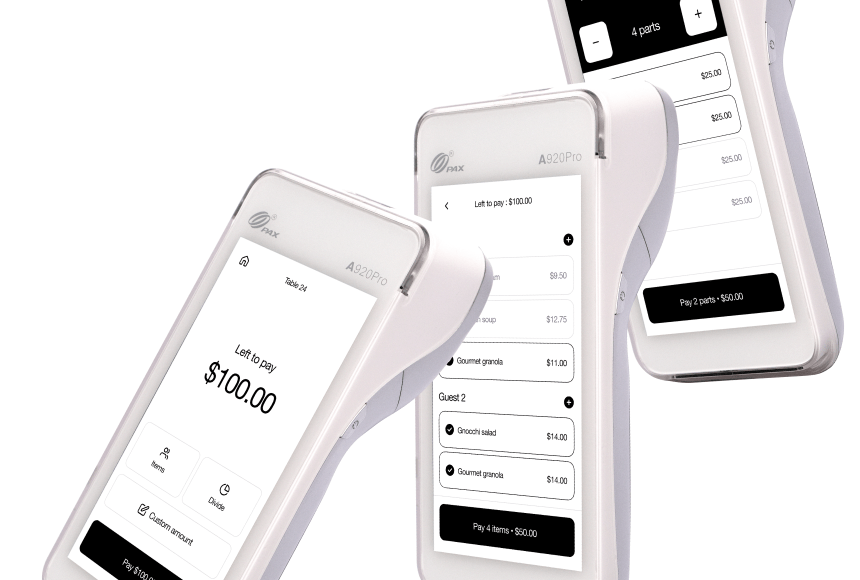
- Wide Range of Payment Methods: EMV chip, contactless (NFC), mobile wallets (Apple Pay, Google Pay), and QR code payments. Flexibility keeps your customers happy and your lines moving.
- Tipping Integration: A user-friendly screen prompting decent tips can significantly boost your team’s earnings. Make sure the new setup encourages but doesn’t pressure customers.
- Security & Compliance: End-to-end encryption, tokenization, and up-to-date PCI DSS compliance are must-haves. The peace of mind is well worth the investment.
- Reporting & Analytics: Real-time data is gold. Tracking sales patterns, peak hours, and average transaction amounts empowers you to fine-tune operations.
- Easy Updates: Look for a system that automatically updates software and security patches. You shouldn’t have to worry about manual interventions or forced hardware replacements every year.
- Integration With Other Tools: It’s 2023—your payment device should talk to your inventory management or reservation platforms. This integration ensures seamless data-sharing across your business ecosystem.
A new system that checks these boxes isn’t just about processing cards—it’s about elevating the entire dining experience. When the holiday crush hits, you’ll be able to handle it confidently, with minimal downtime or confusion.
A Holiday Case Study: The Turbulent Day at “The Basil Leaf”
Let’s momentarily imagine a fictional restaurant, “The Basil Leaf,” which prides itself on homemade pasta and a cozy atmosphere. The owner, Camille, knew the Black Friday weekend would be hectic—she’d even stocked up on extra sauce and prepped her staff for the influx. Yet there was one blind spot: the old payment system she’d been using for years was unpredictable.
When Black Friday actually arrived, “The Basil Leaf” was packed. Everything was going fine—until the lunch rush hit its peak. Camille’s old terminal froze. Guests who wanted to pay quickly started queueing, while servers fumbled to reboot the device. Over the next hour:
- Two tables walked out to avoid the “technical meltdown.”
- Multiple patrons left without leaving a tip, feeling frustrated and inconvenienced.
- The system backlog caused confusion about which bills were settled, forcing Camille to manually re-check tickets and leading to a mischarge for one group of diners.
- Servers became even more stressed, focusing on apologizing instead of upselling desserts or coffee.
The day ended in anxious exhaustion, with half the staff feeling deflated by the experience. Despite enjoying a busier day than usual, “The Basil Leaf” lost potential revenue from no-shows, missed upcharges, and a dent in its local reputation. The incident even triggered negative remarks on social media: “Great food, but be ready for a 20-minute wait just to pay.”
Nobody wants to see that, especially not on Black Friday, widely viewed as a golden opportunity to secure repeat customers heading into the holiday season.
Practical Steps to Upgrade Before the Rush
If you’re feeling the pressure to modernize, you’re not alone. Here’s a step-by-step approach to help guide you along:
- Audit Your Current SystemTake stock of how often glitches occur, what payment methods you can handle, and how quickly transactions are processed. Identify pain points like slow card readings or a lack of contactless payment.
- Define Your Core NeedsMaybe you’re especially keen on a QR code payment option so guests can pay at the table. Perhaps tipping prompts and customized receipts are deal-breakers. Clarify these must-haves before you start shopping for solutions.
- Explore Modern SolutionsSeek out reputable providers that emphasize security, speed, and scalability. Look for peer reviews from other restaurant owners on forums or in industry groups. A strong user base and proven track record typically indicate reliability.
- Check Integration CapabilitiesMake sure your new solution plugs into your current setup—like your POS software, reservation system, or loyalty platform—without major headaches. This will save you enormous time in the future.
- Calculate the Return on InvestmentCompare the costs of a new payment device and software subscription to the potential increase in revenue, especially during high-volume days. Don’t overlook the intangible value of improved guest satisfaction and fewer headaches for staff.
- Run a TestIf possible, do a soft rollout during a less busy timeframe to see how your new equipment performs. Train staff on all the new features so they’re prepared when the real rush hits.
With a roadmap like this, you can confidently shift from outdated technology to a new, forward-looking platform. The transition might feel daunting at first, but once you witness the quicker checkout and happier guests, you’ll be thanking yourself when Black Friday madness kicks into gear.
Old Terminal vs. Modern Payment Solutions: A Quick Comparison
| Factor |
Old Terminal |
Modern Payment Solution |
| Transaction Speed |
Slower, frequent freezes |
Quick processing, minimal downtime |
| Payment Options |
Primarily cards with magnetic & chip |
EMV chip, contactless, mobile wallets, QR codes |
| Security |
Limited, rarely updated |
Advanced encryption, regular security patches |
| Tipping Experience |
Manual entry, no on-screen prompts |
Integrated tip prompts that boost server earnings |
| Analytics & Integrations |
Little to none |
Real-time reporting, data sync with POS and more |
Enhancing the Guest Experience with Seamless Payment
A quick, modern, and consistent payment experience doesn’t just help your bottom line—it can also elevate your restaurant’s reputation. Think about your own experience as a diner. The best meals leave you feeling relaxed, taken care of, and maybe even a bit special. A big part of that is the end-of-meal ritual. If that final step is clunky, your guests leave on a sour note.
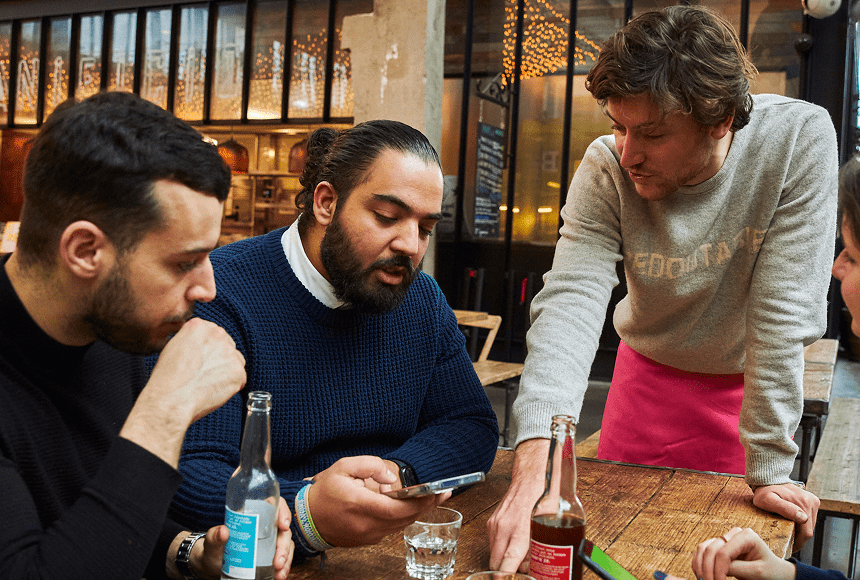
On a day like Black Friday—when customers are frequently on a timetable, maybe rushing to the next sale or trying to get home to put up holiday decorations—a streamlined payment process can be a significant differentiator. Even subtle touches, like letting guests quickly split the bill, can go a long way toward cementing your place as their go-to dining spot.
And these days, many modern systems allow you to go beyond the simple “Insert your card” scenario. You can integrate:
- Digital Receipts so your customers can keep track of expenses without worrying about paper copies.
- QR-Code Surveys and Review Prompts so you receive instant feedback, and guests can quickly leave a positive rating on Google or Yelp if they’re satisfied.
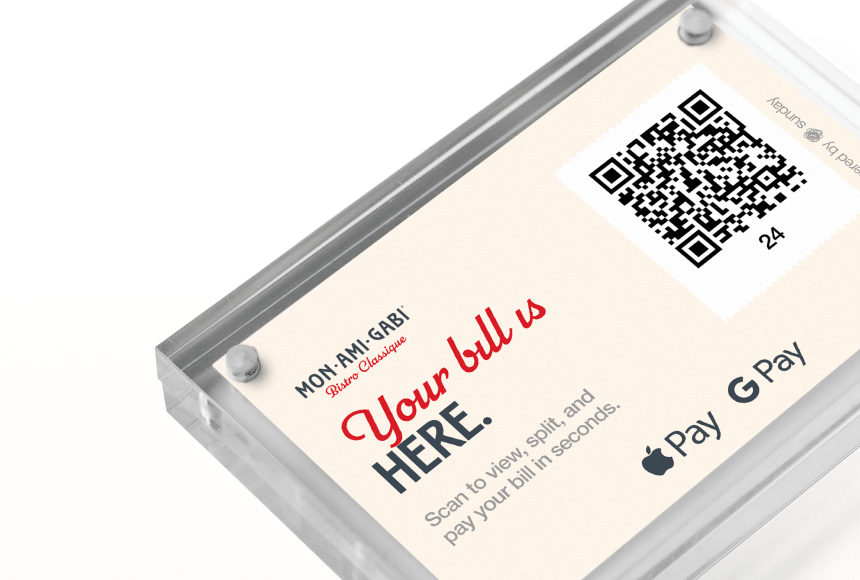
- Optional Table-Service Payment that uses a simple scan to settle the bill, letting your guests skip waiting in line at the register.
- Loyalty Point Integration that can help turn one-time visits into regular check-ins, substantially increasing your long-term revenue.
Even though it sounds high-tech, these features are rapidly becoming the standard. As more restaurants embrace cutting-edge payment solutions, customers increasingly expect them everywhere they dine.
Where sunday Fits in the Restaurant Ecosystem
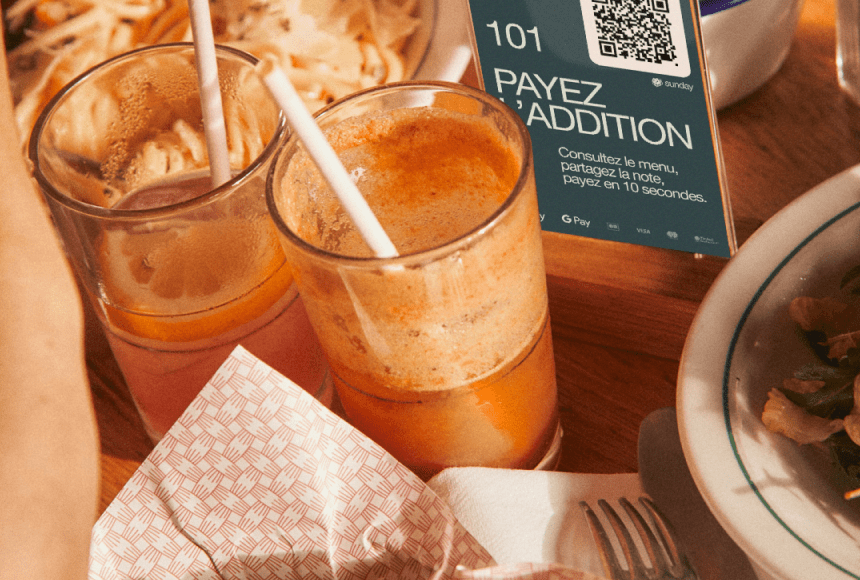
You might have heard about the growing trend of QR code payments. With a platform like sunday, diners can scan a code, pay instantly, and even add tips or leave a quick review. This not only speeds up transactions but also aligns with the modern digital-first approach many diners appreciate.
While your old payment terminal might handle a basic swipe or chip, solutions like sunday go the extra mile: from integrated tipping to streamlined checkouts that free up your servers to do what they do best—deliver exceptional hospitality.
Black Friday is a proving ground for all your restaurant’s systems. Having a smooth, efficient payment process can be the deciding factor between customers raving about your quick service or tweeting about how they waited an eternity just to pay the bill.
Ready to Embrace Secure, Efficient Payments?
Upgrading your payment terminals isn’t just a logistical move—it’s a strategic decision that can transform your restaurant’s holiday performance. The rush of Black Friday is an unavoidable reality, so why not prepare to meet it head-on with technology designed for speed, security, and convenience?
By taking the time to replace those outdated devices, you’re investing in:
- A smoother workflow for your team
- Shorter lines and happier customers
- Improved tipping opportunities
- Valuable data-driven insights
Those might seem like simple perks, but put together, they create a sustainable competitive edge. If you’re already feeling the pressure of the holiday season, don’t wait until your old terminals break down. Review your current setup, explore new solutions, and position your restaurant to thrive—not just survive—when the holiday rush arrives.
FAQ
How do I know if my current terminal is too old to handle high-volume days?
If your terminal experiences recurring freezes, takes more than a few seconds to process payments, or can’t accept contactless cards or digital wallets, it’s a sign that your hardware is likely not up to modern standards. This is especially critical to watch out for when volume surges during Black Friday or other major holiday events.
Is upgrading going to be too expensive for a small, family-owned restaurant?
Costs can vary, but the key is to focus on the return on investment. Faster transactions, fewer payment errors, and a more pleasant guest experience all contribute to better revenue, especially when you’re handling a spike in volume. Many solutions offer reasonable monthly plans or flexible pricing that can suit smaller operations.
What about security? Aren’t old terminals still compliant with credit card safety requirements?
While an older terminal might have been compliant at one point, security standards are constantly evolving. Frequent software updates, better encryption technology, and advanced compliance measures help protect you from data breaches. If you’re tools aren’t regularly updated, you could face vulnerabilities that put your business and your customers at risk.
Can a modern payment solution really boost staff tips?
Absolutely. Many modern setups include seamless tipping prompts, as well as a fast checkout process that keeps positive momentum going through the end of the meal. By offering convenient ways to tip—whether on-screen or via self-pay solutions—guests are more likely to leave a tip that reflects their overall dining experience.
How does QR code payment help during the Black Friday rush?
QR-based payments speed things up by letting guests settle the bill directly from their phones without waiting for a server or standing in line at the till. This reduces congestion and helps you seat new customers faster. Additionally, some platforms integrate options for leaving a review or tip, making it a well-rounded, modern solution.


 1min
1min
 1min
1min