A Fresh Approach to January: Upgrading Your Restaurant’s Operations
January often brings fewer customers to restaurants, but it also offers a valuable chance to step back and streamline core processes. Rather than making quick cuts, it’s smarter to invest in employee training, review your menu, and look at the ways technology can optimize your everyday tasks. January is ideal for improving inventory organization, financial planning, and customer satisfaction strategies. Smart updates—like a better payment setup or clearer staff roles—can make work smoother for everyone. This period is not about short-term frugality; it’s about making practical, lasting improvements. Adopting the right mindset now sets up a more profitable, efficient future for your restaurant.
Why January Is Primed for Operational Improvements
The term “slow season” might sound alarming at first, yet it comes with its own silver lining: time. With fewer customers walking through the door, you can rearrange and refine your operations without interrupting a busy rush.
In fact, a period of lower traffic gives you the space to:
- Reassess Menu Offerings: Explore which dishes really shine and which ones might need a refresh.
- Train Staff More Thoroughly: Make sure every server, line cook, and manager is aligned on procedures and can handle new tools.
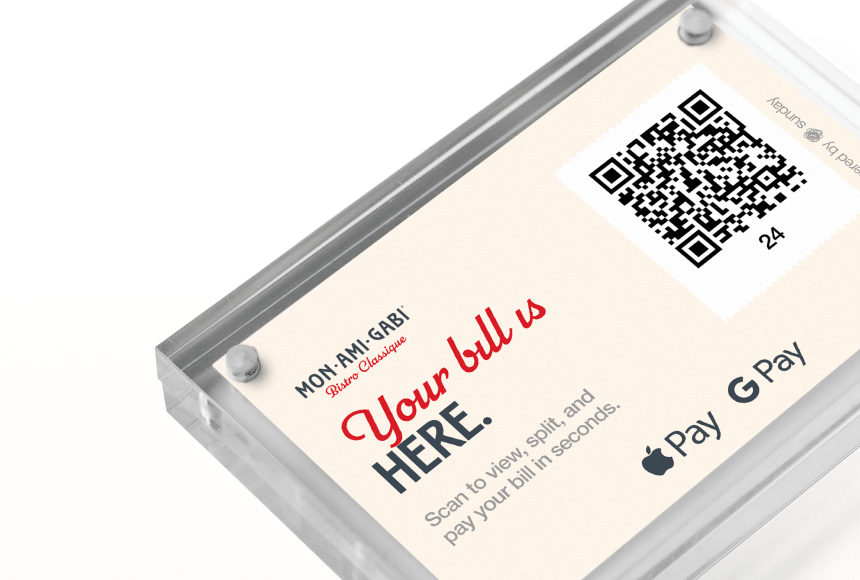
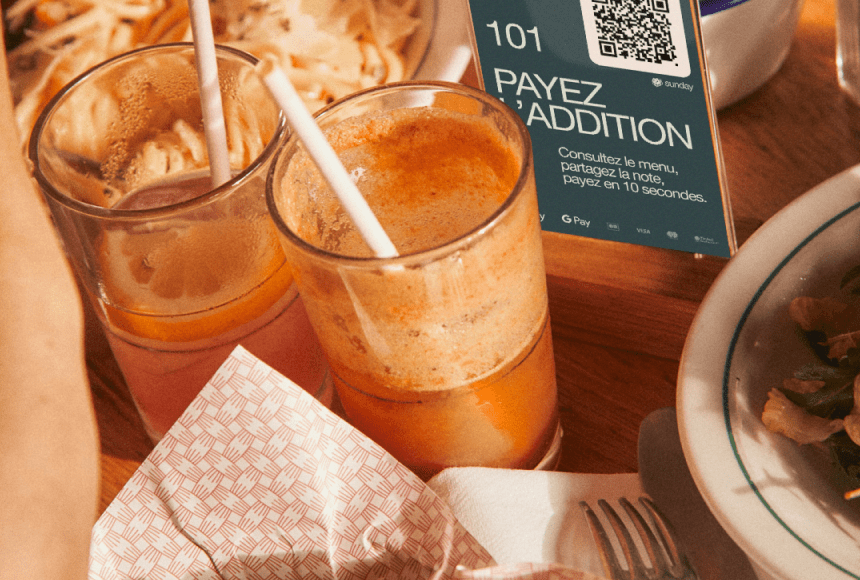
- Update Payment Solutions: Optimize point-of-sale (POS) steps, adopt a seamless QR code payment service like sunday, or fix bottlenecks at checkout.
- Review Financial Strategies: Examine cost structures, renegotiate supplier contracts, and set realistic profit targets.
The results? Greater operational efficiency, energized employees, and happier guests.
According to OpenTable, early-year data often indicates a dip in reservations once people finish the holiday season. Instead of panicking about a quieter dining room, take advantage of these calmer shifts to invest in behind-the-scenes improvements.
Step One: Build a Better Team Dynamic
When the door chimes less frequently, your staff has more time to communicate and learn. This is your opportunity to transform your people into a well-oiled unit, starting with small but impactful strategies.
1) Refine Onboarding and Training
How often do you revisit training manuals, house policies, or menu guidelines? By January, the usual holiday chaos has subsided, and you can devote quality attention to refining each staff member’s understanding of your restaurant’s standards. This might involve:
- Conducting mini workshops on effective upselling.
- Hosting menu tastings so every server knows every dish well.
- Reviewing brand values and service expectations, ensuring everyone shares the same priorities.
Giving employees these growth opportunities during a quieter month makes them feel valued and keeps them sharp for the upcoming seasons.
2) Foster an Open Feedback Culture
If you want to strengthen your operational processes, tap in to your team’s insights—they’re the ones who see the daily challenges and quick fixes that you might overlook.
Encourage staff to raise concerns or propose improvements. Maybe your bartenders face a bottleneck with a specific cocktail prep. Maybe your dishwashers are struggling with outdated equipment. Let them tell you, and then work out mutual solutions. When you build trust through genuine listening, you gain valuable ideas and a happier team.
3) Prevent Burnout
Try to remember: staff who are physically and mentally overworked can’t offer excellent service. Provide them with balanced schedules, set realistic expectations, and keep back-of-the-house tasks organized. A better process for internal communication—such as a quick daily meeting or shared online calendar—goes a long way to reduce confusion and lighten the mood.
A Chance to Streamline Menu Strategy
From the vantage point of early January, some owners use the quiet time to aggressively cut costs and reduce menu variety. However, drastically trimming offerings can backfire if your regulars suddenly can’t find their favorite items, or if your overall concept loses appeal.
Instead, a more strategic approach is:
- Highlight Your Strengths: Identify which dishes resonate best with your patrons. These are the ones you keep, promote, and refine.
- Rotate Seasonal Specials: Retain variety, but rotate recipes that match the colder months—think comfort foods, hearty soups, or indulgent warm desserts.
- Test Smart Innovations: If you’re thinking about adding a plant-based burger or a keto-friendly bowl, January is a great time to try. You can gather feedback from your loyal clientele without overwhelming your kitchen staff amid peak traffic.
This measured approach preserves your brand identity and keeps guests curious, all while controlling food costs.
Financial Assessments: More Than Just Budget Cuts
With money a bit tighter, it’s natural to look for ways to reduce overhead. But slicing expenses across the board might cut into essentials that sustain your guest experience. It’s often better to manage your finances with precision, focusing on areas that deliver a genuine ROI.
The Power of Good Data
A solid financial strategy starts with reliable data. If you haven’t inspected the numbers in detail since last year, now’s the time.
Review:
- Inventory Turnover: Which items pile up? What’s your frequency for reordering, and can you optimize it?
- Labor Costs: Identify busy and slow hours. Is your staff schedule aligned with actual demand?
- POS Reports: Efficiency, speed, and accuracy in transactions can save you money in the long run.
These insights help you pinpoint exactly where to focus your budget. Use them to refine purchasing habits and labor scheduling. In addition, consider factoring in new technology that can save you monthly overhead. For instance, a more streamlined payment flow might make your service so smooth that you no longer need extra staff on certain shifts.
According to the National Restaurant Association, many financial pitfalls in the restaurant industry stem from poor cost tracking and inaccurate forecasting. A slower season is an ideal time to review your records with fresh eyes.
Leverage Technology Wisely
Modern restaurant tech goes beyond a standard POS terminal. From QR-based payment tools like sunday that accelerate table turnover to digital inventory management platforms that help you know exactly when to restock, technology can be your best friend in January—even if you’ve been skeptical about adopting it.
Here’s how to integrate solutions thoughtfully:
1) Payment Process Upgrades
If you’re using older payment solutions—and let’s face it, many restaurants do—upgrading can address multiple slowdowns at once. For instance, implementing QR code payments at each table can eliminate that all-too-familiar wait when guests are ready to pay and can’t find their server. With a simple scan, they pay, tip, and even leave a review, all from their phone.
Faster payments not only improve customer satisfaction but also free your staff to focus on meaningful interactions, not routine tasks. By the time you hit busier seasons, you’ll realize you’re seated, served, and paid in a fraction of the time it used to take.
2) Automatic Stock Level Management
Several cloud-based apps allow you to track every purchase and usage pattern in real time. Pair them with integrated ordering systems, and you reduce the chance of running out of key ingredients—or stocking up on items that end up wasted.
The best part is that January gives you the bandwidth to train your kitchen staff and management team on the new system, ensuring you’re set before the next peak cycle hits.
3) Online Orders and Delivery
If you haven’t fully embraced takeout or delivery, you might be missing out on an additional revenue channel. The new year is a time when diners crave convenience—especially if the weather is harsh. Offering direct online ordering from your website (rather than solely through third-party apps) may help you keep more of your profits in-house and strengthen your brand. Just be sure you have a streamlined process for packaging and handing off orders.
Rethinking Your Guest Experience
January is the perfect month to elevate the guest journey, from the way they first hear about your restaurant to how they feel as they walk out with a satisfied smile. Why wait until things are frenetic in April or May?
Consider these angles to give your guest experience a gentle overhaul:
- Entrance and Ambiance: Is your signage clear and inviting? Are guests greeted right away, or do they feel awkward looking for a host?
- Menu Story: Does your menu explain each dish in a tempting, easy-to-read format? Is the presentation consistent with your restaurant’s theme?
- Staff Approach: Are your servers offering personalized suggestions? Do they feel comfortable discussing daily specials?
- Seamless Payment: Does the checkout process flow well, or do you often see customers waiting for the bill? Tools like a QR-based pay-at-table option can help ensure a quick, convenient exit, so your guest’s last impression is as pleasant as the first sip of water they received.
The essence here is to spot friction points and fix them promptly. Even a small detail—like adding coat hooks by the entrance—can make a difference in how guests perceive their overall visit.
An Illustrative Case: Bistro La Vista
Let’s take an imaginary example, Bistro La Vista, a neighborhood restaurant known for its homemade pasta and local craft beer selection. After a hectic holiday season, they see a 25% drop in reservations come January. The owner, Chloe, is faced with crossroads: slash labor costs and rely on minimal staff or invest in a thorough operational revamp?
Here’s what she chooses to do:
- Staff Development Days: Chloe organizes short training segments over one week, focusing on upselling, conflict resolution, and a deep-dive tasting of the new winter menu items.
- Menu Tweaks: Instead of removing half of the pasta varieties, she highlights a new gluten-free pasta option, plus a popular mushroom cream specialty to match the season.
- Payment Refresh: She welcomes a QR code solution at every table, ensuring that groups can split their checks and pay quickly. Now her servers can spend more time discussing the dessert list, rather than running back and forth with printed bills.
- Cost Analysis: Working with her chef, Chloe refines portion sizes for each dish to reduce waste. She also renegotiates a bulk deal on wine from local vineyards, setting up lower wholesale costs.
By paying attention now, Chloe avoids staff burnout and keeps them motivated—while also delighting her loyal guests who appreciate the new offerings. Even though the first quarter remains on the quieter side, the streamlined workflow and improved menu pave the way for healthier profits throughout the rest of the year.
A Healthy Mindset for the Long Term
What ties these approaches together is a philosophy: see January not as a hurdle, but as your laboratory for long-term success. In other words, focus on building and refining, rather than hurrying to slash costs. That means:
- Investing in Staff: They’re the lifeblood of your business, so keep them trained, engaged, and well-informed.
- Optimizing Operations: Every small fix, from updating the workflow to overhauling how you accept payments, can pay off in spades once spring’s foot traffic picks up.
- Financial Focus: Use data to direct your spending. Resist big cuts that compromise your quality or brand integrity.
- Continuous Improvement: The best restaurants constantly adapt. Gather customer feedback, stay open to staff suggestions, and keep updating your approach as you go.
Subtle Tech Upgrades That Pay Off
Adopting new technology sounds expensive, but the right moves can balance out quickly and even reduce costs in other areas. For example, automated tip distribution, integrated scheduling, or quick payment solutions can remove administrative burdens and improve staff morale. The best time to implement them is when day-to-day operations aren’t at full throttle—like January.
Often, these modern solutions are as simple as a monthly subscription or a straightforward one-time setup. And think about the benefits: accurate tip splitting eliminates internal conflicts, while a digital reservation tool sends your staff timely reminders about daily bookings. By laying this foundation now, you’ll be more than ready to fill every table when the weather warms up.
Marketing Mini-Boost During the Slow Season
While you’re at it, consider spicing up your marketing. Even though January may not see big crowds, that doesn’t mean you have to vanish from people’s radar.
- Menu Previews: Tease your seasonal specials on social media, building anticipation among your followers.
- Behind-the-Scenes Glimpses: Show staff training sessions or a snippet of your chef perfecting a new recipe. That authenticity helps your restaurant stand out.
- Customer Feedback Request: If you’re rolling out a new dish, invite customers to share their honest feedback online. Offer them a small incentive, like a free appetizer on their next visit.
- Email Outreach: Don’t forget your mailing list. A quick note wishing “Happy New Year” and introducing your new winter items can be enough to spark a visit.
Remember: the people who dine in January or order takeout now are more likely to become repeat customers if you treat them like loyal insiders.
Inventory Control: A System That Works Year-Round
No matter the time of year, running out of a popular dish or watching fresh produce spoil can rapidly eat into your net margins. This is why a strong inventory system is critical. January is an excellent moment to integrate or refine your approach.
Consider adopting a digital inventory platform that matches your restaurant’s size and needs. Automated reordering triggers, bar code scanning, or direct updates from your POS system can make a huge difference in accuracy. With fewer tables to serve, you can set aside a few hours each week to tweak the system until it operates seamlessly. Then, once business ramps up, you’ll have the satisfaction of seeing items restocked just in time—without guesswork.
Employee Retention as a Pillar of Stability
Losing a valuable server or chef can be expensive, both in recruitment and training costs. A major perk of focusing on process improvements in January is the opportunity to check in with your team on a deeper level. Do they feel supported? Do they see a path for growth in your establishment?
Don’t underestimate the impact of intangible benefits such as genuine career development, flexible scheduling, or a transparent tip and pay structure. By reinforcing these areas, even when foot traffic is lower, you build loyalty. Employees who feel looked after are more likely to stick around—and that continuity is crucial to delivering consistent quality. The stability also means you don’t lose precious knowledge about recipes, regular customers, or operational quirks.
The Often-Ignored Detail: Customer Follow-Up
Even if you’re not at full capacity, staying engaged with the customers you do serve will pay off immensely. This may involve:
- Personalized Emails: Send a friendly thank-you note to each guest who dines in or places a large order. Ask them to come back soon and let them know about upcoming specials.
- Polite Review Requests: Once someone pays, a seamless platform can easily prompt them to leave feedback on Google, giving your restaurant a stronger online presence.
- Loyalty Programs: If someone visits multiple times, reward them with a discount or a free treat. This fosters a sense of belonging—people prefer places where they feel recognized.
It’s not about spamming or bombarding customers; it’s about thoughtful follow-ups that highlight your appreciation and encourage them to think of you when their next craving strikes.
Embrace January’s Opportunities
When all is said and done, your mindset during January shapes the course of your restaurant for the rest of the year. Don’t see the slower pace as a sign of failure. Instead, see it as a gift of time and clarity—two resources often in short supply.
Remember, you’re gearing up for future successes by:
- Fine-tuning staffing and service procedures.
- Curating a menu that’s both appealing and cost-effective.
- Investing in technology that streamlines transactions.
- Revamping your inventory protocols and financial strategies.
Bullish cost-cutting might free up a few dollars now, but a robust operational foundation will help you realize stronger revenues when the rush arrives. The real motive here is sustainability—doing more with the resources you have, while making the restaurant experience delightful for everyone who steps through your doors. So, gather your team around, warm up some hearty soup, and use the quiet of January to lay down the building blocks of a smoother, more profitable operation.
FAQ: Common January Challenges and Answers
Below are some frequently asked questions to guide you through January’s operational challenges.
Q: Why is January typically quieter for restaurants?
A: The holiday surge usually winds down, and many people try to cut spending or adopt new eating habits. This naturally leads to fewer diners in January.
Q: How can I keep my staff motivated when business is slow?
A: Use the extra time for training, skill development, and open discussions. Recognize their contributions, share your vision for the coming months, and let them feel involved in improvements.
Q: Should I reduce menu items to cut costs in January?
A: Trimming loudly might disappoint regulars if you remove fan favorites. Instead, carefully assess which dishes perform well and refine your menu strategically. This keeps it fresh without sacrificing your brand identity.
Q: Where does technology fit into January improvements?
A: January is ideal for testing and training on new systems—like QR code payments, inventory management, or streamlined online ordering—because staff can learn them while they have more availability.
Q: What’s the best way to control inventory during a slower period?
A: Update your inventory tracking system, analyze usage data closely, and avoid overstocking. Work with suppliers on flexible ordering schedules so you can accommodate fluctuating demand.
Use January to enhance the nuts and bolts of your restaurant’s operations, and you’ll see the results echo through all the busier months to come.


 1min
1min
 1min
1min