A Closer Look at the 20% Tipping Benchmark in Modern Restaurants
Understanding the Evolution of Tipping in the United States
Few topics spark as much debate among restaurant owners as tipping. It’s central to your bottom line, vitally important to your employees, and often a point of confusion for guests. Over the years, the percentage considered a “standard tip” has risen from around 15% to what is now commonly accepted as 20%. This jump can be attributed to evolving dining etiquette, the growing emphasis on the guest experience, and the recognition that tips are a significant portion of servers’ earnings.
But how did we arrive at this new benchmark? Historically, tipping in the United States grew in popularity after the Civil War, influenced partly by European traditions. Over time, it became imbued in US dining culture as a way to reward good service and help hospitality workers supplement their wages. By the 1980s and 1990s, leaving 15% was standard in many parts of the country. However, in the last decade, 20% has become more and more prevalent. Factors like social norms, higher living costs, and the move toward a more guest-centric restaurant experience have all contributed.
According to the National Restaurant Association, the drive for elevated guest service has partly encouraged diners to leave stronger tips as a sign of appreciation. Meanwhile, restaurant owners have embraced better technology to clarify the tipping process and reduce the friction at checkout. As cost-of-living expenses have risen, guests are increasingly aware that service employees depend substantially on gratuities.
Why 20% Has Become the New Norm
This tipping evolution has not happened overnight. Several key elements have pushed 20% into the spotlight:
- Increased consumer awareness: Many guests recognize that servers rely on tips to secure a livable wage. By raising the baseline to 20%, they’re acknowledging the dedication and effort of front-of-house teams.
- Public discussions and advocacy: Advocates for fair wages in the hospitality industry often emphasize tipping as a direct way to support servers. As these conversations gain visibility, 20% or more is suggested to meet modern standards of fair compensation.
- Rising wages and inflation: The cost of living in many regions has surged, so paying a little more in tips appears reasonable to many guests who understand the realities of today’s economy.
- Online culture and reviews: High review scores on Google or social platforms can hinge on the quality of service. Customers who value stellar service know that a generous tip can show their appreciation—and they may be more likely to leave that glowing five-star review if they feel the staff is happy and well-supported.
Embracing 20% as the new standard can also set a consistent expectation for your staff, who benefit from dependable gratuities, and for your patrons, who can feel confident about the socially accepted practice.
The Guest Education Challenge
Despite this shift, you may still encounter guests who are unaware that 20% has become a common baseline, or they might feel uncertain about the correct amount to tip. Some diners are accustomed to older figures like 15% or even 10%. Others come from international backgrounds where tipping customs differ drastically. As a restaurant owner, educating guests—tactfully—is part of the puzzle in ensuring a fair, satisfying experience for everyone.
Providing clarity is key. Diners often report confusion about which percentage to tip for various levels of service, so highlighting the 20% figure can streamline the process. At the same time, it’s crucial to maintain a gracious tone, ensuring your patrons feel informed rather than pushed. This is where digital payment solutions, with clear prompts, can speak volumes.
How Digital Prompts Influence Guest Behavior
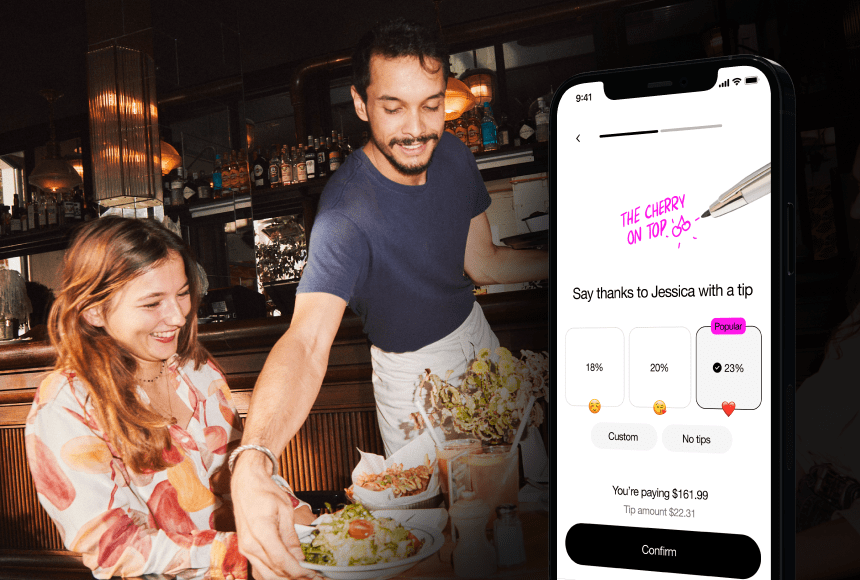
In the current era, most people have grown accustomed to digital cues shaping their purchasing decisions. From subtle notifications on mobile apps to quick taps at a tablet station, digital prompts play a huge role in guiding behaviors. In restaurants, these prompts appear most prominently on a point-of-sale screen, when a guest scans a QR code to pay, or on a tablet that suggests specific tip amounts.
Why are digitally suggested tips so impactful? Visual cues are the secret ingredient:
- Pre-set options: When choices (15%, 20%, 25%, or custom) appear on a screen, many guests go with one of the recommended options, rather than opting out or tipping less.
- Immediate social proof: Digital prompts reassure guests that other patrons are likely tipping at the same rates. Seeing 20% on the screen makes it feel standard and fair.
- Reducing awkwardness: Servers no longer have to verbally suggest a tip range. The digital interface does it, which often feels more comfortable for both parties.
- Streamlined payment: Speedy, user-friendly checkout flows encourage diners to complete the payment process without skipping the tip entirely.
In short, digital suggestions serve as gentle nudges. And while some critics worry this can lead to “tip creep,” many operators argue it simply encourages fairer compensation in line with shifting norms.
Case Study: The Amber Grove’s Journey to 20%
Imagine you run a cozy bistro called The Amber Grove. Before introducing digital tipping prompts, servers at The Amber Grove frequently complained that many guests tipped 15% or less. Others forgot to tip altogether if they weren’t used to local practices. The restaurant tried adding a note on the menu about suggested gratuities, but it didn’t make a big impact.
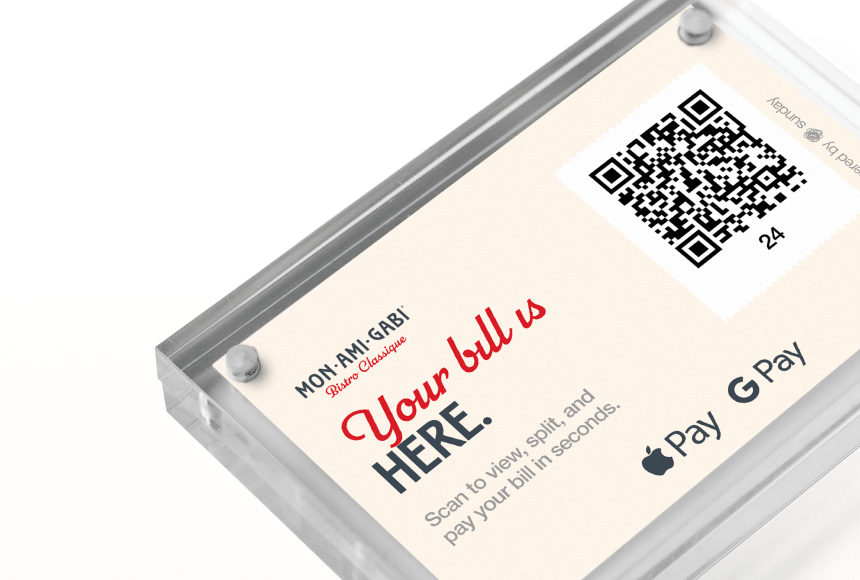
Then, The Amber Grove switched to a solution that allowed diners to scan a QR code on the table to view their bill and pay. After looking at the tab, guests were directed to one screen that listed a few tipping options: 15%, 18%, 20%, 25%, or custom. Below each button was a short line of text explaining that tipping is a meaningful way to recognize quality service.
The result? Within two months, the average tip bumped from 17% to 20.5%. Moreover, servers reported a more consistent distribution of tips across all shifts, noting that fewer diners forgot or overlooked the tipping step. The psychological effect of a clear prompt, plus the convenience of not having to calculate a custom tip, played a pivotal role.
Practical Tips for Introducing Digital Tipping Prompts
If you’re intrigued by the idea of using digital prompts to guide your guests toward a 20% norm, here are a few practical suggestions:
- Keep the interface uncluttered: Provide three or four standard tip options (like 15%, 20%, 25%, and a custom entry). Don’t overwhelm users with too many decimals or complicated language.
- Offer context: A short line or two clarifying that 20% is the US standard can help people new to the practice. For example, “Your tip helps ensure our team can continue providing top-notch service.”
- Ensure transparency: Guarantee guests see exactly what they’re paying. Any taxes, fees, or surcharges need to be visible before the guest finalizes their tip selection.
- Respect personal choice: While you can guide, it’s important never to corner guests into tipping more than they intend. A “custom tip” button ensures diners with budget constraints—or those who want to leave an extra-generous amount—have that flexibility.
Empowering Servers Through Higher and More Consistent Tips
From a restaurant owner’s standpoint, it’s not only about raising the tipping average to 20%. It’s equally about fostering a work environment where your staff feels valued. Digital tipping prompts promote consistency: your servers can trust that when the prompt suggests 20%, that’s likely the tip they’ll receive.
A more predictable gratuity structure also boosts morale and helps with team retention. Instead of experiencing wild fluctuations in income from shift to shift, servers know they can rely on a baseline. And in an industry where turnover can be high, that stability is priceless.
A side benefit is that servers who feel fairly compensated are more motivated to invest in delivering a memorable guest experience. They’re more inclined to suggest dishes with enthusiasm, pay attention to the finer details of service, and step in if a diner needs something extra.
The Role of Payment Technology in Guest Satisfaction
When it comes to educating guests on tipping, the underlying payment system is just as critical as the prompt itself. Today’s digitally-savvy customers expect quick, secure, and user-friendly solutions. Whether you’re using a credit card terminal or a QR code payment platform, a smooth interface will guide guests more confidently toward that 20% figure.
In addition, advanced digital payment solutions allow you to:
- Customize tip suggestions: Easily modify the recommended percentage or include personal notes like “Thank you for supporting our team!”
- Gather feedback in real time: After the tip is finalized, the platform can invite guests to leave a review or share feedback on specific aspects of their experience. This can help you identify operational quirks or outstanding staff.
- Integrate loyalty programs: If you have a rewards system, linking it to the digital prompt can encourage repeat visits, as guests are reminded of benefits they accrue each time they dine with you.
- Provide clear receipts: People can opt to receive their receipts via text or email, so they don’t have to fumble around with paper copies.
By leveraging payment technology that seamlessly nudges customers toward a fair tip, you ensure they feel good about the transaction—and you maintain a professional, cutting-edge image for your business.
Overcoming Hesitations and Concerns
Naturally, some restaurateurs worry about the effect of digital prompts on guest perceptions. Will people feel pressured? Could it cause pushback? These concerns are valid but can be mitigated with thoughtful design and transparent communication:
- Offer opt-out paths: Always include a “No Tip” or “Custom” button so guests never feel trapped. This sense of control actually reduces tension around tipping.
- Educate your staff: Train servers, hosts, and bartenders to answer questions about how gratuities are distributed. Guests appreciate a straightforward explanation if they ask where their tip money goes.
- Keep it friendly: A warm, genuine approach—both in person and on-screen— motivates diners to see the tip request as a natural extension of hospitality, not a forced sales tactic.
These steps ensure that digital prompts come off as helping hands rather than heavy-handed tools.
When Technology Meets Tradition
Despite the wave of digital transformation sweeping the restaurant industry, the essence of hospitality remains distinctly human. People dine out to experience good food, personal connection, and an ambiance that makes them forget about daily stresses for a while. Technology, in this scenario, should enhance—not overshadow—that experience.
The best digital tipping solutions operate quietly, ready to serve both your guests and your team. They reflect an understanding of restaurant traditions—like tipping—while modernizing how those traditions are carried forward. 20% hasn’t lost its personal touch just because a screen suggests it. Instead, it ensures that more diners adopt the habit with less confusion, more consistency, and reduced friction.
Small Touches that Make a Big Difference
In an industry defined by details, it’s the small gestures that guests notice. Encouraging fair tips is partially about communication, but it can also be about embracing the entire dining journey, from reservation to dessert. Consider integrating the following ideas:
- Pre-arrival communication: If you send reservation reminders, you could briefly mention your preferred form of payment or how your payment workflow operates, setting the tone before guests even arrive.
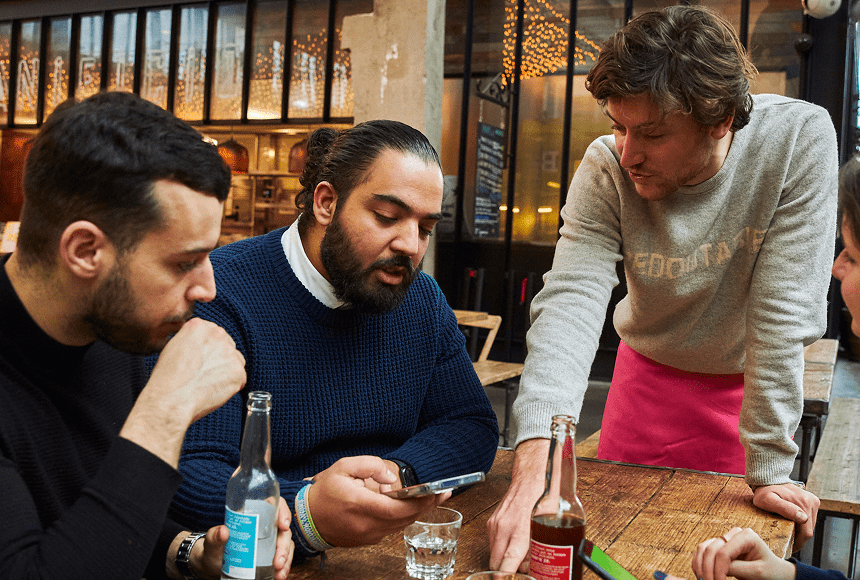
- Server notes: Servers can subtly draw attention to your payment method at the end of the meal: “Whenever you’re ready, you can scan the QR code to settle your check. Let me know if you have any questions!”
- Express gratitude: A quick post-payment thank you note on the screen can emphasize how tips directly support staff. People like knowing that their contribution matters.
- Optional tip breakdown: You could display how tips are split among staff (if your policy permits) to foster higher trust in your restaurant’s system. People often tip more when they know where the money goes.
Subtle Mentions of Helpful Tools
If you’re considering a forward-looking solution, you might explore platforms—like sunday—that simplify QR code-based payments, accelerate the checkout process, and prompt fair tipping amounts. This can be an especially powerful strategy if you want to reduce wait times for your guests, let your staff focus on the dining experience, and ensure your team is compensated accordingly. Many restaurant owners discover that adopting such a platform boosts staff satisfaction almost as much as it impresses their clientele.
Remember, though, that technology is a means to an end. Your ultimate goal is to create a frictionless guest journey that naturally encourages appropriate compensation for excellent service.
A Few Stats that Might Surprise You
Numbers can be dry, but when they showcase a major industry shift, they speak loudly. Here are some relevant figures:
- 85% of diners say they pay attention to tip suggestions on digital platforms, according to a 2019 report from Cornell Hospitality Quarterly.
- Over 70% of Gen Z customers claim they prefer to pay through their phones if offered a secure and straightforward method, as noted in a 2022 survey by the National Restaurant Association. This demographic is also more open to higher tipping suggestions, provided they see the value of service.
- The average tip rose by 3% in restaurants that introduced digital tip prompts, per a small-scale study from a hospitality consulting firm that monitored cashless establishments in major US cities.
These findings illustrate that digital tipping prompts and easier payment flows do more than boost your operation—they can reshape the culture of dining, normalizing 20% as a new standard.
Looking Ahead: Sustaining a Culture of Appreciation
Convincing guests to tip 20% is an ongoing conversation, not a one-and-done event. Ultimately, you shape this culture through gentle, consistent reminders that service is highly valued. Whether you manage an elegant steakhouse, a bustling coffee shop, or a family-friendly brunch spot, championing that standard starts with making information readily available.
No matter which technology you use, the guiding principles are the same:
- Encourage generosity in a way that feels natural and welcoming.
- Respect guests’ choices while offering them clear direction.
- Support your staff by giving them a pay structure that reflects their hard work.
When you blend these factors together, the result is an environment where everyone benefits—from front-of-house staff to satisfied regulars.
Frequently Asked Questions
How do I address international guests who aren’t familiar with US tipping customs?
International diners often come from countries where gratuities are minimal or included in the bill. A short, friendly note on the digital prompt (e.g., “In the US, 20% is standard”) can clarify expectations. If they ask in person, your servers can politely explain local norms.
Doesn’t mandating or heavily suggesting 20% risk alienating some customers?
It’s about suggesting, not mandating. By offering customized tip choices—including a “custom amount” or “no tip” button—you give guests the freedom to decide while still guiding them toward common practice. Transparency and tact help reduce pushback.
How do I ensure my staff remains motivated if some guests reject the 20% suggestion?
Encourage a focus on hospitality and communication skills. Over time, most guests will follow the recommended tip when they see genuine, attentive service. Let your team know that even if some guests opt out, the average tip should trend upward, generating a net gain.
Can digital prompts integrate with existing payment systems?
Yes, in most cases. Many modern solutions connect seamlessly with your existing credit card terminal or QR code payment options. The key is to pick a provider that specializes in quick integrations, so your operation stays efficient and user-friendly.


 1min
1min
 1min
1min