Preparing for the Next Wave: Key Payment Insights for US Restaurants After the Holidays
This past holiday season created high volumes of dine-in and takeout orders that tested every restaurant’s payment processes. As guests juggled festivities, family gatherings, and travel, restaurants often experienced late rushes, refreshed tipping habits, and growing expectations for smooth, hassle-free payments. In the aftermath, owners see fresh possibilities for boosting efficiency and guest satisfaction through modern payment options—like QR codes—and digital integration. Getting payment logistics right enhances guest flow, helps staff morale, and drives more positive reviews. Embracing cutting-edge solutions today positions restaurants to optimize revenue streams, reduce human errors, and delight customers. With a supportive, data-driven approach, restaurants across the US can thrive beyond seasonal peaks.
Reflecting on the Holiday Rush
It’s a universal truth for restaurant owners: the holiday season goes by in a whirlwind. From Thanksgiving week into the New Year, you’re processing more transactions than ever, sometimes with only a brief pause on the quieter days in between. In the United States, the National Restaurant Association estimates that the holiday season can account for a substantial portion of annual restaurant sales, with holiday diners often spending more on both food and special experiences. (National Restaurant Association)
This surge creates extra pressure on front-of-house staff, servers who handle payments, managers who handle finances, and customers who expect top-notch service. When multiple families show up for large gatherings, or when gift card purchases spike in December, the final moment of payment and how efficiently it is managed affects the entire experience.
Now that the holiday rush has simmered down, it’s time to glean insights and optimize. What worked smoothly? What caused frustration for your guests or staff? By understanding where inefficiencies lie—whether it’s in the credit card terminal process, managing tips, or coordinating takeout orders—you can make targeted improvements that will keep you thriving until next year’s high-volume season and beyond.
Identifying Post-Holiday Payment Trends
One of the most notable shifts this past season has been the expanded use of digital payment methods. You likely had guests pulling up mobile wallets on their phones or scanning a QR code to settle their bill. These practices gained momentum during the pandemic, but they’re here to stay—particularly during times of peak activity. Restaurants that had the capability to accept contactless methods were able to move lines faster and satisfy customers eager to limit physical contact.
Another key holiday trend is tipping behavior. While this is an evolving conversation across the US, the general holiday spirit often leads to above-average tips—yet that generosity can be undermined if the payment process is clunky. Guests who wait a few extra minutes for a slow or inconvenient process might scale back what they leave for the server. On the flip side, a smooth, user-friendly payment can encourage more robust tipping.
With holiday gift cards, you might have noticed brisker sales in December. But post-holiday, there’s the wave of redemptions. Ensuring your point-of-sale (POS) system can handle these seamlessly is crucial, from scanning or inputting gift card codes to accurately tracking balances. Any glitch in that process can create friction for your guests who are excited to use their holiday gift.
Analyzing Challenges Revealed by Holiday Crowds
Taking a step back, now is the perfect time to assess where the pressure points were. Did your staff feel overwhelmed by the constant flow of card payments? Was your POS system able to handle a surge of online orders for holiday parties? Did you encounter issues with partial payments, such as when a guest wants to split the bill multiple ways?
Common challenges include:
- Slow turnovers: If paying took too long, table turnover dropped, leading to lower total revenue.
- Data entry mistakes: Harried staff sometimes keyed in the wrong amount or used incorrect payment methods.
- Lost tips: Confusion with tip calculation or staff feeling shorted due to hardware or software complexities.
- Manual overhead: Reconciling receipts became a chore if your system wasn’t integrated in real time.
All of these are manageable if you pinpoint the cause and make a plan to address them. Each challenge is an opportunity to refine your payment approach to cut overhead, speed up service, and keep employees happy.
Why Payment Efficiency Matters More Than Ever
Americans love convenience—especially when dining out to celebrate. If you’re still operating with older methods—like requiring guests to wait for a printed check, handing over their credit card, waiting for it to return, then waiting again to sign—chances are you’re losing valuable minutes per table. That’s time you can’t get back, and it directly affects labor costs and table turnover.
Moreover, an inefficient system impacts the dining experience. The final step, the transaction, is the guest’s lasting impression. A glitchy or time-consuming payment process can undo the good vibes you built over the meal. And in the social media era, an unfavorable last impression—like waiting in line for the old school credit card terminal—can deter them from returning.
Remember, restaurant owners are juggling many priorities beyond payments. But if your payment system works seamlessly, it’s one less firefight to combat. And unlike less visible improvements—like upgrading your kitchen equipment—a more streamlined payment system produces immediate results both for staff and for the guest.
Creating a Seamless Payment Flow
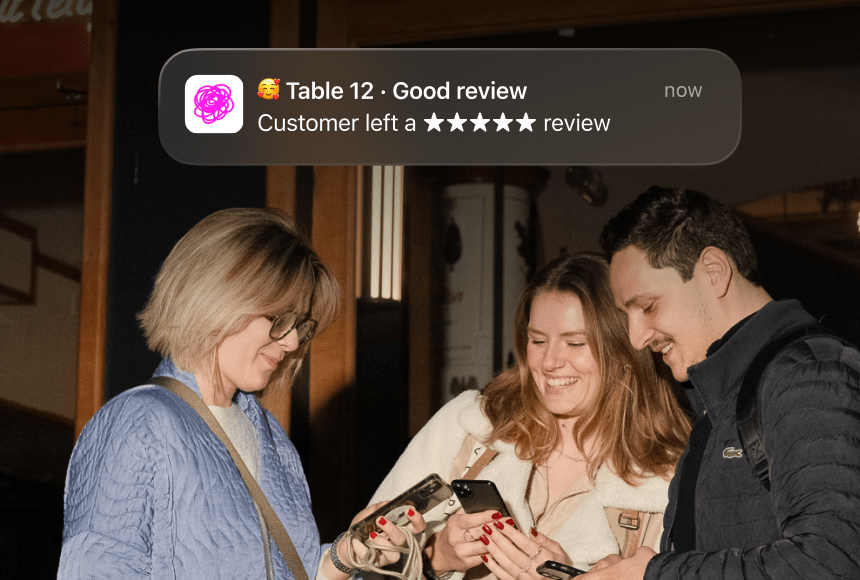
Let’s think about it from the guest’s perspective. They finish a great meal and ask for the check. One ideal scenario: they scan a QR code at the table, quickly see their itemized bill, add a tip with a tap, and complete the payment. If they’re feeling especially thankful for the experience, they might rate their visit and leave a quick review on Google—boosting your online presence.
This scenario saves minutes per table. Staff don’t need to shuttle back and forth to run a card. The process is so much quicker that it effectively boosts capacity. By eliminating extra steps, you reduce the chance of errors like charging the wrong table or misplacing receipts.
One approach—perfected by solutions like sunday—puts customer-controlled payment at center stage. You can integrate it with your existing POS system so that your staff stays in the loop. When a table finishes paying, it’s reflected right away. Your manager can see real-time revenue data, and your staff is freed up to focus on service rather than the drudgery of swiping cards.
Implementing QR Code Technology
QR codes are making waves as a go-to option for mobile payments in restaurants, not just during the holiday rush. Here are some reasons you might consider adopting them year-round:
- Minimal contact: Guests manage the entire payment process on their phone. This is great for hygiene and privacy.
- Speed: Bypassing the traditional credit card terminal can reduce transaction times considerably.
- Upselling potential: After scanning, your menu items or promotions can appear in the same interface—sparking a last-minute dessert order or gift card purchase.
- Review prompts: Systems can seamlessly direct guests to share their positive experiences on Google.
Keeping the same logic, happier customers are more likely to leave better tips, especially if the tip prompt is user-friendly. Some platforms, including sunday, structure their tipping section clearly, so guests have default percentages or custom tip entries. And a well-designed interface encourages generous tipping.
Ensuring Reliability of Payment Hardware and POS Integration
As you refine your payment system, be sure that your hardware and software operate without a hitch. A tough lesson for many during the holiday rush is that older or poorly maintained infrastructure can crash at the worst times—like a Friday night dinner rush in December.
To avoid that scenario:
- Regular updates: Keep your POS software current to fix bugs and maintain security.
- Proactive hardware checks: Test your credit card terminals and receipt printers before each big weekend.
- Cloud-based backups: Use modern POS systems that can still function or store transaction data if your internet connection dips.
- Staff training: Make sure every server knows how to manage partial payments, refunds, and gift card redemptions.
A robust system is a lifeline when you’re dealing with a full house. It reduces your risk of meltdown on crucial revenue nights. And after the busy season, you can better predict how to scale up for the next wave.
Capitalizing on Better Customer Data
The payment stage is a goldmine for capturing customer insights. If you leverage a modern digital solution, you might ask for a customer’s email or other opt-in information during checkout. This data is invaluable when building your mailing list for future promotions, reminders, or loyalty programs.
Holiday visitors often include first-time customers, such as relatives in town for Thanksgiving or local patrons hosting out-of-town guests. By capturing their interest with a gentle nudge during the payment process—maybe by offering them a discount on a pertinent future event—you can turn a holiday one-timer into a recurring guest.
But make sure you handle data responsibly. Provide clear opt-ins, and don’t overdo the follow-up. People treasure their privacy, and spamming them with non-stop emails or text alerts can undo good will.
Fostering a Culture of Speed and Service Among Staff
Improving your payment system transforms the employee experience, too. When a server no longer must shuttle a physical card to each table or fuss with printed checks, they can spend that time checking on guests, up-selling desserts, or quickly resetting tables. This shift in workflow can enhance morale, because servers can focus on actual hospitality rather than administrative tasks.
Additionally, you help reduce the risk of handling sensitive credit card data incorrectly. A direct phone payment or QR payment means the employee doesn’t touch the guest’s card, simplifying compliance concerns.
From a tip perspective, an efficient process can translate into higher tip percentages. Take an environment where the guest sees the tip screen right on their phone, with fair default tip suggestions. They’re more likely to respond in kind to good service, especially if the final step is friction-free.
Handling Gift Cards and Promotions After the Big Season
Holiday gift cards can pack a double punch: you get revenue upfront during the selling season, but you also need to handle redemptions smoothly once recipients come to dine. If you haven’t already, spot-check your process:
- Is your POS ready to manage partial redemption (e.g., a customer uses only half the gift card balance)?
- Are servers trained to handle multiple forms of payment if the gift card doesn’t cover the total?
- Do receipts reflect the remaining balance for the gift card holder’s next visit?
A little preparation ensures guests walk away feeling they got full value from their gift card, which boosts your brand reputation and might encourage them to return for a future purchase—another chance for you to deliver memorable service.
Increasing Positive Google Reviews
Holidays bring more foot traffic, which often means more first-time visitors. That’s a huge opportunity to swell your positive online reviews. Engaged guests might leave a review on their own if they loved your restaurant. But a subtle nudge at the end of the payment process can make all the difference.
When you’re using a digital payment platform like sunday, you can streamline the sequence so that, once payment is complete, guests receive a prompt: “Enjoyed your experience? Let us know on Google!” This direct path eliminates friction and captures them at the moment of peak satisfaction.
Recent reviews are especially valuable for local SEO (Search Engine Optimization), which helps people nearby discover your restaurant. By consistently adding new positive reviews, you climb higher in search results—leading to increased traffic that isn’t limited to the holidays.
Planning for Staff Coverage and Training
The holiday season typically exposes staffing gaps. Some servers might not be fully comfortable with your payment setup, or you might be short of hands just when you need them most. Once the rush is over, it’s time to rectify that.
A good approach is to provide short, consistent training modules for all your staff—front of house and management. Focus on:
- How to explain the digital payment process to guests: This ensures a more organic, frictionless conversation at the table.
- Handling multiple checks: Some parties split the bill or need separate receipts for business expenses.
- Gift card redemption: Avoid confusion by ensuring everyone knows how to input gift card codes or handle partial balances.
- Refunds or adjustments: Mistakes can happen, so staff should know the correct procedure to adjust charges.
Equipped with the right knowledge, your team can manage any wave of customers that arrives, whether that’s a random Tuesday or next year’s holiday mania.
Tracking Metrics to Improve Future Performance
Many restaurant owners accurately measure how many tables were served or how many orders were processed, especially during busy times. But do you track how long it takes from when a guest signals for the check to the moment they pay? Do you keep tabs on abandoned takeout orders or any friction that leads to canceled transactions?
To prepare fully for next season, it helps to gather data now:
- Average transaction time per table
- Peak holiday tip average vs. off-season tip average
- Number of gift cards sold vs. redeemed
- Percentage of tables that pay digitally vs. those who prefer a physical card transaction
Armed with these insights, you can better forecast and plan your payment strategy to optimize labor scheduling, technology investments, and marketing approaches. Data is your friend—use it to paint a realistic picture of your busiest moments and how well your payment systems hold up under pressure.
The Value of Flexible Payment Options
Looking ahead, the diversity of payment methods available to guests will only continue growing. Increasingly, customers carry minimal cash and rely on digital wallets for daily transactions. Some even prefer cryptocurrency, while others rely heavily on contactless credit card payments.
As a restaurant owner, you don’t need to chase every new trend. But ensuring that you can accept the major modern methods—contactless cards, Apple Pay, Google Pay, and a user-friendly QR code solution—means fewer barriers to closing a sale. If a party of four hesitates because of how cumbersome paying might be, that’s a missed opportunity.
Offering multiple payment methods also supports a broader range of guests. Whether they are younger customers used to phone-based payments or older customers comfortable with credit cards, your system can handle them all promptly and effortlessly.
Highlighting the Subtle Advantage of sunday
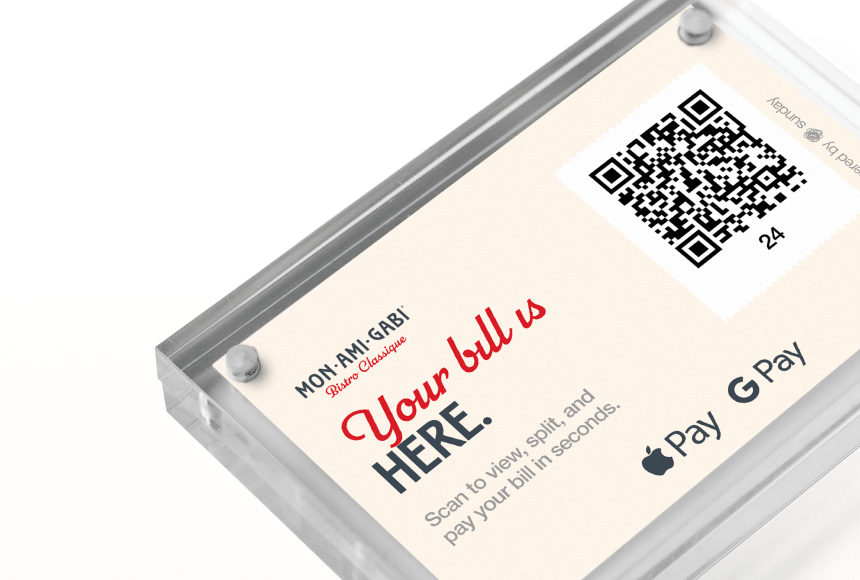
When it comes to QR-based payments, sunday elegantly addresses the big pain points you saw during the holiday season. By placing a small QR code on each table, you give your guests the freedom to settle their bill as soon as they’re ready—no waiting for staff to notice, no lines for the register, and no confusion about splitting checks.
In addition, the platform streamlines tipping prompts and can immediately invite happy customers to share quick Google reviews. It integrates with your existing POS system, ensuring real-time tracking of payments, tips, and table turnover. The result is a smoother end-to-end experience for your guests and your team—even when you’re slammed with holiday reservations or last-minute walks-ins.
Real-World Example: A Festive Evening Turned Stress-Free
Think of a classic December Friday at “Red Oak House,” a small, family-run bistro in Boston. Around 6 p.m., holiday parties arrive; a group of eight celebrates an office get-together, while multiple smaller tables fill up with couples and families. In the old days, the staff would hustle to collect cards all at once when everyone finished. Credit card terminals would jam up, and guests would sometimes get restless.
But with a QR payment option, that entire bottleneck disappears. Each party can pay on their phones the moment they’re done with dessert. The server still checks in to ensure quality, but there’s no need to manage half a dozen physical cards in a single five-minute timeslot. Meanwhile, the staff sees real-time confirmations that each group has paid. Even the guests who forgot their physical wallets can pay with Apple Pay on their smartphones. Fast, frictionless, and holiday cheer remains intact.
This scenario might reflect the kinds of improvements you want at your restaurant. When guests approach the big celebrations or come in for year-end family gatherings, you’ve got a system that meshes with their busy lifestyles.
Steps to Implement a Streamlined Payment Future
So, how do you move toward this vision? A few practical steps set you on the right course:
- Review your current POS setup: Identify which functions you use effectively and which features remain underutilized. Reach out to your POS provider to ensure it can integrate with digital payment solutions.
- Explore QR code solutions: Research user-friendly platforms like sunday that enable fast table payments, tipping, and Google review requests.
- Plan a pilot phase: Select a few tables or launch the new payment method on certain nights. Gather feedback and confirm any adjustments needed.
- Train your staff: Provide simple but thorough training, ensuring every server knows how to explain the new payment method to guests. This helps everyone feel confident, cutting down confusion.
- Introduce the option to guests: Use signage, a note on menus, or a quick verbal explanation from your servers: “You can pay using our QR code whenever you’re ready—just scan and settle in seconds.”
- Evaluate and refine: After a month, see the difference in average table turnover, tip amounts, and staff satisfaction. Tweak your approach as needed.
Following these steps gradually prepares your restaurant for the next surge, making your payment process glide effortlessly. And as you gather more feedback, you’ll discover new ways to personalize or enhance the payment experience, ensuring your guests always leave with a positive final impression.
Embracing the Year-Round Benefits
Don’t think of advanced payment solutions as purely holiday tools. Once you’ve processed a high volume of transactions with minimal friction and captured real-time data, you can replicate that success throughout the year. Maybe you run special Valentine’s Day menus in February or graduation parties in the spring. You’ll be ready for any surge that comes your way, with or without holiday lights and tinsel.
Plus, you’ll see direct, year-round perks:
- Shorter wait times: Freed-up staff can seat or serve more guests instead of circling with checks.
- Higher earnings: Smoother payment flows lead to more consistent tipping and added revenue from improved table turnover.
- Stronger online reputation: Constant inflow of fresh Google reviews builds your digital standing.
- Fitter finances: Streamlined processes reduce errors, saving time and money in reconciliation.
Comparing Holiday vs. Post-Holiday Payment Dynamics
Below is a simple comparison to highlight how payment trends differ between the peak holiday weeks and the quieter period that follows:
|
Holiday Peak |
Post-Holiday |
| Transaction Volume |
High (parties, gift card purchases) |
Moderate but with increased gift card redemptions |
| Tipping Patterns |
Slightly higher average tip percentages |
Returns closer to normal, but digital solutions maintain positivity |
| Billing Methods |
Mixed: credit card terminals, some QR payments |
QR continues to rise in popularity as guests get used to it |
| Customer Expectations |
Smooth, quick service despite crowds |
More relaxed pace but still high demand for efficient payments |
| Opportunity for Improvement |
Identifying system bottlenecks under pressure |
Refining processes and training post-peak |
Once the holiday intensity subsides, it’s easier to integrate new systems and teach staff how to use them effectively, setting you up for a winning cycle next holiday season.
The Road Ahead: An Ongoing Evolution
The restaurant industry constantly evolves. Menus change, décor gets refreshed, and new customer preferences emerge—payment is no exception. Rather than wait for the next holiday rush, seize this calmer period to innovate. The lessons you learned from recent seasonal traffic are tangible. Act on them now, and you’ll reap not only short-term gains but also long-term loyalty from your staff and your guests.
With digital payment options growing more sophisticated, you’ll find the transition has become easier. Modern solutions require minimal hardware and are user-friendly enough that even less tech-savvy guests can adapt quickly. By positioning your restaurant as an early adopter of frictionless payment, you stand out competitively. You don’t just feed people; you deliver service that feels personal, streamlined, and advanced.
Consider the holiday rush an annual stress-test for your operation. Survive it once, and you’ve survived the hardest part of the year. Then, harness those insights to shape your restaurant’s payment experience for the better, ensuring each subsequent wave of customers—whether during a holiday season or mid-week lunch—finds a frictionless checkout that secures their trust and loyalty.
FAQ
1. Do I lose personal connection with a digital payment system?
Not at all. Digital payment simply replaces time-consuming tasks like running cards back and forth. You can channel that saved time into genuine conversation and more attentive service, which actually increases personal connection.
2. How secure are QR code payments for restaurants?
When using reputable platforms, QR code payments come with robust encryption and compliance measures. Transactions remain secure, and sensitive data never passes through unencrypted channels.
3. Will guests be hesitant to adopt a QR-based checkout?
Most guests adapt quickly. Many already use mobile wallets and apps for other purchases. Introduce it politely. If some prefer a traditional method, offer that too. Flexibility is key.
4. What if my internet goes down?
Modern POS solutions often include offline capabilities, which store transaction data and sync once the network is restored. Confirm what options your provider offers to ensure you can operate uninterrupted.


 1min
1min
 1min
1min