Leverage Last Month’s Metrics for a Strong Start to the New Year
December’s performance holds hidden clues that can guide your January strategy. Analyzing factors like revenue peaks, table turnover rates, and top menu items can reveal what truly resonates with customers. Careful review of operating costs and staffing needs can help you optimize the next month’s budget. Tracking trends—from walk-in traffic to online orders—keeps you agile in the face of evolving diner preferences. Small changes in menu presentation or marketing campaigns, informed by past data, can make a big difference. And as you prepare for January, an integrated payment solution, such as a QR code-based system, can streamline the guest experience and boost your bottom line.
Why December Data Matters More Than You Think
December is a crucial month for most restaurants. The holiday spirit often encourages bigger gatherings, celebratory cocktails, and an overall willingness to spend more on dining out. At the same time, you’re juggling variable operating costs—higher staffing needs, extra marketing pushes, and possibly special holiday menus. This makes December a unique snapshot of both revenue potential and operational complexity. By systematically reviewing your December data, you set the stage for a more focused and efficient January.
For example, suppose you noticed a spike in sales every Friday evening, courtesy of office holiday parties, but staff schedules weren’t aligned to handle the influx effectively. Or perhaps your menu’s seasonal starters sold out repeatedly while secondary main courses lingered. These are the kinds of December details that shed light on operational, financial, and strategic decisions you’ll want to fine-tune as the new year begins.
Analyzing this end-of-year data isn’t just a numbers exercise; it’s an opportunity to refine your entire approach. Think of December’s figures as a reflection of your restaurant in action, with all the real-world variables that December adds—from holiday rushes to seasonal event bookings. Start with these insights, and you’ll be well on your way to an effective January reboot.
Identifying the Key Metrics to Examine
Data can feel overwhelming if you don’t know where to look. Fortunately, most restaurant management systems and Point of Sale (POS) platforms provide a wealth of stats at your fingertips. Narrow your focus to a few high-impact categories:
- Revenue and Profit Margins: Did your total December revenue exceed expectations or fall short? Compare revenue per day and note fluctuations on weekends vs. weekdays.
- Average Check Size: How much did consumers spend on average? Pair this data with check breakdowns to see which items boosted the total.
- Popular Menu Items: Look for items that consistently sold out or earned high satisfaction from guests—either via direct feedback or digital reviews.
- Table Turnover Rates: In busy periods, quick table turnover can drive more revenue without compromising guest experience, but only if staff are prepared for the pace.
- Staffing Efficiency: Evaluate the ratio of labor cost to revenue. Were certain shifts consistently overstaffed or understaffed?
- Online Orders and Delivery: December might also reflect a surge in takeout or delivery. Track how those contributed to overall revenue.
- Promotional Campaign Performance: If you ran holiday specials or gift card promotions, did they resonate with your audience?
Focusing on these categories will help you form a clear picture of what worked and what fell short. Armed with that clarity, you can make evidence-based decisions to reshape your January strategy.
Turning Data Into Action: Operational Efficiency
Good data is only as strong as what you do with it. If December’s metrics showed that certain time slots were slammed while others were ghost-town empty, you might update your January hours or staff scheduling to match the observed demand. Adjusting your opening hours on slow days could reduce overhead, while extending them on high-traffic evenings could maximize revenue potential.
Similarly, if you noticed dinner rushes leading to frustrated guests waiting for tables or servers feeling stretched too thin, think about how you structure your shifts. Perhaps you need more servers during peak times or better training to handle table turnover. You could also refine your reservation and waitlist systems to handle sudden bursts of foot traffic. Consider adding digital capabilities to streamline seatings or introduce an order-ahead feature to accommodate last-minute group gatherings.
The optimal strategy is to pinpoint any recurring bottlenecks—kitchen slowdowns, staff gaps—and resolve them before the spikes of January weekends. Sometimes, a simple staff rotation or reallocation of roles can drastically reduce wait times. Aligning your operational changes with the patterns revealed in your December data is the quickest path to a smoother, more customer-pleasing experience in the new year.
Refining Your Menu With Purpose
Menu engineering can be a game-changer when you know exactly which dishes boosted your bottom line last month. If a particular appetizer flew out of the kitchen every night, you might consider featuring it more prominently or even creating new variations. On the other hand, items that barely sold could be prime candidates for removal, or for a rework that aligns better with diner preferences.
Comb through December’s item sales report to see each dish’s popularity. Next, examine profit contribution—not just raw sales. A wildly popular dish is great, but only if it delivers decent margins. Plugins and POS analytics can help you quickly identify the stars (high popularity, high profitability) and question marks (low popularity, but potentially high margin if marketed correctly).
Even subtle shifts, like reordering dishes on your menu or altering portion sizes, can impact what your guests choose. Interestingly, some restaurants find success by giving star dishes prime “real estate” on the menu, using more white space or a special highlight to grab attention. If you have a digital menu and contactless payment solution, you can also gather real-time feedback on whether these changes are working. This continuous improvement mindset makes January the perfect time to test, analyze, and refine before spring arrives.
Planning Strategic Discounts and Promotions
December often brings special deals, but January is when diners may watch their wallets a bit more closely—especially after holiday spending. Don’t just run generic discounts. Instead, analyze which December promotions hit the mark. Did a bundled appetizer-and-entrée deal drive sales of under-the-radar menu items? Did holiday-themed cocktails help you stand out?
Armed with December’s performance, you can create targeted January specials. For instance, if your data shows that your lunch crowd soared with a particular soup-and-sandwich offer, you might replicate that synergy in January with small twists to keep it fresh. Or maybe your holiday promotions brought in a new demographic—students or young professionals—whom you can cultivate into regular guests through a loyalty program.
While discounting can be risky, doing it intelligently can foster an immediate revenue gain. Consider offering early-week deals when traffic is usually slow, or create a “Welcome to 2024” campaign that recasts some of your successful December menu items with a fresh, new-year spin. The key is to ensure that each promotion aligns with the data points you collected—driving traffic without eroding profits.
Enhancing the Guest Experience With Technology
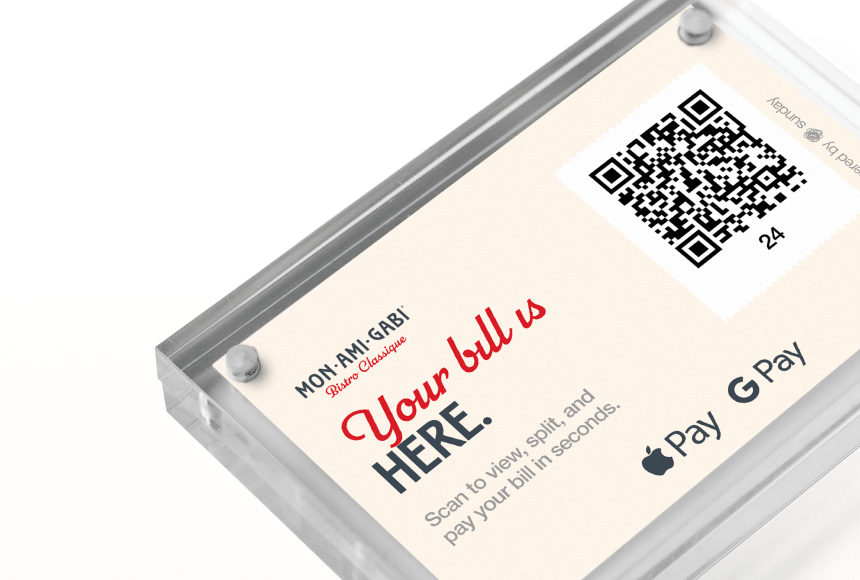
In today’s restaurant landscape, technology is integral to creating a seamless guest experience. If December taught you anything about long lines at the payment terminal, consider upgrading to technology that speeds up transactions, such as contactless payments through QR codes. With solutions like sunday, you can let guests pay right at the table with a quick scan, leave a tip without feeling rushed, and even submit a Google review if they wish—all while the server focuses on attending the next table.
Tech-savvy customers carry the habit of mobile ordering, digital reservations, and frictionless payments well into the new year. By bridging the gap between dine-in service and digital ease, you can boost satisfaction, turn more tables, and potentially increase average check size. As you refine your January approach, think about the tiny time sinks—waiting for a credit card slip, hunting for a server to pay, manually entering loyalty points—that can be automated.
A modern payment system also offers valuable insights into transaction times, tipping patterns, and even menu feedback. Combine this intelligence with your December data, and you have a robust foundation to refine your operations for January and beyond. Aim to make the dining experience so straightforward that customers feel taken care of even before they’ve tasted the food.
Staffing Smarter in the New Year
December can stress-test your staffing strategies like no other month. But the lessons you learn can make January much smoother. Start by reviewing your hourly sales data alongside labor costs. Did you see any shifts where labor was consistently too high relative to sales? Alternatively, were there peak times when staff were overwhelmed and customers had to wait too long for service?
With this type of insight, you can build a schedule that lines up staffing levels with actual demand. For instance, if your dinner rush typically starts at 5:30 p.m., there’s little benefit to having servers arrive at 4 p.m. Instead, schedule a lean pre-rush crew, then stagger additional team members in as business ramps up. By the same token, if you notice late-night demand staying strong until 10:30 p.m., plan for staff to remain on-site for that extra hour to handle last orders efficiently.
You’ll also want to keep an eye on staff satisfaction. December can be demanding, and burnout in the new year is real. Notice if certain team members consistently worked overtime and may need a lighter schedule in January—or a proper reward. A well-rested and motivated team is essential to providing top-notch hospitality, so ensure your approach to scheduling accounts for morale as well as metrics.
Budgeting and Inventory Management for January
After a hectic December, your supply chain might look a little scrambled—whether you stocked up excessively to meet holiday demand or ran out of key ingredients at the worst moments. Now’s the time to use your December data to refine inventory management. Review sales volumes for all menu items and plan your January orders accordingly. If you noticed certain ingredients were consistently underutilized, adjust your purchase orders to reduce waste.
On the financial side, budget reallocation can be a game-changer. If December’s marketing push—perhaps boosted by a few popular holiday-themed campaigns—generated strong returns, you may want to sustain that marketing momentum in January. Conversely, if certain marketing tactics fizzled out, divert those funds to better-performing initiatives or invest in staff training or new technology.
This approach to budgeting ensures you’re not blindly carrying over December’s expenses without critical analysis. Remember, January can be slower for many restaurants, so it’s vital to match your overhead to your realistic revenue projections. For deeper insights, check resources like the National Restaurant Association’s forecasts for industry trends and predictions. They can help you benchmark your January performance against broader market movements.
Using Guest Feedback to Fine-Tune Your Service
It’s easy to get wrapped up in quantitative data—but qualitative insights can be equally powerful. Scan through online reviews and request direct feedback from regulars. Did guests mention any special December dishes they hope you’ll keep year-round? Were there any complaints about slow service, lack of vegetarian options, or intrusive up-selling?
Tools like sunday can help by making it simpler for guests to leave Google reviews right after paying. Because the feedback loop is immediate, you’re more likely to capture accurate observations. Make a point of responding to these reviews promptly and courteously—even negative ones. Showing you care can transform a lukewarm impression into a loyal guest.
Consider hosting a mini “January Focus Group,” inviting a few regular customers to share their thoughts on your menu, ambiance, and service. Let them know you appreciate their December business and want to keep them coming back. This personal feel not only builds goodwill but also helps you refine your decisions. Genuine human interaction, coupled with the raw numbers, paints a fuller picture of how your restaurant can improve.
Retaining the Festive Vibe—Without the Holiday Décor
The December charm may be gone, but you don’t have to lose the inviting atmosphere that drew people in. Think of January as a chance to refresh your décor or add cozy elements suited to chilly winter months. Simple touches—like warm lighting, a seasonal floral arrangement, or a small chalkboard highlighting daily specials—keep optimism flowing.
If your restaurant hosted holiday parties and corporate events, talk to those guests about returning for post-holiday gatherings or milestone celebrations in January. A brief follow-up email or friendly social media post can remind them that your restaurant is still the ideal choice for events all year round. And if you offered special holiday menus, adapt a few popular dishes to a “winter comforts” concept that extends the celebratory spirit into the new month.
A strong atmosphere isn’t just about decorations, either. It’s also about service style and staff attitude. If your team treated December’s hectic pace as an exciting challenge, channel that energy into a continuing vibe of efficiency and warmth. Diners might not be celebrating the holidays, but they’re still seeking a place to feel valued and relaxed.
Measuring Success and Adjusting on the Fly
January reboot plans aren’t meant to be “set it and forget it.” Collect real-time data on your updated hours, new promotions, or reconfigured dining room layout. Compare your January weekly sales to December’s. Are you seeing a higher average check size despite fewer total visitors, for example? That might mean upselling strategies are working.
Use your POS analytics, staff feedback, and online traffic data to track performance daily or weekly. If you see a dip or spike in some area, investigate quickly. Maybe a promotion is underperforming because it’s poorly communicated, or perhaps your new menu champion is overshadowing crowd favorites. Intervening swiftly can prevent small missteps from snowballing.
This iterative, data-driven approach is the heart of modern restaurant management. By regularly measuring success metrics and adjusting in real time, you ensure that your January reboot remains dynamic and responsive. And when it’s time to plan for February, you’ll have another month’s worth of refined insights—making each new phase clearer, smarter, and more fulfilling.
FAQ
How do I gather detailed December data if I didn’t track it actively?
If you used a standard POS system, you likely have historical data on sales, inventory, and labor hours—start there. Check your online ordering platform as well, or your reservation system for capacity metrics. Some third-party solutions maintain records automatically. If manual records are your only source, invest time in transferring them to a spreadsheet so you can easily spot patterns and trends.
Which data analytics matter the most when planning a January reboot?
Focus on revenues, average check size, popular menu items, employee scheduling efficiency, and guest feedback. These five areas typically provide the clearest insights into both financial performance and guest satisfaction. Adjusting just one or two of these elements can lead to a noticeable improvement in your restaurant’s performance.
How can I encourage guests to leave reviews that help shape my strategy?
Streamline the review process. Encourage guests to share feedback immediately after their meal, when impressions are still fresh. A contactless payment solution like sunday makes it easy to prompt an optional Google review after they pay. You can also offer a small incentive—like a free appetizer on their next visit—to those who take the time to review your business honestly.
What if December was unusually good or bad due to external factors?
Seasonality, local events, or even extreme weather can skew December’s results. Consider these external variables, and apply common sense. Look for trends with logical explanations—did a nearby festival boost your foot traffic? Did a snowstorm hurt it? Use your best judgment to filter out anomalies and focus on what’s likely to repeat.
How do I implement new technology without overwhelming my staff?
Introduce solutions gradually. Provide hands-on training to staff until they feel comfortable and knowledgeable. If you’re adding a QR code payment option or a new reservation system, start during a less busy window so your team can adapt. Clear signage and step-by-step instructions enhance the guest’s experience as well, cutting down on any confusion at the table.


 1min
1min
 1min
1min