Smart Strategies to Onboard Your November Seasonal Team Quickly
Why November Is a Crucial Time for Quick and Effective Training
November is that magical month where crisp fall vibes meet the frenzy of holiday preparations. For many restaurant owners, the countdown to Thanksgiving and the year-end celebrations means one thing: you’re about to get very busy. With increased foot traffic and expanded shifts, you and your team need all hands on deck. Enter the seasonal hires—new folks eager to help but who need to get up to speed fast.
Seasonal hires often come from various backgrounds: college students looking to earn some extra cash over the holidays, individuals seeking temporary work, or even professionals wanting a short-term side gig. According to a 2023 study by the National Restaurant Association (National Restaurant Association Research), a significant chunk of restaurants—well over 80%—report difficulties in quickly integrating new team members. When you have a rush of new hires and less time to train them, you risk service inconsistencies, lowered morale, and ultimately, customer dissatisfaction.
But you don’t have to settle for chaos. If vous focus on a few vital strategies, you can get your newcomers trained efficiently—and maybe even have them add fresh energy to the entire operation. Below, we’ll explore a comprehensive set of steps and insights to help you fast-track your November hires and keep your restaurant humming.
Set Clear Job Roles and Expectations First
An essential first step is to clarify right away what each new hire is supposed to do. People tend to perform better when they understand what success looks like in their specific role.
- Define responsibilities: Are they primarily hosting? Exceeding customer expectations as a server? Handling inventory under the supervision of a manager? Spell out each responsibility in a quick, written overview accessible to all new hires.
- Provide a short manual: Keep it lean. A manual the size of a novel won’t be read, especially under November time pressure. Instead, create a simple, bullet-point style sheet or digital file that outlines must-know items—like how to handle popular dishes, daily checklists, or house rules.
- Show them what “great” looks like: If you have a seasoned employee who excels at greeting guests or upselling featured cocktails, let new hires observe them in action. Real-world examples are more memorable than a lengthy orientation video.
When new team members arrive, you want them to think, “Got it—this is what I’m here to do,” instead of “Where do I even start?” That focus on immediate clarity is more than a time-saver—it’s a recipe for confident, proactive, and upbeat seasonal workers.
Streamline Your Recruitment Funnel
The process of training starts the moment someone applies for a job. By adjusting your recruitment strategy, you can attract candidates who are more likely to succeed and adapt quickly.
- Write clear job postings: Be explicit: “Looking for seasonal servers from mid-November to early January,” “Looking for kitchen support during Thanksgiving peak,” and so on. The more precise you are, the likelier it is that you’ll receive applications from people who can genuinely handle the seasonal schedule.
- Use group interviews (sparingly): If you anticipate many applicants, group interviews can speed up the selection process. Ask practical questions or offer quick scenarios: “If the kitchen is backed up, how do you handle a customer waiting for their order?” You’ll see how they respond under pressure and in a socially dynamic situation.
- Highlight the perks and growth opportunities: Even if a contract is seasonal, people want to know if there’s a path to continue afterward or if you offer any special references post-season. This can attract more motivated candidates.
The bottom line? Strong recruitment is the first step toward fewer headaches in training—because it’s easier to teach motivated and properly informed hires.
Design a Lightning-Fast Onboarding Program
Your onboarding doesn’t need to drag on. In fact, a quick, robust orientation can be more impactful than a rambling multi-day affair. Imagine your orientation as a well-crafted amuse-bouche before the main course: small but powerful, leaving everyone hungry for more knowledge.
Here’s how to do it efficiently:
- Welcome session: Gather new hires in a brief, face-to-face session (in-person or via a quick video call if you’ve got hybrid staff) to introduce them to the restaurant’s concept. This session is your opportunity to highlight your brand values, work ethic, and house specialties.
- Restaurant tour: Show them where the essentials are: the restrooms, the pantry, the break room, cash registers, and your staff-only QR code for easy training materials if you have that set up. Let them feel the flow from the front door to the kitchen pass.
- Mandatory safety checks: In many states, you’ll need to cover safety and health protocols. Keep it short, direct, and interactive—maybe a quick, scenario-based quiz: “What’s the correct refrigerator temperature for raw meats?”
- Basics of service: Show how you want your staff to greet customers, present dishes, and handle basic questions. Remember, good service is more than speed—it’s about genuine hospitality.
This entire process can be done in a few focused hours, leaving your recruits energized rather than overwhelmed. Keep it intentionally interactive with short Q&A breaks, so new hires can ask burning questions as they arise.
Empower Your Team with the Right Tech Tools
In a busy restaurant, technology can be the secret sauce that streamlines training. With the right systems, you not only reduce human error in order-taking and payment processing—you also equip new hires with a safety net.
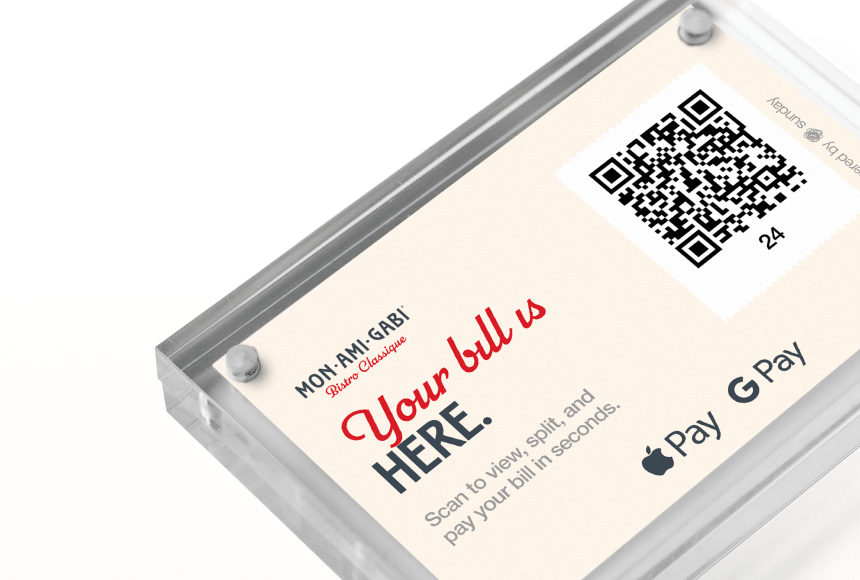
One specific tool that might help is a modern payment solution like sunday, which allows your guests to settle their bill by scanning a QR code directly on the table. This kind of solution also empowers your team:
- Less time spent waiting for checks: With a QR-based payment tool, seasonal hires can focus on delivering personal service rather than hustling between tables with card readers.
- Easier tipping and feedback: Tools like sunday automate tipping suggestions and even encourage guests to leave a quick review on Google when they pay. New hires benefit from direct feedback and more tips. Plus, it’s a conversation starter, making them more comfortable guiding customers through the payment process.
- Reduced errors: When the system does the math, your new staff members can worry less about training on manual POS steps and focus more on the customer experience.
Embracing user-friendly software for order-taking, inventory tracking, scheduling, and payments shortens the learning curve. Best of all, a digital interface can help you monitor daily performance and correct mistakes in real-time.
Use a Buddy System for Rapid Mentoring
Nothing accelerates learning like having a personal guide. Mentorship or a buddy system partners each new employee with a seasoned staff member. The synergy between an experienced pro and an eager newcomer can result in:
- On-the-spot training: When a new server encounters a rare menu substitution request or a special dietary concern, the mentor can intervene immediately. This hands-on learning is faster than reading any manual.
- Shared confidence: The new hire feels more at ease knowing they have someone to rely on, while the mentor feels empowered to shape a new colleague’s growth. Keep an eye on mentor burnout, though—assign this role to your staff members who genuinely enjoy teaching.
- Consistency in performance: Mentors help ensure that the brand values and service style remain consistent across the entire team, preventing your restaurant vibe from becoming a game of telephone.
Buddy systems don’t have to be official and rigid. A quick introduction can do wonders: “Hey, new hire, meet Sarah—she’s been with us for three years. She’ll show you the ropes.” Encourage them to continue touching base throughout the shifts. This structure often yields more engaged, better-trained workers in record time.
Invest in Hands-On Training Workshops
When you’ve got limited time, it might seem counterintuitive to schedule workshops. But targeted, micro-trainings—think 30 minutes focused on one skill—are both efficient and memorable. You can hold these sessions before the doors open or during quieter mid-afternoon periods.
Here’s a quick breakdown in a handy table format:
| Training Topic |
Tips for Implementation |
| Product Knowledge |
Bring menu items to a quick tasting session. Let new hires experience the flavors so they can describe dishes better. |
| Service Steps |
Run through a mock “customer arrival to departure” scenario. Practice greetings, order-taking, and table-clearing speed. |
| Conflict Resolution |
Use role-play scenarios: an unhappy customer, a mixed-up order, or a table that’s sat waiting. Show proper escalation steps. |
| Upselling Techniques |
Explain how to recommend specials and pair items. Practice quick phrases that sound natural and helpful, not pushy. |
Short workshops allow your seasonal hires to hone essential skills without information overload. Encourage questions, ask for real-world scenarios they might have faced, and close each workshop with a succinct summary so key lessons stick.
Motivation Matters: Incentives and Positive Reinforcement
A well-trained team is not just about imparting knowledge—it’s about maintaining motivation. When your newcomers feel appreciated, they’re more likely to absorb training faster and go the extra mile. Reward them for milestones like completing a full shift without errors or receiving positive feedback from a customer.
- Instant feedback: Catch your new hires doing great work—like smoothing over a delayed order with grace—and offer immediate praise. This feedback loop encourages positive behaviors.
- Mini-competitions: Who can sell the most dessert specials in one evening? Who receives the most compliments from guests? Tiny contests, if kept friendly, can spark healthy competition and fun learning.
- Growth highlights: Let them know if there’s a spot for them post-holiday if they excel. The possibility of staying on as a permanent hire or being welcome back next season can be a big motivator.
Meaningful incentives—like a free meal after a certain number of shifts, a small gift card to a local coffee shop, or even a public shout-out in the team chat—go a long way toward creating a supportive, fast-learning environment.
Retention Secrets: Don’t Lose Them After You Train Them
If your training program is top-notch, you want to retain those stellar new hires at least through the end of the holiday season (and maybe beyond!). High turnover is especially frustrating when you’ve already invested energy into training.
Here are a few ways to keep seasonal hires content and committed:
- Fair scheduling: November can be hectic, but avoid overloading your newbies with back-to-back double shifts. Work with them to create a fair balance that accommodates their obligations. This fosters loyalty and helps prevent burnout.
- Team-building events: Even a short staff dinner or a quick post-service drink can bond the team. Strong relationships encourage people to stick around, especially if every shift feels like they’re working with friends.
- Encourage skill development: Give them tasks that stretch their abilities. If a new hire is comfortable at the host stand, let them shadow a server if that’s an ambition. That sense of progression keeps them curious and engaged.
- Keep communication open: A simple check-in after a busy weekend can be eye-opening. “How did everything go for you this Saturday? Anything we can do to make your next shift smoother?” Active listening builds trust.
Track Performance and Adapt on the Fly
The best-laid plans might need tweaking once the November rush is in full swing. Monitor your new hires, give them ongoing feedback, and be prepared to adapt training methods if necessary. If someone is struggling, have a brief one-on-one session to identify the root cause. Is it lack of confidence? Language barriers? Limited product knowledge? Address those gaps quickly and compassionately.
Gather real-time data on how well your newbies are doing. Are customers leaving positive Google reviews mentioning prompt service? Are tickets being processed efficiently with your payment tools like sunday? Use these metrics to showcase improvements and highlight areas you can tweak. Adapting promptly prevents small hiccups from ballooning into bigger service disruptions.
Elevate Customer Experience Through Seamless Payment
Let’s focus on a specific example that can make your training life easier: offering tech solutions that a new hire can master quickly.
Picture this scenario: Sarah, a newly hired server, arrives during peak Thanksgiving prep. She has minimal POS experience but is enthusiastic. Instead of memorizing a complicated register system, she can guide customers to scan a QR code on the table using a tool like sunday. Payment becomes one less headache for her, freeing her to focus on ensuring guests have a delightful experience.
By the end of her first shift, Sarah feels more confident—she’s nailed crucial aspects of table service and avoided the stress of manual billing. Meanwhile, your guests are happy they can leave quickly, pay with their phones, add a tip, and perhaps even post a quick Google review on their way out. That’s a win-win for both staff training and customer satisfaction.
A Real-World Case: The Busy Seafood Bistro
To illustrate how these strategies come together, imagine you own a beachfront seafood bistro that opens year-round but quadruples in foot traffic during November due to a local holiday festival. You typically onboard ten new seasonal hires to keep up.
Here’s how you might apply the insights above:
- Pre-interview clarity: You advertise specifically for festival-season help. Applicants arrive knowing they’re expected to work the frantic weekends. You conduct group interviews that simulate busy nights—like a speed round of typical customer requests.
- Two-hour onboarding crash course: You gather new hires for a short welcome, going over essential details: house specialty dishes (think crab cakes and lobster rolls), brand story, and a quick demonstration of how to operate the reservation system. Then you whisk them off for a quick behind-the-scenes tour.
- Tech-based ordering: Each new server has a simple ordering app on a shared tablet. Payment is largely contactless, thanks to a QR code solution. New hires quickly learn the basics—fewer steps to memorize, fewer errors to correct.
- Mentor pairings: You pair a new staff member with a seasoned one. When a customer complains that their clam chowder isn’t hot enough, the mentor steps in smoothly the first time, and the newbie learns how to manage the situation on the spot.
- Performance check-ins: You review Google reviews for mentions of friendly, prompt service (thanks to a gentle reminder in your digital payment system). You address any mention of slow table checks. This helps you tailor ongoing training the next day.
By the festival’s end, your novices have become near-experts, guests are leaving rave reviews, and your bottom line reflects the power of fast yet effective training.
Ready to Refine Your Strategy and Keep Improving?
Training seasonal hires quickly may feel overwhelming in November’s hustle, but it’s entirely doable with the right systems and mindset. Prioritize clarity, encourage real-time learning, and stay adaptable. Blend technology with hands-on mentorship, and you’ll find that even short-term staff can make a meaningful impact. The best part? Your customers will notice—and appreciate—the seamlessness of your service.
Below is a concise FAQ section that addresses common questions from fellow restaurant owners. We hope it helps you take your staff training approach to the next level.
Frequently Asked Questions
How can I maintain service quality with completely new staff?
Focus on structured orientation, quick hands-on training, and a mentorship system. That way, new hires can see best practices in action and receive real-time support. Pairing a newcomer with an experienced employee ensures consistency and fosters a team-spirited environment.
Is it worth investing in technology for just a few months of seasonal staff?
Yes. Even if the hires are temporary, intuitive tech solutions reduce errors and save time during peak holiday traffic. This can significantly impact your bottom line and free up staff to focus on customer satisfaction.
How can I avoid overloading my existing team during onboarding?
Plan short, focused training sessions and group some tasks together—like safety training or a restaurant tour—to optimize everyone’s time. Also, designate one or two seasoned employees who enjoy mentoring. Give them small incentives or extra prep time so they don’t feel overwhelmed.
What’s the best way to motivate short-term staff to stay until the end of the season?
Offer fair scheduling, highlight growth opportunities (like learning new skills or receiving strong references), and use small rewards. Regular recognition—like calling out good performance on a staff notice board or in a group chat—makes a big difference too.
How can I deal with common language barriers in a diverse seasonal workforce?
Keep your instructions clear and concise, using visual aids wherever possible. Simple language charts, bilingual checklists, and buddying up staff who speak the same languages can mitigate communication hurdles. Patience and empathy go a long way in bridging language gaps.
By applying these strategies, vous stand a better chance of guiding your restaurant to a successful November season—one where your team is prepared, motivated, and equipped with the right tools. Here’s to a bountiful and memorable finish to the year!


 1min
1min
 1min
1min