Welcoming a Fresh Start: Why Diners Are Turning from Delivery to Direct Pickup This January
January often marks a pivotal moment for restaurant owners, as more customers trade third-party delivery apps for direct pickup. It’s partly about cost savings, but also about a fresh start and a desire for a more connected relationship with local eateries. By offering easy pickup options, improving payment processes, and optimizing resources, restaurants can capitalize on this shift. Encouraging visitors to drop by fosters loyalty and reduces fees that come with third-party services. Clear communication, well-trained staff, and the right technology—like a streamlined payment terminal—can make all the difference. Understanding why customers opt for pickup in January helps restaurants provide the convenient and personal experience diners crave.
A New Year, A New Mindset
The start of January carries a unique energy. Many people embrace new habits—whether it’s healthier eating, tighter budgeting, or a commitment to support local businesses. From a restaurateur’s viewpoint, the month can be challenging yet full of promise. January’s shift toward dining choices that encourage active participation (like driving over and picking up an order) is giving a fresh perspective on how restaurants and their customers connect.
After the holiday rush, patrons often crave greater control over their food experience. Delivery may have been a holiday convenience, but the novelty can wear off once the festivities are over. If you manage a restaurant, take note: this sudden preference for direct pickup in January might be a tailor-made opportunity to strengthen customer bonds and increase profitability. It hinges on the fact that by offering a more hands-on approach, you give customers exactly what they’re seeking right now—an efficient, personal, and more cost-friendly experience.
Take Mia, for example, who runs a small family restaurant in Houston. Over the past few years, she’s seen a steady increase in customers placing online delivery orders. But once the New Year hits, her more cost-conscious regulars suddenly ask about takeout specials, deals for local pickup, and in-house loyalty perks. It’s a pattern she’s come to expect. Whether you’re in a big city or a homely suburb, the phenomenon is widespread.
Why Cost-Conscious Customers Seek Pickup
Wallets can feel lighter at the start of the year—those holiday expenses, combined with new budgets and financial resolutions, prompt many diners to reevaluate their habits. Ordering from a third-party delivery platform comes with additional fees and sometimes markups, making direct pickup appealing to consumers simply looking to save a few extra dollars.
According to the National Restaurant Association’s State of the Restaurant Industry Report, a significant percentage of diners—particularly those under 40—prefer direct interaction with restaurants if it means better prices and fewer delivery surcharges. As the new year begins, those considerations grow stronger. Restaurant owners often see a 10–20% shift, with some previously delivery-only customers suddenly opting to check if a quick pickup is an option.
- Lower Fees: Customers avoid extra costs tied to third-party orders.
- Personal Touch: Diners appreciate the direct connection with their favorite restaurant.
- Speed and Accountability: Pickup rarely experiences the same delays one might see with couriers.
Seasonality matters, too. With the holiday spree ending, people aim to control expenses. Offering an appealing pickup program—perhaps with smaller combo deals or a discount for phone-in or direct online orders—can cement loyalty and repeat visits.
The Weather Angle: How Winter Changes Dining Rituals
January weather in much of the United States is cold, and that influences how customers behave. The convenience of being in control of their timeline becomes crucial. While some might still be content with a cozy night in and a delivery app, others find it more reassuring to pick up their meals before returning home. They avoid the risk of cooled or soggy food from a bumpy ride. Besides, with winter storms, there’s always the possibility of couriers operating at reduced capacity or charging extra fees during peak weather events.
Yes, that short drive or quick walk can feel chilly, but for many, it’s worth it for the guaranteed meal quality and the sense of control. Customers can see the hustle in the kitchen, feel the warmth of your space, and interact with your staff, even briefly. That personal interaction plants a seed for stronger loyalty. With costs rising everywhere, that hint of personal warmth matters in how guests perceive your brand.
Turning January Into a Win-Win Scenario
January has a reputation among restaurateurs as a “slower” period—but a shift to pickup can transform a potential slump into a steady flow of business. By promoting your direct takeaway options, you can encourage customers to stop by, embrace a more personal encounter, and give you a chance to upsell or introduce them to fresh items on the menu. Imagine you run a small pizzeria. During a direct pickup, staff might chat about a new topping option or add a side salad with a simple suggestion. This is trickier to replicate through third-party apps.
If you’ve previously relied heavily on delivery as a revenue source—especially during the pandemic—you know the cost of living in that ecosystem: third-party commissions, drifting brand identity (because the customer sees the delivery app brand more than yours), and less control over the diner’s overall experience. Emphasizing direct pickup in January can recalibrate these drawbacks. It’s a chance to reclaim your brand image and keep more profits in-house.
- Brand Consistency: When diners see your logo, your colors, and your staff smiling at the pickup counter, it all merges into a cohesive, memorable experience.
- Better Margins: Avoiding external app commissions preserves your revenue and helps stabilize operations.
- Customer Relationship: Direct connections allow you to share stories, seasonal promotions, and gather feedback about their experience.
While third-party deliveries can be powerful tools, January’s shift is a crucial time to tweak the balance and tip more traffic into your own domain. Even if you continue to accept some online delivery orders, reminding customers they can drop in for a pickup might swing them back in your favor—especially if you sweeten the deal with a small discount or loyalty perk.
Streamlining the Pickup Experience
Of course, meeting this newfound interest in direct pickup means ensuring it’s easy and seamless. Long waits, confusing parking, or a complicated ordering process can deter would-be pickup guests. As an experienced restaurant owner, you already know the value of efficiency; but in this new January dynamic, your operational readiness is everything.
Ask yourself a few questions:
- Is it easy to place a direct order? Whether you take orders by phone, website, or a dedicated mobile interface, the steps should be simple and quick.
- Do you have dedicated staff? If your kitchen is juggling both on-premise diners and pickup orders, make sure your team knows how to handle the flow. Clear labeling and organized processes reduce mix-ups.
- Is the pickup counter efficient? Having a well-labeled spot where guests can get in and out quickly can reduce friction. Consider signage, lights, or a dedicated register for pickups.
Another tactic: designate a couple of prime parking spaces for those who’ve come to pick up. This small but meaningful detail can save time and frustration, encouraging them to choose your restaurant again. Mia, in Houston, learned this the hard way when customers complained about limited parking by her busy street. A minor reconfiguration of her parking lot brought immediate positive feedback—guests felt recognized and prioritized.
The Payment Factor: Speed and Convenience
When your customers arrive for their order, the last thing they want is to fumble with complicated payment methods. Streamlined checkout is essential. That’s where modern tools can shine. If you’re using a clunky payment terminal from 10 years ago, your staff might be keying in prices manually. That’s time-consuming and prone to errors. Upgrading to an integrated, modern POS device helps your staff accept contactless payments quickly and reduce lines at your counter.
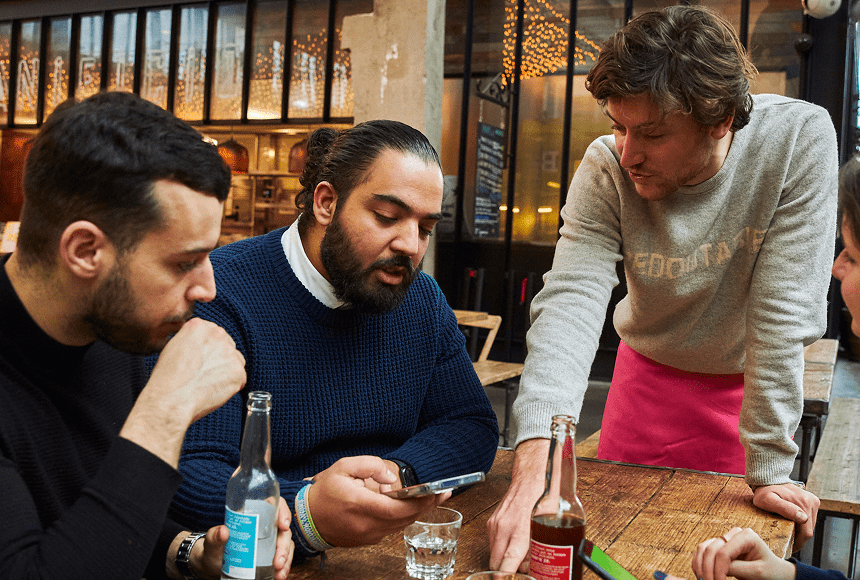
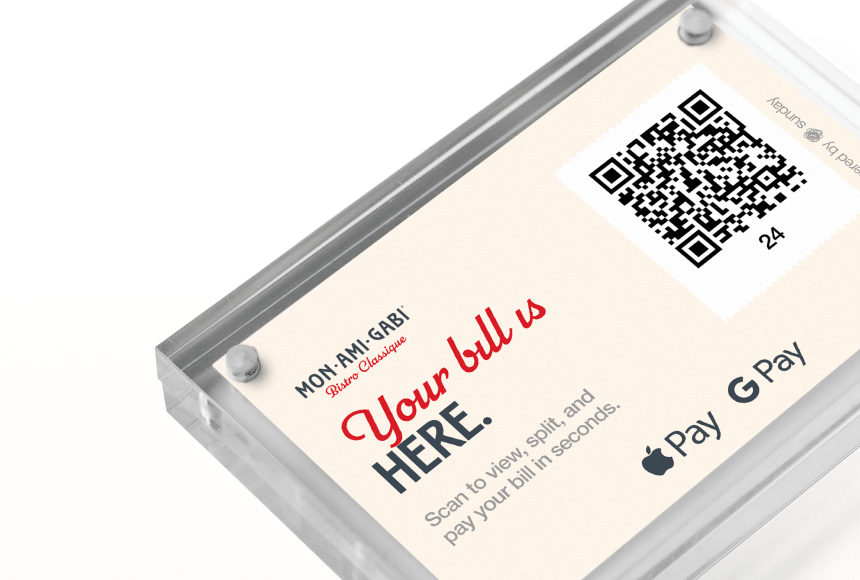
You can also offer digital payment options tied to a QR code at pickup. This is where a solution like sunday can come into play by enabling guests to personally scan, pay, and leave a tip in seconds, without waiting for someone behind the register to handle the transaction. Even if the diner popped in just to grab a meal on the go, you can wow them with effortless payment. They might also be prompted to leave a Google review, giving your business the social boost it needs early in the year.
- Speed: No lines, no fuss, less chance of staff error.
- Upsell Opportunity: Quick, user-friendly digital systems can integrate loyalty or promotional offers at checkout.
- Data Insights: New payment integrations can record trends, average checks, or popular dishes—useful for planning your January menu transitions.
Simplifying the payment flow is a quiet but powerful way to nurture positive word of mouth. A busy guest who can seamlessly pay and skip any confusion is more likely to tell friends or coworkers, “They have this neat new pickup process. It’s so quick!” That’s free marketing right there.
The Personal Connection: Building Loyalty Face-to-Face
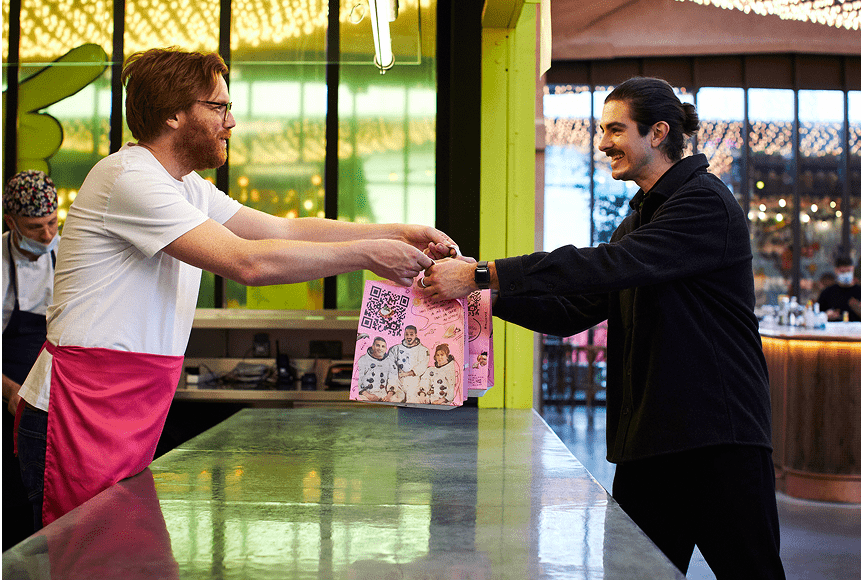
While delivery services grant convenience, they often remove the direct, personal link between you and your guests. Encouraging and facilitating pickups reintroduces—or keeps—a vital human element. Even if it’s a brief conversation at the counter, that moment can lead to stronger relationships and repeated business.
Picture a friendly front-of-house employee who greets the pickup customer by name and mentions their usual order. That small gesture might not happen when a third-party delivery driver is the go-between. Over time, these genuine interactions build an emotional bond that fosters loyalty beyond January. Plus, you can harness the feedback you receive in person: it’s honest, immediate, and can illuminate ways to refine your menu or operations.
A chef in New York once told me how direct pickups helped them evade the barriers that often come with delivering. “We want our guests to know us—the people cooking for them,” they said. “When they come to pick up their meal, we get to say hello. We add a little surprise dessert on top some days. That’s how we turn a onetime visitor into a friend.” It’s real, and it works.
Marketing Your Pickup Program
Of course, shifts don’t happen by chance. If you want to encourage more direct pickups, you need to let diners know. Social media posts, email newsletters, and in-store signage go a long way. I’ve seen restaurants label their direct pickup option on their online ordering platform with a special “January Offers” banner. They highlight incentives—like a modest discount—to let customers know picking up saves them money, and that saving gets passed on as a perk.
You can adapt your strategy by considering the following:
- Social Media Teasers: Promote special pickup-only menu items on Instagram or Facebook.
- Email Blasts: Include a short bullet point about how quick pickup can trim the total bill—ideal for that New Year budget crunch.
- Countertop Signage: Let on-premise diners know they can easily grab meals to go next time.
Additionally, local partnerships—like working with nearby gyms or community centers—can be quite effective. For instance, you can distribute flyers or digital vouchers that emphasize direct pickups. It’s an authentic method of reaching new audiences who care about supporting local eateries. Many restaurants also collaborate with local events in January, showcasing their new year promotions. This synergy can cultivate ties that last beyond the winter season.
Leveraging Technology Like sunday
Technology stands at the heart of a smooth pickup experience, and that includes how your business handles every step of the transaction—from ordering to payment. Enter sunday: an all-in-one platform that simplifies both the diner’s journey and your own operations. With a quick QR code, customers can skip the line, pay in seconds, tip if they wish, and even leave immediate feedback. For owners, this frictionless approach means employees have more time to focus on preparing orders and providing quality service, rather than dealing with routine transactions.
When your staff doesn’t have to juggle a slow payment terminal or a labyrinth of different apps, they can greet guests personally and ensure every dish is correct. Meanwhile, your customers get a sense of novelty (“I can pay with just my phone!”) that removes friction from their routine. In a month like January, when the restaurant sector naturally deals with unpredictable foot traffic, every second counts.
More than that, sunday can prompt diners for a quick Google review as soon as they pay. Positive reviews can act as a magnet for other potential customers seeking new places to eat. Think of it as word of mouth in the digital era—instant, direct, and tied to the warm memory of a friendly pickup experience.
Staff Training: The Hidden Key
No matter how good your technology is, your staff’s ability to implement it can make or break the process. Be sure to properly train your team on how to handle direct pickups, greet customers, provide support, and troubleshoot. A short daily or weekly briefing can help staff share success stories and pain points. That way, your operation can continuously refine and respond to any changes in customer behavior.
Encourage employees to ask questions, raise concerns, and propose improvements. Often, those on the front lines have the best sense of what your guests need. If you incorporate a new digital system or update your menu for January, keep your staff informed with short, clear bullet points describing the changes. Everyone should know about the upcoming “pickup special” or the “download our new app here” sign, for instance.
This collaborative spirit extends to your kitchen crew. They are the engine behind fulfilling orders smoothly. Let them see how direct pickup numbers compare to deliveries. Show them that adopting a well-organized ticket system ensures no mistakes slip through the cracks. Some restaurants use color-coded labels or distinct packaging for pickup orders to make sure everything gets to the right person promptly.
Overcoming Bottlenecks and Mistakes
In the rush of dinner service, mistakes can happen. Maybe an order was missing an extra sauce, or a staff member forgot to apply a discount. The best way to handle these hiccups is to address them head-on with transparency. If a customer calls to point out an error, apologize sincerely, and offer a make-good. People appreciate honesty and accountability—even more so in January, when everyone’s resetting their expectations for the year.
Behind the scenes, train your team to double-check essential points: verify the correct name on the order, ensure that special requests are flagged, and confirm the bag’s contents before handing it off. Simple checklists work wonders. If an error surfaces, note it in a shared log so the team can discuss it. That type of communal learning process helps you quickly adapt and mitigate repeats.
Remember that technology is there to minimize errors. When your POS device and online ordering system communicate clearly, you reduce the risk of skipping important modifications. Some restaurants connect their online ordering forms directly to a kitchen display screen, guaranteeing smooth data flow without the need for manual re-entry. That synergy ensures a consistent, quality experience for your customers.
Broader Community Connections
Restaurants thrive when they’re part of the neighborhood fabric. Direct pickup opens a door for forging deeper ties with local patrons, nonprofits, or small businesses. For instance, if you know of a nearby shelter or fundraiser, you could sponsor a meal drive that encourages diners to pick up an extra meal to donate. Or, coordinate with local art events—posters or small signage by your pickup counter can highlight neighborhood happenings while your restaurant stands as a hub for the community.
This neighborly approach resonates well in the January spirit of fresh starts and altruism. Many diners want to feel they’re helping the community. By focusing on direct pickup, you can spark more real-life interactions that keep you connected with local initiatives. It’s not just about the transaction; it’s about forging trust and loyalty beyond the month’s end.
Capturing and Utilizing Feedback
Part of the reason direct pickup is so effective at building relationships is that it funnels immediate customer encounters straight back to you. Encourage feedback—verbally or via a QR code with a short exit survey. A simple “We’d love to hear how we did” can go a long way in refining your approach. Implementing changes based on real customer input also helps you stay nimble during a month when habits are shifting.
Don’t forget to keep an eye on online review platforms, as well. Even if a customer picked up their meal, the final verdict often appears in the digital space—be it Google, Yelp, or social media. Answer promptly and politely to praise or criticisms and show genuine appreciation. By consistently engaging with feedback, you mirror that direct connection you foster on-site. It reaffirms to your guests that you’re listening, you care, and you’re committed to improvement.
Securing January Opportunities for the Long Run
Navigating January successfully is about more than a short-term uptick in sales. It’s a moment to show your loyal patrons—and brand-new visitors—that you’re agile, forward-thinking, and always ready to refine your approach for their benefit. By emphasizing pickup, you reduce some costs, solidify personal relationships, and can even drive incremental revenue when guests discover new items or decide to upgrade their orders partway through the process.
Long after January ends—and the same crowd might revert to old habits—some of that shift toward pickup will persist. If you’ve guided your customers to see the convenience, affordability, and personal warmth of grabbing meals themselves, they’re far more likely to keep that routine going. A strong pickup program now is an investment in your restaurant’s resilience, ensuring you stand out from the competition and keep your finances healthy.
For restaurant owners who love connecting with their patrons, focusing on direct pickup in January is a natural way to remind people why your food and ambiance are special. By making it easy to order, customizing your payment options, and greeting every customer with a warm smile, you can transform a cold month into a hotbed of opportunity.
Frequently Asked Questions
1) Is direct pickup profitable for my restaurant?
Absolutely. By promoting pickup, you sidestep the commission fees charged by third-party delivery platforms. You also get more face time with your customers, which can drive loyalty and upselling. Plus, guests often respond positively to even a small discount when they realize how much they save avoiding those delivery add-ons.
2) How can I encourage customers to switch from delivery to pickup?
Communication is key. Let your regulars know that pickup is not only budget-friendly, but also an easy, quick, and neighborly option. Use social media, signage in your restaurant, and targeted promotions to highlight the benefits. Customers appreciate transparency about their savings, and many are happy to support local businesses more directly.
3) Does the order process or payment system matter for direct pickups?
Yes. A smooth transaction can be the difference between a positive experience and a frustrating one. Make sure it’s easy to place online or phone orders, and utilize modern payment systems—like sunday—that speed up checkout and tip management. This convenience reassures customers they made the right choice and often encourages repeat visits.
4) How do I handle a slowdown in staff availability during the January shift?
Plan ahead. Evaluate your schedules, determine your busiest times for pickups, and ensure you have ample coverage there. Cross-train employees to manage both dine-in and pickup tasks. A cohesive team that understands the flow of orders, the importance of speed, and friendly service can handle moderate surges even in the slower winter months.
5) Do I need a dedicated pickup area or line?
It’s highly recommended. Streamlining the pickup zone with clear signage, easy parking, and an efficient point of contact shows customers that you respect their time. If space is limited, even a simple sign hung by the register to designate “Pickup Orders” can help reduce confusion and wait times.


 1min
1min
 1min
1min