A Practical Guide for Holiday Staffing Success
December is hectic for restaurants: reservations spike, foot traffic surges, and teams can feel stretched thin. Preparing a strategy in advance can keep guests satisfied and your team motivated. Foresight in hiring extra help, maintaining transparency with current staff, and building morale are critical. Balancing peak-time needs with budget considerations also matters. Equipping your team with the right digital tools—like QR-pay and instant tipping—streamlines the entire operation. This season, careful planning ensures both customers and employees feel well served and appreciated.
The Holiday Frenzy: Why December Demands a Special Game Plan
December is a month like no other for the restaurant industry in the United States. With the holiday spirit in full swing, you’re likely to see a significant upswing in customer volume. Groups celebrating end-of-year festivities, office parties, and family gatherings bring a festive mood alongside bustling meal services. While these extra covers are great for the bottom line, they also create logistical hurdles—especially when it comes to staffing.
The situation can be tricky: You want to capitalize on the potential revenue, but your team must be ready to meet the added demand without burning out. According to the National Restaurant Association, December alone can account for a substantial jump in year-over-year sales. However, increased volume only benefits your restaurant if you can maintain high service standards and smooth operations. That’s why having a targeted holiday staffing plan is not just optional; it’s essential.
But December staffing doesn’t need to be stressful. Like baking a perfect soufflé, the process requires the right mix of solid preparation, precise timing, and even a bit of courage. The right December staffing strategy ensures you have both full-time team members and part-time holiday hires working in harmony, so your customers experience top-tier service from the minute they walk through the door or place their reservation online.
Forecasting Your December Staffing Needs
A big mistake some managers make is basing December staffing purely on gut feeling. Instead, treat this month like a special menu item that needs exact calculations. Lean on data from your reservation system, past performance metrics, and any note-taking you did in previous holiday seasons. If you track daily covers, average check sizes, or peak booking slots, that information will steer you toward a well-informed scheduling plan.
The U.S. Bureau of Labor Statistics indicates that restaurant employment can fluctuate in tandem with broader economic trends, but micro-level seasonal surges often hold consistent patterns every year. So, start by revisiting your December sales data from last year. Identify your busiest days and the staffing levels you had at the time. Ask yourself:
- What were my daily sales figures in December last year?
- When did we experience the most intense rush?
- How many employees were working during peak times?
Use this information to set a baseline, then factor in changes for the current year. Perhaps you plan to run special promotions or extended hours. Maybe you’ve added an outdoor heated patio for seasonal events. Each tweak can shift your staffing needs significantly. By comparing last year’s staffing structure to what you anticipate for the upcoming season, you create a blueprint tailored to your restaurant’s specifics.
Finding and Hiring Seasonal Support
Once you have the blueprint, it’s time to find the right people to fill those extra shifts. In many cases, your existing team will want some overtime or extra shifts—that’s a great starting point. However, depending on the scale of your December traffic, you might also need to recruit short-term employees.
From a practical standpoint, recruiting for seasonal roles before Thanksgiving helps you stay well ahead of December. Tap into your network: community job boards, hospitality school bulletin boards, and referrals from current employees. Applicants often feel more motivated to join a restaurant that travels a little beyond the standard “we’re hiring” approach. Be upfront in your job postings. Emphasize the unique, fast-paced environment they can expect in December, and highlight any special benefits you offer—like free staff meals, performance-based perks, or the possibility of staying on in January if they excel.
Once you’ve found promising candidates, keep your interview process streamlined. December is less forgiving for extended hiring deliberations. Focus on attitude, adaptability, and teamwork. Skills like running plates, mixing cocktails, or operating a POS terminal can usually be taught with the right training. A candidate’s willingness to pitch in and keep spirits high can make all the difference during high-pressure holiday service.
Training Myth-Busting: It’s Not Too Late
You might worry that there’s not enough time to train a new wave of seasonal hires in December. But think of it like quickly prepping a sauce when you’re under the gun: with the right technique and resources, you can still get great results. Start by developing a condensed training program focusing on the most crucial skills. For servers, that might mean order-taking, communication, and familiarity with specials. For hosts, it’s about greeting guests and managing waitlists with tact.
Provide new staff with checklists and short guides they can reference on the fly. Pair them with experienced team members for shadowing and on-the-job feedback. If you have an internal messaging platform or a group chat, use it to share tips, FAQs, and daily updates so newcomers feel continuously supported.
It’s also beneficial to clarify tipping procedures from day one. Gratuities can be a significant motivator, and you want staff—long-term employees and seasonal hires alike—to understand how tips are pooled, distributed, or reported. This fosters trust and prevents misunderstandings, especially when everyone is hustling on a Friday night in December.
Scheduling Strategies: Balancing Coverage and Well-Being
Over the holidays, it’s tempting to schedule every team member for as many hours as possible. But that strategy is like overloading a pizza with too many toppings—eventually, it all collapses. You need to balance coverage with employee well-being. Stressed or fatigued staff can lead to customer-service hiccups, from confused orders to slow table turns.
Keep your core full-time or year-round staff in mind first. Think about who is experienced and capable of handling the busiest shifts. Then weave your seasonal hires strategically into the schedule, allowing some overlap during down times for training.
A rotation system can help. For example, if the Saturday dinner crowd is your main draw, rotate which senior servers get that prime slot, so everyone benefits from higher tip potential while avoiding burnout. Transparency here is key: let your team know how you’re deciding schedules. Show you’re striving for fairness in distributing both high- and low-traffic shifts.
Finally, encourage open communication so staff can request time off for family events or holiday travel. Setting clear deadlines for requests helps you create a stable schedule without last-minute surprises. An exhausted or resentful team won’t give you the service quality you need during the holiday rush.
Boosting Team Morale in a High-Pressure Month
December can feel chaotic, but it’s also an extraordinary time of year that can bring your team closer together—if you handle it correctly. A simple “thank you” or staff meal can go a long way toward keeping morale high. Some restaurants even run friendly internal competitions, like who can upsell the most holiday-themed dessert specials or gather the most positive guest feedback. Just be sure the competition remains fun and light-hearted; you don’t want it turning into rivalry.
Little perks can also make a difference. Maybe that means providing complimentary coffee when wintery temperatures dip, or surprising the late shift with holiday-themed treats. Consider holding a short, end-of-service huddle to recognize employees who did something great that night—like handling a large group with grace or resolving a tricky customer complaint.
And let’s not forget the power of constructive feedback. When someone excels, point it out immediately. When someone falters, offer quick coaching without judgment. Creating a positive feedback culture helps ensure that your restaurant’s holiday hustle runs on encouragement rather than fear or frustration.
Technology That Streamlines December Service
In a season of faster turnover and high demand, technology can be the secret sauce. Mobile ordering systems, online reservations, and automated waitlist management tools all help streamline front-of-house operations. And when it comes to payments, we’ve seen contactless solutions skyrocket in popularity, especially those that rely on QR codes.
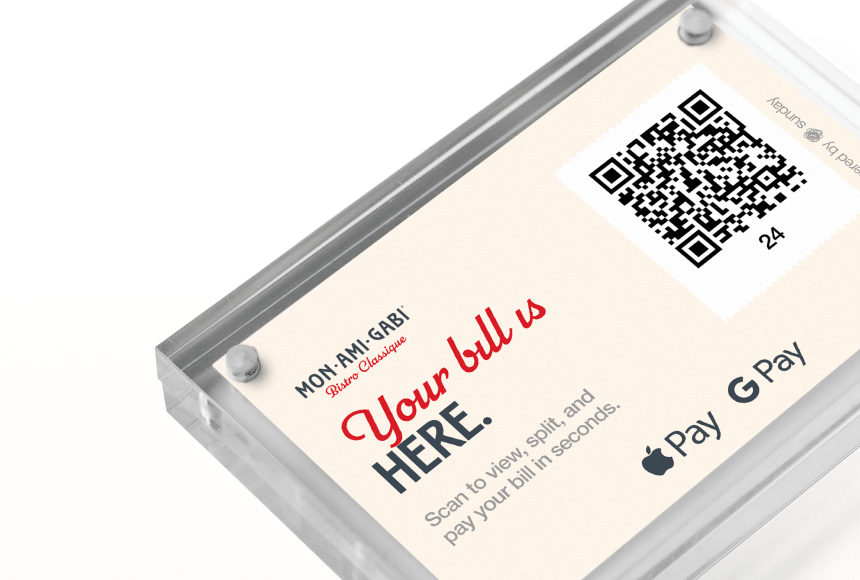
That’s where platforms like sunday can make a difference. By allowing guests to pay at their table via QR code, your servers can focus on what truly matters: great hospitality. The convenience extends to tipping as well. Instead of relying on a stationary payment terminal, customers can leave a tip in just a few taps. This approach not only speeds up table turnover but also boosts tip opportunities since the payment experience feels more seamless and less rushed.
Software integration is another crucial point. If you’re syncing your reservation platform with your POS, you’ll automatically know how many covers are expected and can plan staff workloads accordingly. This integration also allows you to gauge real-time inventory, so the kitchen team isn’t caught off guard by sudden spikes in orders for that special holiday pie. Efficient data flow cuts down on errors and repetitive tasks, translating into more time for staff to connect with diners.
Effective Communication: Your Secret Ingredient
All the planning in the world won’t matter if your team is left guessing about daily tasks and changes. Regular, transparent communication is vital all year round, but it’s especially crucial in December. Make it a habit to send a brief daily update or host a pre-shift huddle. Cover reservations for the day, special events, or large party bookings. If a popular holiday dish just sold out, let everyone know immediately.
In a fast-paced environment, details can easily fall through the cracks. Using a dependable scheduling and communication system keeps everyone on the same page. Whether that’s a shared online calendar or a simple group chat, the goal is to ensure that no one feels they’re in the dark.
Encourage open dialogue, too. If servers have concerns about certain menu items or if the kitchen is having trouble with a specific dish, invite them to speak up. Creating a psychologically safe environment where staff can voice issues fosters a spirit of collaboration. And that collaboration is exactly what you want when demands peak and the pressure soars.
Budgeting Wisely for Seasonal Labor
It’s easy to get caught up in the holiday rush and overspend on labor hours. Monitoring your labor costs is critical, especially since December is often followed by a quieter January. Before you finalize your seasonal roster, estimate how much extra labor will cost and compare that against your projected revenue uptick. This step gives you insight into how many new hires or additional hours you can realistically afford.
One way to rein in costs without sacrificing service is to target key dates—like Fridays, Saturdays, and the last two weeks of December—as high-impact times where you absolutely want more staffed shifts. During slower weekdays, you might scale back, rotating your core team and giving others time off to recharge.
Also, keep a close eye on scheduling creep: when your restaurant is quieter than expected, don’t be afraid to trim the schedule in real time. That might mean cutting a barback earlier or staggering break times to prevent overstaffing. It may require tough decisions, but that’s part of your role as a manager—just make sure you communicate clearly and respectfully with your team to maintain trust.
Ensuring Compliance With Labor Regulations
The holiday surge doesn’t exempt your restaurant from labor laws, so always stay compliant. Each state has its own regulations around hourly limits, minors working, and mandatory breaks. The federal Fair Labor Standards Act (FLSA) also covers aspects like minimum wage and overtime.
Ignoring these rules—intentionally or not—can lead to penalties. Worse, it can harm staff morale if they feel overworked or undervalued. Make sure your scheduling and payroll systems track hours scrupulously. If you have minors on staff for the holiday season, double-check any restrictions on hours they can work, especially on school nights.
Rather than seeing compliance as a hurdle, treat it as another key part of your staff-retention strategy. Workers appreciate fair, transparent management. That positive sentiment can carry you through the busiest weeks of the year, encouraging employees to stick around even beyond December.
Preparing for the Unexpected
Even if you’ve meticulously planned your December staffing, life happens. Employees get sick, winter weather can stall commutes, or a popular local event might unexpectedly overload your dining room. The best you can do is have backup plans in place.
Cross-training is a life-saver here. If your servers know how to roll silverware or run basic bar duties, they can step in for a missing barback or hostess in a pinch. Similarly, a line cook who can handle simple dessert plating helps reduce chaos when the pastry chef calls in sick.
Also, predict the unexpected in terms of inventory needs. Stock up on your most popular items—without overstocking to the point of waste—and communicate with suppliers about your forecasted demands. Many vendors experience their own holiday rush, so building a good rapport can mean the difference between getting that extra case of prime rib or letting your customers down on a special night.
Making the Most of Seasonal Promotions
December is a golden opportunity to engage your customer base with special promotions or holiday menus. These promotions can also impact your staffing needs. A holiday-themed cocktail list, for instance, might require a dedicated bartender with mixology expertise on peak nights. A Christmas prix fixe menu might mean the kitchen operates in a more set rhythm, requiring fewer line cooks but more plating experts to keep presentation levels high.
If you do launch a limited-time offer, be sure your front-of-house staff can describe it in an appealing, thorough manner. Knowledgeable servers not only boost sales but also improve the overall guest experience. Be sure to train them on recommended upsells. If you’re featuring a special dessert, let them taste it. Nothing sells a dish better than genuine enthusiasm.
Cross-promotion opportunities abound. Collaborate with local businesses, or partner with a charity to run a holiday fundraiser. This also can draw crowds, so verify your staff capacity—both physically and emotionally—and plan accordingly. When done right, these promotions turn December into a dynamic marketing moment for your restaurant and a chance for your staff to shine.
Cultivating Positive Guest Experiences—for Reviews and Beyond
The holiday season isn’t just about revenue; it’s also prime time for building lasting customer loyalty. People are in a cheerful mood, trying new venues or returning to trusted favorites for special gatherings. A positive December experience often means repeat customers throughout the year.
Encourage guests to leave feedback through channels like Google reviews. If you’re using a tool like sunday, you can take advantage of the integrated prompts that appear after payment. This makes it easy for satisfied diners to share their experiences publicly without having to navigate multiple steps or websites.
While you can’t control every aspect of customer sentiment, you can foster an atmosphere that people remember fondly. Warm welcomes, efficient service, and easy payment all contribute to that memorable dining moment. That’s more valuable than any short-term holiday profit boost—you’re basing your future success on a recipe of consistent hospitality.
Turning December Wins Into Year-Round Success
After you’ve made it through the holiday frenzy, take the time to reflect. Analyze which staffing strategies worked, which promotions resonated best with guests, and where you might have overextended your resources. Collect feedback from your employees too—what did they see from their vantage point on the floor or in the kitchen? Often, they’ll have insights that can help you refine your approach next year.
Make a habit of documenting these lessons in a simple but organized way. Create a digital folder labeled “December Strategy.” Jot down bullet points on how shifts were scheduled, the volumes you handled, or which items sold out most frequently. This information is invaluable the next time the holiday rush creeps up on you.
Remember that the relationships you build with seasonal employees may also evolve into long-term opportunities. If you noticed a standout person who melded well with your core team, consider keeping them on the roster if your financials allow. At the very least, you know who to call when the next peak season arrives.
The Power of Small Gestures: Leading by Example
As a restaurant manager, your staff looks to you for cues on how to handle the pressure of December. Treat your team with respect and empathy, and you’ll likely see that attitude mirrored back to you. Even small gestures, like jumping in to clear plates or taking a moment to chat with a stressed line cook, can foster a sense of unity.
The holiday season is meant to be joyful. If your team sees that you’re capable of smiling under pressure, they’ll be more inclined to keep their spirits up as well. It doesn’t mean ignoring challenges; it means tackling them with professionalism and a bit of good humor. Your posture sets the tone for an entire workforce, influencing not just how they perform, but also how they feel about their place in your restaurant family.
FAQ
Q: How early should I start recruiting for December?
A: Ideally, begin at least four to six weeks before December. This gives you time to post job openings, conduct interviews, run background checks, and train new hires. By Thanksgiving, you want your seasonal team largely in place.
Q: Is it worth investing in extra technology just for one month of increased demand?
A: That depends on your long-term plans, but many technologies—like QR code-based payments—benefit operations beyond just December. Even after the holidays, it helps streamline turnover and improves the tipping process, which pays off year-round.
Q: How can I fairly distribute high-traffic shifts so everyone benefits?
A: Transparency is key. Create a system that rotates staff through valuable shifts. Communicate your method to your entire team, and allow them some input. By giving everyone a fair shot at lucrative shifts, you foster goodwill and teamwork throughout December.


 1min
1min
 1min
1min