Streamlining Your Click & Collect Service for a Steady Kitchen Flow
Looking to keep your restaurant’s kitchen bustling all day? By structuring Click & Collect the right way, you can smooth out your incoming orders, avoid stressful peaks and troughs, and give your team room to breathe. You’ll see happier staff, more satisfied customers, and better control over inventory. Strategic scheduling, clear menus, and thoughtful technology all play key roles. When planned well, Click & Collect becomes a reliable revenue stream that eases pressure on your dining room while strengthening customer loyalty.
The Growing Importance of Click & Collect
Online ordering is no longer just a novelty; it’s an expectation. According to the National Restaurant Association, 8 in 10 restaurant operators say off-premise dining (which includes pickup and delivery) is a strategic priority for growth. Click & Collect is one of the fastest-growing segments of off-premise dining, allowing customers to place their orders via your website or an app and swing by to pick up their meals.
Why it matters:
- Customer convenience: Many people appreciate scheduling pickup at times that fit into their busy day.
- Reduced staff costs: Unlike delivery, you don’t have to add courier expenses.
- Customer loyalty: Frequent pickup customers often become repeat diners, both off- and on-premise.
But there’s a flip side. If your Click & Collect ordering schedule is misaligned with your dine-in peak hours, or you suddenly face a flurry of online orders when your staff is already slammed, the kitchen can become a bottleneck. In turn, food quality may slip and employees could become stressed. That’s why structuring your Click & Collect service to avoid downtimes or overwhelming spikes is so critical.
Recognizing Downtime and Its Causes
Downtime in the kitchen isn’t just about underused fryers or saute stations. It hamstrings your potential revenue and frustrates your team. The causes typically include:
- Unpredictable order patterns: If you don’t limit how many Click & Collect orders come in at once, you might go from zero tickets to a mountain of them in minutes.
- Poor menu planning: Specific items may be labor-intensive to prepare, creating bottlenecks when multiple guests order the same dish.
- Inadequate staffing: Part-timers or short-handed crews might not keep pace with sudden surges.
- Lack of real-time overview: Without a reliable system to track orders, your staff may scramble to prioritize tasks or risk letting orders sit too long.
Recognizing these issues is the first step: you must pinpoint precisely when and why your kitchen slows to a crawl (or when it is rushed off its feet). Then you can reorganize processes, schedules, and staffing to optimize your day.
Balancing Dine-In and Click & Collect: The Role of the Menu
Your menu is the heart of your restaurant. For Click & Collect, the goal is to craft a menu that gets the job done quickly but still reflects your brand’s spirit. Here’s how:
- Offer a streamlined version: If grilling that 20-ounce porterhouse requires close attention, consider trimming your pickup menu to items that can be prepped efficiently.
- Bundle where possible: Combos or meal bundles simplify ordering and cut down on the number of separate items the kitchen must juggle.
- Stage cooking tasks: Prepare certain elements in advance (like sauces or garnishes) to reduce last-minute chaos. Just make sure you’re maintaining strict quality standards.
- Label order times: If a dish requires extended cooking or assembly, note it on the menu so customers expect a slightly longer pickup window.
You remain in the driver’s seat of what items appear online. By limiting the most time-consuming dishes for off-premise ordering, you protect your kitchen from unplanned slowdowns and keep your dining room freshly stocked with staff who aren’t constantly pulled away to handle a dozen tricky to-go orders.
Scheduling Pickup Slots to Smooth Out Spikes
One of the smartest ways to prevent kitchen lulls (and frantic rushes) is to offer pickup windows, especially targeting the times of day that usually dip in orders. This scheduling approach can help fill those gaps with consistent traffic.
- Assign time windows: Break the day into small pickup blocks (e.g., every 15 minutes) to limit how many orders you accept for each slot. That way, you’ll never get hammered with 10 simultaneous pickups at 12:30 p.m.
- Use rotating specials: Maybe your house-favorite pastry is only available for pickup between 2 p.m. and 4 p.m. This not only helps manage volume but also entices customers to place orders during a typically slower period.
- Offer incentives for off-peak hours: A small discount or free add-on during quieter times can redistribute demand and level out the day’s busiest moments.
Even more powerful is a real-time system that automatically updates available pickup windows. If the 12 p.m. slot reaches capacity, the next available time might be 12:15 p.m., gently distributing orders so your team stays balanced.
Empowering Your Staff for Coordinated Work
A well-structured Click & Collect process hinges on your team’s ability to work in sync. Pride in your product and confidence in the workflow make all the difference. Consider these tactics:
- Cross-train your kitchen crew: If the grill station is getting slammed with burger orders, a prep cook with cross-training can jump in to help. This can eliminate snags.
- Set up a “pickup pack” area: Keep a designated, easily identifiable zone to package meals and chat briefly with each customer at pickup. This also maintains cleanliness in your main kitchen area.
- Communicate with short daily huddles: Before each shift, gather the team to share updates on special deals, expected order flow, potential stress points, and tips to handle them.
When your staff knows how to handle both in-house dining and pickup tickets in a well-orchestrated manner, you multiply efficiency and reduce the likelihood of staff fatigue.
Leveraging Technology for Order Management
Technology can do a lot of the heavy lifting for you. Modern POS (Point of Sale) systems, along with integrated Click & Collect platforms, help ensure that your staff sees orders in real time and can adjust priorities on the fly. A robust online ordering system can juggle multiple tasks:
- Menu personalization: Customize items available for pickup, along with add-on options and combos.
- Time slot management: Let customers select from available pickup windows to avoid overcrowding.
- Adjustable capacity: When your kitchen hits a certain threshold, the system automatically disables new orders in that window or pushes them to the next slot.
- Auto-updates: The system can confirm the order, notify staff, and share updates with customers about the pickup time—no phone calls needed.
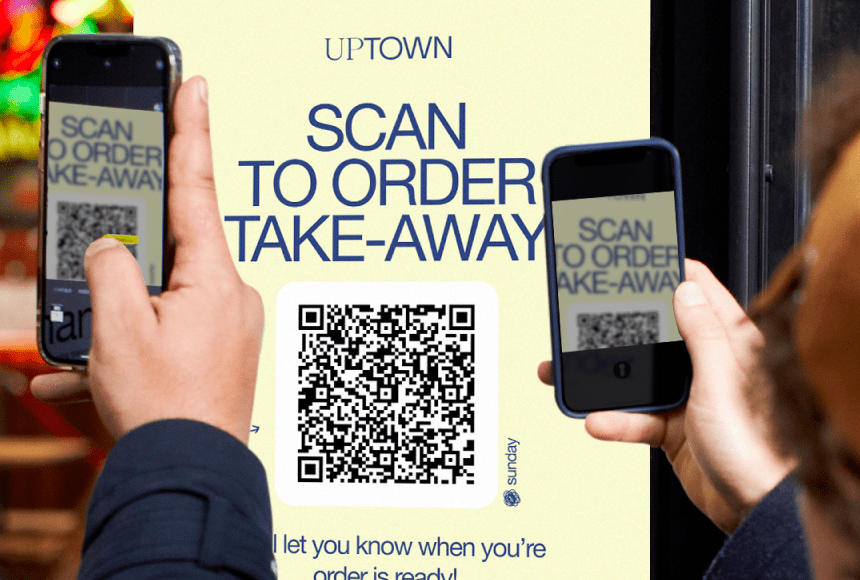
A platform like sunday fits seamlessly into your overall tech stack. By allowing customers to pay via QR code at pickup—and even leave a tip if they want to support the team—payment becomes frictionless. Staff can focus on what they do best: preparing top-notch food and offering real hospitality.
Reducing Unproductive Gaps: Real-World Example
Imagine a popular family diner, “Davis’s Kitchen,” which stays busy during weekend breakfasts but is oddly quiet mid-afternoon. They introduced a Click & Collect coffee and pastry deal from 2 p.m. to 4 p.m., offering a slight discount on coffee and bundling it with a fresh pastry. The result?
- They started filling those slow hours with frequent pickup orders.
- Kitchen staff remained active prepping pastries and coffee drinks, staying engaged in a manageable rhythm.
- As a bonus, some customers who picked up a pastry to eat later returned for dine-in brunch on the weekend.
A strategic approach to Click & Collect often creates extra synergy with your main service. If timed and managed right, you can generate a steady revenue flow in hours that were previously unprofitable or dull.
Balancing Efficiency and Culinary Identity
One concern is whether your Click & Collect service dilutes your unique restaurant appeal. Some owners worry that simplifying a menu or restricting off-premise hours might erode brand identity. But focusing on your strengths—for instance, a single high-quality dish or a signature sandwich—can reinforce your reputation and spotlight what you do best. You don’t need dozens of complicated items to shine in the to-go game. In fact, a pared-down approach can elevate your restaurant’s overall quality.
Tips to maintain your culinary ethos while being efficient:
- Stay consistent with core items: Showcase your star dishes if they are feasible for Click & Collect. People usually come to you for those, whether dining in or picking up.
- Mind packaging details: Ensure your packaging preserves the taste and texture of your signature dishes. Crisp items should remain crisp, sauces should not leak, and portion sizes should stay accurate.
- Promote your brand in pickup materials: Slip a small brand card or a thank-you note from the chef into each pickup order. A personal touch can go a long way in repeating that cozy, hospitable vibe.
Efficient Inventory Management to Avoid Surprises
No restaurant owner wants to run out of key ingredients or face wasted stock. The goal is to keep your kitchen active and well-prepared for dynamic volumes throughout the day. Shrewd inventory management is your friend.
Start with these steps:
- Track real-time usage: Use an inventory system that logs every online order. Keep an eye on consistent top sellers at each time of day.
- Set par levels strategically: If you see that certain items are always popular in mid-afternoon pickups, prepare enough in advance. But maintain a realistic ceiling to avoid spoilage.
- Enable automatic alerts: If your software supports it, set minimum thresholds so you or your chef receives an alert when certain ingredients drop below a preset level.
Strong inventory control ensures the kitchen is always primed to handle pickups, preventing last-minute scrambles or dreaded “Sorry, we’re out” messages to customers.
Crafting a Customer-Centric Journey
The best Click & Collect strategies make your customers’ lives easier. After all, the ideal scenario is for someone to quickly place an order, swing by the restaurant, pick up a ready-to-eat meal, and dash off—no confusion, no delays. To achieve this:
- Simplify online ordering: Keep the user interface intuitive with big buttons, a clear layout, and images for your most popular items.
- Offer real-time updates: Let them know if the order is being prepared, packaged, or ready for pickup. Many platforms do this automatically.
- Design clear pickup instructions: Make sure you have visible signage showing where to go for order pickup, and train your team to welcome customers promptly. For example, a dedicated “Click & Collect” sign at the entrance can help people find their way, even if they’re in a hurry.
- Encourage quick payment: With solutions like sunday, customers scan a QR code on-site or even pay online in advance, skipping the checkout line altogether. This eliminates friction and keeps your front-of-house staff from juggling cash or cards.
Building a smooth experience fosters repeat business. Many customers who love the ease of your pickup service may eventually decide to dine in, appreciating that you’re a trusted and well-managed place to eat.
Maintaining Staff Morale and Retention
It’s no secret that the restaurant industry has faced major staffing challenges. Click & Collect, if poorly managed, can be stressful. But if organized properly, it can actually help distribute tasks more evenly throughout the day, reducing high-pressure peaks. Your employees will appreciate that they’re not rushed off their feet at lunch, only to stand idle for two hours afterward.
Ways to keep staff morale high:
- Give credit: Acknowledge your team’s ongoing efforts, especially when they adapt quickly to new technology or tools.
- Offer flexible shifts: If afternoon pickup is predictable, schedule staff who prefer midday hours (e.g., students or part-time employees), making sure they have enough breaks.
- Provide training: Make sure the entire crew is comfortable with the system. If a line cook doesn’t understand how Click & Collect orders are displayed, confusion will result in delays or errors. Clear instructions keep everyone productive.
When staff feels valued and supported, they’re more likely to stay in the job and provide excellent service. Satisfied employees and happy guests go hand in hand, fueling better word-of-mouth and revenue growth.
Marketing Your Click & Collect Without Overdoing It
Once you get the logistical pieces in place, let customers know that you offer a frictionless pickup process—just don’t push it so hard that your kitchen becomes overrun. A measured marketing strategy can do wonders:
- Leverage social media: A simple post on Instagram or Facebook about a lunchtime special can attract a wave of new orders. Consider using subtle calls to action like “Order now for pickup!”
- In-restaurant signage: Remind dine-in customers that your Click & Collect service is available. They might come back to try it later, especially if they remain loyal fans of your cuisine.
- Google My Business listing: Update your hours and include “Pickup” or “Click & Collect” as part of your service offerings. Google My Business helps local patrons discover you easily.
- Promotions at the right time: If your goal is to alleviate midday emptiness, launch a “happy hour” style to-go special. Target the times you want more traffic, not your already busy dinner rush.
Keep an eye on order frequency. If the surge is too big, you might need to tighten your pickup windows or train more staff to handle the volume comfortably. You want robust demand, but not at the expense of consistency.
Retaining Customers After Pickup
Once a customer has picked up their first Click & Collect order and had a pleasant experience, you want them to become a loyal fan. Keep them coming back with little gestures:
- Thank you notes: Slip in a short note thanking your guest, and maybe add a cheeky mention like, “We hope your day is as sweet as our cheesecake!”
- Loyalty programs: Award points or stamps for every Click & Collect purchase. After a certain number, they earn a free side or dessert. People love seeing tangible rewards for frequent orders.
- Prompt feedback options: Ask for a quick review on Google if they enjoyed their meal. Positive online feedback boosts credibility and can attract more new customers. This is easy at pickup time when you can mention, “We’d appreciate any feedback on Google!” or include a QR code linking directly to your restaurant’s review page.
With a streamlined approach, many of these tasks can be automated—an email or a text after pick-up inviting them back or thanking them for their order. Balanced with the personal care from you and your staff, it makes the brand experience more memorable.
Using Data to Keep Improving
Relying on guesswork alone can lead to repeated mistakes. Data analytics takes a front seat when it comes to consistent improvements. Most modern online ordering platforms (including certain POS integrations) generate reports that show:
- Hourly order patterns: Pinpoint exactly when you get the biggest rush, so you can schedule staff effectively.
- Item popularity: Spot trends in your best-selling dishes, adjusting inventory and promotions accordingly.
- Time-to-completion: Identify bottlenecks in your prep process. Maybe the fryer station is the slowest; a second fryer could solve that.
- Customer demographics: Understand who’s ordering pickup, enabling more targeted promotions.
With these insights, you can continuously fine-tune your approach. If you see lulls at 3 p.m., maybe next month you launch a new snack or dessert special for that hour. If you have more demand than you expected at 6 p.m., expand your staff schedule or set narrower pickup windows to keep the kitchen comfortable.
Championing a Smooth Payment Process
Payment is often overlooked as a simple final step—but it can make or break a customer’s experience. Rely on a user-friendly system for digital payment that reinvents speed and convenience:
- Digital prepayment: Collect payments before pickup to remove friction. This also reduces the chance of no-shows.
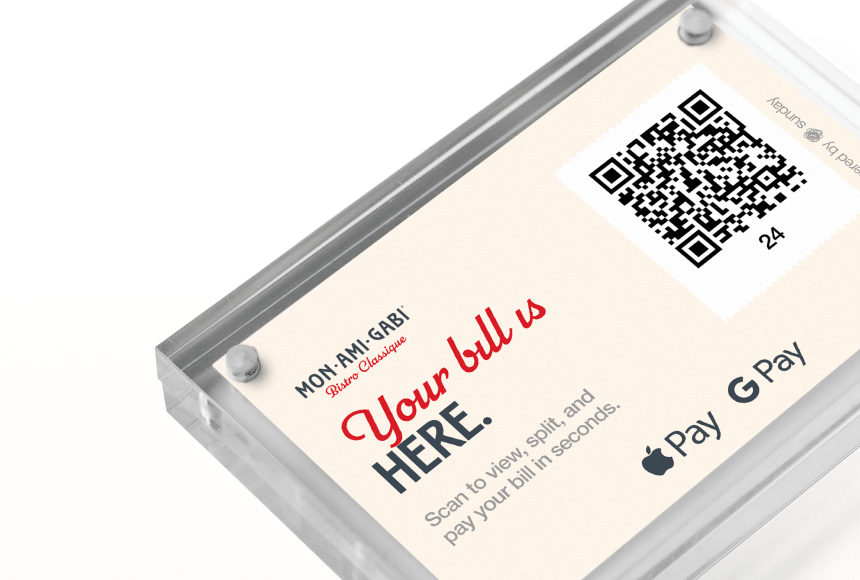
- QR codes at pickup: Let people scan and pay with their phone. A solution like sunday can handle the transaction in seconds, plus allow tips.
- Contactless options: Card dip or tap if needed, with minimal or no staff intervention—saving time for everyone.
The easier it is for guests to pay, the more likely they are to make repeated orders. Plus, your staff is freed from toggling between the kitchen, hostess stand, and an old-school cash register. With modern tools, transactions can be completed anywhere, from the pickup station to curbside service.
Emphasizing Hygiene and Food Safety
All the scheduling and packaging in the world won’t help if your customers feel uneasy about food safety. This was brought into sharp focus by recent health concerns and changing consumer habits. Build trust by going beyond the basics:
- Clear labeling: Mark each package with names of the dishes and highlight any allergens or reheating instructions if necessary.
- Safe packaging practices: Ensure every container is sealed properly. For some items, tamper-proof seals can give customers extra peace of mind.
- Staff hygiene protocols: Keep consistent cleaning routines, wear gloves when packaging, and store prepared items at proper temperatures until pickup time.
When you communicate your safety measures to customers—even with a friendly sign near the pickup area—they know you care about their well-being. Thorough food safety is also vital to preserving your brand reputation.
Maximizing Upsells and Cross-Sells
Click & Collect orders can be prime opportunities to suggest tempting add-ons, provided you’re not too pushy about it. If a customer is grabbing a sandwich, they might appreciate an offer of a side salad or dessert:
- Pre-checkout suggestions: Before they finalize the online order, present them with popular add-ons. “How about a molten chocolate brownie for just $3 more?”
- Bundle deals: Combine items that naturally go together, such as tacos and a side of guacamole. It’s easy, and it increases the average check.
- Daily or weekly rotating specials: Feature a surprise side dish or seasonal beverage. Dynamic offers can increase excitement for repeat customers who always look for “What’s new this week?”
Restaurants that thoughtfully use upselling see a considerable bump in daily revenue. Focus on items that are quick to prepare and complement the main dish. This approach can help maintain a smooth kitchen workflow while boosting incremental sales.
Challenges and Future Outlook
Click & Collect will continue to expand in the modern dining landscape. New technologies such as AI-driven order forecasting or robotic cooking stations may shape the future. But for most restaurants—including small independents—success is rooted in carefully balancing the offline and online experiences. Key challenges might be:
- Periodic disruptions: An unexpected daily special might cause a spike in orders that your staff wasn’t prepared for.
- Staying consistent: Maintaining the same high-quality flavors for both dine-in and to-go items requires discipline.
- Keeping up with rising costs: Supply chain fluctuations can alter your margins, making it harder to plan inventory for to-go segments.
Adaptability, backed by data and real-world feedback, remains essential. The more you track performance and ask for constructive input from staff and customers, the stronger your Click & Collect program will become.
FAQ
How do I decide which items from my menu should be available for Click & Collect?
Prioritize dishes that hold up well during transport and can be prepared efficiently. Avoid options that demand intricate plating or extended cook times that could delay pickups. Choose items that represent your restaurant’s signature tastes without creating bottlenecks.
What if I get too many orders at once and my kitchen can’t handle the volume?
Implement a scheduling system that caps orders per time slot. During peak periods, nudge customers to choose a later pickup time or offer small discounts for off-peak windows. This helps maintain a steady workflow and reduces stress on your team.
How can technology help prevent downtime?
Modern integrated POS and Click & Collect platforms, like those that automatically manage capacity and pickup windows, can streamline operations. They give your team live updates on order volume, helping you allocate resources more effectively throughout the day. Advanced payment solutions, such as sunday, speed up transactions and free your staff from manual tasks, reducing idle moments.
What’s the best way to handle payment for Click & Collect orders?
Encourage digital prepayment so customers can simply show up and grab their orders. If they haven’t paid in advance, use contactless methods (like QR code payments) to shorten wait times. This quick process benefits customers in a hurry and helps your staff focus on food prep rather than juggling cash or credit cards.
Why is staff training important for Click & Collect?
Employees should know exactly how online orders appear in the system, who’s responsible for handling them, and where to place completed orders. When the team is aligned, mistakes and delays are less likely. Quick huddles before each shift and detailed training sessions keep everyone on the same page and optimize efficiency.


 1min
1min
 1min
1min