When Favorites Disappear: How to Adapt Your Restaurant Menu in Real Time
A Slice of Simplicity: Keeping Pace When Your Best Dish Vanishes
It’s a busy holiday weekend, and everyone’s craving a slice of your famous pumpkin pie—until you run out. We’ve all experienced the collective sigh that follows the phrase “Sold out!” But what if instead of leaving “Pumpkin Pie” on the menu and disappointing guests table after table, vous could remove it from the menu in seconds? That’s the beauty of a digital menu system. Today, more restaurant owners in the United States are embracing real-time menu updates to keep customers happy and streamline operations.
When a best-selling item suddenly disappears, frustration can trickle down through your entire team: servers must explain the shortage repeatedly, the kitchen deals with confused orders, and customers feel let down. Leveraging digital solutions ensures quick updates that remove outdated items and keep diners informed. No more scribbling on printed menus or apologizing for oversights. With just a few clicks, your menu can reflect exactly what’s in stock—and when you restock your popular dish, you can add it back instantly.
Why Real-Time Updates Matter
In an industry where rapid changes are part of the daily special, agility has become a competitive advantage. Whether an oven suddenly stops working or your local supplier is delayed, unpredicted factors can disrupt even the most carefully planned menu. So how do real-time menu updates help votre restaurant stay a step ahead?
- Immediate Clarity: By quickly removing items that are out of stock, vous prevent customers from ordering something you can’t serve, saving time and disappointment.
- Employee Efficiency: Servers and kitchen staff can focus on doing what they do best—delivering great hospitality—instead of constantly juggling last-minute changes.
- Customer Trust: Diners appreciate honesty and transparency. A seamless, updated menu tells them you respect their time and taste buds.
- Reduced Waste: Instead of reprinting menus or throwing away old versions, digital platforms let vous make updates instantly, cutting down on paper waste.
A study by the National Restaurant Association (source) highlights that technology-driven convenience plays a pivotal role in modern dining experiences. Utilizing real-time menu management is increasingly becoming a standard, not just a “nice-to-have.”
Meet Chef Tony’s Diner: A Real-World Case Study
Chef Tony’s Diner is a popular neighborhood spot. They’re known for local favorites, fresh ingredients, and above all, a truly seasonal menu. On any given day, they might serve up harvest-inspired soups, farm-fresh salads, and yes—pumpkin pie. But with dishes that depend on daily produce deliveries, they found themselves constantly crossing items off the menu when deliveries ran short.
Frustrated with apologizing to disappointed customers, Chef Tony’s team decided to embrace digital menu solutions. By switching to a platform that lets them make instant changes, they saved hours of server explanations—and boosted their table turnover rate. An added bonus? Guests get excited when Chef Tony announces on social media that a seasonal dish is back in stock; the digital menu updates connect instantly, so nobody misses a beat.
The Nuts and Bolts: What Makes Real-Time Menu Updates Possible?
Transitioning your menu from paper to digital calls for a few essential elements. While every restaurant is unique, certain core components can help vous achieve seamless updates:
- Integrated Point of Sale (POS) System: Your POS should seamlessly communicate with your digital menu. When you mark an item as out of stock, it should automatically remove or “unpublish” that item.
- Easy-to-Use Menu Management Dashboard: Restaurant owners and managers need a clear, user-friendly interface to make updates quickly. Avoid cluttered dashboards that require multiple steps to change a single dish.
- Wi-Fi or Reliable Connectivity: A stable internet connection is essential for real-time synchronization. No more delays between your internal adjustments and what customers see at the table.
- Staff Training and Communication: The technology won’t work if your team doesn’t know how to use it. Make sure vous conduct a quick training session to walk them through basic updates.
Be sure to shop around and find the best fit for votre restaurant’s size and concept. According to a survey by Restaurant Dive, nearly 78% of diners say technology drives convenience in their dining experiences. Ensuring a robust digital backbone protects you from the pitfalls of unexpected out-of-stock issues.
Digital Menus: Features Worth Considering
Before signing up for any service, make a checklist of must-have features. After all, not every digital menu solution is created equal. Here are some features to prioritize:
- Instant Update Capability: Can vous remove or add menu items in real time with just a few clicks?
- Allergen Information: A flexible system allows you to highlight potential allergens or dietary specifics, which is crucial for many customers.
- Interactive Elements: Some solutions permit photos, ingredient breakdowns, or promotional banners inside the digital menu.
- Mobile-Readiness: The menu must be mobile-friendly since most customers will view it on their smartphones.
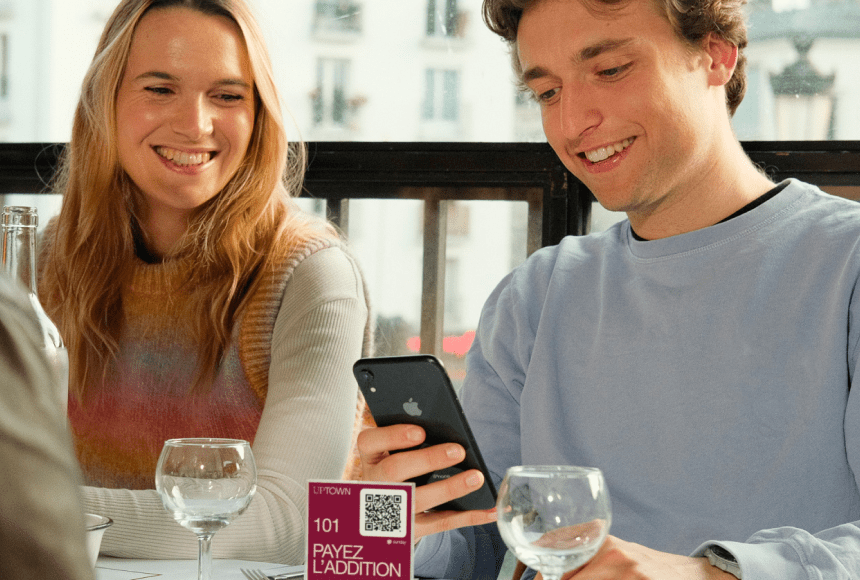
- Integration with Payment Solutions: A bonus is if customers can pay instantly from the same interface. Some solutions, such as sunday, let diners pay via a simple QR code. They can even leave tips or post a quick Google review once they’re done dining—directly from their phone.
The more cohesive your technology, the fewer headaches you’ll have. Ideally, the digital menu platform synchronizes with your existing systems so there’s no manual duplication. A well-chosen solution simplifies everything from daily edits to analyzing which dishes are performing best.
Can Digital Menus Boost Your Bottom Line?
Absolutely. Real-time menu management isn’t just about preventing headaches when vous run out of ingredients. It can also drive up profits. Consider these financial perks:
- Upselling Opportunities: Digital menus often let you highlight featured items. If you run out of one dish, why not position another special in its place?
- Reduced Printing Costs: No more last-minute printing runs or wasted paper. Switching to digital can save hundreds, if not thousands, of dollars annually, particularly if you change your menu often.
- Enhanced Customer Satisfaction: Satisfied diners are more likely to come back—and tell their friends. By removing the friction of out-of-date menus, you cultivate a more positive brand image.
- Informed Menu Decisions: With digital analytics, you can spot trends, see what’s selling or lingering, and pivot quickly. This data helps make better purchasing and pricing decisions.
For Chef Tony’s Diner, the shift to digital menus meant 20% fewer customer complaints related to unavailable items within the first month. They also saw more guests experimenting with featured dishes, thanks to attention-grabbing images and special highlights on their digital menu board.
Serving Up Transparency and Trust
Have you noticed how quickly negative experiences spread online? In an age of instant reviews, you want to minimize frustrations that might lead to one-star ratings. When vous’re upfront about availability, customers feel respected. Instead of scanning a list of empty promises, they see exactly what’s ready to be enjoyed.
Digital menus give you an edge with transparency. Imagine featuring real-time stock counts and daily specials that come and go according to supply. Diners who see the menu on their phone trust that the information is accurate and up to date. That’s a small but valuable competitive advantage. And once a guest finishes their meal, you can even make it easy for them to leave a Google review right from their seat—this level of integrated convenience can quickly elevate your online reputation.
How to Introduce the Concept to Your Audience
Your customers might love paper menus. After all, some diners enjoy turning pages. But there are plenty of ways to keep that warm human feel while transitioning to digital. Here are a few tips for a smooth rollout:
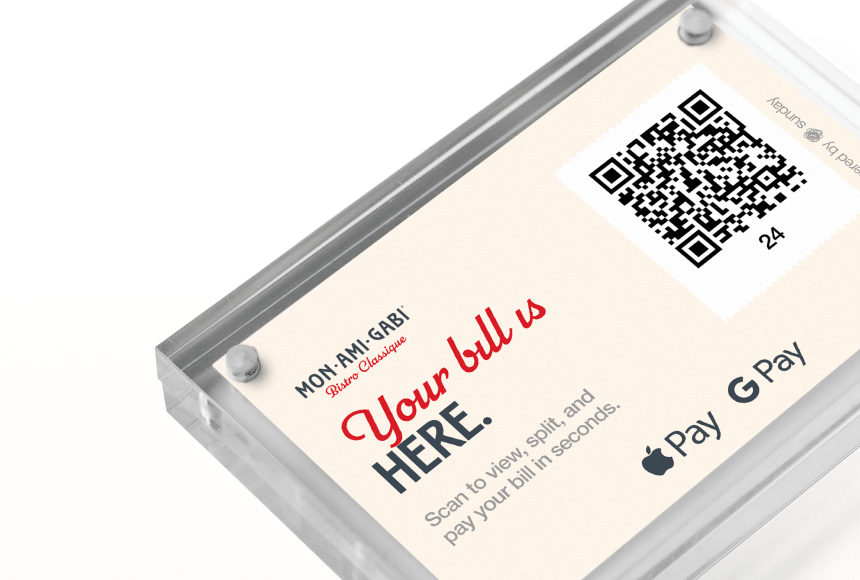
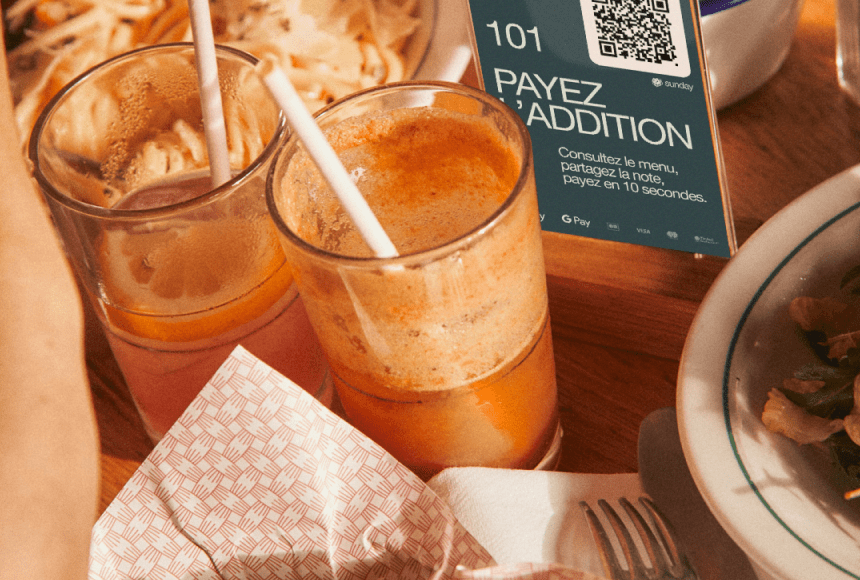
- Make It Visible: Place QR codes on table tents or display them on small stands near condiments. Keep it simple, with clear instructions to scan for the latest menu.
- Offer Paper as a Backup: During the transition, keep a small stash of paper menus for those who dislike or struggle with digital. This shows vous’re inclusive and prepared.
- Highlight the Benefits: Let guests know they’ll always see accurate, seasonal dishes. Emphasize that the digital menu is better for the environment (less paper waste).
- Train Staff to Assist: Encourage your servers to step in and offer help if customers seem hesitant or confused. A warm, inviting attitude goes a long way toward winning acceptance.
You might worry about losing the classic restaurant “feel,” but remember: technology shouldn’t be a barrier—it should be a tool. If you choose a platform that’s easy and intuitive, you reduce friction and keep the experience personal.
What About Internet Outages?
No system is 100% foolproof, and the occasional Wi-Fi hiccup is bound to happen. That’s why it’s wise to have a backup plan in place. Consider storing a local copy of your menu on a tablet or device so vous can continue service even if the internet briefly goes down. If your POS system also supports offline modes for order-taking, you can help ensure a smooth meal service. Remember, the goal isn’t to eliminate paper menus entirely if that feels risky; it’s to make your menu more flexible and responsive to real-time circumstances.
A Quick Glance: Paper vs. Digital
|
Paper Menu |
Digital Menu |
| Update Speed |
Requires reprinting or manual edits |
Instant changes, updated in real time |
| Cost |
Printing, design, reprints add up |
Platform fees, but minimal printing |
| Customer Access |
Physical copy only |
Accessible via QR code or a link |
| Environmental Impact |
Potentially high paper waste |
Reducible carbon footprint |
| Allergen & Dietary Info |
Limited space for details |
Flexible, expandable information |
It’s not that one format is inherently better than the other; it’s about maximizing efficiency. If you rely on seasonal produce or market-dependent pricing, a digital interface can be a game changer.
Combining Digital Payments and Digital Menus
Why stop with just a digital menu? More and more restaurants are integrating digital payment solutions, offering a complete experience. Consider how a solution like sunday (always lowercase) ties it all together:
- Customers scan a unique QR code at their table to open the menu.
- When they’re ready to pay, they finalize the transaction on the same platform—no waiting for a server to swipe their card on the payment terminal.
- They can add a tip or even post a Google review straight from their phone.
This fluid experience can boost table turnover and enhance guest satisfaction. The days of waving frantically at staff for the check are gone. Instead, your diners control the pace of their meal. And when vous restock that famous pumpkin pie mid-service? It’s only a toggle away from being live on the menu again—customers can see it, order it, and pay with no delays.
Empowering Staff: The Human Touch in a Digital World
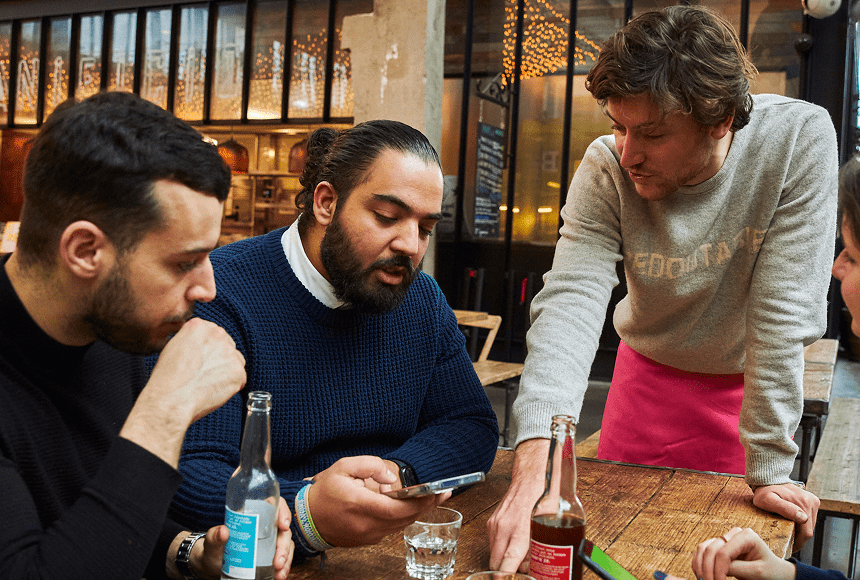
While it’s important to highlight the technological advantages, don’t forget that your staff provides a personal connection. Regardless of how advanced your digital infrastructure is, your servers remain vital. They are the ones who greet guests with a smile, recommend pairings, and share Chef Tony’s story.
- Staff as Guides: Restaurants that successfully combine digital menus with strong interpersonal service often thrive. Servers can point out new or seasonal dishes, then show guests how to view details on their phone.
- Saving Time: By offloading repetitive menu explanations, staff can spend more quality time talking about ingredients, cooking techniques, and personal preferences.
- Less Stress: Your team won’t have to memorize last-minute menu changes. They can focus on creating memorable moments for diners.
A well-trained staff that’s enthusiastic about your digital menu will heighten the overall dining experience and encourage repeat visits.
Planning for the Holidays—and Beyond
Seasonal spikes—like a craving for pumpkin pie in the fall—illustrate exactly why real-time menu updates matter. But the benefit extends year-round. From summer’s fresh produce to winter’s warming soups, votre menu can stay fresh and relevant every month. Some owners plan seasonal rollouts with digital placeholders for upcoming limited-time offers, shifting them to “live” status at the perfect moment.
If you manage a larger establishment or a group of restaurants, you might have even more frequent menu changes, especially if each location’s stock varies. A centralized dashboard can keep you ahead of the game, ensuring each location’s menu accurately reflects availability.
Troubleshooting and Continuous Improvement
Adopting a digital menu is not a one-and-done deal. It’s a process of experimentation and improvement. Here’s how to keep optimizing:
- Track Engagement: Many digital platforms let vous see how many diners view each item. Use this to figure out which dishes spark interest and which you might phase out.
- Collect Feedback: Encourage guests to share their thoughts. If certain descriptions are unclear, revise them. If people love a certain photo, add more visuals.
- Evaluate Pricing and Profits: Real-time updates also make it easier to trial new prices. Gauge customer response, then revert if necessary—without printing a new batch of menus.
- Keep the Human Element Alive: Balance automation with personal touches. Incorporate short, warm descriptions that speak to your brand’s personality, or share mini stories about the dish’s origin.
As the leader in your restaurant, foster a culture of adaptability. The industry evolves constantly, and so should your approach to tech adoption. By reviewing each menu update’s impact, you maintain a cycle of continuous learning that benefits both vous and your diners.
Beyond Pumpkin Pie: A Future of Flexibility
Nobody wants to see the phrase “Sold out!” on a beloved dish. Worse still, nobody wants a table of disappointed guests who flip through a paper menu only to find the item they really wanted is gone. By taking advantage of digital solutions, you create a flexible environment where running out of an ingredient doesn’t mean letting diners down—it just means adjusting on the fly and encouraging guests to try another delicious option.
Chef Tony’s Diner demonstrates that an immediate switch to digital can yield real advantages. Their staff is more confident, their customers feel informed, and the operation runs smoother overall. Even the occasional Wi-Fi drop doesn’t scare them, because they know they have quick-fix solutions and a supportive team behind the technology.
This approach resonates with an American audience increasingly accustomed to real-time updates in every part of life. Food delivery apps, ridesharing, online shopping—everything moves quickly and is updated instantly. By meeting diners where they are, vous position yourself as a modern, efficient, and reliable choice amid stiff competition. In the end, these changes not only improve your revenue but also enrich the entire dining experience.
Frequently Asked Questions
Do I need to toss all my paper menus?
Not necessarily. A balanced approach can work wonders. You can offer a small number of paper menus for those who prefer them, while your primary menu lives digitally. Over time, you might phase out paper as you see customers adapting successfully.
How quickly can I switch to a digital menu?
It depends on the provider and the complexity of votre restaurant. Some platforms can be set up in a matter of days, especially if you have a clear menu structure and good connectivity. It’s best to allocate time for staff training before going live.
What if my customers aren’t tech-savvy?
Keep it simple. Provide clear instructions on how to access the menu, and train your staff to offer hands-on assistance. Good design and QR codes that link directly to your menu can make the process nearly foolproof—diners just need to point their smartphone camera, and voilà!
Will real-time updates confuse my kitchen staff?
On the contrary, most kitchens prefer receiving accurate orders instead of unexpected items they can’t fulfill. Just make sure your POS system communicates with the kitchen display in real time, and train everyone on how updates are managed.
Can digital menus handle promotions or loyalty programs?
Yes. Many platforms offer options to feature special deals, highlight combo offers, or even run loyalty programs. This is a great way to encourage repeat business and make your digital menu a central hub of your marketing strategy.
Is it expensive to maintain a digital menu?
The cost varies by platform and features, but you often recover expenses in saved printing costs, reduced waste, and faster table turnover. Look for a solution that offers a transparent monthly fee rather than hidden charges. Over time, many restaurant owners find that the benefits outweigh the recurring costs.
How can I get diners to leave a review?
Remind them gently at the end of their meal. If you’re using a service like sunday, for instance, they can pay straight from the digital menu interface and might receive a prompt to leave a Google review. Keep it friendly and never pushy.
Do I lose any branding opportunities without printed menus?
Not at all. A well-designed digital menu can reinforce votre brand identity. You can use your logo, color palette, and style elements. Some platforms even support personalized backgrounds or rotating images to create a unique visual experience. Think of it as your restaurant’s story on a glowing canvas—ready to engage your guests.


 1min
1min
 1min
1min