Real-Time Menu Updates: Keep Your Guests Happy Even When Ingredients Run Out
Picture This: The Last Slice of Pumpkin Pie… Gone
Imagine it’s one of the busiest afternoons of the season. The lunch rush has just ended, and the dinner crowd is on its way. Suddenly, you realize you’ve served the very last slice of your famous pumpkin pie—a best-selling dessert item you’ve proudly displayed on your menu for months. Guests continue to arrive, eager to experience that warm autumn flavor, only to discover you’re completely out of stock. They feel disappointed. Your staff scrambles to explain. Meanwhile, you lose time—and potential sales—while trying to guide them toward alternative desserts.
Sound familiar? Many restaurant owners have been there. Running out of a menu item isn’t uncommon, especially during peak seasons or unexpected surges in demand. But the real challenge begins when you’re forced to let your guests know—sometimes awkwardly—that their favorite dish or dessert is no longer available. That’s where instant menu updates via digital solutions can save the day.
The Need for Speed in Modern F&B Operations
Whether you run a small independent bistro or manage multiple restaurants under one brand, your ability to respond quickly to shifting inventory is essential for profitability and reputation. Traditional chalkboards or printed menus might have been fine in the past, but they lack immediate flexibility. Sudden ingredient shortages, last-minute supplier issues, or even unexpected surges in customer interest can leave your staff juggling multiple “We’re out of that item” apologies in a single service.
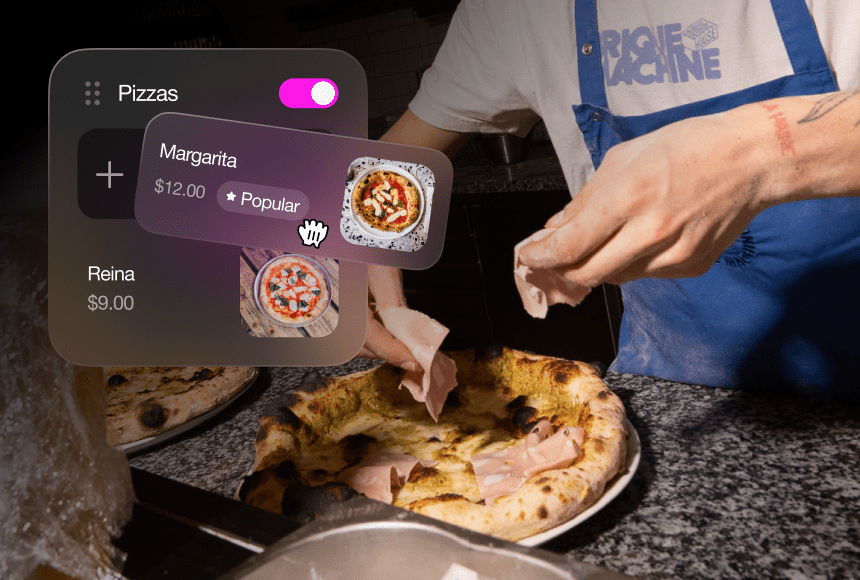
In today’s fast-paced food and beverage world, updating your diners in real time can feel like a superpower. Picture yourself quickly swapping out the sold-out pumpkin pie for a newly introduced tiramisu special on your digital menu. In seconds, your guests see the new offering right on their phones or digital displays, with zero confusion or disappointment. It’s a game-changer that boosts both efficiency and guest satisfaction.
Why Digital Menus Are a Smart Investment
Before we dive deeper, let’s clarify why digital menus are becoming a staple in the restaurant industry. According to the National Restaurant Association, a growing number of restaurants are integrating technology solutions to address challenges like rising costs, labor shortages, and increasing guest expectations. Digital menus fit neatly into this trend, providing an agile tool for menu management, customer communication, and brand image.
Here are a few reasons why investing in digital menus can pay off:
- Rapid updates: No more awkwardly crossing out items with a pen or explaining that you’re out of pumpkin pie. With a digital interface, you can remove a sold-out dish from the menu—or highlight a new one—in real time.
- Accurate pricing: Price fluctuations due to seasonal ingredients or inflation can be managed seamlessly, ensuring that every menu change reflects your costs and margins.
- Enhanced branding: Modern menus can showcase professional images, videos, or creative descriptions that match your restaurant’s aesthetic, all while saving the cost of reprinting.
- Better data insights: Many digital solutions allow you to track which menu items are popular or seldom ordered, letting you refine your offerings for optimal profit.
- Improved guest experience: With digital ordering, guests can see portion sizes, allergen details, and recommended pairings, making their decision process easier and more enjoyable.
Fewer Apologies, Better Reviews
In an era where online reviews can make or break a restaurant’s reputation, being proactive about menu changes positively impacts customer feedback. Rather than hearing, “Sorry, we’ve run out,” customers can discover what’s currently available before they even place an order. When they see an updated menu that’s always accurate, they’re more likely to trust your service.
Better yet, if you use integrated solutions (like a QR code system that allows immediate payment and feedback), you could encourage guests to leave a positive Google review right on the spot. By ensuring a smooth experience through every step—menu browsing, ordering, payment, and feedback—you’re taking a holistic approach to hospitality that resonates with today’s digitally inclined guests.
All About Real-Time Updates: How Does It Work?
If you’re intrigued by the concept of real-time digital menu updates, you may be wondering: how does it actually work? While the back-end specifics can vary based on your chosen platform, most systems follow a similar three-step process:
- Inventory monitoring: You keep track of key ingredients through your point-of-sale (POS) system or a compatible inventory tracking tool. The moment your supply of a certain dish falls below a predefined threshold, the system flags an alert.
- Instant menu modification: With a few clicks, you remove the out-of-stock item or add a new special. If your restaurant uses tablets or QR codes for ordering, the updated menu is instantly reflected.
- Immediate guest notification: As soon as the menu refreshes, your guests see the current offerings. Transparent communication fosters a positive experience, saves your staff from constant apologies, and reduces friction at the table.
Essentially, technology bridges the gap between your kitchen reality (what’s available) and the guest’s expectation (what they see on the menu), allowing them to align seamlessly in real time.
Making the Switch to Digital: Key Considerations
Before leaping into digital menu solutions, take a moment to consider a few practical points. Every restaurant is different, so your approach should suit your current operational needs and future goals.
Here are some factors to explore:
- Hardware requirements: Some digital solutions require tablets or screens at each table, while others rely on guests using their own smartphones to scan a QR code. Determine which hardware setup fits your budget and your dining environment.
- Integration with existing systems: Ideally, your digital menu will sync with your POS and payment platform to keep data consolidated. This means less manual entry for your staff and more accurate tracking of every order.
- Customization options: A sleek digital menu is only valuable if it actually reflects your brand. Look for a platform that allows personalized design, from color schemes to photos, in order to present the unique essence of your restaurant.
- Guest adoption: Comfort with technology varies. Some diners will seamlessly adapt to scanning a QR code, while others might prefer a traditional menu. Consider providing both options during your transition period to accommodate all guests.
- Ongoing support: From software updates to potential troubleshooting, make sure you have a reliable support system in place. You don’t want your digital menu going offline during peak service times.
Protect Your Margins with Efficient Menu Updates
Profit margins in the restaurant industry can be razor-thin, particularly when ingredient costs fluctuate. Digital menus offer a reliable way to adjust pricing on the go. Did the price of avocados spike overnight, drastically affecting your cost for guacamole? You can update the price of your avocado dishes quickly, or consider highlighting a seasonal special that uses more cost-effective ingredients.
This level of agility can be a lifeline, especially for independent and medium-sized establishments. By carefully tracking costs and making quick decisions to reflect new supplier rates, you can maintain your desired margins while ensuring that guests aren’t shocked by menu inconsistencies. Transparency is key when it comes to updates: a short note or a quick pop-up explaining why a price changed can keep customers on your side.
Keep Your Staff in the Loop, Too
Another often overlooked benefit of real-time menu updates is the impact on your staff. When the front-of-house team knows exactly which items are available—and any special promotions currently running—they can communicate more confidently with guests. This eliminates the frustrating scenario where a server only learns about a stock-out after the guest has already asked for it.
Digital menu systems can also come with team notifications. For instance, a system might push a quick update to servers’ handheld devices or to a shared screen in the kitchen. Just like that, everyone is on the same page without extra meetings or scrawled notes taped to the wall. Better communication means fewer mistakes and happier guests.
How a Restaurant Payment Solution Fits In
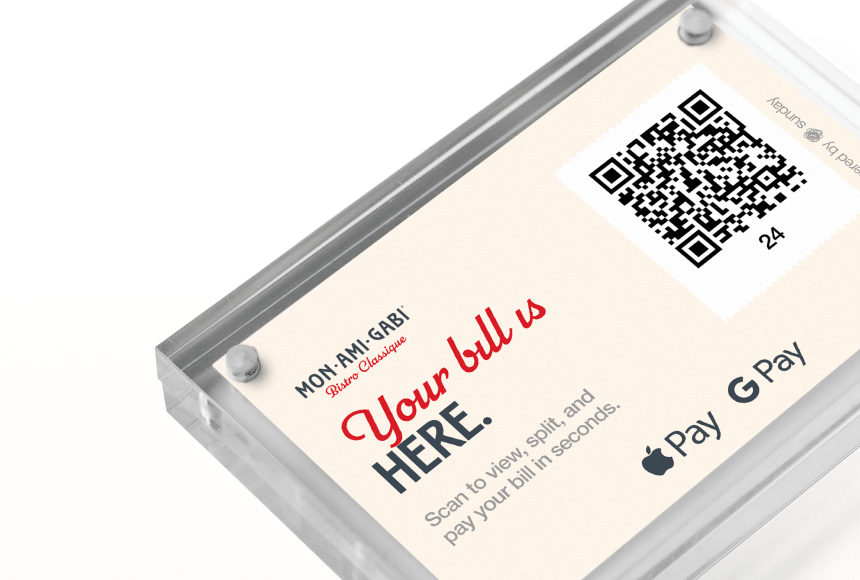
When paired with a well-structured digital menu, a streamlined payment experience can multiply the benefits. For instance, using a QR code payment solution such as sunday eliminates the time spent waiting for the check or for a card payment terminal. Instead, guests can review the total, split the bill if desired, and leave a tip directly on their own device. This kind of technology upgrade can lower labor costs, speed up table turnover, and boost tips due to the quick and convenient checkout process.
Moreover, combining menu transparency with a fast checkout flow often leads to higher guest satisfaction. Think about it: if your guests want to add dessert at the last minute, they can see in seconds whether that dessert is still in stock. With a single tap, they add it to their order—and pay. No need to flag down a server or find out halfway through that the item isn’t available. This synergy between digital menus and modern payment platforms elevates the entire dining experience.
Is a Digital Menu Right for Every Restaurant?
It’s natural to wonder if certain dining concepts might be better suited for digital menus than others. Truth is, the style and format can be adapted for nearly any cuisine or service model. High-end restaurants can use digital menus with elegant designs, while fast-casual spots can keep it simple with quick-serve convenience.
In fact, the future is looking increasingly tech-savvy across the industry. A QSR Magazine article noted that many patrons now expect some level of digital engagement. Whether that’s contactless payment options, online reservations, or QR code menus, your guests may already be seeking these conveniences.
But a transition doesn’t mean you have to go fully digital overnight. Many restaurants opt for a hybrid approach—offering both physical menus and digital versions. Over time, an increasing number of your guests may opt for the digital experience, especially if it remains consistently updated and user-friendly.
Tips for a Smooth Digital Menu Transition
If you’re thinking about making the switch, here are a few practical pointers to ease the transition:
- Start with a pilot: Begin by testing digital menus during off-peak hours, or in one section of your dining area. Gather feedback from both staff and guests before rolling out restaurant-wide.
- Train your team: Ensure your staff knows how to quickly update the digital menu and navigate any new payment solution features. The more confident they feel, the better they can assist guests.
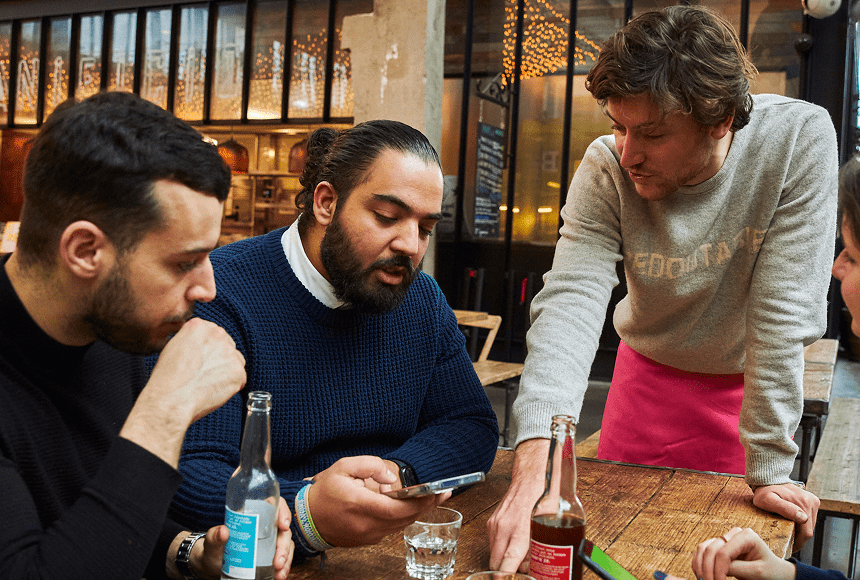
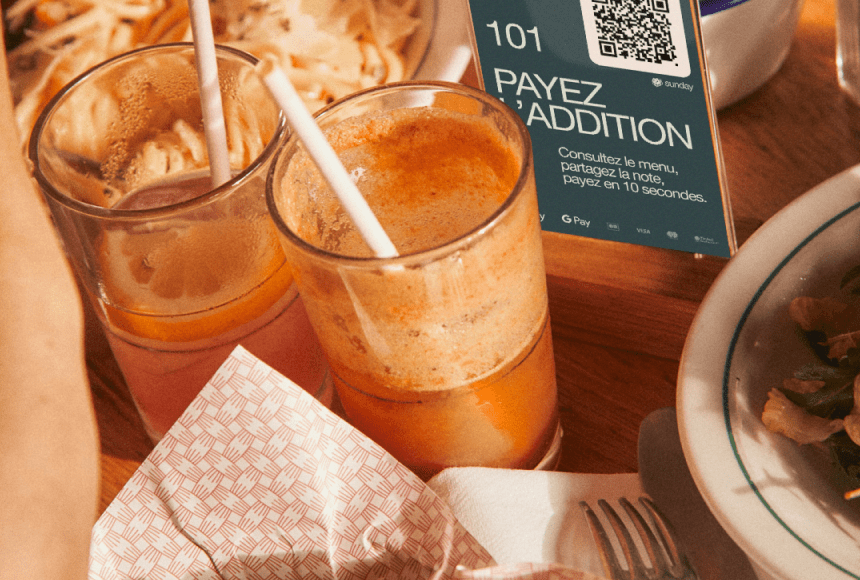
- Promote awareness: Some diners might not notice the QR code at first. Consider placing a small table sign or instructing Servers to point it out when greeting the table.
- Highlight benefits: If customers are hesitant to adopt a new way of ordering, let them know—and show them—the advantages: real-time menu accuracy, faster checkouts, and direct tip options. A quick explanation can go a long way.
- Invite feedback: Guests appreciate being heard. Ask them what they think of the digital menu, and keep refining the experience. You’ll likely earn goodwill through open communication.
Overcoming Resistance: The Human Factor
While younger guests may have no issue diving right into digital ordering, you may encounter some resistance from those who prefer the tactile feel of a printed menu. A supportive approach is key:
- Offer both options: At least during a transition period, have a few paper menus on hand. Let guests decide which they prefer.
- Provide a quick tutorial: Some might be apprehensive simply because they don’t know how to access the digital menu or how to handle contactless payments. A polite, respectful introduction can make a world of difference.
- Check in often: Encourage your Servers to remain attentive and offer guidance when a guest seems unsure about navigating the digital platform.
Over time, as more consumers become comfortable with technology in restaurants and as staff gain confidence, you’ll likely see a shift. The key is to remain patient, adaptable, and focused on improving the overall dining experience.
Enhance the Dining Experience with Strategic Recommendations
One of the overlooked perks of digital menus is the opportunity for suggestive selling—and not in a pushy way. By using visuals and brief descriptions, you can showcase a featured cocktail, a best-selling appetizer, or a chef’s favorite entrée. And when your servers back it up with their personal touch, the guest gets the best of both worlds: instant, eye-catching info plus genuine hospitality.
The same applies to dessert suggestions. If you introduce a new seasonal pie to replace the sold-out pumpkin pie, your digital menu can highlight it with a “NEW” label. You might even display a mouthwatering photo. It’s an easy yet effective way to redirect customers toward the items you want to promote. This can significantly increase your sales of high-margin dishes, especially when they’re visually appealing and well-placed on a digital menu.
Case Study: Sweet Seasons Bistro’s Quick Transformation
Let’s take a hypothetical example of Sweet Seasons Bistro, a family-owned restaurant famous for its holiday-themed desserts. Year after year, they faced the same challenge: once in-season produce was gone, certain menu items would run out quickly. Guests would arrive, expecting a signature dessert or cocktail, only to find out that it wasn’t available.
After implementing a digital menu solution:
- They linked their inventory system to the menu platform, so each time an item’s stock was near depletion, the item was tagged as “limited quantity” or temporarily removed once it sold out.
- The staff gained the ability to quickly add new specials when ingredients needed to be used before expiry, preventing waste and boosting sales of fresh items.
- Guest satisfaction improved due to accurate, visually appealing menu listings. Feedback forms showed fewer complaints and more mentions of the restaurant’s “innovative style.”
- They integrated a contactless payment solution, so customers could pay directly at the table by scanning a QR code. This reduced wait times and increased table turnover—ultimately boosting daily revenue.
Now, Sweet Seasons Bistro is expanding the digital approach to brunch items and signature cocktails. Their story highlights the tangible benefits of immediate menu updates, which can be replicated by restaurants of any size.
Implementing Digital Menus on a Tight Budget
If your concern is cost, don’t worry—digital transformations don’t have to break the bank. While some high-end solutions involve custom tablets or sophisticated menu boards, more affordable options exist:
- QR Code-based menus: Many digital providers offer simple ways to upload your menu online, generate a QR code, and allow guests to view it on their smartphones. This requires minimal hardware—just the code and stable internet access.
- Leasing equipment: Instead of purchasing tablets or screens outright, consider a leasing option. Spread out costs and upgrade hardware as technology evolves.
- Multi-venue deals: If you operate several outlets, you might negotiate volume discounts or find bundle deals that reduce overall costs per location.
- Scalable software: Start with core features—like basic menu updates and ordering—and add extras (like real-time inventory sync or integrated marketing tools) when your budget allows. Many software providers offer tiered pricing models.
Ultimately, the biggest expense may be the time you invest in training staff and adapting processes. But once your team masters the system, you’ll find the operational savings, increased customer satisfaction, and potential for higher sales more than justify the initial expense.
Beyond the Menu: Building Loyalty and Driving Repeat Business
When your digital menu is seamlessly aligned with a contactless payment solution, a few key benefits emerge:
- Faster table turnover: Guests can settle their bill right away, freeing up tables more quickly.
- Immediate feedback options: Some systems prompt diners to rate their experience or leave a quick review. When the experience is fresh in their minds—and easy to share—guests are more likely to give positive feedback.
- Loyalty incentives: You can offer discounts, birthday rewards, or other perks through the same digital platform. This keeps customers coming back.
Each of these features encourages a cycle of happy customers who return more often—and bring friends. It’s not simply about convenience; it’s about building a relationship with people through thoughtful, efficient service.
When Seasonal Menus Matter
Seasonal dining experiences are often what set certain restaurants apart. You may rely heavily on fresh, locally sourced produce that’s only available certain months of the year. In this scenario, a digital menu shines even brighter. Why?
- Quick pivots: As soon as pumpkins are out of season, for example, it’s time to pivot to apple crisps or gingerbread treats. Digital updates let you switch menus instantly without printing costs or delays.
- Storytelling: Including a short note about local farms or seasonal festivities can elevate your guests’ experience. It adds a personal touch that resonates with foodies who value a connection to their meal.
- Limited-time offers: Scarcity can drive sales. It’s easier to promote a “limited batch spice latte” when you can highlight real-time availability. Guests feel the excitement of catching something special before it’s gone.
By incorporating these strategies, you’re adding depth to your menu and making sure your restaurant stands out. Guests who love seasonal offerings will appreciate the transparency and the unique, fresh items you serve.
Thinking Long-Term: The Future of Menus and Beyond
The restaurant industry has been evolving rapidly, driven by technology and shifting consumer preferences. From mobile ordering to fully automated kitchens, the future might look a lot different. But one thing remains consistent: guests crave experiences. They want immediate information, convenient ways to pay, and transparency around what they’re consuming.
Digital menus address these desires head-on. By giving your guests real-time updates, you foster trust and demonstrate your willingness to adapt. This positions your restaurant as modern, responsive, and tuned in to the needs of your community.
As you plan for the future, consider how digital solutions might integrate with other parts of your business. Could you start offering online ordering for takeout or delivery using the same platform? Would a loyalty program tied to your digital menu boost repeat visits? The possibilities are there for those willing to embrace change.
FAQs: What Restaurant Owners Often Ask About Digital Menus
How challenging is it to train staff on a new digital menu system?
Training depends on how tech-savvy your team is, but most modern solutions aim for user-friendliness. A few concise training sessions are generally enough to get your staff comfortable with updating items and advising guests. Most providers also have user guides or customer support to assist if any issues arise.
Will guests be okay with scanning a QR code on their phones?
Many guests now expect a QR code option, especially after recent years of contactless dining. Still, it’s wise to offer a printed menu as a backup for those who prefer traditional ordering or don’t have smartphones on hand.
Do I need a big budget to switch to digital menus?
Not necessarily. QR code-based or web-based menus can be implemented at relatively low cost. You might pay monthly software fees, but you’ll also save on printing costs and reduce the time spent manually updating menus. Some restaurants see a return on their investment quickly through increased efficiency and boosted sales.
How can I make sure my digital menus stand out?
Focus on high-quality images, concise yet appetizing descriptions, and consistent branding elements like your logo and color scheme. If you have signature recipes or stories behind certain dishes, include a short blurb—guests love a personal connection. Just keep it visually clean and easy to navigate.
What if the internet goes down during service?
A stable internet connection is crucial. However, some digital menu and payment solutions offer offline modes that store data locally until the internet is restored. It’s also a good idea to keep a few printed menus on standby in case of network issues.
By appreciating these key considerations and investing in user-friendly platforms, you’ll be better equipped to manage inventory headaches, delight your guests, and boost your bottom line—all at the same time.


 1min
1min
 1min
1min