Making Restaurant Service Shine with Limited Staffing
When your restaurant faces staff shortages, it becomes more important than ever to simplify everyday operations. Streamlining the ordering process, optimizing kitchen workflow, and reducing unnecessary steps can help maintain speed and quality despite fewer hands on deck. Technology—from updated point-of-sale systems to contactless QR code payments—can lighten workloads and ensure smooth service. Investing in staff training and effective scheduling helps foster dedication and morale. Ultimately, the key is creating an environment where every team member can excel, and customers still enjoy a memorable dining experience.
Recognizing the Ongoing Staffing Struggle
The restaurant industry has always been dynamic, but recent years have made it even more unpredictable. According to the U.S. Bureau of Labor Statistics, the leisure and hospitality sector has seen notable labor shortages, putting operators on high alert. Older staffing problems, such as high turnover, long hours, and unpredictable schedules, have only grown more intense.
But this isn’t just another short-term hurdle. It calls for permanent adjustments in how restaurants are run. Lean staffing doesn’t have to mean lean profits—if you approach the situation thoughtfully. Operators who succeed tend to be those who embrace new technologies, streamline administrative tasks, and empower team members to do more with less.
Before diving into specific tactics, let’s acknowledge why finding and keeping hospitality talent has become so challenging:
- Changing worker preferences: Many employees are looking for roles that offer flexibility, work-life balance, and advancement opportunities.
- Increased competition: As more industries scramble for employees, restaurants must bolster their recruitment and retention practices to stay competitive.
- Health and safety concerns: In recent years, there’s been a spotlight on workplace conditions. Workers want safe, respectful environments that value their well-being.
With this in mind, let’s consider how you can adapt day-to-day operations so that fewer employees can still serve guests efficiently—and with a smile.
Streamlining Front-of-House Tasks
When staff is stretched thin, every minute counts. A smarter, simpler approach to everyday tasks can be a game-changer. You want to remove small inefficiencies that consume staff hours and drain morale.
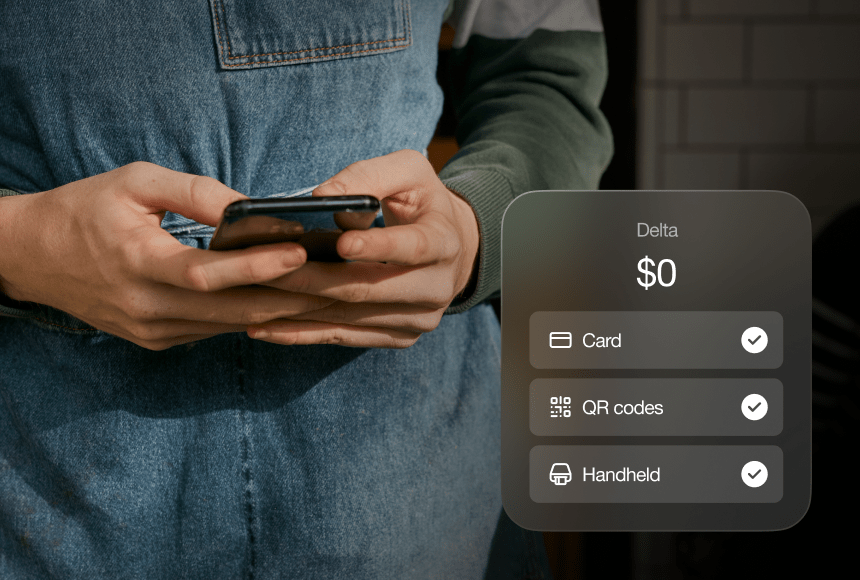
One of the most significant time-savers is contactless or QR code payment systems. Instead of having servers run back and forth to process payments, your patrons can scan a code at their table, review the check, tip directly, and pay instantly. By adopting such technology, you elevate both speed and guest satisfaction.
Contactless Payment: More Than Just Convenience
Besides reducing your staff’s workload, contactless payments also foster higher gratuities. When a guest can add a tip in one seamless motion, they’re more likely to leave a generous amount. This type of system is also less invasive, letting visitors pay on their own without feeling rushed.
- Reduced wait times: Instead of waiting for a payment terminal to arrive, guests settle their bill immediately and go about their day.
- Increased table turnover: With faster payment, you can potentially seat the next party sooner.
- Error minimization: Staff no longer need to manually key in orders during the payment process, decreasing slip-ups.
The process feels more modern and user-friendly, an added bonus in an era when convenience is paramount to consumers. And it also eases your team’s day-to-day tasks, giving them more bandwidth to focus on building genuine connections with your diners.
Optimizing Table Management
We’ve all been there: a frazzled host juggling multiple reservations, unexpected walk-ins, and staff calling in sick. A robust table management system can be the difference between chaos and control. When you’re running lean, you simply can’t afford to have double-bookings or lengthy wait times that drive away new customers.
A well-integrated reservation system eliminates guesswork. It helps you organize bookings, manage waitlists, and even send reminders and confirmations to patrons, reducing no-shows. By relying on up-to-date software rather than manual logs, you keep the front of house flowing smoothly.
Quick Tips for Effective Table Management
- Leverage technology: Use tabletop devices or apps that let customers notify the host when they’re ready to order or need assistance.
- Design the floor plan thoughtfully: Cluster similar table sizes to minimize confusion and speed up seating.
- Train staff on waitlist features: If your system can text patrons when their table’s ready, ensure the team uses it consistently for a smoother guest experience.
All these measures reduce friction for your guests and prevent your team from scrambling to manage lines out the door.
Revisiting Your Menu for Simplicity
When you’re short on staff, one of the first questions to ask is: can our menu be simpler? Although it might be tempting to keep a broad menu to attract varied clientele, too many options can strain your kitchen, slow down orders, and overwhelm guests.
Pinning down a tight, well-executed list of dishes can be far more appealing than offering hundreds of items that strain a limited workforce. Here are a few benefits of streamlining your menu:
- Faster prep times: Fewer dishes speed up your line, improving table turnover and guest satisfaction.
- Consistent quality: Staff can focus on mastering each dish, reducing mistakes and raising the culinary standard.
- Less inventory complexity: You spend less time and money sourcing myriad ingredients, simplifying purchasing and storage.
Even a slight reduction in menu size can make a real difference. You might also rotate seasonal specials rather than offering a large static list, which keeps staff on their toes without overburdening them.
Empowering Staff with Cross-Training
Restaurant teams often function best when responsibilities overlap. With cross-training, you can ensure your staff can step in wherever needed—an especially valuable tactic when you have fewer people on a shift.
For instance, teaching servers some basic barista skills or showing hosts how to run food during peak hours can help fill inevitable gaps. Cross-training also gives employees an expanded skill set, which can keep them more engaged and invested in their work—potentially reducing turnover.
Action Steps for Cross-Training Success
- Run skill workshops: Twice a month, dedicate time to teaching employees new tasks such as basic plating or cocktail preparation.
- Rotate stations: Encourage staff to spend brief periods in a different station, supervised by a more experienced colleague.
- Recognize and reward growth: Celebrate employees who step out of their comfort zone and pick up new roles. This fosters a sense of shared responsibility.
Adopting a flexible, all-hands-on-deck mindset keeps the restaurant running smoothly, even during unexpected crunch times.
Pacing Your Schedules and Shifts
Leaner teams don’t just mean fewer people—they often mean longer working hours for those who are present. Exhausted staff will inevitably affect the customer experience. Finding the right scheduling balance is therefore critical.
A proactive approach to scheduling might look like this:
- Accurate forecasting: Analyze sales data to predict your busiest times, then schedule your best staff to handle rushes effectively.
- Rotating breaks: Even short breaks can refresh an overworked server. Stagger them so you always have enough coverage.
- Open communication: Encourage your team to share their availability and constraints. This fosters goodwill and helps you identify where extra coverage may be needed.
Well-managed schedules not only improve morale but also reduce turnover, which itself can lift your bottom line.
Highlighting Self-Service Opportunities
Self-service doesn’t have to erode hospitality; in many cases, it can enhance it. When diners feel empowered to handle small tasks themselves—like scanning a QR menu or requesting a simple drink refill from a self-serve station—they often appreciate the autonomy.
Moreover, self-service can relieve overburdened staff. It allows servers to focus on high-touch interactions: introducing specials, upselling signature cocktails, or simply chatting with regulars. Far from ignoring customers, this approach can create a more personalized experience where it matters most.
| Traditional Approach |
Self-Service Approach |
Benefit |
| Servers always deliver menus, take every order, handle checks in person. |
Guests scan a QR code to view the menu and place orders via their phones or shared devices. |
Less waiting, more control for guests, fewer tasks for staff. |
| Servers refill beverages multiple times per meal. |
Patrons refill their own water or soft drinks from a dispenser. |
Frees up servers to focus on critical tasks. |
Transitioning partially to self-service can be a cultural shift for some full-service establishments. But the long-term benefits—saving staff resources and boosting guest convenience—often outweigh the initial adjustments.
Leveraging Technology: More Than Just a POS
A modern point-of-sale (POS) system is more than a glorified cash register. Today’s platforms often integrate:
- Inventory tracking: Automated counts and reorder alerts ensure you’re never low on crucial ingredients.
- Customer loyalty programs: Show appreciation with targeted rewards that keep regulars coming back.
- Employee management: Monitor labor costs, track schedules, and analyze performance from one central dashboard.
With the right technology ecosystem in place, your lean team can direct their headspace toward guest engagement rather than manual data entry. Even tasks like printing checks and closing out tabs can happen swiftly. The goal here is to reduce friction for both staff and diners.
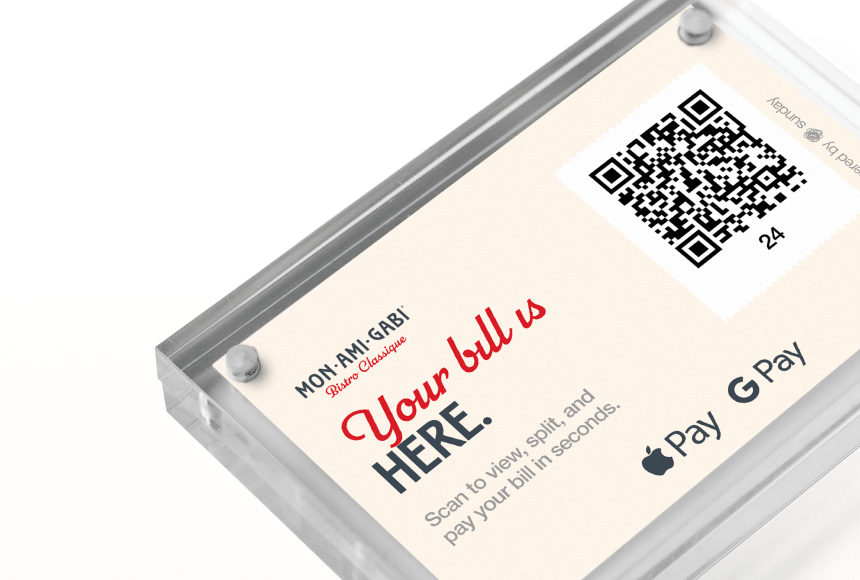
One especially efficient innovation is the use of QR codes for digital menus, payment, and instant guest feedback. A solution like sunday is designed to speed up the final steps of the restaurant experience. By scanning a QR code at their table, your guests can view their bill, add a tip, and pay without waiting around for a staff member to bring a card reader. They can even be prompted to leave a Google review. Fewer steps for the server means more time for personal connections and better overall service.
Fostering a Culture of Team Morale
When you’ve got a small roster of employees keeping the show running, it’s critical to ensure those individuals feel valued, rested, and engaged. No technology can replace a healthy team culture. Here’s how you can nurture that environment:
Clear Communication and Transparency
Make sure everyone understands what’s expected of them each day. Daily shift meetings—kept short and focused—can set the tone. Address any new promotions, special instructions for the menus, or changes in procedure. You’d be surprised how small bits of daily communication can prevent larger conflicts or confusion down the line.
Building Trust Through Training
A well-trained employee who feels equipped to handle customer requests is likely to be happier and more confident. Offer continuous development opportunities so they can build their skill set and take initiative. You might even choose a weekly “culinary corner” or “cocktail minute,” where team members learn a fun fact about food origin or bartending tips.
Recognize Efforts Publicly
Public shout-outs, a quick mention on social media, or an “employee spotlight” on the chalkboard near the entrance can go a long way. People love to feel appreciated, especially when they’ve gone the extra mile during a busy weekend shift. An employee who feels recognized is far more likely to stick around.
Managing Customer Expectations
Even with the best planning, there may still be occasional delays or hiccups. Good communication with your diners is the secret sauce. Try these tactics:
- Proactive signage: Let guests know if you’re experiencing staff shortages and that service might take slightly longer.
- Offer small incentives: If seating is delayed, consider a complimentary amuse-bouche or mini appetizer.
- Train staff in service recovery: Ensure your servers handle complaints with empathy and solutions rather than excuses.
When customers see you being transparent and offering gestures of goodwill, they typically show more patience. This helps turn a potentially negative experience into a positive memory, reminding guests of their humanity—and yours.
Smart Marketing on a Tight Schedule
Promoting your restaurant effectively doesn’t have to consume an entire marketing team or pricey agency resources. There are quick wins that save time and can be managed even by a small staff.
For instance, user-generated content can be tremendously powerful. Encourage happy customers to share their experience on social media. If they pay using a QR code solution like sunday, consider also prompting them to leave a quick Google review. Peer-to-peer recommendations carry a lot of weight and don’t require a big budget.
Look for online tools that allow scheduling social media posts in advance, so you can handle marketing in batches. Also, keep an editorial calendar of upcoming food events or local happenings you can tap into. This way, you’re not scrambling to create content at the last minute.
Finding Small Wins Through Data
Sometimes, a lean environment forces you to get creative with data. By regularly analyzing your restaurant’s metrics, you can identify bottlenecks and opportunities for quick improvement.
For example, you might notice that certain high-margin dishes aren’t selling well. Refining how those dishes are described on the menu or training staff to mention them first can boost sales without additional marketing spend.
Analyzing customer feedback can also reveal which service aspects your patrons value most. If people rave about quick checkouts, double down on that convenience by investing in technology like table-side payments or simplified POS workflows.
Real-Life Anecdote: The Local Bistro That Thrived with Less
Let’s take a quick example from a small bistro in Boston. The owner, Maya, found herself perpetually understaffed during lunch hours. Rather than stress her existing servers out, she restructured the hours. She focused on:
- Reducing the lunch menu: She offered a concise set of sandwiches, salads, and soups.
- Implementing a self-service beverage station: Guests enjoyed the freedom to pour their own drinks.
- Encouraging mobile payments: By placing a small tower of table tents with QR codes on each table, the staff saved time on every check.
The result? She managed to keep high customer satisfaction while lowering her staff’s stress levels. Sales didn’t decline; in fact, they gradually increased as word spread about the bistro’s quick lunch service. Staff morale improved because employees felt less overwhelmed, and patrons relished the convenience.
Embracing Feedback and Adapting
No plan is perfect right out of the gate. It’s essential to maintain open channels for both your customers and your team to share feedback. This can be as simple as:
- Anonymous staff surveys: Let employees share what’s working—or what needs improvement—without fear of repercussions.
- Regular check-ins: Schedule brief one-on-one chats to see if staff are coping well with new technologies or menu changes.
- Online reviews: Engage with guests who leave Google or social media reviews, thanking them for their insight and addressing any concerns promptly.
Adaptability is key. If you discover a particular self-service station is making lines longer, re-evaluate your approach. If you find that certain cross-training methods confuse your staff, refine your guidelines. Through small, consistent tweaks, you’ll eventually craft a streamlined operation that thrives, even with limited staff.
The Subtle Art of Doing More with Less
Running a restaurant with fewer employees might sound daunting, but it’s also a chance to recalibrate and optimize. By simplifying processes, leaning into technology, and nurturing a supportive work culture, you can create a dining experience that delights everyone involved.
Emphasize clear, friendly communication with guests about any adjustments. Let them know you value their time—and your employees’ well-being. Keep refining operational details, test out smaller menus, explore self-service options, and use digital solutions to remove manual frictions.
Yes, it’s a balancing act, but with patience, data, and empathy, you’ll keep your restaurant thriving—no matter how lean your team may be.
Frequently Asked Questions
1. How can I handle payment effectively when I have fewer servers available?
Contactless or QR code-based payment systems allow guests to finalize their checks on their own, saving your servers from multiple trips to the table. One platform that supports QR code payment and tipping is sunday, though there are other options available. By automating this part of the dining process, you reduce delays and free up staff.
2. Do smaller menus really improve customer satisfaction?
A smaller, carefully selected menu helps your kitchen maintain consistent quality and speeds up guest service times. Customers often appreciate the clarity of fewer, well-executed dishes. It also reduces inventory costs and streamlines training for your staff.
3. What should I do if guests complain about longer waits due to fewer employees?
First, acknowledge the inconvenience and politely apologize. Offering a small token—like a complimentary appetizer—often helps customers feel appreciated. Train your team to calmly explain the situation instead of making excuses, and always look for creative ways to keep guests occupied or informed during the wait.
4. How does cross-training help in a lean-staff environment?
Cross-training ensures that each employee can handle multiple tasks, which is invaluable when someone calls in sick or during unexpected rushes. It fosters teamwork as everyone can pitch in where needed, regardless of their main role. This approach also keeps individual staff members from feeling overwhelmed.
5. Is self-service a good idea for full-service restaurants?
Self-service options can work even in a full-service setting, as long as they’re introduced thoughtfully. For example, a self-serve beverage station or electronic ordering system doesn’t replace personal interaction—it reduces busywork for servers. Guests can enjoy faster service while staff focus on meaningful engagement.
6. Where can I learn more about staffing trends and best practices?
For ongoing updates and research, visit reputable industry sources such as the National Restaurant Association. These outlets share insights on labor statistics, best practices, and emerging trends that can guide your staffing and operational decisions.


 1min
1min