How Traditional Payment Terminals Might Be Costing You More Than You Realize
Restaurant owners can easily underestimate how much time and money are lost at the payment stage. Traditional card machines often bring hidden inefficiencies—long customer wait times, staff bottlenecks, even lost tips—and can hinder your restaurant’s reputation for top-notch service. Transitioning to a faster, more seamless payment process transforms the overall dining experience: customers leave happier, staff stay energized, and profits remain on track. The key is recognizing these slowdowns and embracing better systems that eliminate friction. It’s time to dig into how a modern solution can keep your workflow—and customers—moving at a brisk and satisfying pace.
The Hidden Cost of a Sluggish Card Machine
Picture your restaurant on a busy Friday evening. Your servers are juggling multiple tables, and the kitchen is firing orders at full speed. You want the night to be seamless from appetizer to dessert. However, when diners ask for the check, your staff must scramble to locate the card machine. Then it’s time to wait—sometimes painfully—for the device to establish a connection, print out receipts, and finalize transactions. Meanwhile, new customers may be waiting for tables, and your staff can’t move on to the next task until that payment is complete.
It’s easy to underestimate how often this happens and how many minutes stack up over the course of a day, a week, or a month. These little delays can create a ripple effect. Table turnover slows, staff feel stressed, and customers sense the tension. Some of them might walk away remembering not the wonderful entrée but the awkward wait to pay. According to a National Restaurant Association resource, any hurdle in the customer experience can tarnish a restaurant’s reputation and drive guests toward alternative dining options.
When you look at the grand tally, a slower payment process can harm your bottom line in multiple ways:
- Longer wait times: The more you make your guests wait, the more potential dissatisfaction builds.
- Lower table turnover: When it takes longer for each guest to check out, your restaurant serves fewer customers overall.
- Staff fatigue: Your team gets drained by repetitive tasks and mounting lines at the register.
- Fewer tips: An inconvenient payment process decreases the chance of a generous gratuity.
These factors can become a recipe for frustration if your restaurant is in a competitive market or tight location where speed matters. Having a table locked up for an extra five minutes during peak hours might mean lost revenue—and lost goodwill. Over time, those small inefficiencies pile up, creating a significant gap between your restaurant’s potential and its actual performance.
Pain Points You Didn’t Know Existed
When business is steady, it’s tempting to think you’ve got things under control. But the truth is, the friction caused by a traditional payment terminal can hide in unexpected corners, such as:
- Staff Workarounds: Your servers might adopt little “tricks” to compensate for slow machines, like pre-printing checks or juggling multiple tables in a less-than-optimal flow.
- Queued Payments: The queue by the register can grow, so customers wait in line just to pay. This is especially common at quick-service or fast-casual spots.
- Dropped Connections: Payment terminals often rely on a single phone line or weak Wi-Fi signal. A dropped connection means a lost sale—or at least an awkward conversation while everyone stares at an unresponsive device.
- Missing Data: Older card machines may not seamlessly integrate with your restaurant’s point-of-sale (POS) system. That means missing or incomplete sales data, which leads to messy reports and lost insights.
Some of these may not appear as glaring problems at first. But if you pay attention to your staff’s daily routines, you’ll likely find a treasure trove of small but persistent annoyances related to slow or outdated payment methods. These inefficiencies don’t just inconvenience customers—they drain employee energy and put stress on your entire operation.
Why Speed Matters More Than Ever
Speed, in a restaurant context, goes far beyond how quickly the food arrives at the table. It’s about offering a frictionless experience from start to finish, especially at the point of payment. In an era where people are used to quick, on-demand solutions—whether that’s streaming a movie or ordering groceries with a tap—they increasingly expect every interaction to be swift and smooth.
If you look at how quickly technology evolves, you’ll see that slow payment processes stick out like day-old bread in the middle of a fresh buffet. Payment is one of the last but most critical steps in the diner’s journey. If it’s slow or painful, it can overshadow the entire experience. This dynamic is even more pronounced for younger generations, who tend to be especially impatient with technological delays and who generally prefer contactless or mobile payments anyway.
Failing to adapt to these changing expectations can mean you’ll be perceived as outdated. And in a world where online reviews matter, a couple of negative Yelp or Google mentions about your slow checkout process can hurt your brand’s reputation in the local market. Speed is no longer just nice to have. It’s an essential part of how restaurants build loyalty and keep diners coming back.
The Subtle Effect on Your Staff
It’s not just customers who endure the side effects of a sluggish system. Your staff are on the front lines, juggling everything from seating to order-taking, all while ensuring each diner’s perception of your restaurant remains positive. When the card machine requires more time or steps than it should, your staff has to stand there waiting, often missing out on opportunities to engage with other tasks. This repeated scenario can drain morale in small but cumulative ways.
Servers flourish when they can connect with diners, answer questions, and propose menu suggestions. They don’t thrive when they’re locked in a staring contest with a blinking payment terminal that won’t process fast enough. Over time, these small frustrations chip away at job satisfaction, increase turnover, and create new staffing headaches for you. The restaurant business is inherently demanding, so making routine tasks simpler and more streamlined can significantly boost your team’s day-to-day experience.
Beyond Basic Payments: Increasing the Tip Line
Assuming the dining experience was excellent and the customer is ready to tip generously, a clunky checkout process can reduce tip amounts. Why? Because any hint of annoyance or delay can nudge a customer toward a “Just pay and go” mentality, leaving less inclination for a high gratuity. Conversely, a swift, user-friendly payment experience keeps the mood positive and the customer’s gratitude fresh.
Additionally, certain modern payment systems elegantly encourage tipping by presenting clear on-screen options. Instead of a scribbled line on a paper receipt, the diner can easily select a percentage or dollar amount. This simplicity often leads to higher or more consistent tips. In short, making payment simple allows the warmth of the dining experience to remain, translating to better compensation for your hardworking team.
Enhancing Customer Satisfaction With Modern Solutions
Technology is supposed to make life easier for both sides of the transaction. Today’s restaurant owners have access to a variety of modern solutions to streamline final payment and reduce friction. Touchless or mobile-based payment platforms can integrate with digital menus, store cards on file for repeat customers, and even send marketing messages to loyal guests. They also offer advanced analytics that can give you a peek into spending patterns and tip behaviors.
Because these solutions eliminate the need for clunky hardware or slow connections, staff are freed from the burden of processing multiple steps. Meanwhile, customers can pay in seconds with minimal fuss. This immediate ease fosters more spending, more frequent visits, and a stronger bond with your brand.
Real-World Example: The Busy Brunch Spot
Let’s consider a fictional example of a bustling brunch restaurant called Sunrise Cottage. On Saturday mornings, customers line up around the block waiting for their famous pancakes. The place is popular, but the wait for a table can be long, and the close proximity of the tables means staff are always maneuvering in tight spaces. The process of handling tables, collecting checks, running credit cards, and printing receipts is time-consuming. Some customers even add special requests like splitting the check multiple ways—another speed bump.
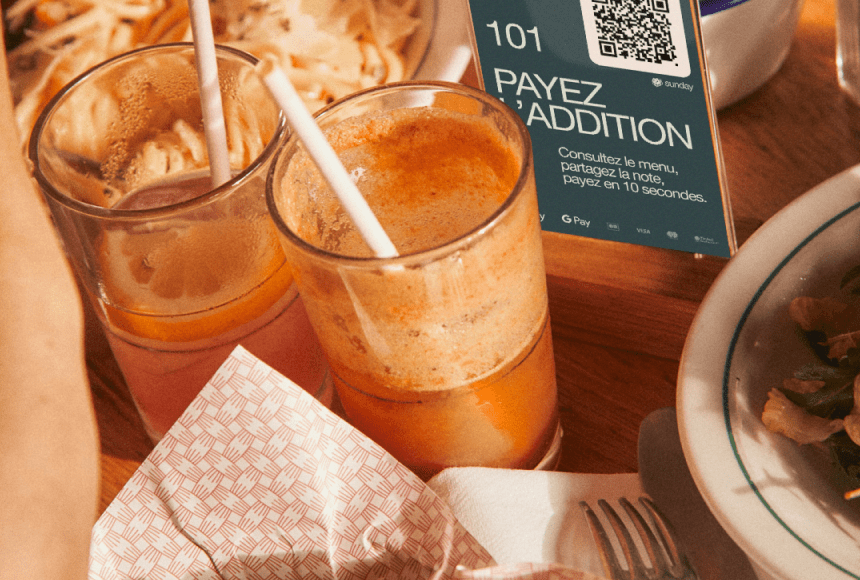
After several complaints about slow payment, the owner, Linda, decided to upgrade to a mobile-based system. She replaced her outdated card machines with a seamless solution that allows guests to scan a QR code on the table and pay directly from their smartphones. The staff can see the payment status in real-time on their screens. Table turnover increased by about 10% in the first month, and Linda noticed the tip percentages also climbed slightly.
Linda’s staff reported that the end-of-shift checkouts went faster because they didn’t have to fuss with a mountain of paper receipts. Customers loved skipping the line to pay, and they left more enthusiastic reviews on Google. Linda concluded that, while her restaurant had always been known for mouthwatering pancakes, it was the new payment process that convinced many in the brunch crowd that this was their go-to weekend spot. Faster payment turned into better satisfaction and customer loyalty, proving just how important it is to address hidden friction points.
The Advantage of an Integrated POS
If your POS system and payment terminal don’t talk to each other, it’s like having a chef who never checks what ingredients are in the pantry. Integration is key to a smooth workflow. When you integrate your POS with an efficient payment solution, everything from order entry to final payment is connected. This not only speeds up checkout; it helps you gather valuable data on sales trends, peak hours, and menu preferences.
A truly integrated system can also allow for immediate inventory updates. For instance, the moment a server indicates that an item has been sold, the system updates stock counts. That helps the kitchen avoid overselling a dish. With the right setup, your management team can see real-time revenue figures and track tip distribution effortlessly. In other words, you can move from clunky guesswork to data-driven decisions, all while banishing the line of restless diners waiting to pay.
Embracing QR Codes and Contactless Payments
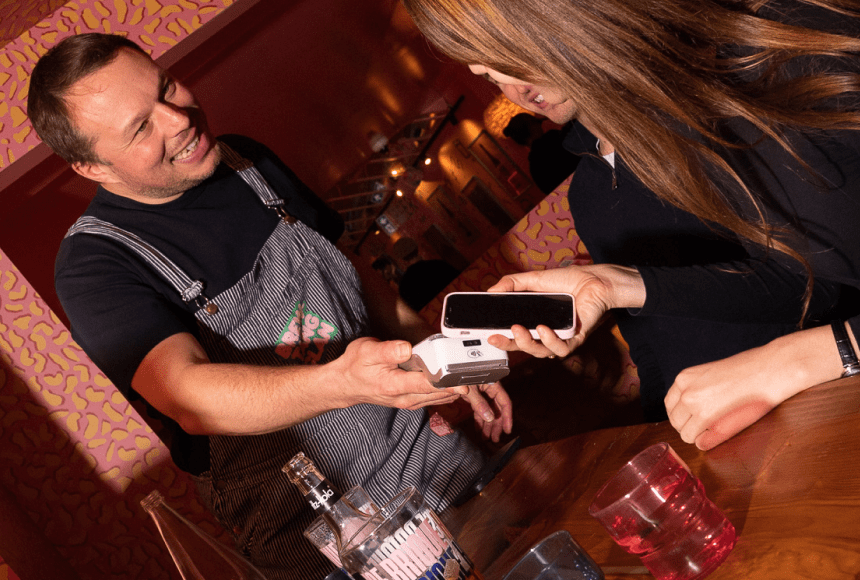
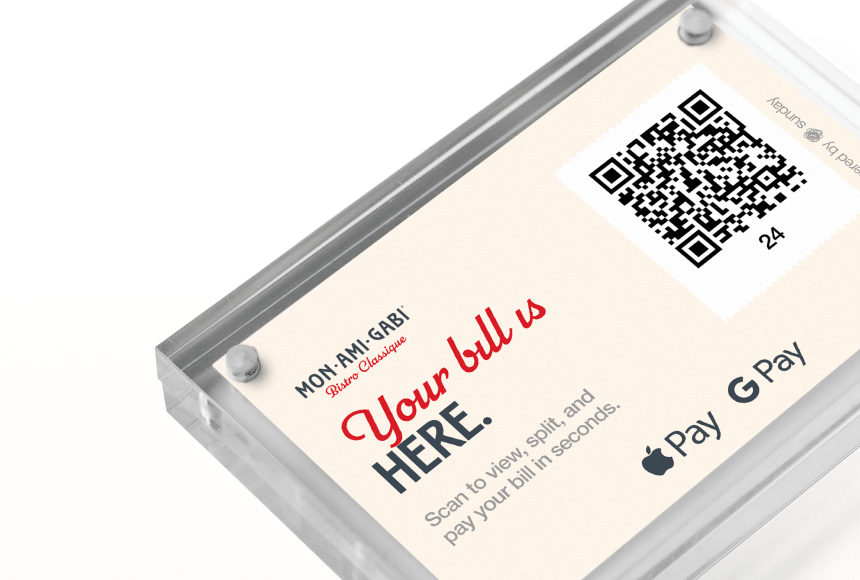
QR codes have been around for a while but have recently gained more traction—especially in restaurants looking for efficient solutions. By placing a code on each table, you empower guests to pay (and often tip) in an instant. No more waiting for the server to bring the terminal or the check. Contactless payments, too, are on the rise, allowing customers to tap their card or phone to pay within seconds.
These methods aren’t just about speed—they’re about convenience and safety. During peak service times, they reduce immediate contact and keep lines moving. Plus, using digital invoices opens the door to collecting email addresses (provided the customer opts in), which can be beneficial for future marketing campaigns. With advanced analytics, you can track how many people pay via QR codes, identify which menu items are driving higher checks, and glean other insights that further fine-tune operations.
The sunday Difference
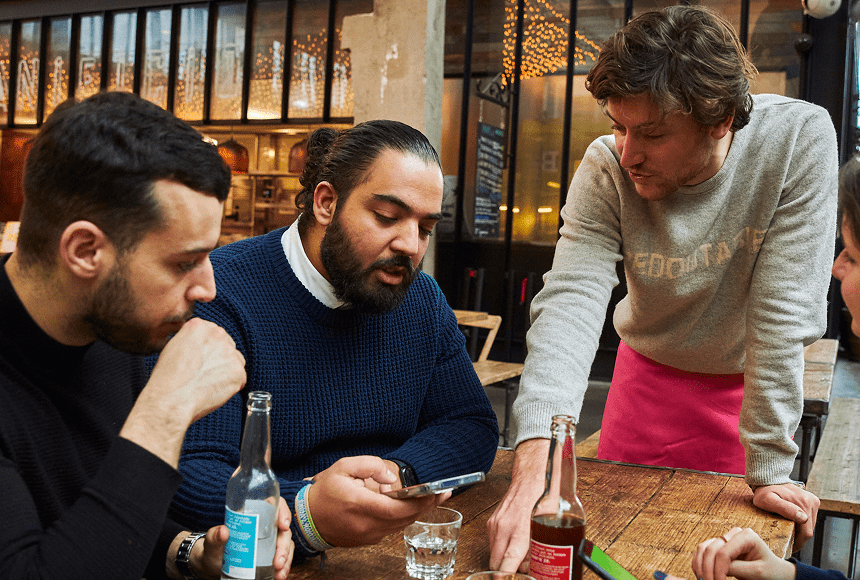
So, how does sunday fit into this picture? sunday offers a streamlined, QR-based payment platform that empowers diners to pay instantly from their phones, leave tips with a click, and even submit a Google review if they wish. Rather than forcing them to wave down a busy server or wait for a slow card machine, sunday places the entire payment experience in the guest’s hands. The result? Happier customers, better table turnover, and a lift in tips.
What sets modern solutions like sunday apart is that they resonate with a broad demographic—from tech-savvy guests who love skipping the wait, to older diners who appreciate the directness of scanning a code and paying. When you remove the friction, people can focus on the joy of the meal and the conversation at the table, not the mechanics of pulling out a credit card and waiting. In an era when loyalty can be fleeting, a quick and pleasant checkout moment can help earn repeat business.
How to Switch Smoothly
Many restaurant owners hold back from upgrading their payment system for fear of complicated installations or staff retraining. But an efficient switch can be painless if done step by step:
- Evaluate Your Needs: Determine what you want to achieve—faster tables, less staff burden, higher tips, or all of the above.
- Research Your Options: Look for systems that integrate with your current POS. Make sure they have good support channels and a proven track record.
- Train Your Staff: Provide quick, hands-on training sessions. Show them how easy it is to confirm payments, accept tips, and monitor transactions in real-time.
- Roll Out Gradually: If you’re nervous about a major shift, introduce the new terminals or QR codes in a specific section of your restaurant first.
- Gather Feedback: Encourage both staff and customers to share their experience so you can refine the process further.
This steady approach fosters confidence among your team and ensures that customers adapt to the new system as part of the dining experience, rather than an abrupt change. You’ll soon discover that the main question becomes, “Why didn’t we do this earlier?”
The Marketing Edge: Online Reviews and Word of Mouth
In a social media-driven world, every moment at your table can become a digital conversation. That includes checkout. An outdated payment process can result in negative remarks on platforms like Yelp or Google. On the flip side, a modern, app-like experience can contribute to positive buzz. Some systems even prompt diners to leave a review immediately after paying—while the experience is still fresh and positive.
A simpler, faster, and friendlier checkout can be the final flourish that convinces diners to give you a glowing five-star rating. That real-time feedback loop can be invaluable for drawing new customers. Word of mouth spreads both on and off the internet, so a memorable, frictionless finale to the meal can set you apart from competitors who are still using clunky, slow machines that frustrate customers.
Saving Costs Where You Least Expect
Modern payment solutions can reduce operational costs in unexpected ways. For instance, switching to QR payments cuts down on paper receipts and the cost of maintenance for multiple card machines. Integration with your POS means fewer errors that must be manually reconciled, saving you time (and money) in back-office labor. Staff can focus on upselling, meal presentation, and providing a personal touch instead of juggling card readers or waiting for a terminal to start up. That shift in labor from mundane tasks to revenue-generating activities can bolster your profit margins more than you might think.
Don’t Let Old Habits Weigh You Down
The restaurant industry is famous for tradition, and there’s nothing wrong with holding onto the classics—excellent service, fresh ingredients, signature dishes that stand the test of time. However, the payment experience doesn’t need to be mired in tradition. Clinging to a familiar but sluggish card machine can do more harm than good, especially when diners and staff alike have evolved with technology’s rapid pace.
Think of the payment stage as part of your restaurant’s overall hospitality package. When it’s smooth, friendly, and efficient, it enhances the entire atmosphere. When it’s not, it can derail even the best-run establishment. By proactively embracing efficient, user-focused tools, you send a message: You value your customers’ time and your staff’s energy, and you’re committed to staying contemporary in an evolving market.
Leaning Into the Future
Even as we adopt new technologies, it’s critical to maintain a human touch. Restaurants are about personal connections, shared moments, and culinary enjoyment. Modern payment solutions should enhance these elements, not replace them. The best systems work in harmony with servers’ personal engagement and allow your team to focus on being hosts, not transaction facilitators.
Eventually, the restaurant industry may see further innovation: digital loyalty programs that run automatically, AI-driven menu suggestions, advanced reservation systems that predict busy times—yet no matter how sophisticated these tools become, a slow final step at payment can undermine it all. Speed, efficiency, and simplicity at checkout offer an anchor of reliability that helps your restaurant shine in a crowded field.
The challenge isn’t going away. With each passing year, customer expectations for a frictionless experience get higher. Keeping up with these trends isn’t just about being modern—it’s about ensuring your restaurant thrives. By upgrading your payment process, you open the door to bigger tips, faster table turnover, and happier staff, all culminating in a loyal customer base that consistently returns for both the menu and the seamless experience.
FAQ
1. Will switching to a new payment system disrupt my business?
It might feel like a major transition, but a phased approach—where you introduce modern payment options in sections or during off-peak times—can reduce disruption. Most restaurant owners find the short-term learning curve is well worth the gains in speed and customer satisfaction.
2. Do customers really want QR code payments?
Yes. Many diners, especially younger demographics, are increasingly comfortable scanning QR codes to view menus, pay, and even leave reviews. A swift, mobile-driven experience often stands out positively, especially if your competitors are still relying on outdated card machines.
3. How does a modern payment platform affect tips?
A smoother payment process can lead to higher tips by keeping the dining experience positive all the way through. Some systems auto-suggest tip amounts or percentages, making it more likely customers will give generously.
4. What if my restaurant has an older POS system?
Integration is still possible with many modern solutions. Platforms like sunday and similar providers are designed to adapt to a wide range of restaurant tech setups. A quick conversation with their support team can clarify how easily your current POS can tie into a new payment platform.


 0min
0min
 0min
0min