A Practical Look at Pickup Orders for Steady Restaurant Income
Pickup orders represent a valuable lifeline for restaurants seeking consistent income. By allowing customers to order remotely and pick up meals on their own schedule, many US establishments have diversified their sales channels. This approach often leads to shorter wait times, smoother kitchen operations, and better cash flow. With digital tools and user-friendly payment solutions, restaurants can create a seamless pickup experience. From strategic menu design to adopting QR code payments, an effective pickup model can help fill revenue gaps. It also strengthens customer loyalty by offering flexibility, convenience, and the sense of being well taken care of.
Why Pickup Orders Matter in Today’s Restaurant Landscape
Pickup isn’t just about handing over a bag of food at the door. It’s about taking control of customer outreach, operations, and profitability in a busy, sometimes unpredictable market. According to the National Restaurant Association, off-premises dining—encompassing takeout, drive-thru, and delivery—continues to grow in popularity. Pickup orders often carry a lower overhead compared to other methods because you’re not paying for additional delivery drivers or third-party service commissions.
When you offer a pickup option, you meet customers halfway. People juggling hectic schedules love a quick in-and-out, and restaurants appreciate the steady flow of direct business. When managed correctly, pickup can bring balance to dining rooms, reduce wait times for seated guests, and optimize kitchen throughput.
The Core Benefits of Pickup Orders
Knowing exactly why pickup helps stabilize revenue can make it easier to prioritize this channel. Let’s break it down into a handful of key advantages:
- Boost in Direct Sales: Since customers order directly from your restaurant (via phone, website, or app), you’re not sharing a cut with a third-party delivery service.
- Lower Delivery Costs: Without paying for couriers or drivers, you face fewer variable expenses. That translates directly into better margins.
- Increased Control: You decide how your food is packaged, how it’s handled, and when it’s picked up. This control often leads to improved quality and consistency.
- Higher Profit Per Order: Compared to in-house dining, pickup orders might carry a simpler service model, often requiring fewer front-of-house staff to complete each transaction.
- Customer Loyalty: When handled smoothly, pickup can be a delightful experience, encouraging repeat visits and word-of-mouth recommendations.
Timing and Revenue Stability
It’s no secret that traditional lunch or dinner rushes can create peaks and valleys in daily revenue. Pickup orders allow you to fill the gaps. With solid marketing and a user-friendly ordering process, you can promote off-peak pickup times. For instance, a clever “early-bird pickup special” might attract customers wanting to grab dinner on their way home from work, well before the normal evening rush.
From a forecasting standpoint, pickup orders are simpler to anticipate compared to table service. Because most orders are placed ahead of time, you can better plan inventory and labor. Culinary staff know what’s coming and can schedule production accordingly. Ultimately, that means fewer surprises—and fewer last-minute scrambles in the back of the house.
Practical Steps to Strengthen Pickup Operations
Creating a profitable pickup channel requires more than just placing a phone number or an online menu on your website. It’s about shaping the entire experience, so customers feel it’s the easiest and most enjoyable way to eat from your restaurant. Here’s a step-by-step overview of core strategies:
1. Streamline Your Menu for Pickup
A successful pickup-focused menu typically emphasizes dishes that travel well. Crispy items can go soggy fast, while soups or stews (in well-sealed containers) tend to fare better. Also, fewer menu items can speed up ordering and reduce the chance of errors.
Consider grouping items into combos—like a sandwich, side, and a signature dipping sauce—for stress-free ordering. If you have the time and resources, you could design dedicated packaging that preserves quality and creates a memorable unboxing moment at home.
2. Optimize the Ordering Process
Make navigation on your website or app a breeze. One reason customers drop off is friction in the checkout process. Features like “reorder favorites” or a single-page checkout can significantly reduce frustrations. No hefty sign-ups. No complicated forms. Speed and clarity rule.
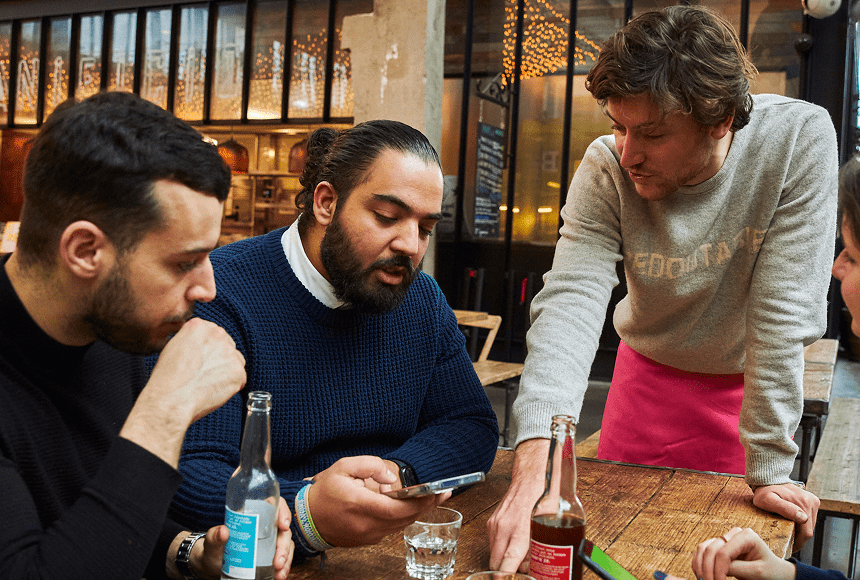
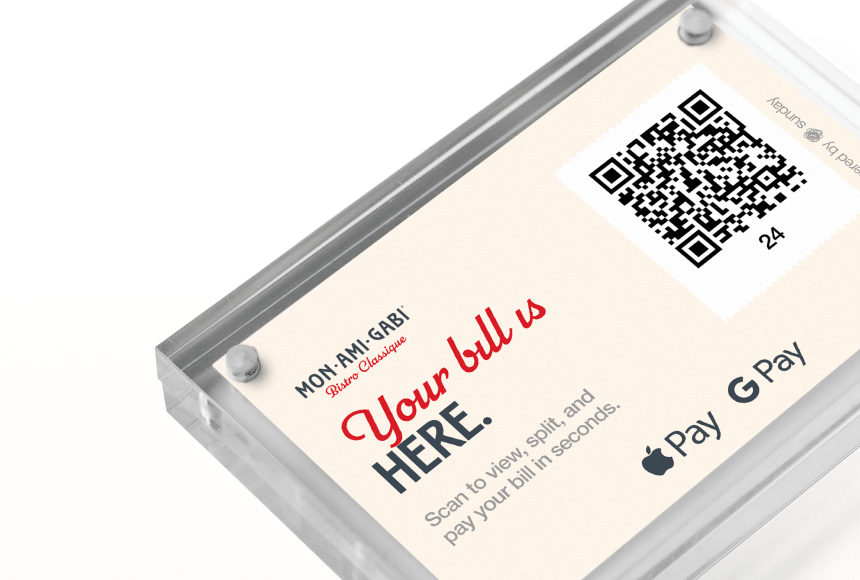
In the pickup world, mobile ordering is king, especially when the experience is intuitive. Quick Pay solutions, like scanning a QR code to settle the tab, can smooth out the final step. Tools such as sunday help restaurants embed easy payment directly into the ordering flow, removing a classic point of friction where customers might reconsider or shop elsewhere.
3. Communicate Expectations Clearly
Time is of the essence. Provide realistic, consistently updated wait times for order pickups. You don’t want a customer turning up in a hurry only to stand around for 20 minutes. While being optimistic is good, being accurate is better. A quick text or email update when the order is ready goes a long way toward earning customer gratitude.
4. Organize a Smooth Pickup Area
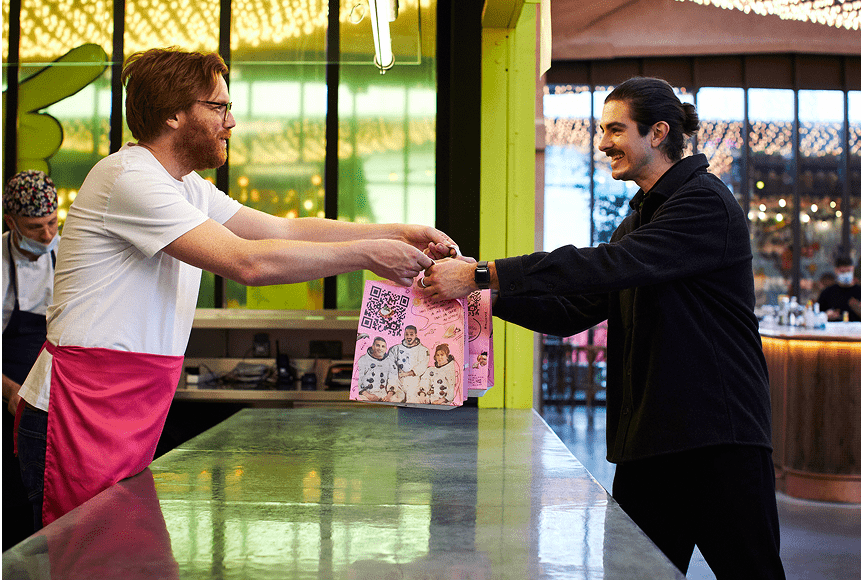
Dedicate a clear, well-labeled pickup zone near the entrance, or even outside, if space permits. Ensure it’s easy to spot and easy to access. Even if you have limited square footage, a shelf or small cart by the door can help. Friendly signage assures customers they’re in the right spot.
Think about flow. If new visitors see staff hustling comfortably between the kitchen and pickup station, it instills confidence. Consider adding a personal touch: small chalkboard signs or a smiling employee greeting visitors by name. Small gestures have a big impact.
5. Provide Flexible Payment Options
When it’s time to pay, speed and clarity are paramount. Offering multiple payment methods—credit cards, mobile payments, QR code scans—makes it easy for guests. A practical point-of-sale system also helps you track real-time sales data. Plus, customers appreciate the ability to tip right there in the interface, which can boost your team’s morale and earnings.
With sunday, for instance, you can give pickup customers the same convenience as dine-in guests. They just scan a code, pay securely, and can even leave their feedback. That can translate to better online reviews and a stronger digital footprint.
Addressing Challenges and Avoiding Pitfalls
Certain pitfalls can derail a pickup strategy if you don’t see them coming. For starters, failing to invest in user-friendly tools can lead to a clunky experience that does more harm than good. Another danger is ignoring the operational demands of a surge in pickup orders, leading to chaos in the kitchen. Here’s how to stay ahead:
- Stagger Prep and Pickup Times: Offer pick-up windows in five- or ten-minute increments, so you can manage your kitchen capacity better.
- Check Packaging and Freshness: Make sure your team consistently checks quality before handing over the bag. A single soggy burger can cost you a loyal customer.
- Stay Organized on Inventory: Because you can’t see customers eye-to-eye to clarify any out-of-stock items, keep real-time inventory updates in your system.
- Leverage Feedback: Encourage customers to rate their pickup experience on platforms like Google or Yelp. Positive reviews bring in more orders and help refine your approach.
The Role of Technology in Reshaping Pickup
In many ways, technology ties everything together. Most US customers now rely on their smartphones to order meals, check order status, and make payments. You can’t afford to offer pickup services with outdated methods like manually writing orders on a notepad. Fortunately, plenty of integrated systems exist to help—ranging from in-house POS solutions to flexible platforms that handle both dine-in and pickup seamlessly.
Automated order confirmation texts, real-time notifications, and digital receipts keep customers informed and at ease. Payment integration with solutions like sunday can reduce lines to zero. Why wait at a counter to pay if you can handle everything from your phone?
Spotlight Example: The Cozy Diner’s Pickup Success
Let’s imagine The Cozy Diner, a family-owned eatery in a bustling suburban neighborhood. They used to rely heavily on Sunday brunches and Friday nights, with little traffic midweek. That meant unpredictable revenue. So they decided to launch a pickup program that focused on midweek lunches and early evening specials. Here’s what happened:
- Strategic Menu Selection: The Cozy Diner introduced smaller lunch combos—soup-and-salad deals, half-sandwich combos, and quickly packaged comfort dishes like mac-and-cheese cups.
- Easy Online Ordering: They revamped their website and added a simple “Place Pickup Order” button that opens a streamlined menu. Returning customers could reorder in two clicks.
- Flexible Payment: Tablets at the pickup counter let customers check out with a quick swipe or dip. For those preferring a completely contactless experience, a QR code was displayed prominently so they could pay on their phone.
- Promotions During Slower Hours: The Cozy Diner offered free iced tea or a small dessert with every pickup order placed between 2 p.m. and 4 p.m. That perk alone earned them dozens of new regulars.
- Collected Feedback: After each pickup, a friendly text survey asked how the experience went. Over 80% rated the pick-up process as “excellent.” The diner promptly addressed the few negative comments about wait times and improved their system.
Within three months, The Cozy Diner saw a 20% bump in total weekly sales, and midweek revenue grew significantly. Their staff scheduling became easier because they could anticipate the pickup rush and spread out tasks. The end result was more balanced income, less frantic chaos during peaks, and a consistent customer flow that respected everyone’s time.
Fostering Long-Term Relationships
Pickup is more than a one-off movement of selling food. It’s a proven path to building a long-term relationship with your customers. The short interactions during pickup offer multiple touchpoints to make people feel valued:
- Promotional flyers in the to-go bag featuring upcoming events or menu specials.
- A loyalty card or a digital loyalty program that awards points for each pickup visit.
- A personalized “thank you” from the staff, who recognize repeat faces picking up their orders.
- Invitations for customers to leave reviews on Google Maps, Yelp, or social media platforms. A single enthusiastic testimonial can launch a ripple effect of new business.
Another perk? Many pickup customers choose to enjoy their meal at home or at the office, often sharing the experience with family, friends, or coworkers. Word-of-mouth gets amplified in these group settings. If your packaging, taste, and service experience shine through, you effectively turn those multiple unknown diners into potential new customers.
Expanding Pickup Horizons with QR Code Payments
Although many restaurants already use a range of payment methods, QR codes are becoming increasingly popular. With a simple scan, customers land on a payment page or an online ordering interface. This technology can be integrated directly into your website or tied to a third-party too. When combined with solutions like sunday, your staff can focus on cooking and hospitality, rather than repetitive checkout processes.
Additionally, the same QR codes can lead to add-on features, like leaving a tip or writing a quick Google review. That means turning a casual pickup into a brand-building opportunity. The synergy between convenience and feedback loops can supercharge your restaurant’s reputation.
Is Pickup Right for Every Restaurant?
It can be. Fast-casual concepts thrive with well-organized pickup systems. Fine dining establishments may find a narrower scope, focusing on premium takeaway experiences—perhaps family-style meals meant to be enjoyed at home. If your kitchen is already running at capacity with dine-in traffic, you may need to adjust your workflow or hire extra staff to handle the added volume.
The beauty of pickup is its inherent flexibility. If you stay mindful of inventory management, packaging improvements, and robust payment options, it can be adapted to nearly any style of cuisine. The key is to approach pickup orders with the same care and finesse you’d invest in a table service. That authenticity resonates with customers, building trust and loyalty.
FAQ: Common Questions About Pickup Orders
What type of packaging is best for pickup?
Go for sturdy, leak-resistant containers with good insulation. Eco-friendly materials often resonate well with customers and align nicely with an overall brand image of care and quality.
Should I offer special discounts for pickup orders?
Many restaurants do offer discounts to encourage more pickup traffic, especially during slower hours. Just make sure you can manage any extra volume without affecting quality.
How do I handle tips on pickup orders?
Online ordering platforms or a contactless payment tool—like sunday—make it easy for customers to add a tip. Make sure the option is visible but not intrusive, and let customers decide.
When is the best time to launch a pickup program?
There’s no perfect date on the calendar, but a marketing push timed to seasons or events can boost visibility. Take advantage of major sports events or holidays. If lowered in-house traffic is expected, that’s also a good window for a strong pickup promotion.
What’s the simplest way to handle online pickup orders and payments?
An integrated point-of-sale that syncs with your website or mobile app is a great place to start. Ensure that customers can easily select a pickup time, pay upfront, and get confirmation. Consider adding a QR code system for seamless final payment or quick reorders.


 1min
1min
 1min
1min