Proactive Strategies to Keep Your Restaurant Running at Full Speed All Season Long
Why the Holiday Rush Means More Than Just Crowds
The holiday party season is a prime time for restaurants across the United States. Festive gatherings fill your dining rooms with lively groups of coworkers, friends, and families ready to celebrate. While you might relish the idea of increased traffic and the potential sales boost, this period can also bring unexpected setbacks—especially if technical or operational hiccups lead to costly downtime.
Think of it like missing a key ingredient in your most popular holiday dish: one small oversight can spoil the entire service. When the stakes are high and your dining room is packed, any system error or equipment breakdown can turn a profitable night into a logistical nightmare. The good news? With some forward-thinking strategies, you can reduce the risk of interruptions and sail through the holiday frenzy with confidence.
Understanding Downtime’s Real Impact on Your Bottom Line
Downtime isn’t just about losing a few minutes—those minutes add up to reduced covers, unhappy guests, and a growing sense of stress among your team. For instance, a malfunctioning point-of-sale system can bring service to a standstill. Guests who might have been more than happy to pay and leave generous tips can quickly turn impatient and frustrated.
To put it into perspective, data from the National Restaurant Association indicates that the holiday season can account for a significant share of annual restaurant sales. When a system or appliance fails during peak hours, you’re not only losing immediate revenue from that rushed meal period but also risking your long-term reputation. After all, a single bad experience—complete with slow checkouts, delayed orders, and flustered staff—can stick in the minds of your diners, making them hesitant to return. Ultimately, downtime affects not just your revenue on a given night, but also the long-term goodwill of your guests.
Streamlining Payment Processing: A Quick Win for Holiday Efficiency
Payment processing is often the final step in a diner’s experience. During the holidays, it can also be your restaurant’s biggest bottleneck, especially when it comes to large groups eager to split the check in multiple ways. A slow or glitchy payment setup is like having a sous chef who’s always behind—it throws off the entire rhythm.
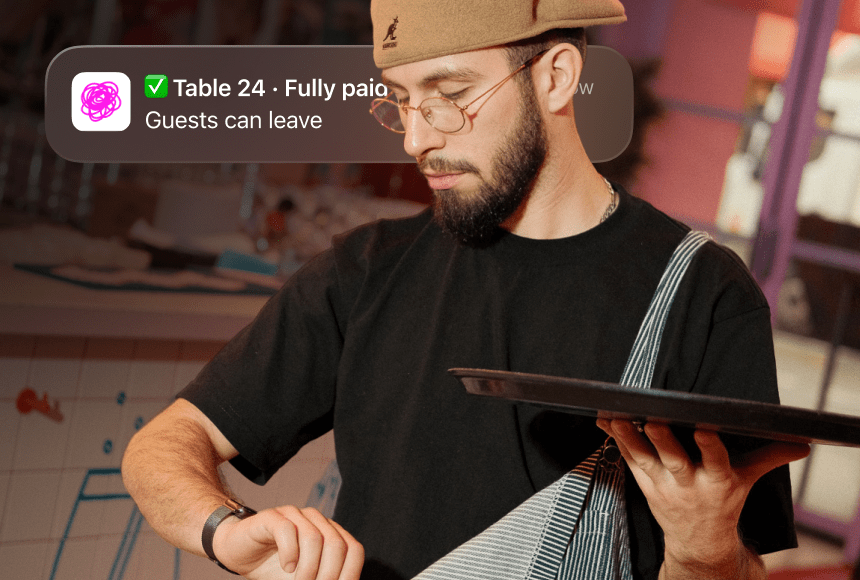
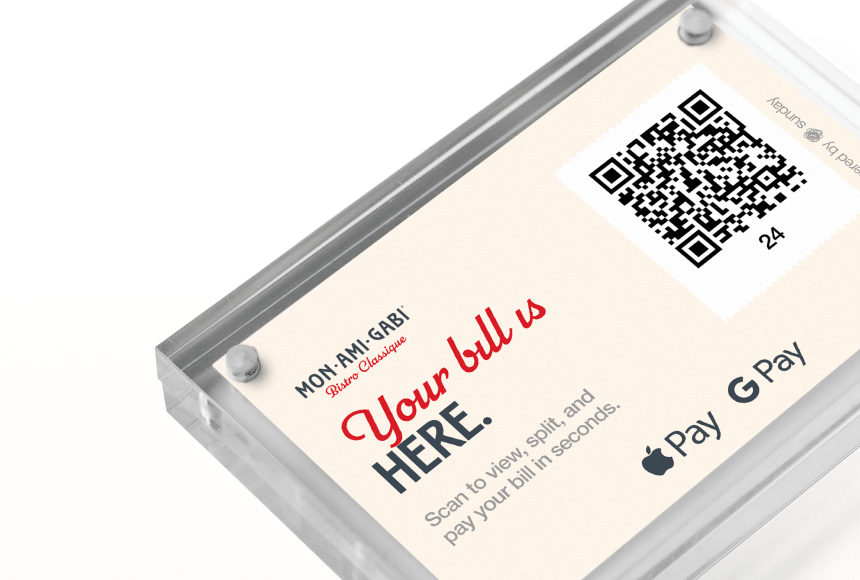
One simple solution is to invest in technology that streamlines guest payments. Options like scanning a QR code at the table can keep the experience frictionless, eliminating the need for swiping or waiting for a terminal. Imagine a table of twelve finishing their holiday feast. Instead of passing one payment terminal around or juggling multiple paper checks, each guest can comfortably settle their bill at their convenience—tipping included, all from their phone.
Here’s the added bonus: When payments move more swiftly, you free up your servers to focus on up-leveling hospitality. That means refilling drinks, recommending desserts, or just being more attentive. It’s a simple yet powerful way to reduce downtime. By the end, your dinner party goes home feeling festive, rather than frustrated by a drawn-out checkout process.
Building a Staffing Game Plan to Avoid Service Gaps
Think of staffing during the holiday season as carefully balancing the ingredients in your signature dish. You need the right mix—neither too heavy nor too sparse. Understaffing can leave your remaining team overwhelmed, while overstaffing may lead to unnecessary labor costs. Either way, you’re at risk for inefficiencies that can trigger downtime when you need peak performance.
To build a strong holiday staffing plan, consider:
- Forecasting Demand: Review last year’s sales data, local event schedules, and community calendars to identify peak holiday parties. This can help you better anticipate when larger groups will descend upon your dining room.
- Cross-Training Staff: Train your servers to handle simple hosting tasks, or teach your hosts to quickly process payments if your regular payment terminals are backed up. Cross-training ensures your team can jump in where needed.
- Flexible Scheduling: With many employees juggling holiday commitments, offering flexible shifts not only boosts morale but also helps ensure you have enough hands on deck for surprise rushes.
- Focus on Team Well-Being: Holidays are exciting yet stressful. Encourage breaks, foster a collaborative environment, and distribute responsibilities evenly to prevent burnout.
By equally considering these factors, you’ll be better poised to avoid the frantic scramble that often leads to service stalls.
Preventative Maintenance: Don’t Let One Faulty Oven Ruin the Feast
Restaurant downtime during the holiday party season often stems from equipment that’s taken a beating all year and suddenly gives way under heavier holiday pressure. Picture a pizza oven going down just as 50 hungry office workers arrive for their annual party. It’s equivalent to losing your star player right at tip-off.
The solution? Develop a year-round preventative maintenance calendar, so you don’t get caught off-guard when it counts. Here are some handy steps:
- Conduct Regular Inspections: Check your ovens, stovetops, dishwashers, and HVAC systems before the holiday surge. Look out for frayed wires, unusual noises, or parts that may need replacing soon.
- Follow Manufacturer Guidelines: Adhere to the recommended cleaning and servicing schedules. While it’s tempting to postpone that monthly checkup, it can save you from a massive headache during peak times.
- Create Maintenance Logs: Keep a detailed record of when each piece of equipment was last serviced and what was done. This helps you spot patterns and schedule upcoming maintenance well before an emergency occurs.
By treating maintenance with the same care you’d give your flagship dish, you’ll dodge many of the holiday disruptions that could lead to an abrupt close on your busiest nights.
Upgraded Tech Solutions to Handle a Full House
Beyond your payment system, consider the broader tech environment that powers your restaurant. Amid the holiday din, an internet outage or a glitchy reservation software can bring operations to a crawl as staff scrambles to check dining schedules or process orders manually. If that scenario sounds stressful, it’s because it is.
Here’s where a robust restaurant management system can be your best ally. Comprehensive platforms connect front-of-house seating, reservations, order-taking, and payment processing. With centralized data, you reduce human error and speed up tasks so that your team can focus on what really matters: delivering top-notch dining experiences.
Additionally, having reliable, secure Wi-Fi is critical. Not only will your staff rely on it for key operations, but guests will inevitably want to share holiday photos and experiences online. A stable internet connection ensures everything flows smoothly from the moment customers walk in through the door to when they happily exit—wallet or purse untouched, thanks to convenient, contactless payment options.
Case Study: How One Restaurant Learned the Value of Early Preparation
Let’s take a look at a hypothetical scenario. Picture “Marina’s Trattoria,” a beloved family-owned spot known for holiday banquets. Last December, they faced a sudden meltdown: Its point-of-sale system crashed one Friday night just as two large office parties were arriving. The service team had to resort to writing orders on paper, slowing everything to a snail’s pace.
Overwhelmed by the backlog, servers took longer to ring up final checks, and many guests left feeling disappointed. By the time the dust settled, the resulting lost time and negative reviews overshadowed what should have been a profitable evening.
Fast-forward to this year: Marina’s Trattoria took no chances. They upgraded to a more resilient internet connection, switched to an updated management platform, and embraced QR code payments. Before the holiday rush, they ran stress tests on their system while also cross-training employees. When December celebrations rolled around again, everything clicked—Marina’s soared through the busiest nights without any major hiccups, leading to better reviews, happier staff, and higher sales.
A Clear Roadmap for Crisis Management
Even with every preventative measure in place, unforeseen challenges can still occur—sometimes you have just one ingredient short, or technology decides to throw a curveball. Creating a crisis management plan that your entire team understands can drastically reduce the stress and financial stakes of downtime.
Here are a few recommendations:
- Designate a “Go-To” Team: Identify reliable staff members—like shift supervisors or tech-savvy employees—who immediately troubleshoot equipment malfunctions or connectivity issues.
- Create a Communication Chain: Let your team know exactly who to contact first in case of an emergency, from the head chef to the general manager to any IT support hotlines.
- Have Secondary Solutions: Keep backup payment devices, printed menus, or mobile hotspots on hand. Should your main system fail, your staff can pivot to these options without missing a beat.
- Run Drills: A quick weekly run-through ensures everyone knows the protocol for equipment breakdowns, network outages, or unexpected staff absences.
This structured approach is like having a “Plan B” recipe for your signature dish—if one ingredient goes missing, you have a fast alternative that keeps your kitchen running.
Don’t Overlook Supply Chain: Secure the Goods Ahead of Time
Although technological malfunctions or staff shortages are front-of-mind concerns, supply chain disruptions can also derail service. The holiday season strains suppliers across the board—ingredients may be delayed or arrive subpar in quality if sources get overwhelmed.
To avoid scrambles:
- Order Non-Perishables Early: Items like flour, sugar, oil, and canned goods can be stocked well in advance to buffer against supplier delays.
- Establish Multiple Supplier Relationships: If your main supplier runs short on a key holiday ingredient, having a secondary vendor can spare you last-minute menu substitutions.
- Track Inventory with Technology: A digital inventory management tool can alert you when stocks run low, allowing you to replenish systematically rather than in panic mode.
By tackling supply chain concerns proactively, you minimize the odds of telling holiday-party guests, “Sorry, we’re out of that.” That brief phrase can lead to both disappointment and additional stress on your staff.
Leveraging QR Code Payments for Better Guest Flow
Imagine guests at a festive holiday dinner snapping photos, posting to social media, and raving about your signature cocktails. If you allow them to settle their bill with just a quick scan, you’ve essentially turned each table into its own payment station. This flexibility benefits both guests and staff, particularly when large groups want to split checks.
Companies like sunday offer QR code payment solutions that integrate seamlessly with many existing point-of-sale systems. By digitizing the billing and tip collection process, you cut down on the time servers spend processing payments, prevent lines from forming around your register, and give diners a modern, convenient way to settle up. This is especially handy when you’re juggling multiple holiday parties throughout the evening.
You also gain the advantage of collecting instant feedback—like quick Google reviews—before the guests even step out of the door. For a busy restaurant owner, that’s a precious opportunity to boost your online ratings during the season when more people than ever are searching for holiday dining spots.
Holiday Ambiance vs. Operational Realities
Yes, the holiday season is a time for adding those festive flourishes—extra decorations, special menus, or maybe a themed cocktail list. But be mindful that all these additions bring unique logistical challenges. More décor might mean fewer pathways for your staff to navigate the dining area. Specially curated drinks might require new ingredients or glassware. Each fresh feature is a potential friction point if not planned thoroughly.
Striking a balance between ambiance and efficiency is key. You untangle potential obstacles by:
- Testing New Menus in Advance: If you’re adding holiday specials, run a quick test in your kitchen to ensure they fit seamlessly with your existing dishes.
- Considering Layout Adjustments: Seasonal décor should be eye-catching but not obstructive. Check that your staff can still maneuver around tables swiftly.
- Lining Up Glassware and Utensils: Festive cocktails might require specific garnishes or glass sizes—make sure you have enough inventory to avoid mid-service shortages.
Implementing these small details helps you provide a magical atmosphere without sacrificing the efficiency you need to serve a full house smoothly.
A Holiday Downtime-Prevention Checklist
To keep you organized, here is a concise checklist for proactive downtime prevention:
- Review Last Year’s Data: Identify historical peak hours and common issues from past holiday seasons.
- Upgrade Your Tech: Ensure your reservation, point-of-sale, and internet setups are robust enough to handle increased traffic.
- Run Payment Stress Tests: Make sure your payment system can handle split checks and large groups efficiently.
- Service Equipment: Schedule maintenance on ovens, dishwashers, refrigeration, and HVAC systems before the biggest rush begins.
- Staff Adequately: Plan shifts according to predicted demand and cross-train your team to handle multiple roles if necessary.
- Prepare Backup Plans: Have extra essential supplies, a list of alternate vendors, and a crisis management game plan ready.
Tack this checklist somewhere visible for your management team, so it stays top of mind as you gear up for the busy stretch.
FAQ: Answers to Your Pressing Questions
Below are some frequently asked questions restaurant owners often have when preparing for the holiday party season:
How can I anticipate my busiest days?
Check historical data from previous years, paying close attention to local events, promotional schedules, and past reservation patterns. You can also partner with community organizations or event planners in your area to learn about any large-scale holiday parties that might boost foot traffic.
What if my internet goes down right before service?
Keep a backup solution, such as a mobile hotspot or separate internet line, for emergencies. Also designate a staff member who can quickly reconfigure your devices or switch to an offline payment mode. That way, the entire service doesn’t come to a standstill.
Do I really need extra or upgraded hardware if my current system “usually” holds up?
“Usually” might be fine on an average day, but the holiday season is anything but average. Confirm that your devices and network can handle double or even triple the usual customer load, or you risk breakdowns at the worst time.
How can QR code payments reduce downtime?
QR codes allow each table to become its own checkout station, eliminating bottlenecks at the register. Guests can split checks, add a tip, and pay right from their phones, which speeds up turnover and frees your staff to focus on hospitality.
What about staff morale—how does it affect downtime?
Overworked or stressed employees are more prone to making errors that lead to service slowdowns. Ensuring breaks, fair scheduling, and team support can significantly reduce mistakes, preventing costly delays and preserving a positive atmosphere.
Though the holiday party season presents unique challenges, a bit of foresight can keep these joyful days from becoming a source of undue stress. By optimizing every touchpoint—from payment processing to staffing and tech infrastructure—you’ll keep your restaurant thriving through the hustle and bustle. Serve well-prepared feasts, handle crowds with grace, and let the holiday cheer fill your dining room without the burden of downtime. Bon appétit, and happy holiday serving!


 1min
1min
 1min
1min