Dialing In Your Pickup Window Operation for Happier Guests
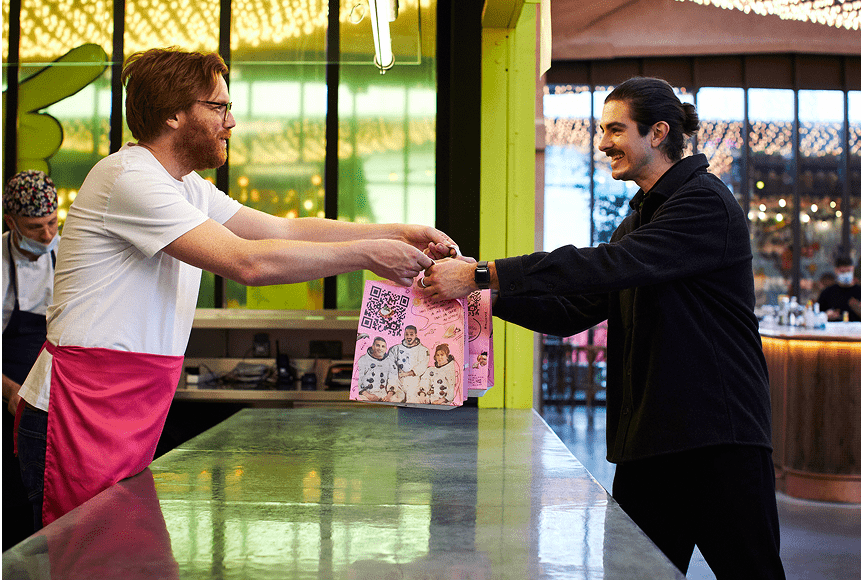
Pickup windows have become an essential part of modern restaurant service. They let you reach more customers quickly, especially during rush hours. Successful management involves efficient staff scheduling, a streamlined workflow for consistent speed and accuracy, well-organized packaging, and clear communication channels. By investing in technology to handle orders and transactions, you can reduce congestion and maintain happy guests. Attention to food safety and cleanliness keeps standards high. When you execute these points well, your pickup window can become a powerful extension of your business.
The Growing Popularity of Pickup Windows
In the hustle and bustle of today’s world, time is currency—and that’s especially true in the fast-paced restaurant industry. Whether you run a roadside barbecue joint or a high-end bistro, more of your customers are looking for tidy ways to grab and go. Pickup windows serve as an excellent solution by giving diners a contactless and speedy option for receiving their orders. In fact, the National Restaurant Association (Restaurant.org) has pointed to the rise in off-premise dining as one of the most significant shifts in recent years, due largely to consumers’ desire for convenience.
Of course, with popularity comes challenges. As order volumes at pickup windows increase, managing them effectively can be like orchestrating a well-choreographed dance. If you’re unprepared, the sudden surge of arrivals at your pickup station can lead to confusion, slow service, and unhappy guests. The good news is that a few key operational strategies can help keep your pickup window humming, even during the busiest of times.
Anticipating Peak Demand
High-volume pickup windows often experience spikes in customer traffic, typically tied to specific factors such as lunch rush, happy hour, or special promotional days. Forecasting isn’t a guessing game when you have data from past weeks or months. Keep tabs on sales records, historical trends, and local events to identify patterns. By estimating the flow of traffic in advance, you can stock the right amount of packaging, ingredients, and staff for the demand.
Consider:
- Reviewing past sales files to identify daily, weekly, and monthly spikes.
- Matching staffing needs to those known busy times ahead of schedule.
- Using local calendars or event listings to see if neighborhood happenings (sporting games, festivals, etc.) might impact foot traffic.
The more precisely you predict your busiest windows, the more prepared you are to streamline everything from cooking times to server coverage. Armed with the right information, you can greatly reduce the odds that your pickup service becomes a bottleneck.
The Art of Staffing for Success
Running a busy pickup window at scale requires more than just hustle; it demands the right people in the right places. Although it might be tempting to keep staffing lean to lower labor costs, having too few employees on deck during rush periods can damage the guest experience.
Schedules should be built around peak times you’ve identified. And don’t forget the importance of each role. You need:
- Expeditors: Those essential pros who gather orders, verify accuracy, and communicate with the kitchen.
- Food Runners: In a quick pickup scenario, this role may shift to packaging and double-checking orders.
- Cashiers or POS Operators: Handling payments quickly is critical, so break up line-busting tasks to keep customers moving.
- Customer Liaisons: Someone to manage the crowd outside and guide folks to the correct pickup window, if applicable.
When staff know their responsibilities and can rely on each other, your pickup line not only moves quickly but also keeps people smiling. Additionally, providing cross-training—teaching employees to handle more than one function—adds flexibility if something unexpected happens.
Streamlined Workflow: Making the Most of Your Space
Your pickup window area might be well-located for traffic, but is it set up for speed and efficiency? The best-conceived pickup windows are designed with the flow of people and food in mind. If you’re short on space, you can still organize an effective area by paying attention to movements.
Imagine working in a tight kitchen space. You figure out where each station belongs so your cooks don’t bump into each other. The same principle applies to your pickup zone: place critical items—like finished orders, utensils, extra condiments—within arm’s reach of the person in charge. Avoid forcing staff to scurry around just to grab plastic forks or an extra sauce packet.
Ideally, all hardware for quick and accurate transactions (such as a card reader or integrated point-of-sale system) resides near the pickup window. That way, payment and handing over the order happens in one smooth motion. If you find that you’re constantly zigzagging through crowds or counters, reevaluate your layout to minimize steps and confusion.
Menu Choices That Boost Speed
When your goal is fast throughput, your menu plays a major role. High-volume pickup windows do best when they focus on dishes that can be prepared quickly without compromising quality. Having a separate “pickup-friendly” menu tailored to items that travel well can help you avoid operational snags and disappointed customers.
For instance, if you’re known for your gourmet pizzas, but standard bake times are quite long, consider offering smaller, fast-bake personal pies during peak hours. If your rotating special that day needs extra plating or complicated garnishes, you might want to feature it as an in-house item only.
In short, highlight items that won’t wilt or degrade quickly in a to-go container. That way, customers get the same flavors they love, but with the speed they expect at a pickup window. With limited but appealing choices, you make it more convenient for guests to order, pay, and leave quickly—leading to higher turnover and happier staff.
Smart Technology for Seamless Service
At the heart of managing high-volume pickup windows is technology that brings rapid ordering and lightning-fast checkout. Leveraging advanced solutions can give you a decisive edge when demand spikes. Popular tools include integrated point-of-sale systems that automatically relay orders to the kitchen, digital ticket boards that keep staff on track, and mobile ordering platforms that let customers confirm their orders ahead of time.
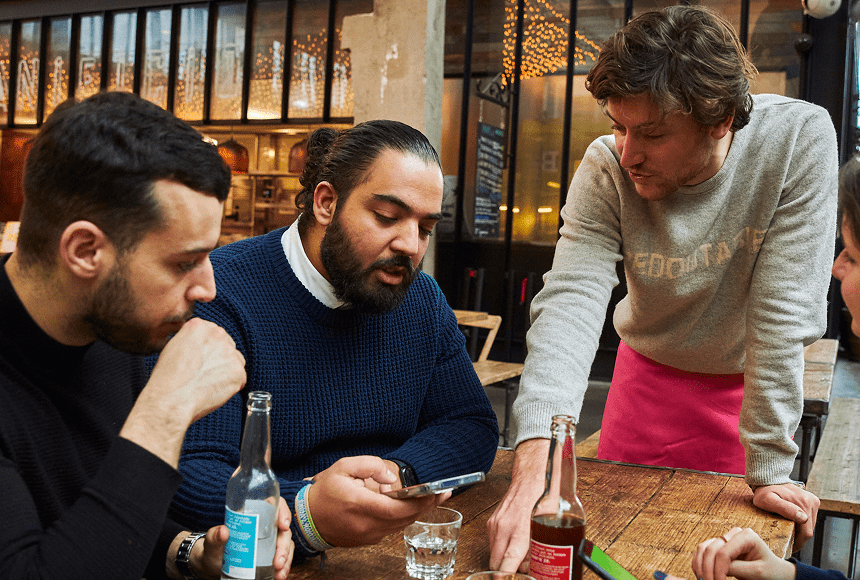
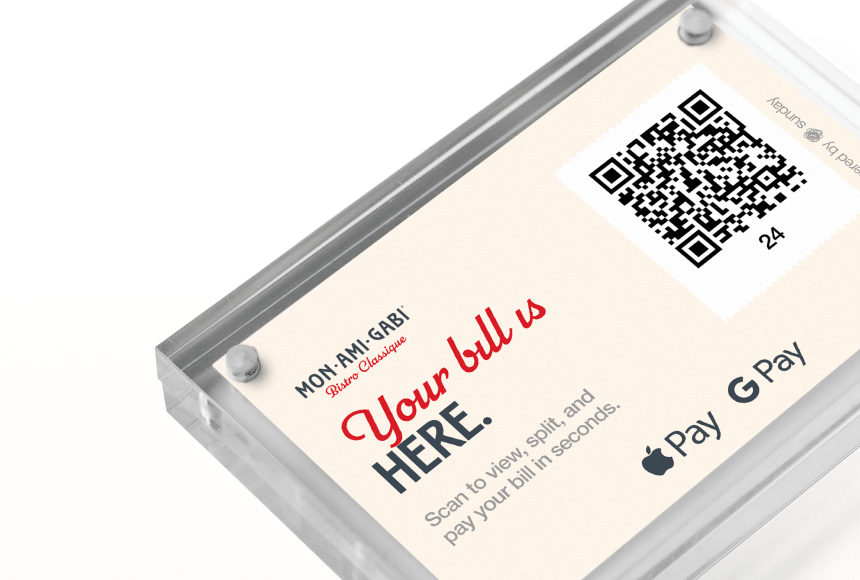
Another example is how digital payment solutions like sunday can help you. By implementing a scannable QR code for pickup orders, you can significantly reduce the wait. Customers scan, review their checks, pay in seconds, and add a tip—even at a busy pickup counter. This eliminates the lengthy, back-and-forth process of dealing with a physical card or collecting cash at the window, which in turn not only minimizes staff workload but also helps maintain social distancing.
Look for software that integrates with your existing restaurant system. The more seamless the connection, the fewer manual steps your staff undertake, allowing them to focus on what really matters: preparing delicious food and providing great service.
Packaging Essentials: Protecting the Product
Few things kill the joy of takeout faster than soggy fries or leaky soup containers. For a pickup window, packaging has to be sturdy enough for quick handoff and (often) a short trip in the car. Insulated carriers, tamper-proof seals, and well-fitted lids can prevent spillage and maintain temperature control.
Here are quick tips for packaging success:
- Portion Control: Use containers sized appropriately to the items so food fits securely without being cramped.
- Ventilation: Items like fried chicken or donuts need vents in the box or bag to prevent steam buildup.
- Eco Choices: More diners notice sustainability. Options like compostable boxes and paper straws can make a positive impression.
When you have consistent packaging, it’s easier for both customers and staff to identify orders quickly. Visual consistency also builds a sense of brand identity for your takeout.
Keeping the Tempo: Speed and Accuracy
Speed is gold in a pickup scenario, but speed without accuracy is a recipe for disaster. If a guest leaves your window only to realize they’re missing a vital part of their order, chances are they’ll be disappointed. This leads to extra effort by your staff to remake items or compensate the customer.
Think of speed and accuracy as dancing partners. Here’s how you can keep them in sync:
- Checklists: Whether you use paper slips or a digital dashboard, ensure that each order is confirmed against the ticket before it goes out.
- Training: Teach staff that verifying an extra second on each bag can save minutes (and headaches) later.
- Labeling: Attach clear labels with the guest’s name or order number to each package. That clarity helps staff hand orders to the right person in seconds.
In many cases, the technology behind your POS or ordering system can automate tallies and cross-check items, so staff only have to do a final inspection. This synergy is what keeps lines short and guests coming back.
Managing Wait Times and Customer Flow
Long lines at a pickup window can quickly turn into negative word-of-mouth if they aren’t handled properly. Even if you’re pushing orders out quickly, customers can perceive a problem if it looks disorganized. Clearly mark where customers should line up or park while waiting. If it’s typical for people to arrive before their scheduled pickup time, consider providing a texting service to alert them when their order is ready.
Within your team, designate someone to manage the line, answer questions, and direct traffic. This can help you maintain better social distancing if you have limited space. And of course, keep the signage clear. Labels like “Order Here” or “Pickup Only” help guide first-timers who might otherwise get confused.
Nurturing Food Quality During Peak Hours
Sometimes, high-volume operations make it tempting to cut corners—don’t. Quality is your brand’s lifeblood. Even if customers are only at your pickup window for a few seconds, the meal they receive will live on in their memory.
Proper prep work ensures your kitchen can handle a rush without sacrificing the final taste. Plan ahead by doing partial cooking or pre-portioning essential ingredients so cooks can finish dishes quickly. Make sure that every dish leaving the pickup window meets the visual and flavor standards that represent your restaurant. After all, consistently excellent food is what turns casual customers into loyal fans.
Balancing Safety and Cleanliness
Pickup windows are more exposed to the environment, so keeping things clean, organized, and sanitary is paramount. Tap into sanitization guidelines from reliable sources like QSR Magazine (QSRmagazine.com) or your local health department for updated best practices.
In addition to standard hand-washing rules, it’s wise to disinfect high-touch surfaces (door handles, countertops, payment stations) frequently. Make hand sanitizer readily available on the counter for employees and near the service window for customers. A clean, polished environment not only improves safety; it also strengthens your reputation.
Harnessing Feedback and Adjusting on the Fly
Even the most carefully planned approach may need tweaking once those real-world crowds roll in. That’s where customer feedback becomes gold. Encourage pickup diners to share their thoughts on wait times, food temperature, and their overall experience.
If you use a digital payment solution like sunday, you can automate invitations for customers to leave a Google review. Such immediate feedback can alert you to an issue before it becomes a common pattern. Maybe the packaging isn’t keeping an item hot enough, or a new staff member isn’t relaying orders quickly. Once you spot a recurring complaint, address it—and let customers know about improvements. It’s a win-win for everyone.
Building a Memorable Customer Experience
Managing high-volume pickup isn’t solely about speed and logistics—it’s also about the customer’s emotional journey. From the warm greeting they receive at the window to the friendly signage that welcomes them, little personal touches can stand out.
Some restaurants even insert thank-you notes in the bag. Others let staff sign an order ticket personally—“Prepared by Rick” or “Packed by Marie.” These gestures cultivate a sense of connection despite the transaction lasting mere minutes.
Additionally, you can incentivize regulars with loyalty rewards on their pickups or a surprise free pastry for every fifth visit. Keep thoughtfully adjusting your approach to ensure the pickup experience is not just fast, but also inviting and memorable.
Working With the Right Payment System
If your staff constantly has to fumble with cash drawers or deal with slow card readers, you’re effectively doubling wait times for everyone. That’s why choosing your payment system carefully is critical. Modern devices and apps—particularly those that allow mobile scans or track loyalty—can give you the edge you need when lines get long.
For example, installing sunday means that once an order is done, customers can quickly scan a table tent or a posted QR code at the pickup window to settle their bill. This method is not just about speed; it’s about smoothness. They can tip at the same moment, and they don’t have to wait around for paper receipts or pen-and-paper signatures. For higher volumes, that shaved time multiplies and can mean the difference between a short, snappy line and one that extends around the block.
Training Staff for Hospitality and Efficiency
Hospitality skills are often discussed in the context of dining room service, but the same principles apply at a pickup window. Greeting each guest with a friendly smile, using eye contact, and thanking them by name can dramatically change how they perceive your operation. And when it’s busy, that little acknowledgment goes a long way.
Moreover, train your staff to handle multiple tasks with a sense of urgency and courtesy. They should be able to complete an order transaction and simultaneously assemble an extra side if needed. Doing so prevents staff from being siloed or rigid in their tasks. When employees feel comfortable switching roles momentarily, the entire system moves more gracefully.
Measuring and Refining Your Performance
Your pickup window isn’t a static element of your business. It’s a dynamic part that responds to all kinds of variables, from the changing seasons to local events. Evaluate your performance regularly. Track metrics like:
- Average Wait Time: How quickly do customers get their orders after arriving?
- Order Accuracy Rate: Are you maintaining close to 100% correct order fulfillment?
- Peak-Hour Sales: Is revenue highest during the times you staffed up appropriately?
- Customer Feedback: What comments are you seeing in reviews or surveys about pickup experiences?
Use the results to shape your decisions about staffing, menu adjustments, or technology upgrades. If you find that your peak-hour line is too long, consider exploring advanced ordering apps or adding an extra staff member to handle bagging. If customers are praising efficiency but are lukewarm on food temperature, double-check your packaging methods. The questions you ask and the data you track can help you refine the service your guests receive.
FAQ
Q: Is it worth having a separate pickup menu?
A: Yes. Offering a focused, pickup-friendly menu can speed up production times and ensure dishes are well-suited for takeout. Shorter wait times and better travel conditions lead to satisfied customers.
Q: How can I encourage customers to leave feedback on their pickup experience?
A: Use touchpoints like a QR code payment system that prompts them with a review link. Print short statements on receipts or packaging asking for their feedback. Also, staff can politely mention it during frequent pickups.
Q: What’s the best way to keep orders organized during peak hours?
A: Consider using separate stations for cold vs. hot items. Use clearly labeled to-go bags. Color-coded stickers or a digital board that flags completed orders can help staff to quickly match each package to the correct customer.
Q: How can I improve wait times without compromising food safety?
A: Invest in streamlined operations and robust scheduling. Prepare items ahead where possible, but follow strict safety guidelines like maintaining hot and cold holding temperatures. Optimizing workflow reduces wait without risking safety or quality.
Q: Will adding more staff at the pickup window significantly increase labor costs?
A: It can, but think of it as an investment. If your line is flowing well, you’ll see higher volumes of satisfied customers, better reviews, and potentially more repeat business. Balancing labor cost with the revenue from a high-volume pickup window often pays off.


 1min
1min
 1min
1min