Ensuring Stellar Service When Demand Is at Its Peak
Maintaining impeccable service during peak times requires balance and forward thinking. Busy seating puts extraordinary pressure on staff, from cooks in the kitchen to hosts and servers on the floor. By focusing on careful staffing, streamlined workflows, and proactive communication, restaurant owners can keep customer satisfaction high even at full capacity. Technology can play a vital role in managing payments, order flow, and online reviews. Training and genuine staff appreciation also help to preserve morale when the restaurant is bustling. Clear task assignments, efficient shifts, and a welcoming ambiance encourage loyal customers to return, leaving positive reviews and generous tips.
Stepping into a Full Dining Room: Acknowledge the Pressure and Opportunities
Picture your restaurant on a Friday night. Every seat is spoken for, customers are still calling for last-minute reservations, and your staff is juggling special requests from every corner. Though stressful, this scenario also represents one of the best possible outcomes for a restaurant—being fully booked means healthy demand and popularity. However, the experience can backfire if quality of service slips.
In a high-pressure environment, tensions can mount. Servers rush orders, the kitchen scrambles to keep up, and the front-of-house team fields a barrage of phone calls. Yet, there’s a flip side: a full house is your opportunity to shine and show the restaurant’s best face. When customers are welcomed warmly, served efficiently, and given an outstanding overall experience, it amplifies the restaurant’s reputation. Here are some ways to keep service quality consistent in moments of intense demand.
Staffing Strategies That Delight Guests
One of the biggest indicators of a smooth dinner rush is how well your staffing plan aligns with customer volume. If you’re short-staffed on a fully booked day, you’re setting yourself up for chaos and customer dissatisfaction. On the flip side, overstaffing can strain your budget. Finding that sweet spot comes from forecasting demand accurately and scheduling accordingly.
Forecast to Fine-Tune Staffing
The secret lies in analyzing past data: which nights typically fill up, what times see the heaviest traffic, and what influences spikes in customer volume. Monitoring factors such as local events, holidays, and even the weather can help predict peaks. According to the National Restaurant Association, leveraging technology that integrates sales data with your reservation system offers a precise approach for scheduling your team.
As you build schedules, keep each employee’s skill level in mind. Newer staff members might become overwhelmed when all seats are taken. Pair them with experienced servers who can guide them through tricky or unfamiliar scenarios. Not only does this lighten the workload, but it also offers on-the-job training.
Assign Clear Roles and Responsibilities
When you’re at capacity, confusion is the enemy. Everyone—from the host checking in guests to the servers managing multiple tables—needs a clearly defined role. This blueprint helps minimize wasted motion and streamlines service. For instance:
- Hosts or Hostesses: Greeting guests, coordinating the waitlist, and communicating accurate wait times.
- Servers: Taking orders, upselling thoughtfully, and managing table turnovers efficiently.
- Bussers: Clearing and resetting tables to ensure a quick but unhurried flow of new guests.
- Expeditors or Food Runners: Making sure orders go out to the right tables swiftly, double-checking plating and accuracy.
Your staff can adapt to unexpected shifts better if each person knows exactly where to focus. Also, be open to reassigning tasks as conditions change—for example, if a server gets overwhelmed, another could step in to help deliver dishes or refill beverages.
Offer Continuous Training and Clear Communication
A major key to high-quality service is the confidence and skill level of your team. Organize pre-service meetings, or “lineups,” to review the day’s menu specials, anticipate large parties, and set performance goals. This keeps everyone aligned on expectations before the rush hits. During these meetings, also encourage staff to speak up about concerns or questions.
Training should be ongoing, not just a one-time onboarding. Walk servers through the art of upselling without sounding pushy. Teach them how to respond tactfully to common customer complaints. Encourage the use of subtle humor and personal warmth. And remind them that above all, empathy matters. If a customer’s meal arrives late or an ingredient is missing, a genuine apology and a quick resolution go a long way.
Perfecting the Flow: Table Turnover and Wait Times
When your restaurant is fully booked, finding the perfect balance between turning tables promptly and affording guests a relaxed experience is a delicate art. Too slow on the table turnover, and incoming guests face long waits or even walk away. Too quick, and diners might feel rushed instead of pampered. There’s a sweet spot where the pace is steady, guests enjoy a comfortable dining experience, and new parties are seated at just the right moment.
Respecting Your Customers’ Natural Pace
While it’s critical to keep an eye on turnover during busy sessions, pushing diners too much can lead to negative experiences. At times, all it takes is a polite but strategic choice of words that keep customers informed about the next steps. For instance, a friendly “Can I clear your plates, or would you like a bit more time to enjoy your meal?” can gently move things along without creating friction.
Pay special attention to larger groups that typically spend more time chatting and celebrating. Build a buffer in your reservation system for bigger parties if you know they usually linger. Conversely, smaller groups might appreciate a slightly speedier pace, especially if they appear focused on grabbing a quick bite.
Seating Guests Thoughtfully
In a fully booked scenario, seating logistics become critical. If the first large party is near the entrance, it can lead to crowding when incoming diners arrive. If a table for two is stuck in a less desirable corner, it might diminish the experience for those guests. Hence, orchestrate your floor plan strategically. Seat smaller parties in cozy corners or booths that suit intimate dining, and place larger parties where you can seamlessly accommodate more chairs or multiple dishes.
Additionally, keep the traffic flow in mind. Minimize bottlenecks near the kitchen or restrooms, and don’t cluster too many active parties in a single area. Balancing the dining room layout helps servers do their job more smoothly and can even avert potential accidents when staff members are juggling trays of food.
Streamline the Payment Process
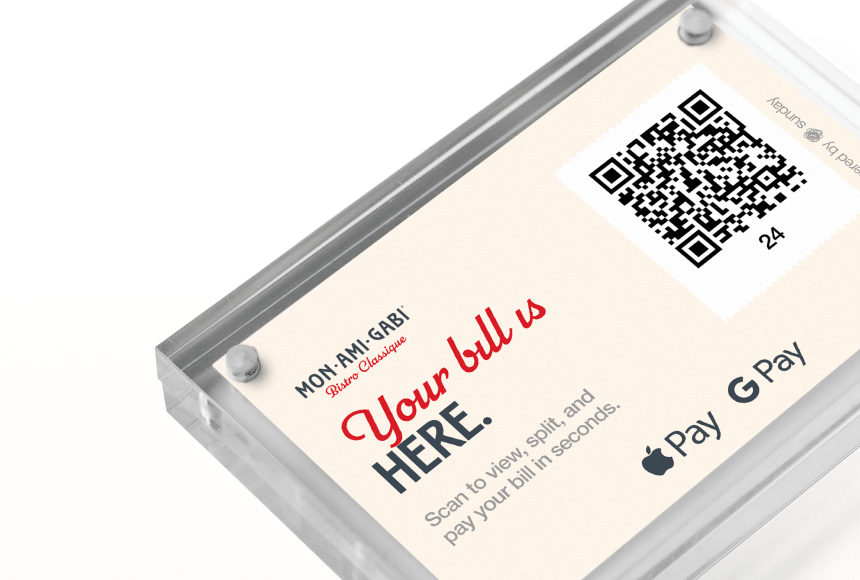
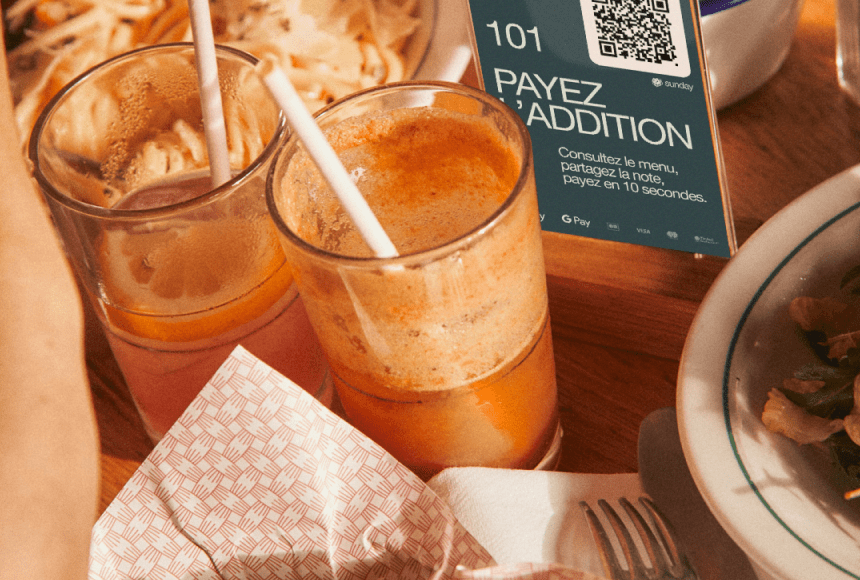
A drawn-out or awkward payment process can derail an otherwise wonderful dining experience. By offering quick, convenient ways to pay, you ensure that happy customers leave on a high note—and free up tables faster. That’s where user-friendly digital solutions come in. For instance, sunday offers a technology that allows guests to pay by scanning a QR code right at the table with their smartphone. They can settle the check, tip, and even share a review on Google, all from their device. This eliminates the need for guests to flag down a server or wait for staff to bring the card terminal to each table.
Speed does not have to be rushed. Simplified payment means using time efficiently so staff can pivot to other tasks, greet new arrivals, or prepare tables for the next seating. The result is a more balanced dining rhythm, less staff stress, and happier patrons.
Leveraging Technology to Sustain Service Quality
From scheduling software to POS integrations, restaurants around the country have tapped into the power of technology to keep operations smooth and customers smiling. While nothing can replace the personal warmth of human interaction, digital toolkits can help staff stay organized and on top of details, even when the place is jam-packed.
Real-Time Reservations and Waitlist Management
Overbooking or underestimating your capacity can wreak havoc during your busiest shifts. Online reservation platforms that sync with your in-house system allow you to monitor guest flow and wait times in real-time. Some solutions even send text alerts to customers, letting them know when their table is almost ready. If a group arrives late or cancels, you can quickly open up their slot for walk-ins or waitlisted guests, preventing revenue loss.
Kitchen Display Systems for Seamless Coordination
When tickets are printing nonstop, the folks in the kitchen can get overwhelmed. A Kitchen Display System (KDS) replaces the clunky order ticket system with digital screens that unify order management. By automatically listing items in the order they need to be prepared, the KDS helps reduce miscommunication and ensures that nothing gets overlooked. This is particularly handy for complex dishes or special dietary requirements, which might not always come through clearly on paper tickets.
Efficient cooking times and clear status updates reduce the mental load on the kitchen brigade, letting them concentrate on the precision of each dish, rather than juggling incomplete information.
QR Codes and Other Guest-Focused Tools
As previously mentioned, using QR codes for contactless payment speeds up table turnover and curbs the friction of traditional cash or card swiping routines. Another perk: Some systems allow you to capture feedback immediately. If a guest is prompted to give a quick rating or Google review while the experience is still fresh, you stand a greater chance of garnering online visibility.
Apart from payment, consider using table-specific QR codes that provide digital menus or enable guests to request refills or add items. This self-service approach can be a lifesaver when your servers are busy with other tables. Diners appreciate the convenience, and your staff remains more organized in the middle of the rush.
Building an Atmosphere of Warm Hospitality
Even when every table is filled, genuine hospitality is the secret ingredient that keeps customers coming back. Service quality isn’t just about speed; it’s also about that intangible sensation of feeling valued and welcomed.
Set the Stage with Personal Touches
Your servers are more than order-takers; they’re the face of your brand. Encourage them to engage in friendly, personalized conversation with each table. A simple question like, “What brings you in tonight?” can unveil special occasions or dietary preferences, which you can address accordingly. If someone’s celebrating a birthday, deliver a complementary garnish or small sweet treat. Small gestures weave a sense of belonging into the guest experience.
Though it may seem challenging to add personal flair when you’re fully booked, it doesn’t always require extra time. It’s more about genuine warmth and quick but meaningful interactions. A sincere smile or a memory of a repeat customer’s usual drink order can make a world of difference.
Be Attentive to Customer Feedback
While it’s tempting to sideline feedback—especially if it’s negative—doing so can harm long-term loyalty. Train your staff to pick up on verbal and nonverbal cues. If a couple seems unimpressed with their meal or a guest looks hesitant to order dessert, a proactive approach is best. Offer a quick fix or follow up to ensure everything is to their liking.
An important part of sustaining a positive brand reputation is how you handle public feedback. Using tools that enable real-time review writing—like scanning a QR code that links directly to a platform where they can leave comments—makes it easy to encourage satisfied guests to share their positive experiences. Collectively, these positive impressions help solidify your restaurant’s reputation, bringing in more diners who fill your tables again and again.
Counteracting Stress: Staff Morale and Motivation
Customer-facing staff are the backbone of any service-oriented business, and they bear the brunt of hectic dinner rushes. Boost morale consistently by recognizing outstanding performance, reinforcing team spirit, and showing genuine employee appreciation. When staff members feel heard and valued, they pass that positivity on to guests.
Short breaks or rotating shifts—where no one is stuck “in the weeds” for too long—help maintain energy levels. Provide water or light snacks, and consider a quick pep talk during a lull. Even a minute can recharge a server and remind them that a supportive team stands behind them.
Bring It All Together: Coordinating Operations
High service quality in a fully booked restaurant is the sum of many moving parts. You need well-planned staffing, efficient table turnover, reliable technology, and genuine hospitality. Each component is equally important, and a hiccup in one typically reverberates through the others. That’s why coordination—through clear communication and a forward-looking approach—is vital.
In practical terms, that might mean:
- Preemptive Troubleshooting: If you foresee a shortage of a popular menu item, alert the serving team right away so they can offer alternatives before customers face disappointment.
- Transparent Kitchen-Floor Communication: When the kitchen is swamped, let servers know accurate preparation times. This way, they can provide consistent updates to diners.
- Empowered Staff: Encourage servers and hosts to make small decisions—like offering an appetizer on the house if there’s a delay—without having to call a manager over for every hiccup.
- Equipment Checks: Mechanical or digital failures during rush hour can be devastating. Keep your POS devices updated, test your QR code system, and ensure that your inventory of glasses, plates, and silverware can handle the evening’s demands.
Ultimately, your goal is maintaining a harmonious experience for guests, from the moment they enter to the second they walk out the door. Great service in a crowded restaurant, in turn, invites positive reviews, word-of-mouth recommendations, and customer loyalty.
Frequently Asked Questions
How do I make sure my staff stays motivated during fully booked shifts?
Create a supportive environment where positive reinforcement is the norm. Offer recognition for individuals who navigate the busiest times smoothly, organize short restorative breaks, and give teams the autonomy to solve small issues on their own. When they feel trusted and valued, staff remain engaged and motivated.
Is technology necessary in a smaller independent restaurant?
Technology can benefit any size restaurant—especially during high-volume rushes. Even using a simple reservation app or a contactless payment system can improve efficiency and reduce the stress of peak hours. Start small, focusing on the features that solve your most pressing problems, and expand as you see fit.
What’s the best way to handle long waitlists when we’re fully booked?
Communicate transparent wait times to incoming guests, and offer small incentives such as a comfortable waiting area or a complimentary beverage if possible. For those who put their name down on a waitlist, consider sending text updates about the status of their table. This approach maintains goodwill, even when the wait might be longer than usual.
Does quick table turnover reduce the dining experience?
Not if it’s managed with care. Ensuring an efficient pace doesn’t mean rushing customers. Instead, it involves keeping service smooth and anticipating when diners are ready to progress to the next stage of their meal. Good communication between the kitchen, servers, and hosts helps maintain a balance so guests never feel hurried.
How can I effectively promote my business when seats are already full?
A fully booked house isn’t just good for revenue—it’s also a powerful marketing message. Encourage positive reviews on sites like Google by making it easy for guests to leave feedback, for example with a QR code on their table. You can also share behind-the-scenes snapshots on social media, showing your bustling but well-orchestrated dining room. These authentic glimpses reinforce your reputation as a go-to spot that delivers both popularity and quality.


 1min
1min
 1min
1min