Speedy Card Payments to Transform Your Restaurant’s Holiday Rush
During the holiday season, restaurants experience more customers, busier tables, and a greater need for smooth service. Ensuring fast credit card transactions is crucial to prevent long lines and keep guests happy. Speedy payments help maintain a positive dining experience, reduce table turnover delays, and boost staff morale in the face of high demand. Investing in reliable point-of-sale (POS) technology, training staff on best practices, and streamlining tipping processes can all shorten transaction times. Contactless and QR code-based payment methods add an extra layer of speed. Careful oversight—such as monitoring connectivity and planning for potential customer surges—helps ensure stability from start to finish.
Why Fast Card Payments Matter More During the Festive Season
The holiday season is a special time for restaurants—overflowing with customers celebrating, reuniting with family and friends, and seeking festive treats. While this presents an incredible business opportunity, it also brings operational pressures, particularly in payment processing. Long lines at the register or delays at the table can negatively affect the customer experience. When the dining room is jam-packed and everyone’s in a celebratory mood, maintaining efficient payment workflows is the last piece in delivering an exceptional visit.
Consider the practical impact of a speedy payment process:
- Reduced wait times: The faster each transaction finishes, the easier it is to turn tables and accommodate new guests.
- Improved guest satisfaction: Nobody likes waiting for the check, especially when holiday plans are on a tight schedule.
- Better staff morale: When a system works smoothly, employees spend more time engaging with guests instead of troubleshooting the POS terminal.
- Higher tips: Quick, seamless transactions increase customer goodwill and the likelihood of generous tipping.
According to the National Restaurant Association, the holiday season can boost sales by a significant margin, sometimes up to 20% or more for certain establishments (source). That number represents both an opportunity and a challenge: how do you serve more people in less time while keeping them happy? A smart, reliable payment process can be your secret weapon.
Streamline Your POS Setup Up Front
When the holidays roll around, every second counts. You don’t want to discover mid-service that your POS terminal is malfunctioning or your staff isn’t sure how to split checks. Now is the time to examine your system with a magnifying glass. Pay special attention to:
- Software updates: Update POS software well before holiday rushes begin. That reduces the risk of glitches or prolonged connection times.
- Hardware checks: Inspect card readers or contactless terminals for wear and tear. If there’s any sign of slow performance, consider replacing or servicing them.
- Strong network: A stable internet connection is vital. Check with your internet provider to confirm you have sufficient bandwidth, and consider a backup hotspot as insurance against outages.
- Clear labeling: If you have multiple terminals, label them and place them strategically so staff can quickly grab whichever is available.
Remember that technology is only as good as its user. Train your entire team—servers, hosts, and even kitchen supervisors—on the basics of operating the POS system. Everyone should know how to restart the device, process different payment types, and quickly troubleshoot basic errors. That way, if a terminal malfunctions, the nearest front-of-house staff can step in immediately.
During the holiday rush, you might also consider adding an extra terminal to handle increased transactions. It’s an investment, but it can save valuable time and keep lines from forming.
Embrace Contactless and Mobile Payment Options
To keep payments quick, contactless is king. Whether it’s tap-to-pay with a card, a pay-by-phone solution, or QR code-based payment platforms, these systems remove any friction caused by swiping or inserting cards. From the moment a table requests the check, contactless solutions cut seconds off every transaction. And while a few extra seconds might not sound like much, multiply that by hundreds of transactions, and you’ll see the difference at scale.
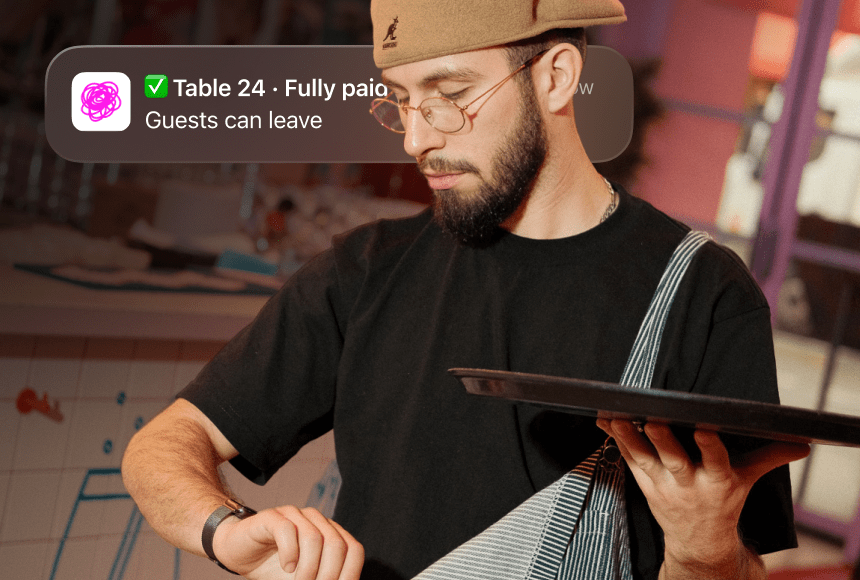
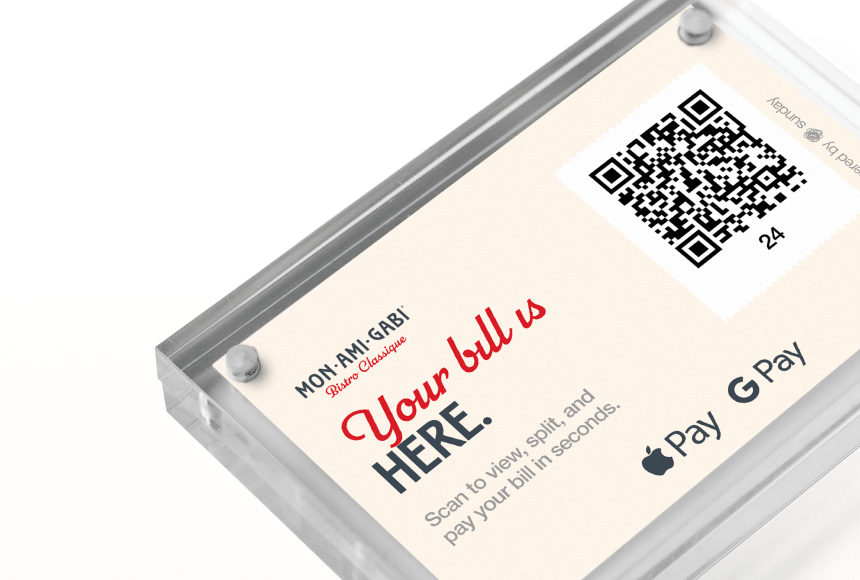
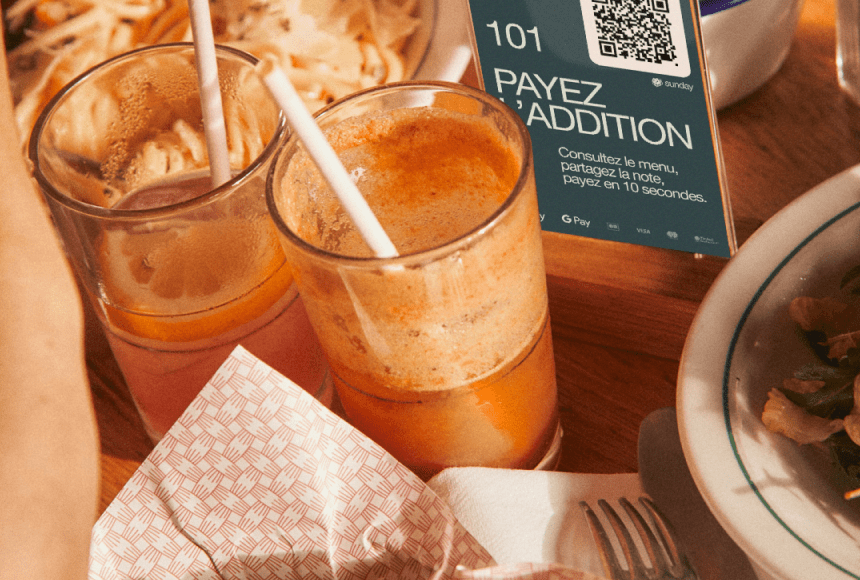
Mobile-based solutions serve the dual purpose of enhancing efficiency and convenience. With a QR code, your diners can pull up the payment screen on their personal devices, review their bill, tip, and pay instantly. For many restaurants, it’s a game-changer. Instead of a server running back and forth with a card terminal, the payment can happen in one immediate step. QR code solutions like sunday also give diners a chance to complete Google reviews right from their phones, which can boost your online visibility.
Accepting these methods is becoming less a novelty and more a must-have. A growing percentage of American consumers prefer contactless payments for hygiene and speed. By meeting their expectations, you prove your restaurant is forward-thinking and customer-centric.
Improve Your Workflow During Peak Hours
Even with the best technology in place, a chaotic front-of-house can slow things down. Picture it: guests waiting to pay while servers scramble to find the terminal, managers dragging out a second device from the office, and so on. This is not what you want during a busy holiday shift.
Let’s consider ways to tighten up your workflow:
- Designate a “Payment Station” (or multiple): If your restaurant is structured with a host stand or dedicated cashier area, keep one or more terminals there. This prevents staff from hunting for devices.
- Assign roles: During peak hours, you might want a designated staff member to handle payments. This can free up servers to focus on seating and table service.
- Use handheld devices: If you want maximum speed, equip servers with handheld POS devices or tablets. That way, they can process cards right at the table without making a separate trip.
- Streamline the tip and receipt process: Decide on best practices for collecting and processing tips to minimize confusion. For example, highlight the tip function on the device so guests find it easily.
These small workflow tweaks can add up. When combined with staff training, you create a system that glides rather than grinds during peak holiday services. Efficiency begets happier customers. Happier customers often leave stronger tips, fueling a virtuous cycle that benefits everyone on the team.
Train Your Team to Handle the Heat
Even a top-tier payment system can feel sluggish if your team doesn’t know how to use it efficiently. Invest in short, targeted training sessions. Run through real-life scenarios like:
- Splitting the bill among large groups celebrating office parties
- Addressing errors when a card fails to process
- Handling contactless pay for customers who need assistance
- Offering gift card payments or loyalty program integrations
People learn best by doing, so encourage staff to practice on the POS devices themselves. Provide cheat sheets or quick-reference guides for new hires. If a server is fumbling with the system, it creates a traffic jam. Once your entire crew feels confident, they can handle unexpected issues calmly while keeping lines moving.
Additionally, use staff meetings or pre-shift briefings to relay key updates. If a new software patch is rolled out or your restaurant introduces a fresh contactless payment tool, make sure everyone knows how it works. A consistent, well-informed approach will save critical minutes during the holiday bustle.
Optimize Your Menu and Pricing for Faster Checkouts
A less obvious trick to accelerate checkouts is refining how you present your menu items and pricing in the POS system. It’s also about anticipating what your guests might want. When your POS interface is intuitive, staff can quickly ring up orders without hunting through layers of categories.
Consider these adjustments:
- Limit customizations: The more free-form fields a server has to fill (e.g., “extra spicy,” “sauce on side”), the longer it takes. You might offer standard modifications but be strategic about how many you allow.
- Bundle holiday specials: Group items into a simple combo or prix fixe menu. This reduces multiple line items and, in turn, speeds up billing.
- Organize your POS layout by popularity: Place top-selling holiday dishes at the top of the POS menu for quick selection.
Remember, the goal is to reduce friction at every step. If your system is easy to navigate and the items are laid out in a logical way, you empower servers to generate checks in seconds. That often translates to faster payment and quicker table turnover—both essential in holiday conditions.
Leverage Data to Predict Busy Times
If you track reservation data or rely on a waitlist system, you can predict your busiest hours. Use that data to schedule staff effectively. Knowing a surge is coming at 7 p.m. on the Saturday before Christmas allows you to have extra hands on deck and ensure no one waits too long to pay.
Many modern POS solutions offer reporting features that help you analyze peak transaction times. Combine that with insights from online reservation tools, and you’ll have a strong sense of how your holiday crowd flows. Review the previous holiday season’s records if you have them. What was your busiest day? Was it a weekend or a weekday lunch? Did you see an uptick after certain holiday events in your area?
With data-backed forecasts, you can plan staff rotations to keep lines from building. Maybe that means having a spare manager or barback trained on the POS for those peak hours. Or perhaps you add a floater—a person who covers multiple sections—just to handle check drops and payments the moment guests are ready. Predictive planning can make the difference between a smooth night and a frantic one.
Provide Clear Tipping and Review Options
Few things slow down the payment experience more than a last-minute scramble around tips. In the United States, tipping is integral to restaurant culture, but the process can sometimes be confusing—especially for out-of-town guests or large groups splitting the tab.
Make it straightforward:
- Suggested tip amounts: Display fixed percentages (e.g., 15%, 18%, 20%) on the payment screen. This speeds up the decision process.
- One-click tip on mobile: If you’re using a QR-based payment solution, set up a well-labeled tip feature to make it convenient for diners to add gratuity with a simple touch.
- Encourage feedback or reviews: It might take guests an extra moment, but if your QR payment system (like sunday) allows them to leave a Google review immediately, that’s a win for your online reputation. Keep the experience frictionless by ensuring it appears right after payment, with minimal extra steps.
By removing guesswork around how to tip, you save time for both the customer and the server—and you increase the likelihood of a higher gratuity. This is also a prime opportunity to reinforce your restaurant’s warm, welcoming personality. A simple thank-you message that appears alongside the tip prompt can enhance the overall experience.
Prepare for Connectivity Hiccups
Even the most reliable networks face hiccups, especially under holiday strain. A brief outage can disrupt card payments and threaten to grind the entire operation to a halt. It’s wise to have a backup plan, such as:
- Secondary internet connection: Keep a simple mobile hotspot ready. If your main internet goes down, you can switch your POS system to the backup hotspot quickly.
- Offline payments: Some POS systems allow offline transactions, storing them temporarily for processing once the connection is restored. Make sure staff knows exactly how to handle this procedure.
- Manual card imprint: This is old-school, but for absolute emergencies—like a widespread power outage—keeping a paper card imprinter ensures you can still collect customer payment info. That said, use it only when no electronic method is available, and follow current data privacy guidelines.
Have a short staff training document on how to deploy these fallback strategies. Consider running a brief drill during a quieter period. This ensures that if the worst happens, your team can respond without panic. Quick thinking might involve politely asking customers to wait a moment or accept a different payment method, but a well-prepared restaurant recovers faster.
Make Security an Ongoing Priority
Speed doesn’t have to come at the expense of security. In fact, secure payment methods can protect your guests and your business. The Payment Card Industry Data Security Standard (PCI DSS) exists for a reason: to keep information safe during transactions. Ensuring your POS system is PCI-compliant helps guard against fraud and protects sensitive card data.
Basic security measures include:
- Regular software updates: Outdated software is more vulnerable to exploits.
- Encryption of payment data: Make sure any contactless or QR app you use encrypts customer information.
- Staff awareness: Educate your team on phishing attempts, suspicious links, or any unusual device behavior.
Holiday traffic can sometimes invite increased fraud attempts because criminals know restaurants are busy. Stay vigilant. Quick checks—like verifying the last four digits on the card—take seconds and can save headaches. A well-protected payment environment also builds trust with your clientele, many of whom may be visiting for the first time during the holiday season.
Integrate the Payment Experience into Your Hospitality
While it’s tempting to view the payment step as purely transactional, remember it’s often the guest’s final impression of your restaurant. If paying is fast and pleasant, they leave on a high note. No matter how great the meal was, a clunky checkout process can sour the memory.
Consider these tips to nurture a hospitable payment moment:
- Personalized interactions: Teach staff to use friendly conversation or a quick thank you while the payment processes.
- Offer a variety of payment methods: From traditional cards to contactless, from mobile wallets to gift cards—have it all set up so guests never feel limited.
- Provide a final delight: Some restaurants offer a complimentary mint or treat during checkout, emphasizing appreciation.
A warm goodbye can do wonders for customer loyalty. In the high-pressure holiday environment, these small gestures stand out. They also keep your team focused on service, rather than just turning tables. Think of it like the final plating presentation of your entire dining experience.
Consider a Tailored QR Payment Solution
QR-based platforms offer a game-changing way to keep payments effortlessly quick. With solutions like sunday, diners simply scan a code at their table to view their check and pay using their smartphone. They can add a tip, split the bill, and even leave a Google review without waiting. This approach is especially useful for large groups or families who want to pay separately for their share of the meal.
Here’s how a QR code solution can help in holiday rush situations:
- Instant check access: No waiting for a server to bring the check. Guests scan and settle the bill on their own timeline.
- Simplified group payments: Splitting is as easy as checking one’s phone, so confusion is minimized.
- Positive staff workload: Your team can reallocate time to table service, greeting new customers, or assisting with large party orders—all while the guests handle payments digitally.
It’s a streamlined, modern system that delights tech-savvy customers and surprises those who haven’t tried such payment methods before. When it comes to peak holiday traffic, every second spared can make a huge difference in your overall throughput.
A Quick-Reference Chart for Holiday Payment Efficiency
To consolidate some of the key strategies, let’s look at a small chart you can share with your team:
| Strategy |
Action |
Benefit |
| POS Readiness |
Perform updates, test hardware, label terminals |
Reduces glitches, ensures smooth workflow |
| Contactless Methods |
Adopt tap-to-pay, QR codes, mobile wallets |
Speeds transactions, boosts guest convenience |
| Streamlined Workflow |
Designate payment roles, use handheld devices |
Prevents queues, keeps staff organized |
| Efficient Menu Setup |
Limit customizations, group items, logical POS layout |
Faster billing, simpler server interactions |
| Backup Plans |
Secondary internet or offline processing if needed |
Ensures payments keep flowing during outages |
Print or share this reference to keep essential reminders front and center. Even as the frenetic holiday pace hits, a well-prepared crew can follow these steps to stay on track.
Driving Loyalty Beyond Just Fast Payments
Yes, the seasonal rush will eventually subside, but the impressions you make can carry over year-round. Customers who have a positive encounter—made possible in part by a speedy checkout—are more likely to recommend your restaurant and return for future visits. That’s when you recognize a fast payment process is not just about cutting wait times; it’s about crafting memorable, hassle-free dining.
In the bigger picture, every decision you make to improve efficiency can feed into a broader loyalty strategy. Loyalty programs, digital ordering, and table management are all part of the puzzle. A well-organized system with modern payment options doesn’t just bring short-term relief during the holidays; it can fuel lasting growth well beyond January.
Frequently Asked Questions
Q: Is implementing a contactless or QR code payment solution expensive? A: Costs vary depending on the provider and features. However, many restaurants find that the increased table turnover, customer satisfaction, and reduced staff workload more than justify the investment. Some providers also offer flexible pricing structures that make it easier to try out.
Q: Do older customers feel comfortable using QR codes? A: Some may need a quick explanation, but most people adapt quickly once they see how simple it is. Having a friendly staffer on hand to guide anyone who’s unsure is a great way to ease any initial hesitation. In many cases, older guests appreciate not having to fumble with cards or wait.
Q: What if my internet connection fails during the holiday rush? A: Having a backup plan is crucial. Keep a hotspot device ready, and consider POS systems that can handle offline payments. Train your team on how to switch to manual or offline modes so they can respond efficiently if the network goes down unexpectedly.
Q: How can I encourage customers to tip more generously? A: The best approach is providing excellent service from start to finish. Clear prompts and suggested tip percentages on a POS or QR payment screen make the tipping process straightforward. Also, show genuine appreciation—whether it’s a verbal thank-you or a small complimentary treat. A little personal touch can go a long way.
Q: Will faster payments reduce opportunities for upselling? A: Not necessarily. In fact, a quick, hassle-free payment can improve the overall mood of your guests, making them more open to suggestions earlier in their meal. Train staff to offer extras (desserts, holiday cocktails) earlier in the dining experience rather than at the payment stage. That way, the final checkout can remain swift yet still profitable.


 1min
1min
 1min
1min