Optimizing Table Turnover Without Pushing Guests
Boosting table turnover is crucial to maximizing restaurant revenue, yet it must be done in a way that respects diners’ comfort. Key strategies include structuring your service flow with clear processes, creating an appealing ambiance, and training staff to balance efficiency with genuine hospitality. Streamlining the menu helps customers make quick decisions that positively affect table turnover. Technology can further accelerate payment and feedback tasks, reducing bottlenecks naturally. Careful design of your seating layout speeds up operations without feeling rushed. With the right approach, increasing table turns doesn’t mean compromising customer satisfaction.
Understanding the Value of a High Table Turnover
A healthy turnover rate can mean the difference between a restaurant that breaks even and one that thrives. More guests seated per hour leads directly to increased revenue. But the key is to generate this growth in a way that respects your customers.
When diners feel rushed, they may have an unsatisfying experience and be unwilling to come back. Conversely, when a restaurant consistently provides attentive yet efficient service, guests appreciate the professionalism and remember how smoothly everything unfolded. That balance builds loyalty.
According to data from the National Restaurant Association, promptly rotating tables while maintaining service quality is a common marker of success for full-service restaurants. This factor influences everything from table management to staff scheduling. Increased table turnover doesn’t just boost daily sales figures; it helps you maximize your resources.
Designing a Guest-Centric Experience
A profitable restaurant always starts with the guest’s perspective. Imagine stepping into your own dining room as a customer. Is the waiting area cozy? Are meals served at a reasonable pace? Does each interaction feel personal? Crafting a memorable experience begins with ensuring that every detail, from seating to dessert, is carefully orchestrated.
The trick is that “guest-centric” also means “operationally savvy.” You don’t have to hover over guests to serve them quickly. Instead, develop a systematic approach that flows with customers’ natural pace. The best experiences feel organic—like a well-rehearsed dance where the steps are invisible but beautifully executed.
A few pointers to keep in mind:
- Offer a comfortable waiting area: If a small line forms at busy times, keep guests content with a bench or chairs, possibly near the bar. This sets a relaxing tone before they’re seated.
- Segment the dining area: If possible, create sections that let you smoothly rotate tables. Each section can be assigned to a specific server focused on that area.
- Check on satisfaction early: By ensuring everything’s perfect right away, you address potential delays (like incorrect orders) that slow turnover down.
Streamlining Your Menu
An overly large menu can bottleneck service. When guests flip through pages of dishes, it often takes them longer to decide—especially if your menu design is cluttered. Simplifying how you present options can nudge customers toward faster decision-making. It also helps your kitchen staff prepare dishes quickly and consistently.
Streamlined menus are on the rise. They not only speed up order-taking but also reduce the chance of errors. Plus, with fewer items, you can focus on mastering each dish, which boosts quality and consistency.
When you shorten or reorganize your menu, consider these goals:
- Highlight favorites: Emphasize bestselling items to guide indecisive customers.
- Use visuals wisely: Photos and clear descriptions encourage swift, confident decisions (but avoid overwhelming diners with pictures of every single item).
- Balance variety and clarity: You still want to cater to diverse tastes. Just ensure your offerings look logical and easy to browse.
By being intentional about your menu design, you’re less likely to see guests scanning multiple pages, asking repeated questions, or feeling overwhelmed. That helps the entire dining experience move at a brisk, enjoyable pace.
Simplifying the Guest Journey
Restaurants naturally break down into multiple micro-experiences for customers—entering, waiting, ordering, eating, and paying. Each of these steps offers an opportunity to boost efficiency. That said, the magic of hospitality is in making that efficiency nearly invisible. Guests should see only an easy, welcoming flow while you fine-tune the behind-the-scenes processes.
Here’s a look at some improvements you might consider:
- Reservations: An effective reservation system (online or phone-based) prevents walk-in jams and keeps flow more predictable.
- Seating procedures: Have a seamless way to seat parties as soon as their table is ready. Clear communication between the host station and servers is vital.
- Table maintenance: Train staff to promptly clear and reset tables once guests leave. Don’t let used dishes linger; a quick turnover can’t happen if tables remain dirty.
Every small optimization accumulates. If each step is tuned to save just a minute or two, your table turnover climbs significantly across an entire day.
Empowering Your Team
Restaurant staff are at the core of both guest satisfaction and operational efficiency. To support smooth table turnover, it’s essential to train and motivate your team in a way that fosters coordination and warmth. When your servers, hosts, and kitchen crew feel informed and appreciated, they naturally deliver more attentive service. They also feel empowered to address snags without waiting for manager approval.
Consider these points when cultivating a strong team:
- Train for consistency: Everyone should be familiar with the menu, daily specials, and standard operating procedures. That unity reduces confusion and delays.
- Encourage proactive communication: Servers should subtly gauge how customers are doing. They can sense if a table is ready to order or if a group is finishing soon without being intrusive.
- Set realistic goals: If staff are pressured to turn tables too quickly, service quality might drop. However, consistent positivity about efficiency can keep everyone motivated.
Happy teams will find ways to move service along while still making diners feel special. A confident server who checks in regularly—without lingering too long—often sees improved turnover as a natural byproduct.
Enhancing Service Flow with Subtle Touches
Sometimes, even small details that don’t scream “efficiency” can speed up meal times. For instance, consider how you handle water service, bread baskets, or side dishes. Do guests need to ask for second helpings? Are your high chairs or extra utensils readily accessible to avoid last-minute scrambling?
There are also design elements that boost flow. Round tables, for example, can make group conversations easier, which can lead to more purposeful ordering. However, they can also present layout challenges and limit how many tables fit in your space. Rectangular tables might maximize seating capacity but may feel less conducive to group interaction.
Each detail should be weighed against your restaurant’s concept and clientele. A quick lunch spot might do well with an easy-breezy ambiance paired with flexible seating. A refined dinner place might rely on servers expertly pacing courses to ensure no one feels rushed, yet the table is turned over at a healthy rate. In all cases, the ultimate objective is to keep the energy positive and forward-moving while preserving the enjoyment factor.
Leveraging Technology to Speed Up Payment
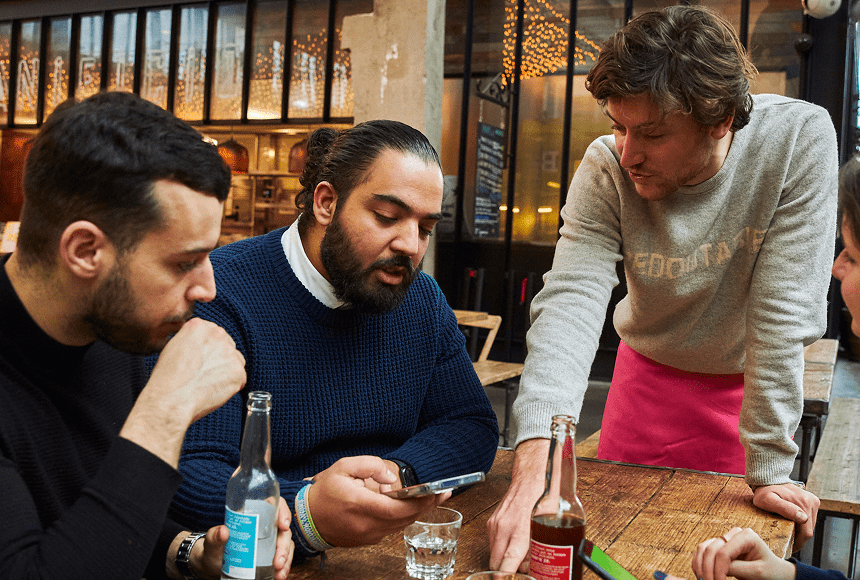
One major cause of bottlenecks is the payment process. Waiting for the check, splitting the bill among multiple people, and running credit cards one by one can chew up precious minutes. By the time diners ask for the check and the server delivers it, several minutes might already be lost.
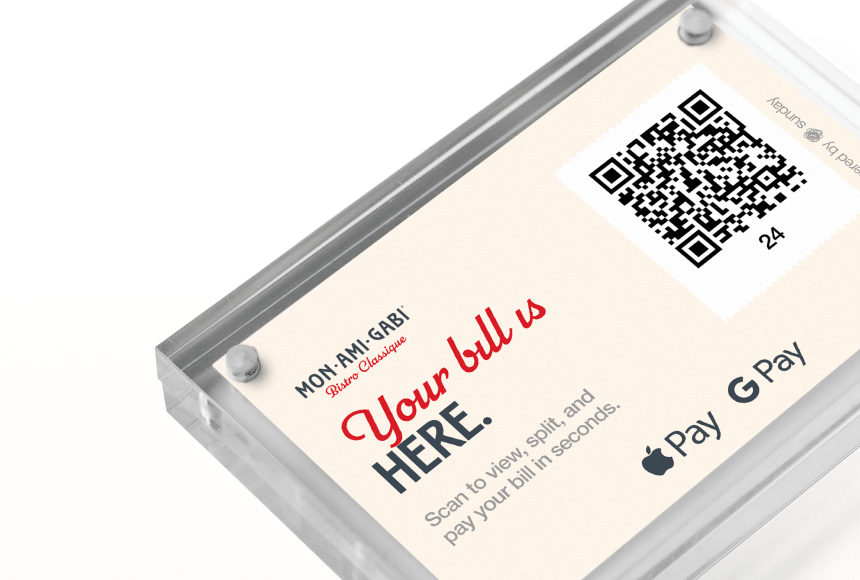
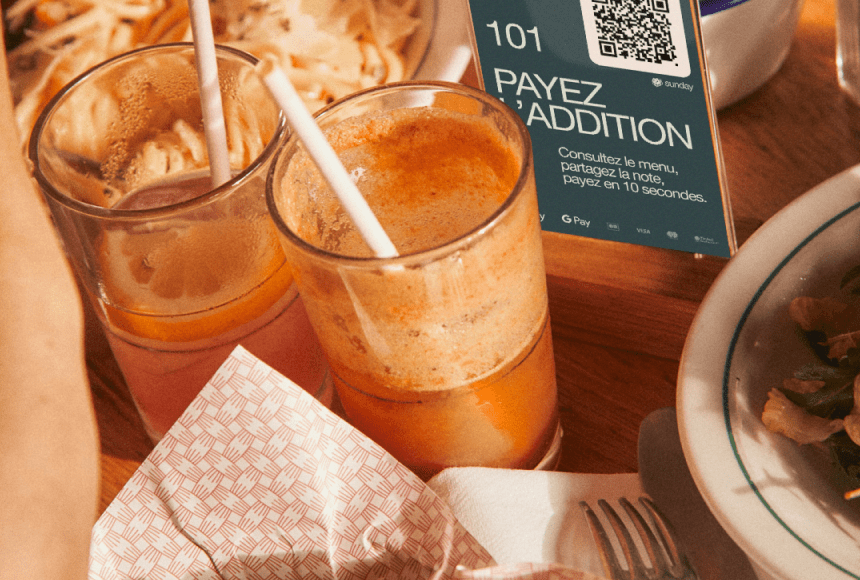
The good news: technology solutions exist to keep things fluid. Instead of relying on a traditional payment terminal or manually splitting bills, consider a mobile payment system. They help guests settle the bill in seconds. For instance, QR code solutions like sunday let diners simply scan, pay, tip, and even leave a quick review without waiting around.
This approach can bring major benefits:
- Reduced friction at checkout: Guests no longer wait for the check and the card machine. They control the process at their own pace.
- Smoother staff workflow: Servers dedicate less time to manual transactions, focusing more on delivering stellar hospitality.
- Higher tip potential: Digital systems often prompt for tipping in a friendlier way, leading to natural generosity.
As diners grow more familiar with contactless and digital payments, these methods feel modern rather than invasive. They ultimately enhance turnover by removing some of the final-phase friction.
Maintaining a Welcoming Atmosphere
There’s a fine line between optimizing efficiency and making guests think you’re in a hurry to free up the table. The solution is a welcoming environment that communicates you value each diner. Efficient service doesn’t need to feel mechanical if you weave in attentive gestures, friendly conversation, and thoughtful table touches.
Picture a calm but energetic dining floor: servers greet guests warmly, keep the pace brisk, and swiftly handle plates. Meanwhile, there’s still a sense of personal connection—a genuine inquiry about how their day is going or a quick anecdote about how the chef came up with the new dessert special. It’s heartwarming rather than rushed.
When customers feel valued, they rarely perceive efficiency as pressure. They see it as good service, leaving them with a positive impression and an openness to return. This is where your staff’s training and attitude really shine, elevating your restaurant’s reputation.
Physical Layout and Table Management
The way your dining room is laid out can have a massive impact on turnover. If tables are too close, guests may feel cramped or self-conscious. If they’re too spaced out, it can be harder for servers to maintain a smooth service rhythm. Strive for a balanced layout that allows for easy movement of staff and diners alike.
It might also be useful to think about zone management. Assign each server to a section that’s neither too large nor too small. The sweet spot ensures they can meet their guests’ needs in a timely way without being spread too thin. Once any table is cleared, that server can accelerate flipping it for the next group.
Some restaurants choose to rearrange their seating strategy during peak hours. For instance, smaller two-person tables might dominate the floor at busy lunch times. In the evening, rearranging tables for larger parties might help accommodate dinner rush. Tailoring your setup to typical traffic patterns can improve how tables turn over while satisfying different group sizes.
Watching the Clock Without Obsessing
While the goal is to optimize time, fixating on the clock can backfire. Rushing diners is the fastest way to create negative sentiment. Instead, discreetly track table times to identify potential delays. If you see that a table is lingering excessively after finishing, a friendly check-in can remind them about dessert, coffee, or next steps.
Guiding the pace is often a matter of timing your visits appropriately. Promptly clear plates after each course, let them know about dessert in a timely manner, and bring the final check right when they seem ready. You’re gently nudging the experience forward while still allowing people to savor their meal.
Data from OpenTable suggests that paying close attention to meal duration (especially around standard lunch or dinner times) can yield a 10–15% increase in daily turnover when done effectively. Just remember that the personal touch matters at every turn.
Long-Term Strategies for Sustainable Growth
Optimizing table turnover is rarely a one-off event. A truly effective strategy is an ongoing process of observation, analysis, and adaptation. Evaluate if your changes are positively impacting the dining experience. Gather feedback from your team as well as from guests. Based on what you learn, refine processes step by step.
Adapting your business plan to accommodate the growth from extra turnover is equally important. As your restaurant seats more people at peak times, your suppliers, kitchen capacity, and staff scheduling must all align. Even a small spike in traffic can strain the operation if you’re not ready for it.
Some suggestions to maintain momentum:
- Keep lines of communication open: Schedule regular staff check-ins and brainstorming sessions to see what’s working and what isn’t.
- Track key metrics: Meal duration, average check size, and table turnover are all relevant. Look for patterns, especially on specific days or times of year.
- Update your environment: Evaluate if your décor, seating, or layout needs a refresh to accommodate new traffic flow.
Sustainable growth means you not only get guests in and out efficiently, but you also keep them coming back because of a consistently positive experience.
The Subtle Role of Technology in Other Areas
Beyond payment speed, technology can strengthen the entire dining process. Tools like tablet-based menus or online ordering reduce manual errors and help guests place orders quickly. In busy restaurants, robust Point-of-Sale (POS) integrations with mobile devices allow servers to send orders straight to the kitchen without walking back and forth unnecessarily.
Meanwhile, an integrated reservation system that syncs with your POS can predict wait times more accurately. Managers see real-time data on which seats are filled and how far along each table is in their dining journey.
Technology is not meant to replace heartfelt hospitality. Rather, it supports your staff so they can focus on delighting guests. For restaurant owners targeting a strong table turnover, these tools free up employees from boring or time-consuming tasks, letting them be more attentive and prompt in serving.
Crafting a Balanced Approach to Efficiency
The ultimate measure is how satisfied guests feel while you maintain a brisk table rotation. Despite the best intentions, it’s possible to over-optimize and lose that sense of genuine hospitality. Make sure your team’s behaviors align with your vision at all times. If speed starts to overshadow warmth, reassess your strategies.
On the flip side, a restaurant that invests purely in ambiance at the expense of operational efficiency might find itself missing out on potential profits. Striving for that middle ground – hungry (no pun intended) for growth but also dedicated to a relaxed customer experience – yields the greatest results in the long run.
And whenever you notice potential friction points, think about how technology, layout adjustments, or training can help. Often, it’s those small refinements that make a big difference over time. Sometimes, a single shift in policy (like giving staff authority to handle small comps to fix service lapses on the spot) can keep tables moving smoothly.
FAQ
How quickly should a table turn over?
The ideal turnover time depends on your type of restaurant and meal period. Quick-service places might have table times of 30 minutes or less, while full-service dinner restaurants can see closer to 60–90 minutes. It’s best to identify a target that balances profitability with a comfortable dining experience.
Is it rude to clear plates before everyone is finished eating?
It depends on context. If it’s done politely and your server discreetly checks whether it’s okay to remove empty plates, most diners won’t mind. The key is to ensure no one feels rushed or singled out. Maintaining a seamless flow often helps the entire table enjoy a more relaxing experience.
Do digital payment options really improve turnover?
Yes. Having guests settle their bill via contactless or mobile solutions cuts down on time spent waiting for the final check and card machine. They can pay and leave at their convenience, freeing up the table for the next party more quickly. This also lets servers focus on service, instead of juggling multiple bills.
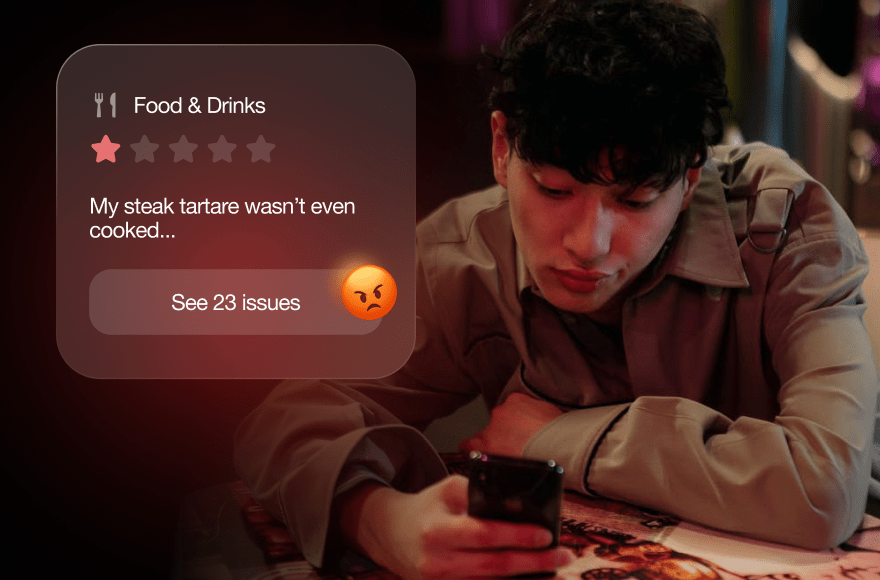
Won’t customers complain if they feel rushed?
They might if the process is handled poorly. The trick is to make each step of the meal efficient without appearing hurried. Train staff to maintain a friendly demeanor, check in tactfully, and offer prompt service. When done well, most customers appreciate efficient service, especially if it’s warm and personalized.


 1min
1min
 1min
1min