How Better Checkout Improves Both Guest and Staff Satisfaction
A smoother payment experience can make or break a guest’s impression of your restaurant. When people must wait too long to pay or struggle with outdated processes, their frustration grows, staff get stressed, and tips often decrease. On the flip side, improving your checkout can turn final interactions into high points of the dining experience. It’s about being faster, simpler, and more transparent—so guests are happy, staff feel supported, and your bottom line benefits.
The Impact of a Slow or Complex Checkout
Picture a busy Friday night: your servers are darting between tables, guests are chatting over dessert, and everything appears to be running smoothly. But as soon as customers ask for the check, the dining room seems to stall. The server hurries to print receipts, hunts down a credit card terminal, and runs back and forth to collect payment. The result? A scattered experience that can leave your guests impatient and your staff overwhelmed.
A clumsy checkout process is like letting your carefully prepared courses go cold at the last moment. No matter how stellar your entrées were, a slow payment system can overshadow the entire meal. According to the National Restaurant Association, customer expectations are rising, especially when it comes to speed and convenience. If your checkout lags behind customer needs, the final memory diners take with them may be one of frustration rather than fondness.
Staff also feel the pressure. Servers juggle other tables, refills, and side work simultaneously. When a guest is waiting to pay, any delay can tarnish that relationship and hurt your restaurant’s overall reputation. With fewer staff members available—something many restaurants are grappling with—efficiency is critical.
The True Meaning of “Better Checkout”
When we talk about improving the checkout experience, we don’t just mean “faster.” While speed is crucial, it’s also about convenience, comfort, and clarity. Guests want to control the pace of payment and trust that each step—viewing the check, adding a tip, signing—is smooth. They want zero confusion or discomfort, especially when doing something as personal as tipping.
So, “better checkout” includes:
- Speed: Quick payment handling, ensuring zero awkward waiting around.
- Control: Allowing guests to conveniently handle the process with minimal back-and-forth, possibly through digital solutions.
- Transparency: Clear check details, ensuring no surprise charges or complicated line items.
- Accessibility: Methods of payment that appeal to all diners, from digital wallets to mobile pay or simple card swipes.
- Simplicity: A flexible system that staff can learn and execute easily—saving training time and preventing manual errors.
In short, “better checkout” is about addressing the everyday pain points that frustrate both diners and your team, whether it’s unresponsive hardware, confusing instructions, or a system that just feels clunky.
Key Benefits for Guests
Why do guests care about a polished checkout? Because it conveys respect. When customers choose your restaurant, they’re giving you their time, money, and appetite. They want this final step to feel as well-orchestrated as the meal that came before it.
Here are a few benefits your guests will notice right away:
- Speed and Convenience: A well-designed checkout helps wrap up the meal quickly, so guests can head to their next destination without delay.
- Privacy and Comfort with Tipping: Some diners prefer no one peering over their shoulder. Mobile pay or personal checkout devices let guests discreetly select a tip amount and sign without feeling rushed.
- Clear Communication: Digital processes replicate the information on the check so guests can double-check charges, see suggested tip amounts, and confirm everything on their own screen.
- Peace of Mind: An efficient system reduces the possibility of billing mistakes, reassuring guests that they’re charged correctly.
- Choice of Payment Method: Whether a guest prefers to tap a card, use a phone-based wallet, or scan a QR code, offering multiple options shows you’re in tune with modern habits.
All these elements reinforce a sense of care—something guests will appreciate when deciding whether to dine with you again or recommend your place to a friend.
Key Benefits for Staff
Your team works hard, especially during peak hours. The chaos of the dinner rush can mount quickly when checkout bottlenecks occur. So, implementing a more efficient checkout system translates into tangible wins for your staff:
- Reduced Table Turn Time: When payments go faster, staff can reset and seat new parties more efficiently. More table turns often mean more revenue and tips.
- Less Stress: With fewer manual steps, your staff won’t be constantly searching for a credit card terminal or reprinting receipts.
- Effortless Gratuity Management: Clear, modern systems make tipping seamless. This typically leads to better tip experiences for servers, especially if the suggested amounts are easy to select.
- More Time with Guests: Freed from chasing down checks, staff can spend more time delivering stellar service—refilling drinks, checking on tables, or even upselling dessert.
- Fewer Errors: Mistakes in keying in totals or tip amounts can result in headaches for both staff and customers. Automated or digital processes reduce these risks substantially.
In a nutshell, your servers end their shifts feeling more in control. And when they’re less harried, staff can focus on fostering a warm connection with your guests—something that leads to better reviews and repeat visits.
Smoother Tip Management
Tipping is woven deeply into the US dining culture, which adds a layer of complexity for restaurant owners. No matter how amazing a meal is, an awkward moment at checkout can affect how a diner perceives tipping. When calculating tips is unclear—especially with complicated splits or uncertain percentages—guests get flustered.
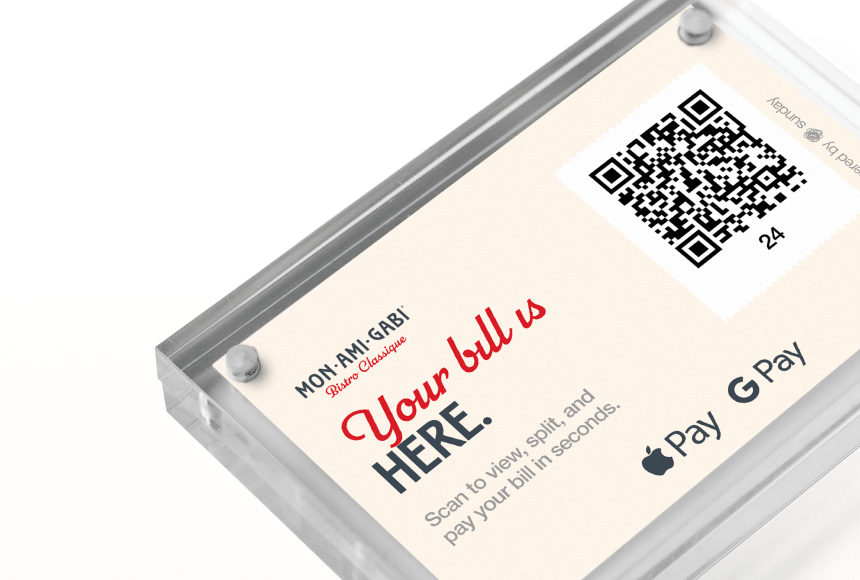
Better systems not only present tip suggestions but also simplify the process. Digital solutions, such as QR code payments offered by platforms like sunday, allow guests to select from suggested tip amounts or enter their own. This approach is transparent and discreet, which often results in higher tips and fewer misunderstandings.
Additionally, you want to avoid tip miscalculations—something that can happen with manual entry on older systems. The best payment solutions automate the tip calculation and final total, ensuring accurate credit card statements for diners, accurate payouts for staff, and minimal confusion all around.
Encouraging Positive Reviews
Beyond tips, consider that the final impressions formed at checkout can influence your online reputation. People tend to remember the last part of an experience more vividly, so a clumsy or time-consuming checkout can turn a 5-star meal into a 3- or 4-star review. By contrast, a streamlined payment that only takes a minute or two can encourage diners to leave positive feedback on Google or social channels, making it easier for new customers to find your restaurant.
Some solutions, like sunday, even build in a quick path for guests to drop a Google review while the positive vibes are still fresh. This small but pivotal detail can significantly impact your restaurant’s standing online. Word of mouth—both in-person and digital—is vital in today’s marketplace. According to publicly available data on Google reviews, most people trust online ratings as much as personal recommendations, making each star count.
Encouraging feedback right at checkout, when diners have just had a pleasant meal, also increases the likelihood that they’ll write something constructive and kind. By making it easy, you capture that goodwill at its peak.
Real-World Tips for a Better Restaurant Checkout
Now let’s put theory into practice. Here are some straightforward actions you can take to refine your own checkout process:
- Conduct a Timing Audit: Observe and record exactly how long it takes from the moment guests request the check to when they walk out the door. Aim to reduce this by 50% if possible.
- Optimize Staffing: Consider designating a service assistant or floating staff member to handle payments during peak hours. This keeps your servers’ lanes clear for actual table service.
- Train Your Team Thoroughly: If you introduce new devices or apps for checkout, offer staff easy-access guides or quick demos. Their confidence with technology directly affects your guests’ experiences.
- Create Clear Tips Prompt: Whether it’s on a handheld device or a QR code interface, let guests see the tip suggestions in a straightforward manner—no confusing percentages or hidden fees.
- Keep Hardware Updated: If you use credit card readers, make sure they’re modern, fast, and easy to use. Frequent glitching or slow processing only leads to frustration.
- Offer Multiple Payment Methods: Provide options from mobile pay to contactless card taps. The more flexible the choices, the better the experience for guests.
A consistent approach to checkout not only impacts guest satisfaction but can also reduce staff turnover. After all, no one wants to deal with the headache of outdated payment equipment or confused customers every night. By addressing the bottlenecks, you create a restaurant environment where people—not technology—take center stage.
The Role of Technology in Streamlining Payment
Technology is vital for modernizing your checkout. But it doesn’t have to be complicated. Many solutions combine ease of use with advanced features that address typical stumbling blocks in the payment process.
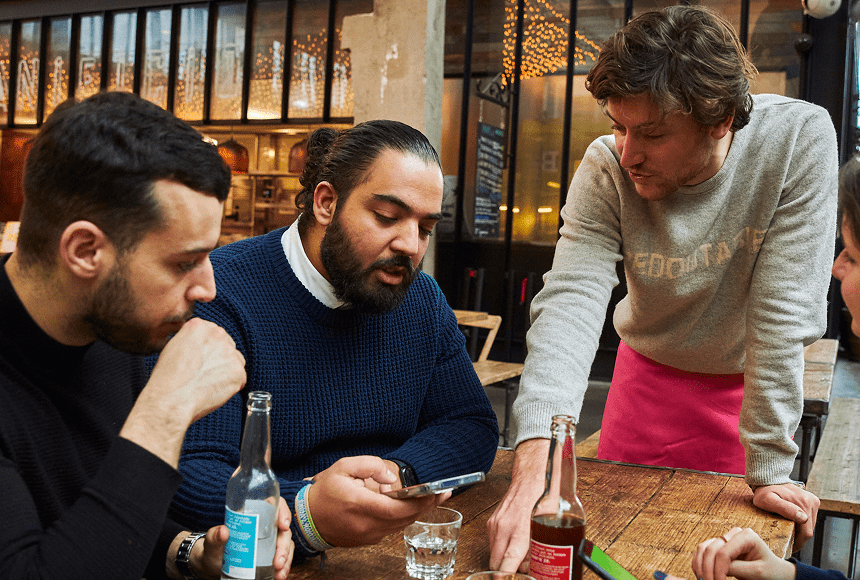
One example is using QR codes for contactless payments. By placing a small code on each table or on the check folder, you let customers scan and pay immediately from their phones. This reduces the number of steps for your staff: no need to print multiple receipts, run back and forth to the table, or awkwardly wait for customers to sign.
Not only do QR code systems speed up the transaction time, but they also empower guests to:
- View and confirm their order totals instantly.
- Select a pre-calculated tip amount or enter their own.
- Provide quick feedback or even leave online reviews on the spot.
Another notable tech upgrade is adopting digital receipts. Instead of printing multiple copies, you can text or email the receipt directly to the guest. This is not only eco-friendly but also aligns with modern consumer preferences—keeping everything conveniently on their phone.
What’s crucial is choosing technology that integrates with your existing setup. Your staff should barely notice the transition. If the technology is more complicated than the old manual system, they might be hesitant or even push back. So, look for intuitive software that communicates seamlessly with your point-of-sale platform, is easy to train on, and has robust customer support.
The ROI of Speed and Efficiency
It’s no secret: a faster checkout can lead to shorter table turnover times. But how does this translate to a solid return on investment (ROI)? Every extra minute a table is occupied by a diner waiting to pay is a minute you can’t use to seat new customers. Over time, even small improvements in efficiency add up:
- Higher Throughput: If your restaurant’s average check is, say, $25 per person, shaving five minutes off checkout per table on a busy night might allow you to seat an extra table or two—and multiply that by your total daily foot traffic.
- Reduced Stress: Less chaos means happier teams. Staff retention is a huge expense factor for many restaurant owners, and a better checkout can contribute to more stable team morale.
- Improved Tips: When checkouts are smoother, guests are often in a better mood and more inclined to tip generously.
- Boost in Reputation: Consistent positive reviews grow your customer base, thereby increasing sales. The last thing you want is a resentful review complaining about slow payment systems.
Even something as small as the ability to accept multiple payment methods in a single table transaction can make a difference. It caters to today’s diverse group of diners—families splitting bills, colleagues going Dutch, or friends chipping in via mobile apps. The more friction you remove, the more return you’re likely to gain.
Remember that every break in the dining experience is an opportunity for your competitor to step in, especially if your diners walk away unimpressed. In an age where every little detail matters, the checkout experience can be the silent hero—helping you drive repeat business and stand out from the crowd.
FAQ
1. Why is the checkout process so important for customer satisfaction?
It’s the final interaction each customer has with your restaurant. If it’s slow or confusing, that impression can overshadow even the best meal. A streamlined process leaves guests happy, which in turn boosts positive word-of-mouth and online reviews.
2. How can a better checkout help my staff?
Simplifying payment tasks reduces staff stress, helps them serve more tables, and often leads to higher tips. Efficient checkout systems also cut down on billing errors, which means fewer disputes and a smoother end-of-day closeout for everyone.
3. What role does technology like QR code payment play?
QR codes enable contactless, self-managed transactions. Guests scan, review their bill, tip, and pay right on their phone, freeing your servers from multiple steps. It’s quicker, more transparent, and many modern diners actually prefer this kind of flexibility.
4. How does a fast checkout improve my bottom line?
By reducing the time tables stay occupied, you can serve more guests—particularly during rush hours. Faster payments also lead to a better reputation, resulting in higher customer retention and more potential for repeat visits.
5. Is it difficult to train employees on a new payment system?
It doesn’t have to be. Many newer solutions, such as sunday, are designed with user-friendliness in mind. A short demo is often enough for staff to pick it up. The key is choosing technology that fits seamlessly into your existing workflow without excessive complexity.
6. Will adopting a fully digital payment method alienate customers who prefer more traditional options?
Professional solutions allow you to offer all types of payment methods—card swipes, contactless, mobile pay, and more. Providing multiple options ensures that no one feels excluded. If a guest wants a printed receipt or to pay with cash, that’s still possible.
7. Does a better checkout guarantee more tips?
While nothing is guaranteed, customers who enjoy a frictionless experience are generally more positive and tend to express it through higher gratuities. Systems that display tip suggestions can also gently encourage diners to tip a bit more.


 1min
1min
 1min
1min