Ensuring Equitable Tip Sharing During the Busy Holiday Rush
During the holidays, restaurant foot traffic often leaps, creating unique challenges for tip distribution. Maintaining fairness is critical for staff motivation and retention. Various models—tip pooling, point-based splits, performance bonuses—can all be beneficial if handled transparently. Clear communication, accurate tracking, and legal compliance matter just as much as the structure itself. Timely and open discussions with your team build trust. Emphasizing a seamless digital payment solution also helps reduce human error and fosters transparency. In the end, a well-planned tip distribution system elevates both employee morale and overall guest experience.
Understanding the Holiday Surge – And Its Impact on Tips
The holiday season typically means packed dining rooms, festive gatherings, and the never-ending buzz of orders. While this surge often leads to increased revenue, it also complicates tip distribution. Servers, hosts, bartenders, barbacks, and sometimes back-of-house staff all have roles in delivering memorable experiences. The intensity of holiday foot traffic means a higher volume of tips, which is wonderful news, but it also raises pressing questions about fairness and sustainability.
The real charm of the holidays—and a key reason that guests often tip more generously—is the spirit of giving. But the workload can quickly become overwhelming. Long hours, continuous table turns, and special holiday menus add layers of complexity for both management and staff. Consequently, decision-makers face the twin challenge of ensuring customer satisfaction and fostering team unity. Handling tips can be a delicate process; unclear or inequitable distribution may breed resentment, damage morale, and prompt staff turnover. By creating a fair system that’s easy to understand, restaurant owners can maintain a happy, motivated team even in the swirl of holiday chaos.
Navigating US Laws and Local Regulations
Tip distribution in the United States is governed by a tapestry of federal and state regulations. The U.S. Department of Labor outlines guidelines ensuring that restaurant employees who receive tips are protected from unfair practices. Generally, the federal rules clarify the concept of a tip credit, minimum wage requirements, and acceptable tip pooling arrangements. However, the specifics can vary widely by state and city. For instance, some jurisdictions allow for a tip credit—paying tipped employees a rate below the non-tipped minimum wage—if tip pooling meets specific conditions. Others enforce higher minimum wages and have stricter limitations on who can participate in a pool.
Understanding these regulations prevents legal troubles and fosters trust among your team. If a manager or owner includes themselves in the tip pool, or if the distribution formula appears arbitrary, you could face a compliance issue. Documenting and communicating local laws is therefore essential. Proactive measures might include posting labor law guidelines in break rooms, discussing wage and hour rules at staff meetings, or offering short training sessions about tip pooling policies. Clarity in this domain exemplifies a transparent, respectful culture that strengthens loyalty among employees—vital during the holiday rush and beyond.
Choosing an Appropriate Tip Distribution Model
Restaurants commonly rely on a few models for distributing tips. Each approach has its pros and cons, and the choice often hinges on factors such as team structure, business size, and local norms. What feels fair and manageable for a high-end urban bistro may differ from what works for a family-style diner in a smaller community. During the holiday season, the influx of diners and potential staff turnover can complicate matters further. Here are a few approaches to consider:
- Individual Tip Keeping: Each server keeps tips earned from their station or table section. This system rewards diligent, high-performing staff but can neglect collaboration. If one staffer benefits from prime floor placement while another faces slower foot traffic, disparities can ignite tension.
- Tip Pooling: All tips collected over a shift go into a shared “pool,” which is then distributed among eligible employees. While this can foster teamwork—since everyone’s efforts combine to create memorable experiences—it also might reduce motivation for servers who excel at upselling if the reward is diluted.
- Point-Based Splitting: Sometimes also called “point-based tip sharing,” this model assigns points to job roles based on responsibility and skill. A bartender might get a higher point value than a runner, for instance, reflecting different levels of customer interaction. The tip amount is then allocated proportionally according to the point totals.
- Performance Bonuses: A partial system for the holidays might allocate a certain percentage of tips to a collective bonus pool that’s split according to performance metrics. This approach can motivate staff to provide excellent service, particularly during the high-pressure holiday crunch.
Each method can work under the right circumstances, but fairness hinges on how clearly these rules are laid out. If your employees sense misalignment between effort and reward, team spirit can dissipate quickly. Take time to consult with your staff, explain the reasons behind the chosen system, and remain open to tweaking the details based on real-world feedback. For many restaurants, a blended strategy—combining a general tip pool with specific performance-based bonuses—strikes the best balance.
Open Communication: The Cornerstone of Fairness
Communication is vital to any successful operation, but it becomes especially important when money is on the line. Nobody likes to feel shortchanged, and employees who are uncertain about how tips are calculated may grow resentful—or assume the worst. The best solution is a policy of transparency: outline the tip distribution model clearly, list eligible roles, and specify exactly how each tip is split. Provide actual examples or hypothetical scenarios (like describing a holiday weekend shift) to demonstrate how the numbers come together.
Hold staff meetings to discuss how heavy holiday traffic might affect tip distribution. Invite team members to voice questions and concerns openly. Clarify how shift differentials, large parties, or private events could alter normal tipping patterns. When people are informed and heard, they’re more likely to accept the system—even if they don’t always agree wholeheartedly with its every nuance. Remember to highlight that the goal is to maintain a supportive, unified atmosphere—even if that means spreading tips across roles in ways that some individuals have never experienced.
Leveraging Digital Solutions and Payment Systems
Technology makes it easier to handle tip distribution without the hassles of manual tracking or day-long counting sessions. An integrated payment solution can record all tip amounts in real time, categorizing each transaction and assigning tips according to your chosen model. This removes the guesswork and risk of human error, especially in the frenzy of the holiday season, and it adds transparency that staff can trust.
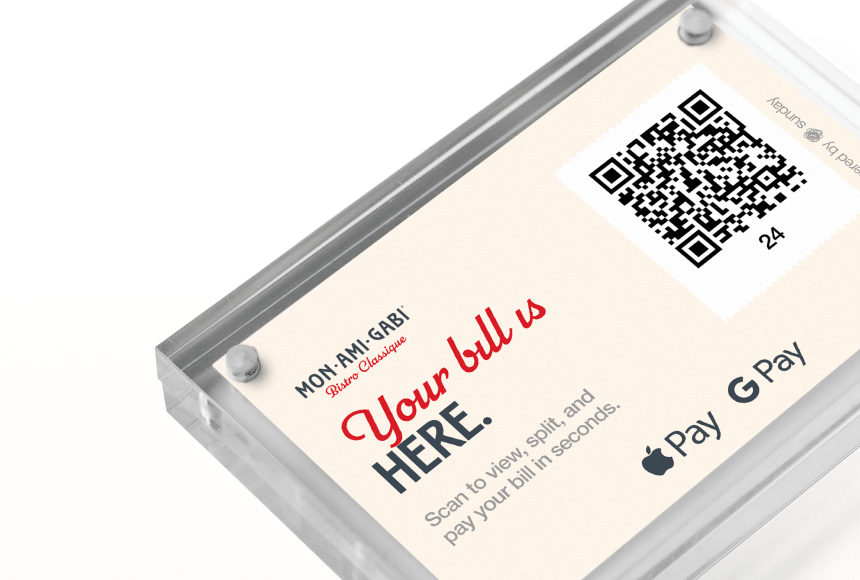
Platforms like sunday provide a seamless way to close checks, leave tips digitally, and even request feedback from guests. Imagine a server scanning a simple QR code at the table, guiding customers through payment, tip selection, and a chance to leave a quick review if they feel inspired. Data is captured instantly, so at the end of a shift, managers can generate reports that detail how much each staff member earned. This reduces the potential for conflicts and shortens the time managers spend calculating the distribution manually. In peak holiday times, every saved minute counts.
Beyond the obvious efficiency boost, digital tip management fosters a sense of fairness that resonates with modern diners. People appreciate straightforward technology and are often more willing to leave higher tips when the process is intuitive. Meanwhile, staff value the immediacy of results and the sense that there’s a digital “paper trail” ensuring no tip is overlooked or incorrectly assigned.
Strategies for Managing Stress and Maintaining Morale
Holiday stress can be overwhelming for a restaurant team. Double or triple the usual traffic, plus special menu items and events, can lead to frayed nerves. Even the most seasoned pros can tire under these conditions, and tensions can rise if tip distribution is perceived as unjust. To maintain high morale:
- Acknowledge Hard Work: Nothing goes further than a heartfelt “thank you.” Recognizing the sacrifices your employees make—especially when they might be missing out on their own family gatherings—demonstrates genuine appreciation.
- Offer Perks: Small gestures such as buffet-style staff meals, flexible scheduling for personal holiday commitments, or even a “holiday spirit” bonus can help. When possible, a warm beverage station in the break room or end-of-shift snacks show that management values employee well-being.
- Set Clear Expectations: During peak hours, everyone should know their tasks, table assignments, and responsibilities. An organized approach reduces confusion and arguments about who takes which table—and ultimately ensures tip-sharing remains transparent.
- Encourage Team Feedback: Provide a simple channel—perhaps a suggestion box, short surveys, or a quick Slack channel—where employees can express concerns or improvement ideas. Channeling feedback into constructive outcomes shows that you’re invested in the team’s perspective.
Even with an excellent distribution model in place, missteps happen. Apologizing when mistakes occur and rectifying them quickly sends a powerful signal of respect. Such an approach builds the loyalty needed to ride out the holiday surge while minimizing drama behind the scenes.
Simple Arithmetic and Tracking Mechanisms
When it comes to tip math, complexity is the enemy of trust. A tangle of complicated formulas only confuses staff and potentially sows suspicions about fairness. Make everything as simple as possible from the start. Some restaurant owners opt for a straightforward percentage approach—say, front-of-house staff keep 80% of the pooled tips, while back-of-house receives 20%. Or a point-based system might assign:
| Role |
Points |
| Server |
5 |
| Bartender |
4 |
| Food Runner |
3 |
| Busser |
2 |
At shift’s end, you tally up the total points earned by all roles, calculate each role’s percentage, and multiply by the total tip pool. With digital POS and payment solutions, these calculations can be automated. The result is a distribution that everyone can see and understand. Accuracy builds trust—particularly important when holiday tips can be higher than average.
Addressing Large Parties and Special Events
Holiday banquets, corporate gatherings, and family reunions can all change the tipping landscape. These large-scale events may generate substantial gratuities, which might be automatically applied (e.g., an 18% service charge for parties of six or more). Employees might wonder whether these tips go straight to the server assigned to that group or are shared with the entire staff.
Establishing guidelines for large-party tips before the season starts helps avoid friction. Some restaurants pool every large-party automatic gratuity to distribute among those who supported the event—servers, food runners, bartenders, bussers, and possibly kitchen staff. Others let the primary server keep a portion, while the rest is shared. Either approach can be fair if it’s clearly stated in the employee handbook or posted for staff to see. Proactively communicate these guidelines to employees who will be managing special events, so they don’t have to wonder or argue once the festivities are in full swing.
Consider how these large-group policies might affect employees’ preferences for certain shifts. Sometimes staff are disappointed if they’re assigned to a big party that includes a preset tip, since they might have earned more working multiple smaller tables with spontaneous gratuities. By planning carefully—and revisiting your approach as necessary—you can keep everyone content with the extra hustle that large parties bring.
Scenario Planning for the Holiday Chaos
In the spirit of preparedness, scenario planning can be instrumental during the holiday surge. Think of it as a culinary simulation: set aside time to imagine potential tip distribution challenges under different conditions. What if a major snowstorm forces cancellations but the few diners who do show up tip exceedingly well? What if a locally hosted event draws an unusually large crowd, straining your staff?
By mapping out these possibilities, you can create guidelines on how to handle sudden influxes or unexpected shortfalls. Decide if shifts need rebalancing, if an “all-hands” approach can bolster the hosting area, or if bartenders might need more support. Have a stand-by plan for adjusting tip splits if certain roles put in far more labor than usual. This level of foresight can protect your restaurant from frantic decision-making under pressure. Moreover, employees will appreciate a systematic approach instead of ad-hoc, last-minute rulings that might feel arbitrary.
Encouraging Generosity Through Service Excellence
The best way to increase tips across the board is by enhancing the guest experience. During the holiday season, many diners are inclined to be more generous, but they also notice how smoothly—or awkwardly—a restaurant handles high volume. A polished service can translate into bigger tips, which, when fairly distributed, can boost morale. Here are key areas to focus on:
- Speed and Efficiency: Keep guests happy by minimizing wait times. Thorough training and well-planned scheduling are your allies here.
- Personalization: Encourage servers to greet repeat customers by name or mention their last favorite dish if it’s on the current menu.
- Attention to Detail: A missed drink refill or a forgotten side dish is magnified during busy periods. A watchful eye and consistent communication among staff go a long way.
- Festive Touches: Small gestures, like a holiday-inspired dessert sampler or décor that makes the room cozy, can make diners feel cherished. When guests are in the holiday spirit, they’re often more openhanded with their gratuities.
A robust tip distribution system that aligns with these service standards tells your team: “We excel, we share, and we all win.” This unifying message has the potential to cultivate a supportive environment that resonates with both staff and guests.
The Role of Training and Cross-Training
During the frenzied holiday season, unexpected staffing challenges may appear out of nowhere—someone calls in sick, an event runs later than planned, or you find yourself with an unforeseen rush after a local festival. Training and cross-training are lifesavers here. By ensuring multiple staff members can handle diverse tasks, you not only keep operations running smoothly but also ensure that tips are earned and distributed fairly among contributors.
A server who can also run food or help behind the bar can fill gaps quickly. A busser trained to help greet guests can free up a host who’s busy with phone orders or deliveries. When employees realize management has thoroughly prepared, they tend to be more willing to step in beyond their usual roles. This collaborative spirit is the very backbone of an effective tip distribution approach: if your restaurant thrives on an “all for one” attitude, employees are more likely to accept pooling or shared structures graciously.
Tracking Success With Feedback and Metrics
After implementing or refining a tip distribution system, tracking key metrics is crucial. Pay attention to average tip percentage per shift, staff turnover rate, customer satisfaction ratings, and comments on social media or review platforms. Seeing positive trends in these areas often signals that your strategy is working. Of course, monetary indicators are only part of the picture. Survey staff about their perception of fairness and gauge overall morale.
If employees are openly discussing improvements or praising the system, it’s often a sign that your tip distribution approach is hitting the mark. On the flip side, if the complaints pile up or staff begin to leave for competitors, it could be time to reevaluate the process. Ask employees for solutions. Often, those on the front lines are the best at identifying how to tweak point systems or allowances for back-of-house staff. Engaging them in the process fosters trust, and it’s an opportunity for them to develop leadership skills.
Recognizing the Unique Joy of Holiday Hospitality
In the midst of frantic schedules, it’s easy to lose sight of why many hospitality professionals entered the industry: delighting guests in a celebratory atmosphere. The holidays amplify that sense of warmth, but they can also heighten pressures to meet expectations. A balanced, transparent approach to tip distribution is more than just a management tool—it’s a reflection of your restaurant’s culture.
When your team embraces the goal of fairness, each member can focus on delivering phenomenal service without fixating on potential tip inequities. It’s a relief for everyone: managers can concentrate on big-picture operations, while staff can devote their energy to pleasing guests. The inevitable holiday rush becomes a shared triumph, rather than a stress-laden slog. And as your employees go the extra mile—offering genuine smiles, remembering special requests, and weaving the magic of the season into every interaction—customers often reach for their phones or wallets to show extra appreciation.
FAQ
1. Can managers or owners be part of the tip pool?
According to federal regulations, managers, supervisors, and owners are generally barred from participating in tip pooling arrangements. The U.S. Department of Labor makes this distinction clear. Violating these guidelines can lead to legal repercussions, so it’s best to ensure that only eligible staff members receive pooled tips.
2. How can I handle employees who complain about the distribution method?
Listening is the first step. Encourage an open dialogue about their concerns and explain the reasoning behind your chosen method. Whenever possible, provide data—like sales records, average checks, and examples demonstrating the fairness of the system. If repeated complaints arise, consider small adjustments, especially if multiple employees identify the same shortcomings.
3. What if different states in which I operate have distinct rules?
It’s not uncommon for multi-location restaurants to deal with varied tipping regulations. The best approach is to adapt your tip policy separately for each region, ensuring full compliance with local laws. Transparency matters: make certain your staff knows the differences and why they exist.
4. Should I weigh front-of-house roles more than back-of-house?
Many restaurants do, because front-of-house staff have direct contact with guests. However, the reality is that back-of-house workers also play a major role in the guest experience—delicious meals keep them coming back. A distribution model that recognizes both efforts is often the best path to team unity and retention.
5. Are automatic gratuities for large parties still considered “tips?”
In many jurisdictions, an automatic service charge added to a large party’s bill is not technically considered a tip but more of a mandatory charge. That means an employer may distribute it differently than a voluntary tip. Some operators still call it a gratuity, but from a compliance standpoint, it’s essential to follow local laws on service charges and educate employees accordingly.
By staying transparent, simplifying calculations, and consistently recognizing your team’s hard work, distributing tips during the holiday rush can be an uplifting, unifying experience. Even in the busiest seasons, a fair and well-structured approach helps employees feel appreciated—and that’s the real recipe for holiday cheer in any restaurant.


 1min
1min
 1min
1min