Stay Energized When December Hits at Full Speed
Picture a dining room in full festive swing, servers darting between tables, and a kitchen working overtime to satisfy hungry customers. This is peak season for restaurants. The pace is relentless and burnout can creep in fast. It doesn’t have to be that way. By setting realistic boundaries, optimizing staff schedules, leaning on efficient payment solutions, and nurturing a positive culture, you can keep spirits high when the holidays roll around. Healthy communication, a supportive environment, and modern technologies make a huge difference in preserving energy levels and delighting guests. Focus on smart planning and self‑care to stay strong all month long.
Identifying the Early Signs of Burnout
Like an overcooked steak that no longer sizzles, burnout leaves your team exhausted, disillusioned, and disconnected. While December may be the busiest time, the symptoms often begin much earlier, sometimes in subtle ways. Pay attention to:
- Fatigue: If you or your staff feel unusually drained—even after a decent night’s sleep—it’s a warning sign that the workload may be unsustainable.
- Irritability: Snapping at coworkers or guests when it’s not typical behavior can signal stress overload.
- Increased Mistakes: Errors in order-taking or miscommunication in the kitchen often reflect mental strain.
- Decline in Customer Satisfaction: Tired, overworked teams are less likely to deliver the warmth and attention patrons expect.
Spot these signs as soon as possible. Burnout is easier to prevent than to cure. Once you’re aware, it’s time to recalibrate in a way that keeps enthusiasm—and results—at a healthy high.
Streamlining Operations to Minimize Stress
December often means juggling regulars, holiday events, and a rush of new faces eager to celebrate. The added pressure can quickly lead to operational bottlenecks. To avoid chaos, consider taking a fresh look at every major part of your operation.
Optimize Your Menu
A well-crafted menu not only delights guests—it supports your kitchen and waitstaff too. During peak times, it’s okay to trim down complex offerings that demand extra labor or specialized ingredients. Classic holiday specials can be successful crowd-pleasers, but focus on streamlined versions your team can prepare without overextending themselves. This strategy preserves quality and speed, limiting the frantic hustle everyone wants to avoid.
Improve Table Turnover Efficiently
No one wants their meal rushed. However, finding ways to reduce wait times for both ordering and checkout can boost sales and ease pressure in the dining room. Digital ordering platforms, table management software, and user-friendly payment options can do wonders.
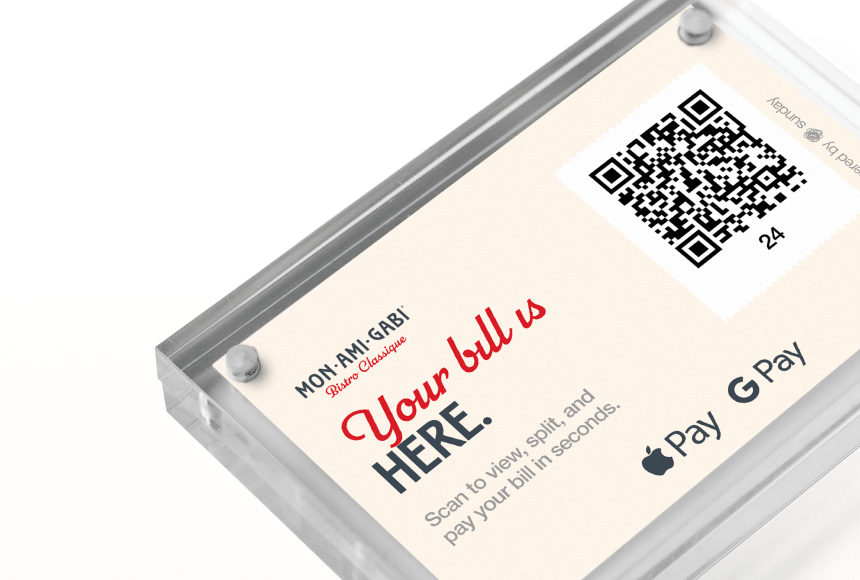
For example, letting customers pay at the table by scanning a QR code to handle their checkout increases convenience for them and reduces the server’s load. By adopting solutions like sunday, your guests can quickly settle their bills, add a tip, and even leave a Google review—further improving your online presence. You free your staff from the time-consuming back-and-forth of payment processing on busy nights, letting them focus on guest experience.
Digitize Reservations and Waitlists
Gone are the days of bulky reservation diaries. Relying on a digital reservation system makes every seat count. With real-time data, you’ll know exactly when you can fit in last-minute arrivals or space out larger groups. This helps prevent over-commitment that can wreak havoc in your dining room and keep your kitchen from experiencing nonstop ticket surges.
Fostering a Supportive Team Culture
When restaurant staff feel respected and supported, they’re better able to handle the holiday blitz. While certain aspects of December stress are inevitable, a strong team culture cushions the impact and V yours staff from heading toward burnout. Consider the following steps to create a welcoming workplace:
- Encourage Open Communication: Hold brief pre-shift meetings to check in. Ask how everyone’s feeling, highlight the day’s goals, and address any challenges upfront.
- Provide Flexible Scheduling: Where possible, accommodate your staff’s personal needs. The holiday season is demanding, but giving employees a say in their shifts fosters goodwill and loyalty.
- Celebrate Milestones: Did your prep cook come in early for a big catering event? Has your server received outstanding feedback from last night’s party? Recognize achievements publicly, reinforcing positivity and mutual respect.
Building a positive environment isn’t a quick fix; it’s an ongoing effort. It’s well worth investing time and resources into uplifting your team—especially when holiday crowds keep everyone on their toes.
Practical Stress-Management Techniques
When the clock is ticking and customers are lining up at the door, “take a deep breath” might elicit eye-rolls from exhausted staff. Yet small mindfulness cues—integrated properly—do help. Here are some practical methods to weave stress reduction into the daily rhythm of your restaurant:
- Micro-Breaks: Encourage staff to step away for a minute, either to stand by a quiet corner or take a quick stroll out back. Even 60 seconds can help clear the mind and reset.
- Breathing Exercises: Teach everyone a simple breathing technique: inhale deeply for four seconds, hold for four, exhale for four, hold for four—and repeat. It’s discrete enough to do before greeting a new table.
- Task Rotation: Rotating tasks (like running food or restocking supplies) can break the monotony and prevent burnout. Those in back-of-house roles might benefit from a quick front-of-house assignment and vice versa.
- Team Huddles: Brief group check-ins can turn pressure into a shared challenge instead of an individual burden. Foster accountability but also remind employees that they’re not alone.
These tactics might seem small, but cumulatively, they make a real difference in mitigating burnout. They’re also an affordable, accessible way to keep staff morale in good shape during demanding times.
Prioritizing Mental Health
Beyond immediate stress-management tools, focusing on mental health is crucial to sustaining energy over a chaotic month. One in five US adults experience some form of mental health challenge each year, according to the National Alliance on Mental Illness (NAMI). High-pressure restaurant environments can significantly compound those challenges. While you’re not expected to become a licensed counselor, you can nurture a culture of empathy, which includes:
- Offering Resources: Provide a list of local mental health services or organizations that employees can turn to if they need support.
- Encouraging Breaks and Days Off: Even in the busiest month, staff need genuine rest. Ensure schedules reflect a realistic balance of hustle and downtime.
- Leading by Example: If you’re feeling overwhelmed, it’s okay to let your team know you need a moment or an afternoon to recharge. This demonstrates that mental health is a priority, not just a slogan.
Building mental health awareness into your workplace is a valuable investment in your team’s long-term performance. Employees who feel valued and emotionally healthy are much more likely to deliver top-notch service throughout the holiday rush—and beyond.
Leveraging Technology for Easier Workflows
Gone are the days when a busy December meant stacks of receipts by the cash register and scribbled order notes. With user-friendly technology, you can simplify tasks and empower your staff to operate more efficiently under pressure.
Efficient Payment Solutions
If you rely on credit card machines at the register alone, you risk bottlenecks for staff and guests. Modern payment solutions, such as sunday, help your customers split the bill themselves, select a tip amount, and pay in seconds. Less waiting means better guest satisfaction, fewer “Where’s my server?” inquiries, and a smoother flow for your floor team. It’s especially helpful when your dining room is packed with holiday parties eager to handle the bill quickly and keep the celebrations going.
Staff Communication Apps
Instant messaging platforms tailored to restaurants can streamline scheduling, daily specials announcements, or last-minute changes in staffing. Alerts pop up on employees’ smartphones, ensuring nobody misses a new development. Clear, immediate communication fosters a sense of control that helps your team stay focused. It also reduces the stress from mismatched expectations, something that often leads to burnout.
Inventory Management Tools
Frantically scanning the fridge for ingredients during a rush is nerve-racking. Automated inventory systems track items in real time, sending alerts when it’s time to reorder. No more nasty surprises right in the middle of a peak seating. This technology not only saves time but also spares your chefs from the frustration of realizing they’ve run out of an essential item—again.
Smart Hiring and Onboarding
While it may be impractical to double your permanent staff just for December, hiring a few well-trained seasonal workers can lighten the load. Ensure you provide critical information during onboarding—like how to handle your digital payment solution and key points of your workplace culture—so new hires aren’t left guessing.
Some restaurants invest in short but precise training modules, delivered online, to get new hands up to speed rapidly. Emphasize efficiency, responsibility, and teamwork, so your existing staff doesn’t feel like they’re babysitting new recruits. A smooth integration reduces friction, speeds up service, and lowers stress levels across the board.
Nurturing Guest Experience Without Exhausting Staff
Maintaining high standards of hospitality shouldn’t come at the expense of your team’s sanity. Sometimes, guests can sense if your staff is overwhelmed, which can taint an otherwise enjoyable meal. Consider these tactics to balance both worlds:
- Adjust Seating Capacity: If your space and local regulations allow, add a few extra tables or bar seats only if you’re confident in your ability to serve them. Overcrowding leads to rushed service and hungry customers waiting too long.
- Create Self-Serve Stations: For certain items—like coffee refills—set up a self-serve station. Customers appreciate the freedom, and it lightens the server’s load.
- Encourage Efficient Ordering: Train your servers to suggest popular combos or specials. This can streamline back-of-house preparation and reduce order times.
- Keep Smiles Genuine: Remind your staff that a genuine smile can soothe frazzled nerves—both for them and for patrons. When the environment feels supportive, authenticity shines through more easily.
The takeaway is you can elevate the guest experience without sacrificing your staff’s well-being. A bit of creativity and rethinking the usual flow go a long way toward achieving that crucial balance.
Financial and Operational Planning
The surest path to an overworked team is a restaurant running on guesswork. As December creeps closer, get serious about your numbers and forecasts. Clear planning can avert crises and provide a safety net for your staff.
Budget Wisely
A holiday rush can bring impressive sales, but it also incurs higher overheads—extra supplies, festive décor, and possibly overtime pay. Creating a budget with these factors in mind ensures you’re not blindsided by inflated costs. When finances are stable, you can pay staff fairly and perhaps even offer end-of-year perks that lift morale.
Set Realistic Goals
Aiming for record-breaking holiday sales is fantastic, but pace yourself. If you push for too much growth too fast, the stress on systems and people will be palpable. Strive for targets that inspire without overextending your resources. This balanced mindset helps sustain a confident, hardworking team—one that remains upright when the month finally ends.
Build a Buffer
If possible, set aside a cushion in your budget and schedule to accommodate unexpected spikes in demand. Having a reliable contingency plan—be it extra staff on call or a bit of financial wiggle room—prevents you from scrambling at the first surprise. Your team will appreciate the sense of calm, knowing you’ve prepared for the “what ifs” that inevitably pop up during the busiest time of year.
Balancing Work and Life Outside Restaurant Walls
It’s tough to clock out when your business is your passion. Still, never underestimate the power of personal restoration to maintain peak performance. Burnout can strike restaurant owners just as easily as line cooks or servers. So how can you guard against it?
- Schedule Personal Downtime: Even 30 minutes to decompress after closing can make a major difference to your energy levels.
- Stay Active: Whether it’s a weekly yoga class or a brisk walk in the morning, physical activity helps clear your head.
- Limit Technology: Constant phone alerts—new reservations, staff group chats, supplier emails—can intrude on necessary quiet time. Consider silencing notifications after a certain hour.
Why does this matter? Because when you’re recharged, you have more to give to your staff and your clientele. A healthy, rested owner sets the tone for the entire establishment. You’ll also make better decisions, from menu changes to conflict resolution, when you’re not running on empty.
Why Resilience Matters Beyond December
With the frenzied end-of-year celebrations, it’s tempting to adopt a “just get through it” mindset, hoping January will magically restore everyone’s energy. But burnout can linger well into the new year if left unaddressed. By taking deliberate steps now, you build resilience that will bear fruit in off-peak months as well. Over time, you’ll see a healthier workforce, fewer turnovers, and more consistent guest satisfaction. Restaurant owners who prioritize balanced workflows typically find themselves in a better position to innovate, expand, or weather economic downturns. It’s not just about December—it’s about long-term sustainability.
FAQ
This frequently asked questions section addresses common concerns about managing the holiday surge, preventing burnout, and leveraging tools like sunday for better restaurant operations.
Q: What if my restaurant is already behind on holiday prep?
A: Acknowledge what’s feasible given the time left. Streamline your menu to high-margin, lower-labor dishes so your kitchen can handle the rush. Consult with your staff about which items are most workable under pressure. Also, consider quick-win technologies like QR payments and digital menus to reduce friction and speed up service.
Q: How can I keep staff motivated when they’re working long hours?
A: Constantly recognize good performance—whether that’s team accomplishments or individual milestones. Offer small, thoughtful perks (like a staff meal upgrade or a surprise treat). Ensure open communication, so concerns or ideas get heard. Managing holiday stress is about team unity and feeling appreciated despite the intensity.
Q: Are there any cost-effective ways to improve efficiency?
A: Absolutely. Free or inexpensive scheduling apps can help you avoid over-staffing or under-staffing. Likewise, leveraging digital payment solutions like sunday can reduce labor-intensive processes. Simplify your menu: sometimes cutting down complicated dishes is the easiest way to tighten operations. Also, check resources from the National Restaurant Association for more tips on improving efficiency without overspending.
Q: Do I need special training for my team to use a solution like sunday?
A: Typically, no. QR-based payment systems are straightforward. You can walk your staff through the basics within minutes—showing them how guests scan the code, leave a tip, write a Google review, and finalize payment. The faster your team masters the tech, the more time they have to focus on genuine hospitality.
Q: What if I see signs of serious burnout in an employee?
A: Take it seriously. Give them time off if possible or reassign them to a less demanding role temporarily. Share any local mental health resources or crisis hotlines. Check in regularly—demonstrating genuine care can help them recover and strengthens your relationship in the long run.
As December ramps up, remember you and your restaurant can thrive with the right mix of strategic planning, supportive culture, and modern technology. Keeping energy levels steady isn’t just nice in theory; it’s essential for the success of your establishment—both in peak holiday season and far beyond.


 1min
1min
 1min
1min