Building Profit-Shielding Strategies with Effective Restaurant Workflows
Smart workflows help restaurants handle low season slumps by cutting unnecessary costs, improving staff efficiency, and boosting guest satisfaction. From accurate scheduling to reduced inventory losses, streamlined processes protect profit margins even when tables aren’t fully booked. Digital tools like QR code payments can reduce manual tasks, allowing employees to focus on experiences that generate more revenue. Leveraging data for precise forecasting also prevents overspending, while promoting new offers entices cautious diners. By putting guests first and empowering teams, smart workflows help restaurants weather slow months and remain profitable.
The Seasonal Slump: Why Margins Suffer
Every restaurateur is aware of those inevitable off-peak weeks. Maybe they occur after big holidays or during harsh winter months when foot traffic drops. A decrease in customer volume directly chips away at revenue, which can make regular expenses—like rent, utilities, ingredients, or labor—feel even heavier.
Many owners resort to layoffs or short-term fixes, but these often cause lasting damage to reputation and operations. A more strategic approach is to optimize each stage of your workflow. This way, even when fewer guests walk through the door, you’re primed to deliver a great experience while protecting profitability.
Workflow Basics: The Key to Consistent Profit
A workflow describes the step-by-step processes that keep your restaurant running. From how you handle reservations to how staff use your point-of-sale (POS) system, each workflow has an impact on operating costs and guest satisfaction. Smart workflows streamline these processes with minimal waste and maximum transparency.
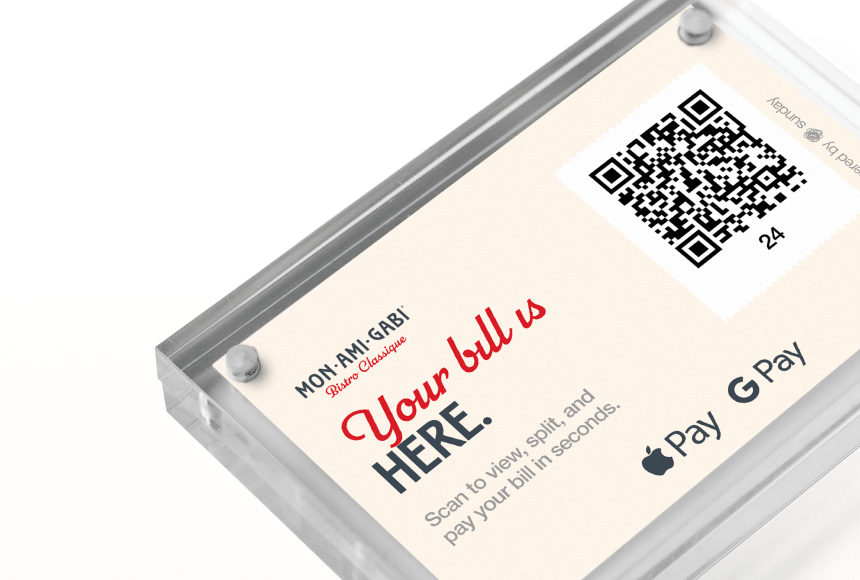
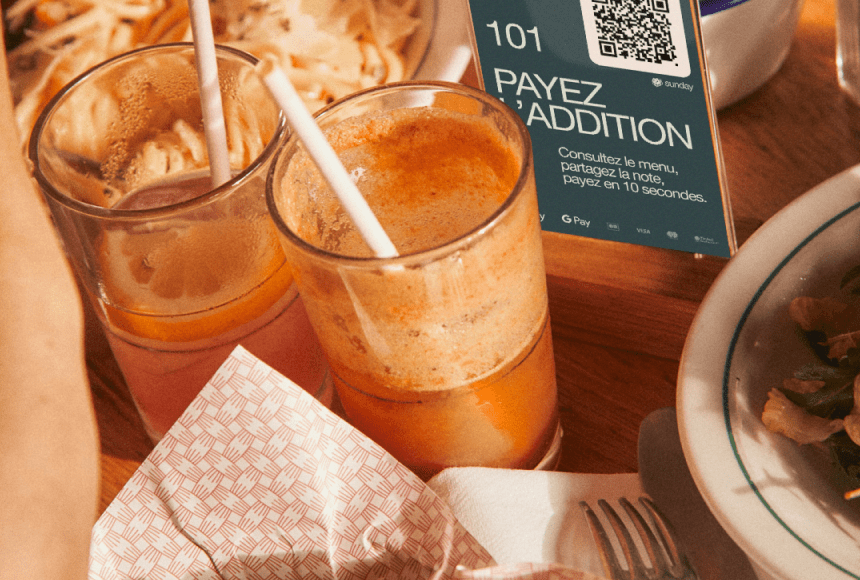
Consider using technology to free up teams’ time. For example, scanning a QR code to instantly view a menu or pay the check reduces manual tasks like printing and distributing menus, carrying bills to and from tables, and re-entering transactions. This kind of efficiency doesn’t just save time—it taps into modern guest behaviors and preferences.
Spotlight on Digital Payment Solutions
For many restaurant owners, the payment process may feel like a small fraction of the entire dining experience. However, it’s a pivotal moment for both the diner and the business. Sluggish payments can frustrate guests, tying up staff who could be attending to other tables or tasks.
Replacing traditional payment terminals with digital solutions that allow scanning a QR code can:
- Speed up table turnover: Guests pay quickly, no waiting for the check.
- Encourage tipping: A digital tip screen often prompts higher tip percentages.
- Create stronger connections: The option to leave quick feedback or a Google review is more visible.
- Reduce labor intensity: Less back-and-forth for servers translates to fewer staff hours spent on repetitive tasks.
When every dollar counts, trimming these inefficiencies can add up to significantly protected margins during slower periods.
Boosting Team Efficiency Through Smarter Scheduling
Workforce management is critical. Overstaffing leads to labor wastes; understaffing hurts customer satisfaction. In the slow season, the stakes are higher. Experts in restaurant coaching often recommend scheduling in shorter shifts or flexible hours to match realistic flow.
If you rely on guesswork, you risk paying staff who spend large chunks of time waiting for guests that never arrive. Conversely, if you cut staff too sharply, the remaining few can become overwhelmed when a large reservation or unexpected party comes in.
A data-driven approach is your best bet. Many modern scheduling apps can integrate with your POS data (including sales and foot traffic patterns) to predict busier windows. That way, managers can create rosters that match real demand. This precision is part of a “smart workflow”; every role is streamlined to ensure labor costs align with actual revenue potential.
Applying Data to Predict and Prevent Waste
One restaurant’s profitable workflow might look slightly different from another’s—and that’s fine. The key is to marry historical data and real-time insights to drive decision-making. Harness your sales data from the past months or years. Compare it with local events, holidays, or weather patterns. By spotting trends, you can set par inventory levels.
For example:
- Inventory Management: Track which items sell less during off-peak times and reduce stock accordingly. Limit menu items that require perishable, high-cost ingredients when demand is usually low.
- Special Items or Offers: If your data reveals that midweek promotions drive slightly higher traffic, double down on that approach or refine it further. Maybe a $5 appetizer special on Tuesdays effectively attracts new guests.
- Peak Dining Times in Slow Months: Even during a slow month, there are micro-peak times—perhaps Friday nights or Sunday brunch. By measuring your processing times, you can staff according to these micro-peaks without overspending the rest of the week.
In addition, case studies from the National Restaurant Association
(restaurants use data analytics to streamline operations) show that shifting decisions from gut feelings to data tools can lead to up to a 20% reduction in wasted resources. This difference is often the margin between a profitable week and a loss.
Nailing Guest Experience to Win Repeat Business
Creating a memorable, high-quality dining experience does more than earn five-star reviews—it also helps insulate your restaurant from slow-season revenue shortages. Satisfied customers are more likely to return, bringing consistent sales even when new foot traffic is down.
Smart workflows support guest experience in subtle but important ways:
- Faster Service: Trim the wait time with efficient ordering, payment, and table assignment. This prevents frustration and encourages diners to come back.
- Personalized Offers: Use previous customer data to extend relevant promotions or loyalty programs that drive return visits.
- Clear Communication: Let guests know about changes in menu items, limited-time deals, or special events well in advance. When guests feel informed, they trust you more.
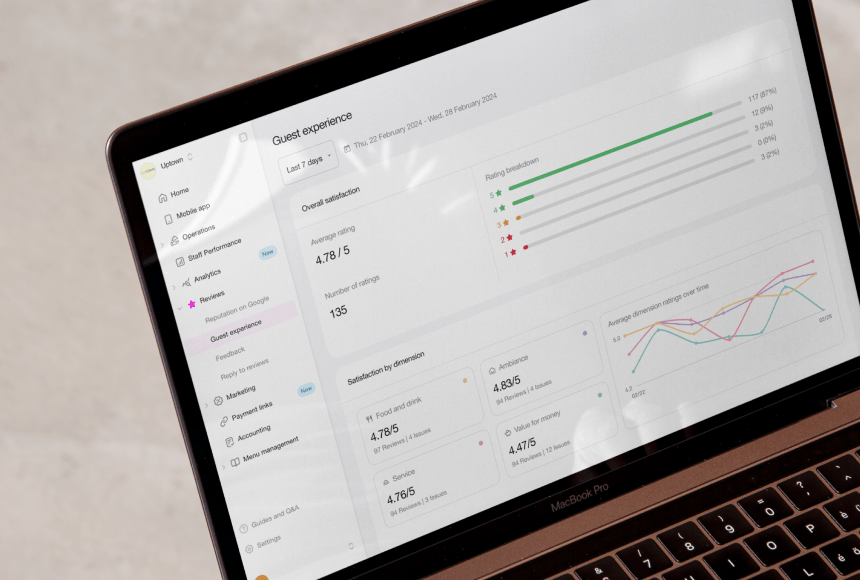
An integrated digital payment solution like sunday can automate feedback collection, inviting diners to rate their experience or leave a quick note that can help you improve. When you’re collecting real, immediate feedback, you stay aligned with what your customers want—even during the quieter season.
Optimizing the Layout for Efficiency
Workflow efficiency isn’t limited to technology and scheduling. Physical layout factors matter, too. Servers forced to weave through narrow paths or trek unnecessarily for tableware waste precious time and energy. Especially in slow months, you want every staff minute to count.
Consider these layout tips:
- Streamline Pathways: Ensure easy circulation from the kitchen to the dining area, so staff can make fewer trips and serve more tables efficiently.
- Condensed Service Stations: Store frequently used items like cutlery, napkins, or water within easy reach, reducing back-and-forth to the kitchen.
- Thoughtful Seating Arrangements: Group seats in a way that makes sense for the volume. In a slow season, you might temporarily close one section to concentrate traffic near servers and reduce heating or lighting costs in less-used areas.
Even small changes—like reorganizing bus stations—can save minutes per transaction. Over weeks of slower business, these minutes add up.
When Less Is More: Trimming the Menu Wisely
During lower demand, large menus can become a liability—more ingredients, higher costs, and potential waste. It may be more profitable to cut down on variety for a period, focusing on core dishes with flexible ingredients. A winter’s slowdown might be the perfect time to streamline and highlight seasonal favorites.
A curated menu can:
- Encourage Upselling: A smaller set of item choices makes it easier for servers or your digital ordering platform to suggest relevant add-ons.
- Reduce Kitchen Complexity: Chefs and line cooks spend less time remembering dozens of recipes, allowing them to focus on quality and consistency.
- Cut Ingredient Waste: With a smaller inventory, you’re less likely to throw away unsold items.
Just be sure to communicate clearly with your audience. They’ll appreciate your honesty about why certain dishes might be temporarily offline. This also opens the door to new seasonal specials that pique customer interest while still maintaining lean costs.
Case in Point: A Practical Look at Smart Workflows
Let’s imagine Sam, a restaurant owner in upstate New York, who runs a cozy spot known for locally sourced comfort food. Sam typically sees strong business in the summer because of visiting tourists but struggles once fall transitions to winter. A few changes in workflow help Sam stabilize profits:
- Forecasting the Slowdown: Sam reviews the last two years of sales data. He notices that February and March are consistently slow, with a 30% drop in business compared to summer. He sets inventory and staff schedules to match that predicted flow.
- Leaning Into Digital Ordering: Sam implements a QR code ordering solution for a portion of the menu. This feature simplifies the ordering process and reduces labor costs. Servers can spend more time making sure guests feel warmly welcomed, rather than repeatedly running checks to the kitchen.
- Targeted Promos for Regulars: Sam’s loyalty program data shows a cluster of families who dine midweek. He reaches out via email with a winter “comfort meal combo” that includes a free dessert. Local families respond well, providing a financial cushion during historically quiet Wednesdays.
- Staff Cross-Training: Sam invests in staff training so that servers can handle some host responsibilities and the host can assist with bar tasks. The leaner schedule works because employees can cover multiple roles when traffic spikes.
This kind of scenario—adapting staff hours, simplifying menus, and offering limited promotions—demonstrates how integrated workflows can protect margins by carefully balancing costs with the demand that’s there.
Smart Pricing Strategies That Preserve Brand Image
In times of low traffic, some owners worry about setting higher prices or shrinking portions, fearing customer backlash. A more nuanced approach is value-based pricing. Instead of slashing prices (and with them, your margins), focus on perceived quality.
For instance, you might add smaller dishes at lower prices while maintaining signature entrées at a premium. That way, you’re accommodating budget-minded guests without devaluing key offerings. Another strategy is offering all-inclusive meal packages. Diners feel they’re getting a good deal, and your costs remain predictable.
When done thoughtfully, strategic pricing can help you avoid driving away loyal patrons. They see that you’re refining offerings to suit both their budgets and your restaurant’s bottom line.
Keeping Morale High Through Slow Months
Your team’s energy and commitment often define the customer experience. It’s easy for staff to feel discouraged during slower periods. That’s why maintaining open communication and celebrating small wins is crucial.
Consider:
- Lighter Schedules: Respect that some staff rely on tips and hours. If you must reduce shifts, communicate early and offer opportunities for training or cross-functional duties so staff still feel valued.
- Team Challenges: Introduce a friendly contest to encourage upselling or to gather more customer feedback. Small incentives, like a free meal or a gift card, can keep spirits up.
- Skill-Building Workshops: Use spare time wisely. Train staff on new technologies, refine service techniques, or get everyone comfortable with your updated workflows.
When your team remains motivated, the atmosphere you create is inviting to guests, which drives trust and loyalty.
Empowering Patrons to Drive Word-of-Mouth
Word-of-mouth is one of the most powerful marketing tools for independent restaurants. During peak tourist season, you might rely on foot traffic and impulse visits. In slow months, your loyal core community can keep you afloat.
Smart workflows that include easy ways to share experiences let satisfied customers become advocates:
- Direct Google Review Links: A QR code on the check can invite immediate feedback. The simpler you make it, the more likely it is to happen.
- Social Media Integration: Let guests tag your restaurant on Instagram or Facebook by printing scannable links on table tents.
- Repeat Customer Incentives: Offer loyalty points or a free add-on for each referral. Let diners know you appreciate their support; they’ll be more likely to spread the word.
Encourage staff to mention these options in casual, friendly ways. A warm suggestion, coupled with a quick digital link, can yield invaluable reviews and endorsements from real people who love your spot.
Leveraging Outsourcing Where It Makes Sense
In a lean season, tying up resources in tasks outside your core focus—like extensive marketing campaigns or deep-cleaning with in-house labor—may be inefficient. Outsourcing specific functions might actually save money in the long run.
Possible tasks to outsource:
- Accounting and Bookkeeping: Professionals specialized in restaurant finances can identify cost reductions or government relief programs for slow months.
- Deep Cleaning: Instead of paying for multiple staff hours, a specialized crew might handle it faster and more effectively.
- Highly Targeted Ad Campaigns: If you lack time or expertise in digital marketing, hiring an experienced freelancer or agency might yield stronger results than an in-house campaign done half-heartedly.
When every expense must be justified, a carefully chosen outsourced partner can lower overhead and let your team concentrate on guest experiences and daily operations.
Turning Technology Into a Long-Term Ally
The right tech stack does more than just automate tasks; it gives you control and real-time insights. That’s why solutions like sunday are more than just digital payment tools. They streamline workflows from when a guest sits down to that final moment when they tap a button to tip or share a review.
Almost every restaurant can benefit from digitizing at least part of its workflow:
- Online Reservations: Limit no-shows by sending automatic reminders. This helps you accurately plan staffing and prep work.
- Inventory Tracking: Automated updates let you quickly spot unusual patterns like ingredient shortages or slow-moving stock.
- Cloud-Based POS: Access sales data anywhere and integrate with scheduling software for real-time labor adjustments.
- Contactless Payments: Provides a frictionless checkout experience while enabling quick staff re-allocation.
When your workflows feed precise, live data back to you, you can pivot on a dime. That’s especially important during slow months, where agility might be the difference between small gains and debilitating losses.
Bringing Culinary Metaphors to Life
Picture each workflow as an ingredient in your signature dish—each plays a vital role in creating a cohesive dining experience. Over-saturate one workflow or neglect another, and the entire meal could fall flat. But combine them just right, and you get a product that guests rave about and staff enjoy delivering.
This approach underscores how everything—from marketing and inventory to scheduling and how you collect payment—needs to blend seamlessly. That’s the beauty of a well-crafted workflow: it elevates all the other “flavors” of your operation.
Smart Workflows: Strategies for Protecting Margins
Here’s a quick checklist of strategies you can implement to protect margins during slower periods:
- Refine Schedules: Use data-driven forecasting to match labor hours to predicted volume.
- Optimize Menus: Offer high-profit, seasonal dishes while cutting down on slow-moving items.
- Embrace Digital Tools: Adopt QR code payments, online reservations, and inventory management apps.
- Encourage Customer Advocacy: Make it simple for diners to leave reviews and recommend you to friends.
- Cross-Train Staff: Ensure maximum flexibility when traffic unexpectedly changes.
- Leverage Promotions Wisely: Target loyal or local customers with offers that don’t erode profits.
- Monitor and Adjust: Regularly check your workflow’s performance metrics—tweak if something isn’t working.
Following these steps protects your revenue stream and positions your restaurant as a well-oiled machine, even when traffic slows.
FAQ
What is a smart workflow in a restaurant setting?
A smart workflow uses data and technology to streamline everyday tasks. For instance, integrating QR code payments, automating schedule planning, and simplifying inventory management all reduce wasted effort and cost. This approach helps ensure that, from the moment a guest arrives to the time they leave feedback, each step flows efficiently.
How do digital payments help cut operational costs?
They speed up the transaction process, reduce staff labor time, and often prompt higher average tips. By eliminating multiple trips to the table with a card reader or physical check, servers can attend to more tables. This efficiency helps maintain strong guest satisfaction and lowers your labor overhead.
Can a smaller menu really improve margins in slow months?
Yes. When menu offerings are focused and use overlapping ingredients, you minimize waste and prep time. With fewer items, your kitchen staff can maintain consistency and quality more easily, which boosts guest satisfaction and can drive return visits during slow periods.
How does sunday fit into a restaurant’s workflow?
offers contactless payment and tipping features through a simple QR code scan. By reducing the manual steps for both operators and guests, it frees staff to handle other tasks. Diners can also leave a quick review or tip, which helps you build a solid online reputation and stay profitable even when business is quieter.
Is cross-training staff worth the investment?
Absolutely. In slow months, cross-trained employees can seamlessly cover multiple roles if you’re running with fewer team members. This flexibility ensures continued top-tier service without needing to overschedule or risk burnout. Well-rounded teams also feel more engaged and valued.
Where can I learn more about smart workflows for restaurants?
The National Restaurant Association provides various resources on optimizing restaurant operations. You can also explore case studies at
food-supply-chain-analytics to see how real-time monitoring and data analysis can guide inventory decisions.


 1min
1min
 1min
1min