Simplify Lunchtime Service: Exploring the Power of QR Payments
Quick, intuitive checkout systems can transform a restaurant’s busy lunch rush. Digital QR codes on the table let guests settle their checks whenever they’re ready, without waiting for a server to bring a card reader. This speeds turnover, reduces lineups, and keeps staff from getting overloaded. It also offers a streamlined tipping option and a way for guests to leave feedback at their convenience. Incorporating QR-based solutions cuts down manual tasks for staff and creates a frictionless experience for customers. Plus, improved guest flow means happier diners, better table management, and potentially more revenue.
The Rapid Pace of Lunchtime Service
Lunch hour is often the tightest window of the day for restaurants. Many customers only have a set amount of time to eat before heading back to work or daily errands. They expect fast service and minimal friction from the moment they sit down until they step out the door. When the payment process becomes a waiting game, that experience quickly degrades.
Why does the checkout process so often cause delays? Traditional card payment methods rely on several steps:
- The guest requests the check.
- The server prints it out, brings it to the table, and then leaves to give the guest a moment to review it.
- The guest hands over a payment card.
- The server swipes or inserts the card into a payment terminal, waits for approval, returns to the table for a signature, and often repeats the routine for a tip.
Multiply that by a full house around noon, and you can see how easy it is for servers to fall behind. Meanwhile, diners who need to get back to the office are left drumming their fingers.
What Are QR Payments Exactly?
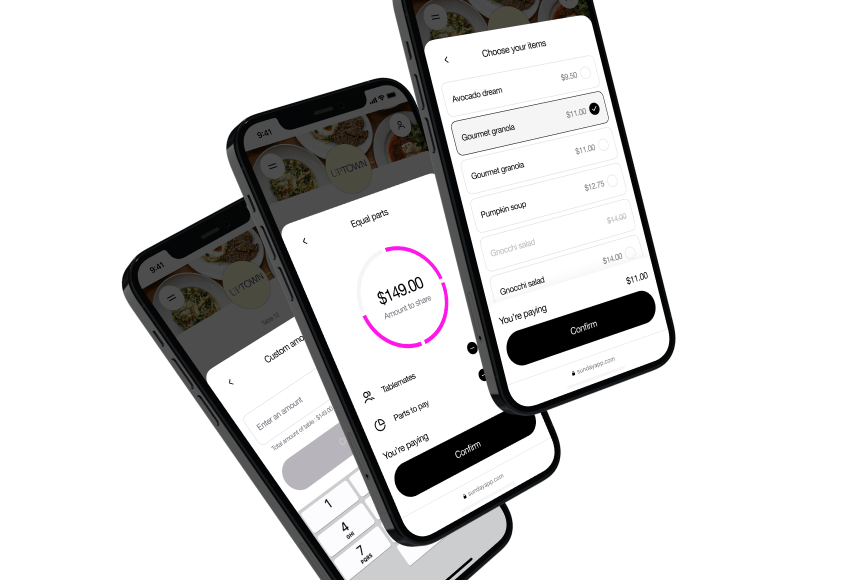
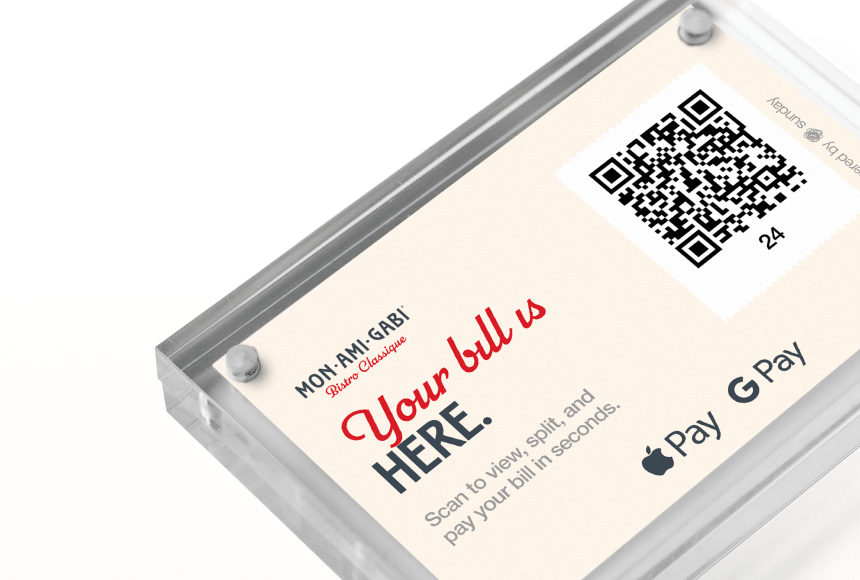
QR payments use a simple Quick Response (QR) code, typically printed or displayed at the table. Diners scan it with their smartphone camera, triggering an online payment page where they can view their bill, split the total if they wish, tip, and check out. It happens instantly, without waiting for a server to bring a credit card terminal.
The concept has gained traction in the US, especially over the last few years. According to the National Restaurant Association, contactless payments and mobile ordering are on the rise, driven by customers’ demand for flexible and efficient service. Embracing QR technology meets those expectations—and can give your restaurant a competitive edge in a packed market.
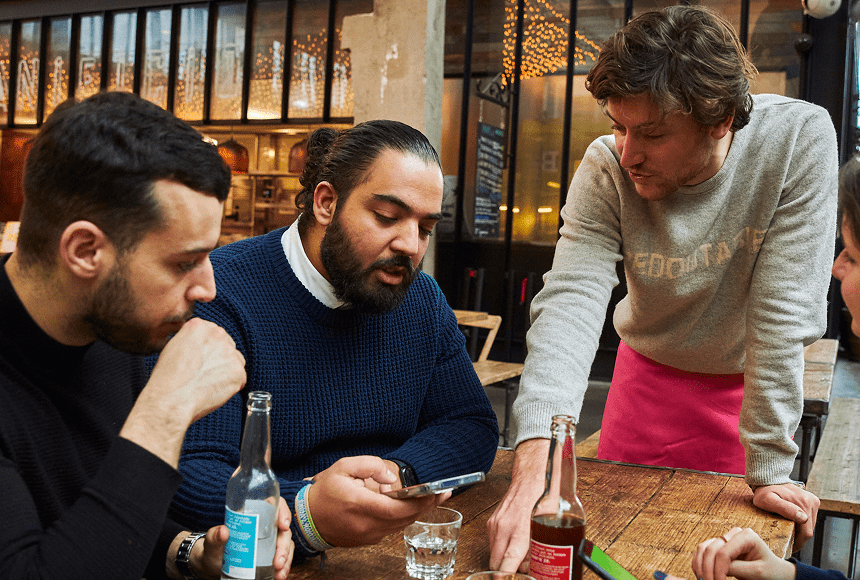
Instead of handing a physical card over, guests handle everything on their phone. The technology is secure and straightforward. Many third-party solutions enable this process. Providers like sunday specialize in helping restaurants set up these interactive codes so guests can settle their bill instantly. It’s designed to be intuitive, meaning staff don’t need to spend excessive time explaining how it works.
Why QR Codes Shine During the Lunch Rush
Let’s zero in on what really matters during those hectic midday hours. QR payments address three key issues:
- Minimizing server contact time: Workers don’t have to shuttle a paper check back and forth, so they can direct their attention elsewhere—fulfilling orders promptly, checking on customers’ needs, or flipping tables for new guests.
- Expediting payment: Guests simply scan, pay, and go. This immediate closure of the transaction accelerates table turnover in a short-staffed environment.
- Reducing operational friction: With fewer manual steps, there’s less risk of mistakes or lost receipts. That leaves you and your team free to focus on delivering a great dining experience.
Efficiency is everything at lunchtime. A restaurant that manages to get even a few tables turned faster can see a noticeable boost in revenue. Plus, a faster exit often correlates with higher customer satisfaction—nobody enjoys standing around waiting to pay while the clock is ticking.
A Quick Illustration: The “Green Fig Bistro” Case
Consider a hypothetical spot called Green Fig Bistro. Before introducing QR payments, lunch hour often felt chaotic; the staff had no problem taking orders swiftly, but the slowdown frequently came at the end of the meal.
After adopting a QR-based checkout, the manager noticed an immediate difference:
- Servers no longer had to juggle five to six card transactions simultaneously.
- Guests who needed to leave could wrap up their payment themselves rather than flagging down a busy server.
- Tables cleared up faster, allowing the host to seat more walk-in customers.
The manager also found that there were fewer errors in the final checks. By linking the table’s order directly to a QR code, the risk of manual entry errors was greatly reduced. Over a few months, the bistro’s lunch revenue saw a jump simply because they could seat a second round of diners more often.
The Impact on Guest Experience
Beyond speed and convenience, QR payments also create an environment that modern diners appreciate. Many people already rely on their phone for ridesharing, grocery orders, and personal finance. Adding a simple QR code at the end of a meal fits neatly into an increasingly digital lifestyle.
Moreover, guests gain the freedom to leave reviews or tips on their own time. A well-implemented QR payment page can offer a prompt for quick feedback. Diners can share a star rating or post a Google review while the meal is still fresh in their mind. This is a natural moment of engagement; if they loved the dish, they’re more inclined to say so right away.
There’s also the matter of social interaction. While servers remain an integral part of the experience, many customers appreciate the flexibility to settle the check without a back-and-forth routine. The rapport you build with guests can remain focused on memorable service and genuine conversation, rather than housekeeping duties like printing bills and swiping cards.
Operational Efficiency: A Practical Comparison
To illustrate the shift from traditional methods to QR payments, let’s lay out a side-by-side view. While every restaurant might differ slightly, these steps capture the essence:
| Traditional Payment Flow |
QR Payment Flow |
- Server prints check.
- Delivers check to table.
- Waits for the guest to review.
- Guest hands over payment card.
- Server processes card at terminal.
- Server returns card, obtains signature if needed.
- Customer leaves tip on slip or device.
|
- Server seats customer and notes the table.
- Customer scans QR code on table.
- Guest reviews the itemized bill in real time.
- Guest pays instantly on phone (card or digital wallet).
- System automatically records payment, tip, and sends receipt.
|
When volume is high, cutting out several back-and-forth interactions can significantly reduce stress. This becomes even more critical during lunch, when every minute counts for both your team and your patrons.
Tips and Checks: How QR Enhances Flexibility
One of the perks of a QR system is letting guests choose a tip amount at checkout, instead of scribbling it on a receipt or fumbling with calculations in their head. That tip line can be customized to highlight recommended percentages. Restaurants can program these suggestions, encouraging more generous tipping while eliminating guesswork for the guest.
In a busy lunch setting, a QR code also opens possibilities around splitting checks easily. Groups who want to divide the bill can do so without requiring the server to process multiple cards. The result: quick transitions and fewer mistakes in dividing costs.
For restaurant owners worried about older or less tech-savvy customers, it’s important to note that many people find QR codes easy to use once shown how. A simple explanation—“Just open your phone’s camera and point it at the code”—is often enough. Of course, it’s wise to maintain alternative methods for guests who prefer or require a traditional checkout, but the majority will embrace a tool that shortens their wait.
Technology and Security
Some owners might wonder: are QR code payments safe? As with any digital transaction, security is crucial. Fortunately, QR systems typically rely on secure payment gateways. The guest’s card details are transmitted using encryption, and receipts are sent via email or text. In many ways, this can be more secure than physically handing over a card, as the customer never needs to part with their card or risk skimming errors from older devices.
Modern solutions prioritize compliance with industry standards like PCI DSS (Payment Card Industry Data Security Standard). Providers such as sunday incorporate robust security features to ensure every transaction is encrypted and validated. This level of protection builds trust among customers and prevents costly data breaches.
Add to that the benefit of real-time transaction logs, which make it easier for you to reconcile end-of-day accounts. Integrating with your point of sale (POS) system is often seamless, helping you generate accurate sales reports without manual counting or cross-referencing. Efficiency meets peace of mind.
Staff Engagement: Training and Transition
Switching to QR payments doesn’t have to be a hassle for your employees. In fact, many staff members appreciate not having to hunt down terminals and physically run cards. That said, training is still important.
Consider these points when rolling out QR payments:
- Demonstrate how it works: Gather your team and walk through a dummy transaction. Let them see how quickly a payment goes through. Show them how to troubleshoot any basic questions that might arise, such as scanning issues.
- Address concerns: Some servers might worry that digital payments will reduce opportunities for tipping, but in fact, QR-based tipping is often simpler for guests, and can even increase tip amounts by making it a default step in the payment flow.
- Encourage staff to promote it: If a table is looking around for the check, staff can smile and point to the QR code placed near the condiments, suggesting guests can pay as soon as they’re ready.
As employees get familiar with the system, they typically notice how it frees them up to offer better service. That sense of relief often translates into genuine enthusiasm for the new process.
How to Implement QR Payments Smoothly
Making the leap to QR payments can be surprisingly straightforward if you choose the right partner and prepare properly. Here are a few steps you might take:
- Evaluate your needs: Consider your busiest meal services and your average table turnover goals, plus your current POS setup.
- Choose a reputable QR provider: Look for one that offers easy integration, robust security measures, and user-friendly interfaces.
- Optimize your menu management: Make sure digital copies of your menu and itemized bills are accurate and frequently updated.
- Test run: Before going live, let staff practice scanning and paying in a controlled setting. Adjust any design elements or prompts based on their feedback.
- Placement of QR codes: Ensure that codes are easily visible—on coasters, table tents, or even on the check holder if you still choose to provide a physical bill. The fewer steps required for scanning, the better.
Once the system is in place, you can gradually gather customer feedback. You’ll likely find that those who appreciate a seamless exit from lunch become your biggest advocates, sharing their positive experiences with coworkers or friends. Over time, that word-of-mouth can bring in more consistent traffic during the midday peak.
Real Returns: Business Benefits You Can Measure
Transitioning to QR payments can bring a variety of tangible benefits to your business. Let’s outline a few of the most common ones:
- Faster turnover: By eliminating back-and-forth payment steps, you can seat more guests over the course of lunch. Even one or two extra seatings per day adds up.
- Higher tips: Digital prompts often encourage guests to tip at suggested levels. In some restaurants, servers have observed an uptick in average tip amounts.
- Reduced labor costs: When payment is automated, your staff can serve more tables, or you can operate with fewer staff members on the floor while maintaining quality service.
- Improved accuracy: Automated payment data is directly linked to the check, so fewer errors plague the end-of-shift reconciliation.
- Enhanced brand image: Introducing smooth technology solutions signals that your restaurant is modern and customer-focused—traits that lead to loyalty.
A Forbes article on why restaurants should prioritize modern technology (“modern technology”) aligns with these points, stressing that efficiency and customer satisfaction drive long-term profitability.
Don’t Forget the Personal Touch
Some owners worry that relying on digital tools might erode the personal connection between staff and guests. However, QR payments often have the opposite effect. By reducing mechanical steps—like card scanning or receipt printing—servers have extra time to chat with customers about the meal, recommend desserts, or gather feedback on a special. By letting technology handle tasks that don’t add human value, your people can focus on delivering warmth.
Guests still crave a heartfelt welcome and genuine service. The technology merely takes over where manual processes can create friction. You might even see your team enjoying this new freedom to be more present and creative on the floor. Diners, in turn, feel better looked after, which can boost loyalty to your restaurant.
FAQ
How do I ensure older customers are comfortable using QR payments?
A simple demonstration goes a long way. Have your servers show these customers how to scan the code with a phone’s camera app. Post a small line of instructions next to the code. Keeping a traditional payment option is also wise for ultimate inclusivity.
What if my restaurant’s internet is unreliable?
Choosing a QR payment provider with offline capabilities or fail-safe measures can help. Some systems cache data to process transactions once your connection is restored. If your Wi-Fi isn’t robust, consider upgrading your network to ensure smoother customer experiences.
Does switching to QR payments require a fully new POS?
Not necessarily. Many QR solutions (like sunday) integrate directly with popular POS systems. Confirm compatibility before signing up. In many cases, it requires only minor configuration.
How do I measure if QR payments are truly improving my lunchtime turnover?
Track key metrics: table turnover times before and after implementation, average wait time for payment, and overall lunch revenue. Compare data across similar days or weeks. You’ll likely see faster checkout times and higher guest throughput.
Will digital payments reduce the interaction servers have with guests?
If anything, it frees your staff from mundane tasks like swiping cards. They can focus on building rapport and ensuring diners’ needs are met. The personal touch remains vital—it’s simply directed toward hospitality rather than administrative tasks.
No matter the size or style of your establishment, seamlessly integrated QR codes can help you streamline lunch service without losing the warmth that sets your restaurant apart. By adopting secure, well-designed digital tools, you enjoy smoother operations, more satisfied customers, and a staff that can truly shine where it counts: in building memorable dining experiences.


 1min
1min
 1min
1min