January Is When Operational Inefficiencies Become Obvious
January often confronts restaurant owners with glaring operational challenges. After the whirlwind of the holiday season, shifts in customer flow, staffing, and inventory highlight the cracks. This period—when traffic drops and budgets tighten—reveals inefficiencies that might remain hidden in busier months. By closely examining staff scheduling, inventory management, and technology solutions, restaurant owners can transform January’s challenges into opportunities for growth. Proactive adjustments not only improve the dining experience year-round but also boost profitability. Embracing modern payment and review platforms can meet customer expectations and foster loyalty. With the right approach, January becomes a springboard, not a setback.
Why the Post-Holiday Dip Is a Wake-Up Call
After the jubilant rush of the holiday season, a noticeable calm sweeps through the dining area. The number of diners drops, often quite dramatically. According to the National Restaurant Association (National Restaurant Association), January is among the slowest months for restaurants across the United States. This lull offers a magnifying lens on everyday operations, revealing issues that might have gone unnoticed in December’s bustling atmosphere.
When you’re working at half-capacity (or even less), questions arise:
- Are my staff schedules truly optimized for current foot traffic?
- Do I have the correct inventory quantities for a slower month?
- Has my technology kept up, or am I losing precious sales time on outdated processes?
January’s subdued pace can feel daunting, but it’s also liberating—like having an empty kitchen to test new recipes. If your establishment operates with lean resources, this is the moment to see exactly where the bottlenecks lie. Identifying these inefficiencies now sets you up for success when business ramps up again.
Facing the Realities of Staffing Gaps
Staffing is complicated. On one hand, you need enough skilled servers and kitchen employees to handle the flow. On the other, those same employees may feel the post-holiday pinch if they aren’t getting enough hours. Nobody wins if your best team members leave due to inconsistent scheduling.
Many restaurants adopt a “wait and see” approach in January, trying to avoid financially overextending. However, this can backfire. Scheduling too few employees leads to service lapses that upset diners—whether there are ten tables filled or just two. Striking a balance involves:
- Cross-training staff: Employees who can handle both front-of-house and kitchen responsibilities give you more flexibility on the fly.
- Cutting back on overlapping shifts: When the restaurant is quiet, can one server manage a few more tables effectively? Possibly.
- Offering partial shifts: Not everyone needs a standard 5- or 6-hour shift. Sometimes, shorter, targeted shifts keep everyone engaged—and customers happy.
- Implementing data-driven scheduling tools: Platforms that forecast labor needs based on historical sales data are invaluable in January.
A refined scheduling approach ensures staff members feel valued, adequately compensated, and prepared to handle the tasks at hand. During slower weeks, it’s also easier to spot mismatches in skill sets, poor communication, or training gaps that might have blended into the holiday chaos.
Revisiting Inventory Management Lofty Goals vs. Reality
With fewer customers rolling in, every wasted morsel or beverage can become an obvious profit drain. Over-ordering in January ties up money in unsold stock, driving spoilage and throwing off your monthly budget. Under-ordering, on the other hand, leads to last-minute emergency runs, which often inflate costs and compromise quality.
Maintaining the right inventory balance is especially tricky in uncertain economic times, but it’s doable with a few key strategies:
- Analyze the data you already have: Last January’s numbers might predict this year’s demand. Dashboards or simple spreadsheets can highlight trends. If you’ve offered new seasonal items, adjust your ordering accordingly.
- Keep flexible supplier relationships: Strong supplier ties can help you negotiate smaller or more frequent deliveries. This helps avoid over-purchasing when foot traffic is low.
- Plan your menu around inventory: Reduce menu sprawl in January to focus on bestsellers or cost-effective dishes. This not only simplifies your stock but can also give customers a more curated, high-quality experience.
- Conduct regular inventory audits: A consistent weekly review uncovers patterns of waste you can solve before the next order.
Watching your stock in January is like taste-testing a new dish: If something isn’t quite right with the balance of ingredients, you’ll notice. And once identified, it’s far easier to tweak it to perfection.
Technology: A Light Through the January Fog
When you’re short on staff or dealing with a limited budget, technology can be your lifeline. And January is the perfect test environment. Many restaurants operate the old-fashioned way: manual check splitting, outdated payment terminals, or lengthy waits while a card is processed. When fewer customers walk through the door, every single transaction stands out—and every minute of friction is amplified.
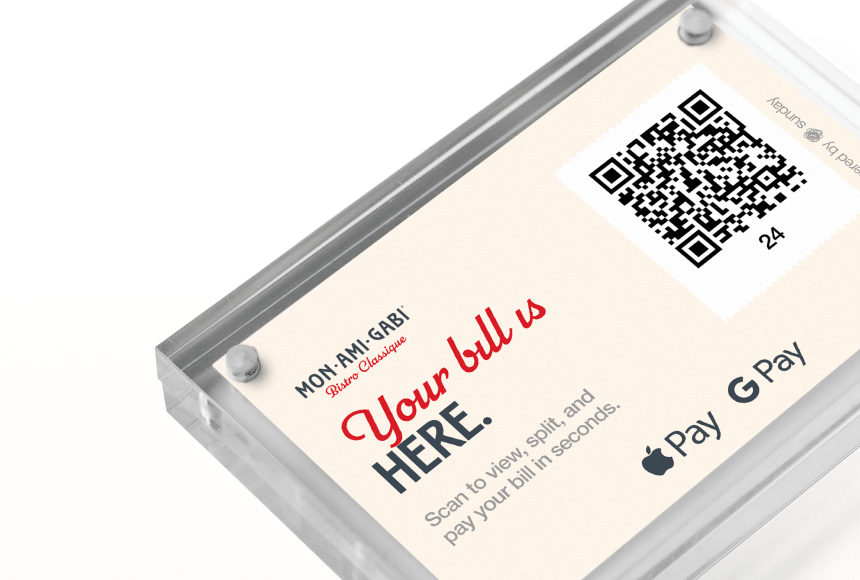
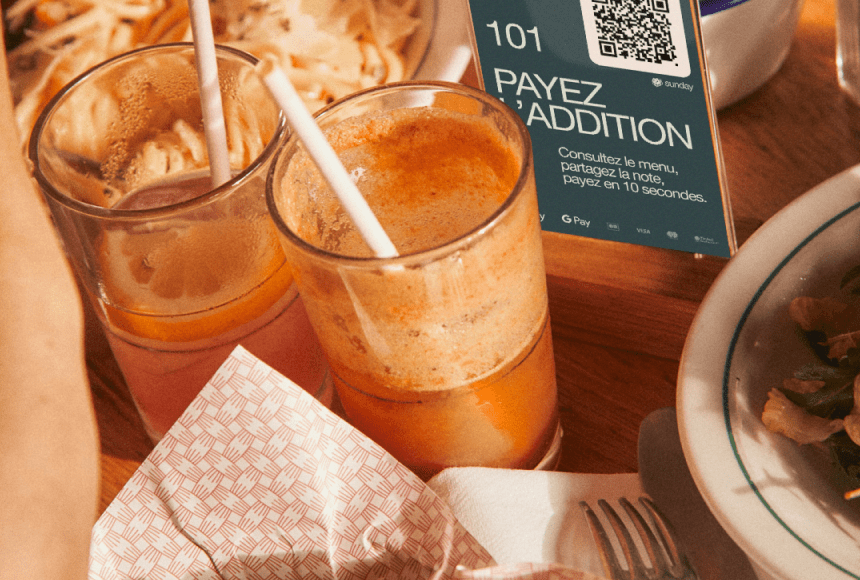
Embracing tech that streamlines processes elevates your overall service and cuts back on wasted labor. This is where solutions like sunday come into play. The platform allows diners to settle their checks using a QR code, add tips, and even post Google reviews right after the meal. Servers are freed from running back and forth with card scanners—a significant perk when staffing is lean. In slower months, this not only improves margins but also offers you a distinct competitive edge.
Here are the key benefits of upgrading your restaurant’s technology solutions during January:
- Shorter wait times: Customers appreciate prompt service whether the restaurant is packed or mostly empty.
- Reduced labor demands: Automation means your team can do more with fewer hands on deck.
- Increased diner satisfaction: Modern payment methods and user-friendly systems create a polished impression, even in a slow season.
- Accurate info sharing: Digital platforms compile data effortlessly, saving staff time that can be devoted to customers.
This is not just about adopting the latest trend for the sake of it. Streamlined technology is a strategic tool that addresses the operational pain points illuminated by January’s slower foot traffic.
Turning the Slowdown into a Profitability Lesson
January’s revenue might dip, and that can feel unsettling. Yet restaurants that dig into the data often discover hidden paths to profitability. With fewer daily transactions, the details of each sale become more transparent. Consider the break-even point on menu items, the real cost of producing each dish, and how staff usage ties into gross profit.
Taking a deeper look could reveal:
- High-margin signature dishes: You might notice certain items deliver healthy profits, even with moderate sales volume.
- Menu underperformers: Perhaps certain entrees or appetizers cost too much in labor or inventory for the price customers are willing to pay.
- Untapped synergy: Maybe your bar is thriving while dessert sales lag. Could you pair a popular cocktail with a sweet treat to encourage higher check totals?
By evaluating item-by-item costs and sales performance, you can adopt a lean, strategic approach that sets you up for the busier months ahead. After all, if you can master profitability optimization during the slump, imagine the impact when the restaurant is at full capacity.
Leverage January to Hone Staff Training
When the restaurant is bustling, training is often rushed or postponed due to limited bandwidth. In January, fewer orders and quieter shifts make it feasible to schedule more hands-on learning. Investing in staff development during a slow time brings a long-term payoff:
- Skills refinement: Baristas can perfect latte art. Servers can learn upselling techniques. Kitchen staff can experiment with plating presentations.
- Team-building exercises: Improving communication and collaboration fosters a more cohesive work environment, reducing errors and boosting morale.
- Cross-functional knowledge: Encouraging employees to learn about the bar program or dessert station promotes versatility, allowing for better shift coverage.
- Customer engagement: A well-trained team can elevate the dining experience, from offering thoughtful meal suggestions to handling feedback gracefully.
In essence, training can transform your team into a finely tuned orchestra. When your staff works in harmony, it’s much easier to stay nimble and productive, whether the restaurant is full or operating below capacity.
The Opportunity to Refresh Your Restaurant’s Image
January also comes with fresh perspectives. Customers are making resolutions, trying new diets, or simply looking for new places to visit. This mindset extends to your restaurant. If your decor looks tired or your brand feels off, the slow season is an ideal moment for a mini rebrand or some light remodeling.
It doesn’t have to be a monumental overhaul. Simple updates often work wonders:
- Revise your menu layout: Streamline the design for easier reading and highlight top-selling items or new offerings.
- Touch up the paint or lighting: Fresh colors and better lighting can encourage diners to stay longer and spend more.
- Optimize your website and social media: Reflect your restaurant’s current ambiance and specials. Many prospective diners check social channels before deciding where to eat.
- Switch up table spacing: If your layout felt cramped in December, adjust tables to ensure comfortable seating during less busy months.
Focusing on these improvements in January means you’ll be ready and presentable for the next wave of customers. People may remember your establishment more vividly if they see obvious signs of care and attention.
Using Feedback to Fuel Growth
Feedback from guests is invaluable, especially when foot traffic slows. Each review or comment carries weight. Encourage your guests to share their thoughts at every opportunity, be it a 30-second conversation with their server or a digital prompt when they scan a QR code to pay. If negative feedback arises, you have ample time in January to fix the underlying issues.
Why not implement a small but effective feedback system?
- Chat with regulars: They know your strengths and areas for improvement. A sincere one-on-one conversation can yield honest insights.
- Offer an online survey: A short, mobile-friendly survey can gather structured data on wait times, menu satisfaction, or overall service.
- Enable immediate review options: Payment platforms like sunday make it seamless for customers to leave a Google review right after settling the check. Garnering positive reviews early in the year can boost your online reputation.
Gathering and acting on feedback doesn’t just fix what’s broken; it signals to your staff and your customers that you truly care about delivering the best possible dining experience.
Planning Your Year With a Fresh Outlook
Despite all the talk of challenges, January can become a strategic starting line. Once you identify issues and potential solutions, it’s time to map out the rest of the year. Think of January as a blank slate—a chance to implement new concepts, refine procedures, and set ambitious goals.
Consider setting quarterly milestones that incorporate both financial and quality-related objectives:
- Q1 (January–March): Tackle obvious operational inefficiencies and test new technology solutions or menu updates.
- Q2 (April–June): Ramp up promotional efforts, tweak staff scheduling, and refine your offerings based on Q1 insights.
- Q3 (July–September): Focus on high-traffic months with well-trained staff, strong branding, and efficient processes.
- Q4 (October–December): Prepare for the holiday rush, leveraging the lessons from January to confidently meet demand.
By approaching improvements in stages, you maintain momentum and ensure that quick fixes become sustained enhancements. Each quarter’s results inform the next, making continuous improvement not just a buzzword, but a natural part of your business flow.
Financial Prudence: Planning the Budget With January Insights
Many restaurant owners create a budget at the start of the fiscal year or right after the holidays. January’s revelations about waste, inefficiency, and underperforming menu items feed directly into this budget planning. Taking a more surgical approach can free up resources for things that truly contribute to growth—like better marketing or staff bonuses.
How do you map these insights onto your budget for the rest of the year?
- Track real costs: Document actual expenses from the holiday season and early January, ensuring that your budget reflects reality rather than guesswork.
- Identify unnecessary expenses: Are you paying for services or subscriptions nobody uses? Now is a good time to cancel or renegotiate.
- Allocate funds for tech upgrades: If a payment solution or inventory-management tool can save you monthly labor or reduce error rates, it’s worth the investment.
- Plan for promotional pushes: Reserve part of your budget for strategic marketing campaigns at key times of the year, like Mother’s Day, the start of summer, or the holiday season.
By the time your revenue picks up again in the spring, you’ll have a precise understanding of where every dollar goes. This degree of financial clarity also helps you negotiate better deals with vendors and invest more confidently in expansion plans—if that’s on your menu.
Harnessing the Power of Data
Many successful restaurants treat January like a data treasure trove. By compiling information on sales, inventory usage, labor hours, customer feedback, and marketing ROI, you can pivot more effectively. Data transforms guesswork into informed decision-making. Consider using a single tool or dashboard that centralizes data and reveals patterns.
For instance, if you integrate your QR payment system with a point-of-sale and reservation platform, your analytics might show that customers who dine on weekdays participate in promotions more than weekend patrons. You might then tailor your weekly specials or staff training accordingly. And if tips significantly drop on certain days, you can coach servers on engagement strategies or update your table placement protocol.
Looking ahead, a data-centric approach ensures each following January feels less like a crisis and more like a structured evaluation period. You’ll know what metrics to watch, how to compare them year over year, and which interventions deliver the best returns.
Acknowledging the Emotional Side of January
Let’s not ignore the human aspect. January can feel bleak for restaurant teams. The post-holiday energy levels dip, and staff worry about their hours. Diners might be on tighter budgets, skipping dessert or expensive cocktails. As an owner, your job involves maintaining morale just as much as balancing spreadsheets.
Some ideas to spark positivity:
- Weekly staff chats: Host short huddles to share wins, discuss concerns, and keep everyone aligned on short-term goals.
- Special staff perks: Offer an adapted meal plan or discounts at partner businesses to lighten personal financial strain.
- Celebrating small milestones: Did your restaurant receive a stellar online review? Did a new server get perfect feedback? Shine a spotlight on these positives.
Make sure your team recognizes January not as a time of doom but as a launchpad for improvements and achievements in the months to come.
Building a More Resilient Restaurant
Ultimately, January’s role is to push restaurants to refine and adapt. Whether it’s addressing staffing gaps, adopting technology like QR code payment options, streamlining inventory, or refreshing your brand, the quiet month clarifies what you do well—and where you need to improve. The real trick is following through on those realizations so that each new year starts stronger than the last.
By leveraging this reflective window, you transform what might feel like a slump into a structured opportunity to reset and refocus. The insights gained throughout the month form the blueprint for thriving when business picks up again. If you see January as your operational litmus test rather than an existential threat, you’ll emerge with a stronger, more profitable concept—and create a dining experience that keeps customers loyal all year long.
FAQ
Why do operational inefficiencies become more visible in January?
During the holiday rush, heavy foot traffic and rapid turnover can obscure small issues. In January, lower customer volume shines a spotlight on inefficiencies like long wait times, overly complex payment processes, and labor misalignment that might have been hidden before.
How can I keep staff motivated when shifts are reduced?
Open communication and transparency go a long way: explain why shifts are changing, and offer cross-training or shorter shifts where possible. Provide small morale-boosters—like staff meals or performance incentives—to keep team members engaged and feeling valued.
Does updating tech in a slow month really make a difference?
Absolutely. It’s the ideal time to test drive new solutions without the high-stress environment of peak season. Whether it’s a QR code payment platform like sunday or advanced scheduling software, technology upgrades can streamline operations and improve efficiency.
Should I reduce my menu offerings in January?
Many restaurants find success with a more focused menu initially. It helps optimize inventory and control costs, especially when demand is varied. You can always reintroduce items or add limited-time offers if you see renewed interest or have surplus ingredients.
What’s a smart way to gather feedback during quieter weeks?
Engage in personal conversations with regulars, use short mobile surveys, or enable immediate online reviews when customers settle the check. The calmer atmosphere makes it easier for staff to connect with diners and for diners to share detailed feedback.


 1min
1min
 1min
1min