How Hidden Payment Fees Chip Away at Early-Year Profits
January often brings tighter cash flow for restaurants, making unexpected payment charges especially painful. Hidden fees accumulate in countless ways: interchange charges, statement fees, and delays in card processing. Strained profit margins can worsen if crucial details go unnoticed. Adjusting how you accept payments or negotiating lower processing costs could save you significant money. A broader view of where your revenue drains away helps you prioritize changes. Reducing these overlooked fees ensures every dollar spent in January goes back into building your business—not vanishing into unseen deductions.
When Every Dollar Counts in January
The holiday buzz of December is often followed by a quieter January in the restaurant world. Patrons tighten their wallets, foot traffic decreases, and your servers might see fewer tables per shift. In this slower season, every expense suddenly feels heavier, and those costs you barely noticed when the dining room was packed can become glaring.
One area many restaurant owners overlook is payment processing fees. You might see them listed on your statements, but they often get lumped together and labeled with cryptic names—sometimes rolled into broader “bank charges.” However, these fees can be significant, and while they might have felt like a cost of doing business in busier times, they weigh more heavily in January. Getting clear about these charges and figuring out how to minimize them can make or break your month’s financial outlook.
Fortunately, there are ways to streamline your payment approach—such as scanning invoices, renegotiating rates with providers, or adopting modern solutions like QR code payments. The goal here is to help your business welcome the New Year by shedding unnecessary fees and preserving more of your bottom line.
Examining the Typical Culprits
Payment processing involves multiple players, each with its own slice of the fees you pay. Understanding these players and the fees they charge can feel complicated, so let’s break it down.
| Fee Type |
Description |
Typical Rate or Range |
| Interchange Fees |
Paid to card-issuing banks each time a customer uses their card |
1.5% – 3.5% |
| Assessment Fees |
Charged by the card networks (Visa, Mastercard, etc.) for each transaction |
0.13% – 0.15% |
| Processor Markups |
Added by your payment processor for handling the transaction |
Varies (flat fee + %) |
| Monthly/Statement Fees |
Recurring charges for account maintenance, statement processing |
$5 – $15 a month |
These figures can vary significantly based on your contract, the type of cards used by your customers, and your sales volume. Some providers use tiered pricing, while others use interchange-plus. It’s worth remembering that if you’re feeling lost in the swirl of percentages, terms, and monthly statements, you’re not alone.
In the United States, the Federal Reserve data on average interchange fees shows just how many factors influence these rates. And those are just interchange fees—assessments, processor markups, and statement fees can pack an extra punch.
The Impact of Rate Hikes and Surcharges
Credit card networks usually announce new rate tweaks or fee structures at least once or twice a year. In normal times, you might glide through these announcements, chalking them up to the usual “cost of doing business.” But in more budget-sensitive months, any jump in rates can be a bigger stressor.
There’s also the question of surcharges. Some restaurants choose to pass a portion of processing costs to customers who pay by credit card. In some states, surcharges are legal and regulated; in others, they’re capped or prohibited. Even if allowed, surcharges sometimes backfire by discouraging card usage. If your customers prefer paying by card, you might lose goodwill by adding an additional charge at the end of their meal.
A more balanced approach could be discounting payments made in cash or using a modern payment method that streamlines fees and can integrate easily with your POS. Restaurant owners should keep a close eye on when these surcharges or rate hikes appear, especially during financially lean periods like January.
Why Non-Cash Pricing Isn’t Always the Easy Fix
When you see your margins shrinking, it might be tempting to advertise an across-the-board 3% or 4% “service fee” for credit card use. But you probably don’t want to upset regulars who prefer to tap and pay with a card or phone. Plus, if you collect more from customers but still pay standard interchange rates, you’ll end up having to process that service fee as part of the transaction anyway—leading to further fees on the service fee itself. That’s an ironic twist that can trigger confusion for you, your staff, and your customer base.
Weighing the pros and cons of surcharging or non-cash pricing—especially in a tight market—can be tricky. Cost is just one factor. The customer experience (and the tips your servers receive) may suffer if your patrons walk away feeling frustrated. And January isn’t the month to discourage loyal customers who keep your tables filled when foot traffic might be slower than usual.
Detecting Hidden Traps in Your Monthly Statements
One of the simplest ways to uncover hidden fees is to take a magnifying glass to your monthly statements. Whether you receive them on paper or online, look at every item you’re paying for. Some payment processors lump multiple charges under ambiguous labels to make line entries appear standard or fixed.
- Statement or Reporting Fees: Some providers charge you just to receive a monthly statement or to offer real-time transaction data.
- PCI Compliance Fees: Being PCI compliant is crucial to protect you from fraudulent claims. But you don’t have to pay exorbitant monthly or annual fees for compliance if you can shop around for better deals.
- Batch Fees: These can appear each time you “batch out” or close your transactions for the day. They’re small, but daily small fees add up over a year.
- Early Termination Fees: Not always monthly, but worth noting. If you’re locked into a contract with steep penalties, it might be blocking you from moving to a more cost-effective solution.
A popular tip is to hunt for duplications: sometimes a monthly “technology charge” might appear in the same statement as a “software licensing fee.” If they both reference the same service but each run you $10, you’re effectively paying for the same thing twice. Doing a thorough check helps you pinpoint these double dips.
Negotiating Lower Rates
Let’s be honest: many of us don’t enjoy haggling over fees, especially when we’re swamped with day-to-day restaurant responsibilities. But negotiating better processing rates can save your restaurant a substantial sum—even in a single month like January. And processors are often open to tailored solutions for restaurants with steady sales volumes or growing transaction counts.
Before negotiating, gather evidence for the discussion:
- Your average monthly transaction volume
- Seasonal spikes (maybe your 4th of July or December holiday foot traffic dwarfs the rest of the year)
- Payment mix: how many sales come from credit, debit, contactless, or gift cards
Armed with data, you can request a lower percentage on interchange-plus or reduced monthly fees. Emphasize that you’re looking for a long-term partner and that better rates would help you remain loyal. If your current processor is inflexible, it may be time to evaluate new providers—though be mindful of any contract termination clauses costing you more than you’d gain by switching.
Why Speed Matters: Funding Delays and Float Times
When analyzing your payment situation in January, it’s crucial not to overlook how quickly you receive your funds after a transaction. If there’s a 24-hour lag in card processing but you pay wages or vendors daily, you might find yourself on a tricky cash flow roller coaster. Some providers hold funds longer, especially if you’ve recently had a big spike in sales volume or tips.
Each day your revenue is held can be considered an unseen expense. Elsewhere, you could reinvest that money in fresh ingredients, equipment repairs, or staff training. So while you’re negotiating rates, it’s also worth discussing when—exactly—you’ll see those funds in your business account. Faster funding can give you a real-world boost that helps your restaurant ride out the quieter times.
Practical Tips to Reduce Payment-Processing Sting
Let’s talk about action steps. We can analyze hidden fees all day, but real savings come from what you do next. Here are some restaurant-centric strategies:
- Encourage Debit Use: Debit cards typically carry lower interchange fees than credit cards. Some restaurants post a small sign at checkout or discreetly on the menu encouraging debit.
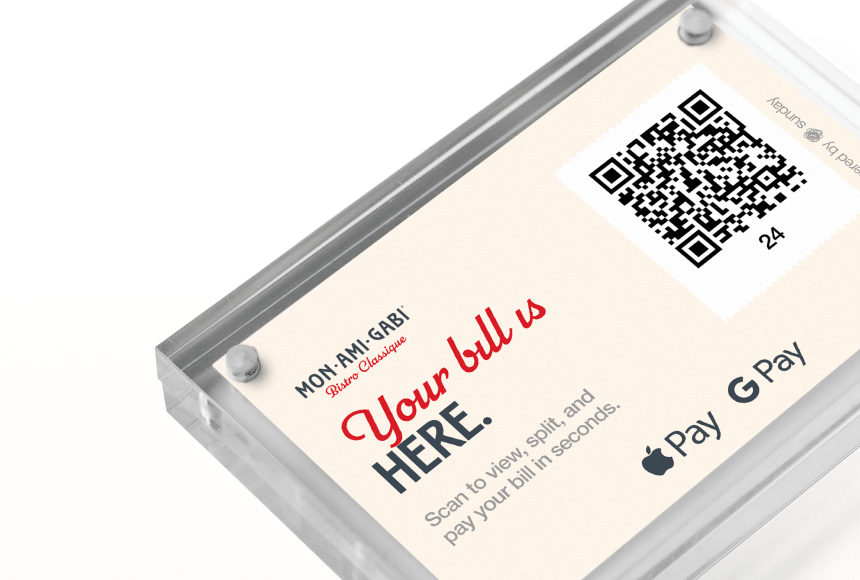
- Aim for More Contactless & QR Code Payments: Contactless or QR code payment systems—like the ones offered by sunday—can have favorable fee structures. Guests pay quickly, tip easily, and leave Google reviews with minimal friction.
- Track PCI Compliance: If you’re paying an inflated PCI compliance fee, make sure you really need that specific service. You might be able to complete self-assessment questionnaires to lower or remove certain charges altogether.
- Confirm Your Merchant Category Code (MCC): Sometimes, incorrect MCC classification leads to higher fees. Make sure your business is categorized properly so your interchange rates match your industry norm.
Implementing these practical changes—even when they seem small—helps reduce friction for customers and shores up your bottom line. For example, if your servers gently mention that “for faster checkout, you can just scan the QR code,” customers might appreciate the speed and convenience, which in turn can elevate your tip totals. By saving on fees, you can reinvest in staff or focus on what you do best: serving great food.
Smart Cash Management Through Technology
January often feels like an unpredictable month for restaurant finances. That’s why small improvements in cash flow can be your secret weapon. The best solutions blend seamlessly into your normal operations, requiring minimal staff retraining or new hardware.
For instance, a digital payment platform that integrates with your point-of-sale system offers your customers a place to finalize their payment, leave a tip, and even write a quick online review without needing your staff to run back and forth with a card reader. This approach saves server time and can bypass specific fees that might be associated with more traditional terminal-based methods.
These changes also curb “table hogging” after the meal ends. You can flip tables more frequently—an added perk in a month where every extra diner matters. And if your staff is happier with a frictionless tipping system, you could see a morale boost at a time of year when energy often flags.
Getting the Details Right: A Cautionary Anecdote
A friend who runs a mid-sized bistro in California shared a story that underscores how easy it is to lose control of payment fees. He’d just upgraded his old point-of-sale hardware to a new card reader. Everything seemed fine until one day he noticed an unusual “desk fee” on his processing statements—an add-on that cropped up each month to cover call-in support hours he never used.
He only discovered it by comparing statements from the old system to the new. Within six months, that “desk fee” had quietly totaled nearly $800—money that could have paid for new silverware or an end-of-year staff party. It was a valuable reminder that even minor line items can snowball into significant costs over time.
He ended up negotiating with the provider to remove the fee, which was a simple fix once he knew it existed. The episode taught him the importance of scanning every line of his statements monthly, especially during lower-revenue periods when those extra fees sting like never before.
Revisiting Your Strategy and Taking Action
Hidden fees may have been easy to ignore when your dining room was bustling non-stop. But each January, as the holiday whirlwind fades, is a golden chance to clean up all those forgotten costs. Think of it like doing a deep scrub of your oven’s interior: it’s a messy job but, once it’s done, everything works better.
Start by gathering your statements, itemizing your fees, and calling your processor’s support line or representative to discuss each one. Ask pointed questions:
- “Why am I paying this fee each month?”
- “Is this negotiable?”
- “What steps are required for me to remove or reduce it?”
If you can, combine your power by calling with real data in hand, qualifying the value you bring in transaction volume. If you’re ready to explore new solutions, consider payment systems that reduce friction, encourage digital tipping, and don’t bury you in archaic fees.
Checking in with resources like the National Restaurant Association’s statistics can help you compare your numbers to industry benchmarks. That can give you perspective on whether your fees line up with the average for restaurants in your category or if you’re paying an unfair premium.
Even a savings of a few hundred dollars a month can have a meaningful impact—especially in these quieter early-year months—helping you preserve resources for staff training, menu experimentation, or fresh seasonal offerings.
FAQ
Question: How can I tell if I’m paying too much in processing fees?
Answer: Compare your statements to standard industry rates, such as average interchange fees from reliable sources like the Federal Reserve. Look for extra line items and check if other restaurants with similar transaction volumes pay less by using alternative providers.
Question: Are QR code payments really cheaper than card swipe or chip transactions?
Answer: Costs vary by provider, but QR code solutions often come with simpler fee structures. They can cut down on hardware expenses and can position you to negotiate lower rates, especially if you see consistent transaction volume.
Question: Does negotiating rates work for small restaurants with fewer than 50 seats?
Answer: It can. While big-volume businesses often have more leverage, even small restaurants can get reduced rates by showing reliable monthly sales trends and consistent card usage. Persistence can make a difference.
Question: Is switching processors complicated?
Answer: Switching may involve reprogramming or replacing certain devices, but many modern solutions integrate smoothly with existing POS systems. Always check for termination fees on your current contract; sometimes they cancel out any initial savings. Ask potential new providers to help you compare real costs.


 1min
1min
 1min
1min