Start the Year Strong: Elevate Your Restaurant Payment Experience
Faster transactions mean happier customers and a more efficient restaurant. In January, when businesses are eager to optimize after the holiday rush, streamlining the payment process can help you build momentum for the new year. Employing user-friendly technology encourages tipping, boosts staff morale, and yields more five-star Google reviews. Payment automation also allows busy owners to focus on food quality and service instead of fumbling with receipts. A simple QR code payment system, like sunday, offers transparent benefits and puts the power in diners’ hands. By saving valuable time and reducing end-of-meal friction, restaurants can improve cash flow and maintain strong customer relationships.
A Fresh Start for Restaurants
After the December rush, January sometimes feels like a quiet stretch. But in that calm lies an excellent opportunity to reflect, plan, and implement improvements. Restaurant owners often tackle menu refreshes, staff training, and interior tweaks in these slower weeks. One area that deserves renewed attention is payment processing. Whether you run an urban café or a family bistro, your payment system can make or break a guest’s final impression.
Imagine a friendly diner who has enjoyed your famed pasta special and a slice of cheesecake. If the process of paying the check is clunky—think long wait times, confusion about splitting the bill, or inconvenient card readers—that pleasant experience can evaporate fast. Instead, with a quicker, easier method, your departing customer is far more likely to leave happy, tip well, and even write a positive online review.
The True Cost of a Slow Checkout
On the surface, a few extra minutes at the end of a meal might seem trivial. But in truth, slow or inefficient checkout can have a substantial impact on your bottom line. Think about it:
- Lost Table Turnover: If guests linger just to pay, other waiting patrons might decide to leave and go elsewhere. Over a month or a year, those lost covers add up.
- Staff Under Pressure: Servers can get stuck running to a busy counter or fighting with outdated equipment, especially during peak shifts, leading to fatigue and errors.
- Customer Dissatisfaction: A poor payment experience drags down your ratings and might lead to negative public reviews.
- Tip Reduction: When people are annoyed, tips often drop. In the United States, tips typically comprise a critical share of servers’ income.
Those are tangible ways that a choppy payment process can deflate guest satisfaction and revenue. As a restaurant owner, your job is not just to create delicious meals, but to ensure the overall experience—payment included—is seamless and efficient.
Why January Is the Right Time to Improve
Some business owners wait until spring or summer to make changes, hoping to ride the wave of better weather and tourist traffic. However, if you embrace January’s lull, you give your staff the chance to learn new technologies and adapt before the next uptick in customers. This quieter window is also a good period to gather feedback from loyal patrons, who might now have more time to chat. A quick conversation about how they feel about your current checkout process can offer valuable insights.
Here are a few compelling reasons to start now:
- Seasonal Slowdown: Less chaos in the dining room means better training opportunities.
- New Year Mindset: Everyone’s thinking about fresh starts, so employees may be more receptive to change.
- Post-Holiday Rebound: People still eat out, but they expect quick, pleasant service—especially if they’re conscious of budgets in the new year.
- Better Competitive Stance: By the time the busier months roll in, your staff will have mastered the updated processes, giving you a head start in your local market.
Those benefits underscore why January is more than just a time for personal resolutions. It’s a superb chance to align your business operations with your long-term goals.
Best Practices for Streamlining Payments
So how does one practically speed up payments while keeping accuracy and friendliness front and center? Overhauling your payment system might sound daunting, but a few targeted adjustments can go a long way. Consider:
- Embrace Mobile Payment Methods: Many guests now expect to pay via their smartphones. Systems like QR codes allow diners to scan, split the bill, and add gratuity in seconds.
- Use Modern Card Readers: Gone are the days of clunky “card swipers.” Upgrade to newer card payment terminals that support contactless cards and digital wallets.
- Train Staff Thoroughly: No matter how good your tools are, a well-trained staff is essential. Make sure each server knows how to handle every payment scenario—splitting checks, partial payments, or applying discounts.
- Set Clear Policies: Whether that’s about taking deposits on large parties or how to handle promotions, consistency breeds less confusion. Post or share simple guidelines with your team.
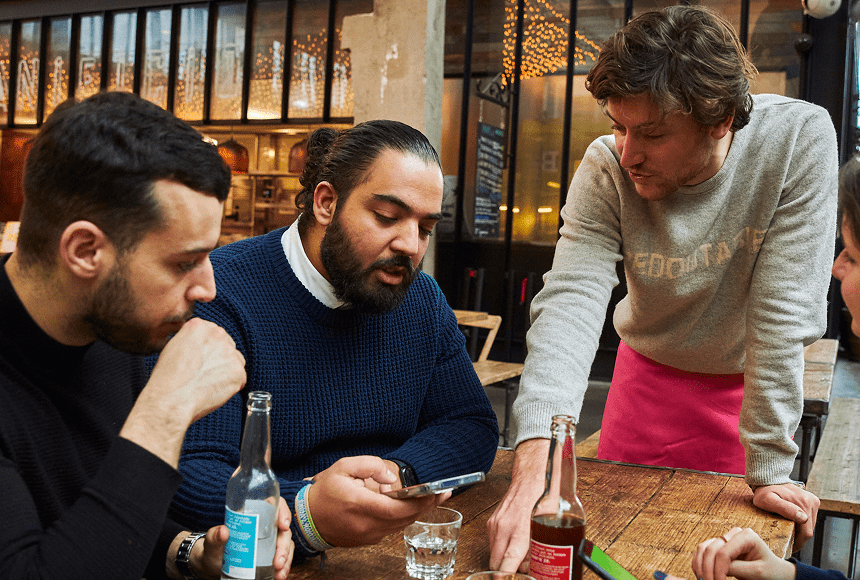
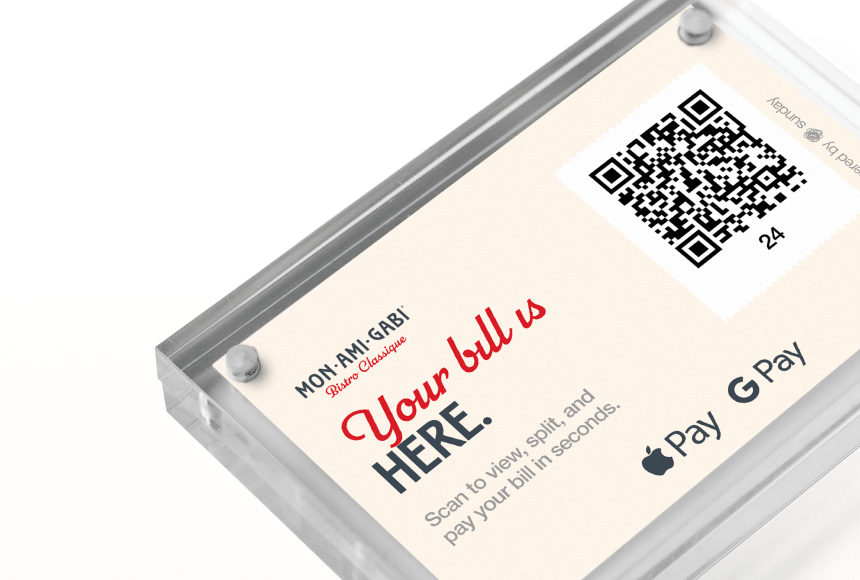
Sometimes, restaurant owners assume new payment solutions are complicated or require a big technology budget. In reality, many updated systems are easy to adopt. For instance, a solution like sunday helps restaurants expedite tableside payments without layers of complex hardware. Guests simply scan a code at their table, see their tab, and finalize payment. This approach spares servers from the back-and-forth dance of delivering the bill, picking up a card, returning with receipts, and so on.
Encouraging Reviews and Tips
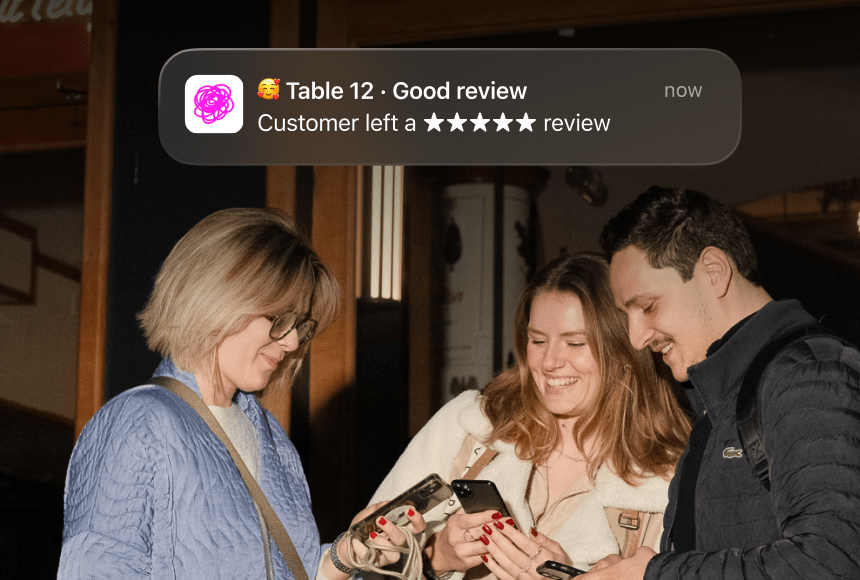
Prompt payments can have a positive domino effect. When the experience is smooth from start to finish, guests leave on a high note. That high note often translates to better tips, as well as more frequent five-star reviews on Google, Yelp, or TripAdvisor.
Consider the built-in advantages of a QR code payment system:
- Immediate Feedback Window: Right after completing the transaction, many solutions allow diners to rate their experience or write a quick review. If everything was great, they’re more likely to praise your place publicly.
- Tip Prompts: A digital prompt often nudges people to leave a tip. In the U.S., tipping is culturally standard, but small reminders can lift tip percentages even higher.
- Minimized Server Error: Everyone’s experienced that moment when the wrong credit card slip lands at the wrong table. Digital solutions decrease these slip-ups, preserving trust.
Reviews can be a powerful driver of new business, as 90% of consumers read online ratings before visiting a restaurant, according to Forbes. By ensuring a frictionless payment experience, you reduce the risk of negative comments about your service or speed.
Nudging Diners Toward Loyalty
Beyond single-visit satisfaction, faster payments can improve overall loyalty. A diner who leaves with positive vibes is more likely to return. As you plan your January reset, consider ways to engage repeat customers:
- Loyalty Programs: Tie your payment system to a rewards platform so guests automatically earn points whenever they pay using your preferred method.
- Personalized Offers: For recurring guests, sending tailored promotions or coupons after their meals helps reinforce their bond with your restaurant.
- Easy Group Splits: When diners see how user-friendly your payment setup is for group dining, they’ll choose your spot for birthdays, gatherings, or after-work get-togethers.
Think about the bigger picture. A seamless checkout sets the stage for all these loyalty-building strategies. If diners trust that paying is quick and transparent, they’ll be more open to your loyalty initiatives.
Leveraging Technology for a Competitive Edge
In 2023, many restaurants still rely on outdated tools. This gap offers a unique chance to differentiate. Adopting new technology not only modernizes the guest experience but can also set you apart from competitors in a crowded market. Stand out by:
- Offering Contactless Payments: According to the National Restaurant Association, the demand for contactless services soared during the pandemic and shows no signs of slowing. Capitalize on that trend to appeal to health-conscious diners who want minimal contact.
- Integrating With POS Systems: Make sure whatever solution you choose can seamlessly integrate with your existing point-of-sale software. This saves your team the hassle of managing multiple databases.
- An Attractive Web Presence: Modern, user-friendly technology inside your restaurant often aligns with a clean website or social media presence. Diners notice these details. They’ll assume your kitchen quality is as up-to-date as your tech.
Choosing integrated payment systems can also help you track data, glean insights about peak times, and even forecast staffing needs. Technology, in this sense, becomes another ingredient in your recipe for operational efficiency. Instead of flipping between outdated devices and scribbled receipts, centralizing your processes saves time and prevents mistakes.
The January Payment Reset in Action
Let’s walk through a hypothetical example. Picture “The Cozy Spoon,” a mid-sized restaurant known for its homestyle cooking. By late December, the staff was exhausted from holiday events. When January came around, the owner decided to refresh the entire purchasing experience.
Here’s what they did:
- Upgraded Terminals: They replaced older card readers with sleek, contactless-supported card payment terminals. This not only reduced checkout time but also supported tap-to-pay from smartphones.
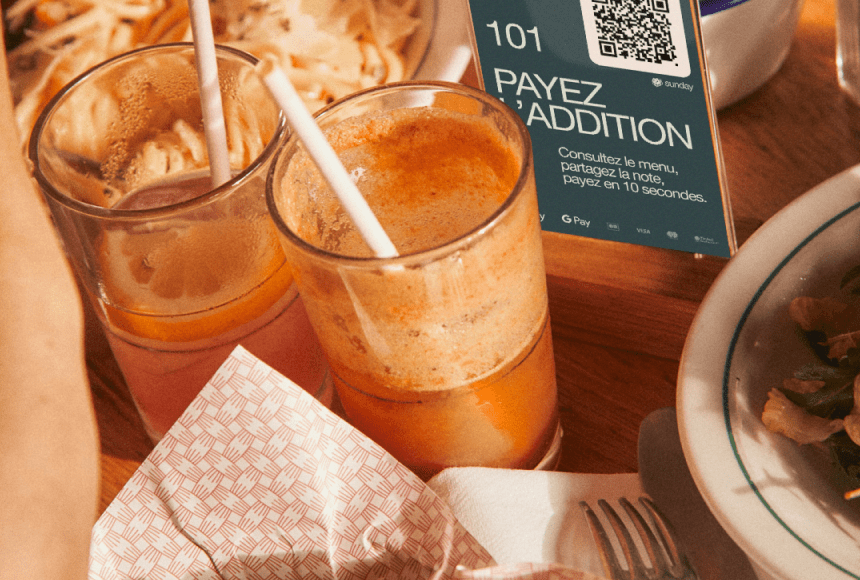
- Introduced QR Code Payments: Diners found small placards at each table with a scannable code. Within seconds, they could confirm their order, split payment, and add a tip from their phone.
- Server Training Sessions: The Cozy Spoon dedicated a day of staff training, walking employees through common payment scenarios. Confidence soared, and complaints about final checks dropped noticeably.
- Review Encouragement: On the final payment screen, a friendly note said, “Loved your meal? Tell us—and the world!” linking directly to Google Reviews. They saw a 20% spike in positive posts within a few weeks.
Guests responded with enthusiasm, praising how easy it was to settle the bill. This led to smoother table turnover, improving the restaurant’s capacity. Staff morale jumped as well since servers felt less rushed juggling credit cards. The Cozy Spoon is now saving time on each transaction and reinvesting that energy into better service.
Through these kinds of changes, a January reset becomes more than a buzz phrase. It’s a strategic move that positions your restaurant for a more prosperous year.
FAQ
Below are some frequent questions restaurant owners have about implementing faster payment solutions.
- Is switching to QR code payments worth it?Yes. Even if your current methods are functional, QR codes offer speed and convenience that traditional card swipes or chip readers may lack. Many guests appreciate the self-directed process, which can boost tips and encourage repeat visits.
- How long does it take to train servers on new payment technology?Most teams can get the hang of it within a few short sessions. The system itself is often intuitive, and the main focus will be on showing staff how to assist customers who have questions about scanning or splitting checks.
- Will adopting a new system disrupt our existing POS?If you choose a solution that integrates with your point-of-sale software (like sunday does), you’ll likely have minimal disruption. Many modern systems sync directly, so you can track totals without duplicating effort.
- Is it safe for customers to pay via their phones?Yes, as long as you use a reputable, secure platform. Mobile payment solutions in the US typically follow strict encryption standards to protect data. Be transparent about security measures to put diners at ease.
- Will faster payments really affect my restaurant’s bottom line?Absolutely. Smoother checkouts translate to higher table turnover, better tip averages, and an uptick in positive reviews. All of these factors accumulate over time to boost both revenue and reputation.
Moving into the new year with a proactive mindset can transform your restaurant’s operations. From shorter wait times to happier guests, the ripple effects of an efficient payment strategy touch every corner of your business. By embracing January as a moment to reset and invest in technology that simplifies the final step of each customer’s visit, you lay the groundwork for growth and stability in the months ahead. Whether it’s through quick credit card transactions, QR code scans, or integrated loyalty rewards, the goal is clear: make the payment process as enjoyable as the meal itself.


 1min
1min
 1min
1min