Holiday-Season Tip Sharing: Embracing Digital Tools for Equitable Rewards
Why Fair Tip Distribution Matters More Than Ever
As the holiday season approaches, restaurants across the United States prepare for an influx of enthusiastic diners. Office gatherings, family celebrations, and festive gift exchanges often translate into larger parties, complex orders, and—importantly—bigger tips. Yet with more tips can come more questions: How do you distribute them fairly among your staff? How do you ensure transparency so that everyone, from the newest server to your trusted kitchen team, knows they’re being treated right? These questions aren’t just abstract HR concerns. They’re matters of trust, morale, and a culture of respect that can make or break the spirit in your business.
In busy holiday settings, tip pooling—the process of collecting tips into a shared “pool” and dividing them among relevant front-of-house and even back-of-house employees—can foster solidarity. But what if your staff suspects that someone might be getting an unfair percentage? Or what if fast-paced service means nobody is entirely sure how much each person earned? This is where technology steps in, offering you and your restaurant colleagues a powerful tool to handle tips transparently and fairly.
In this article, we’ll explore how new digital solutions, such as payment apps and QR code-based systems, can boost tip accuracy, simplify tip management, and encourage a healthy, equitable workplace culture. We’ll also look at some of the legal nuances, operational benefits, and practical tips worth considering as you spread holiday cheer in your establishment. Let’s dig in.
Holiday Rush and Its Hidden Challenges
Holiday parties often bring fantastic opportunities: higher revenues, extra shifts that can offer staff increased earnings, and a lively atmosphere that elevates everyone’s mood. Yet the season also tends to multiply the usual problems:
- Inconsistent tipping: Large groups may leave generous tips, but individual orders can be unpredictable. This can create disparities in staff earnings.
- High stress: Increased table turnover ramps up pressure to deliver orders on time while maintaining a warm, festive vibe.
- Ad hoc staff schedules: To handle the demand, you might bring in extra servers or expand roles for existing staff. Keeping tip distribution fair with temporary or expanded teams can become complicated.
- Lack of transparency: A big party might leave a huge tip on a single credit card transaction. Who sees how it’s allocated? If processes aren’t transparent, staff can end up feeling suspicious, even if you settle tips properly.
When these challenges pile up, morale can suffer. After all, nobody wants to work at an establishment where tips—and trust—are in short supply. Fortunately, the right digital payment solutions can help ease tension and streamline the entire process of dividing tips—especially in chaotic, high-volume holiday environments.
The Importance of Technology in Modern Tip Pooling
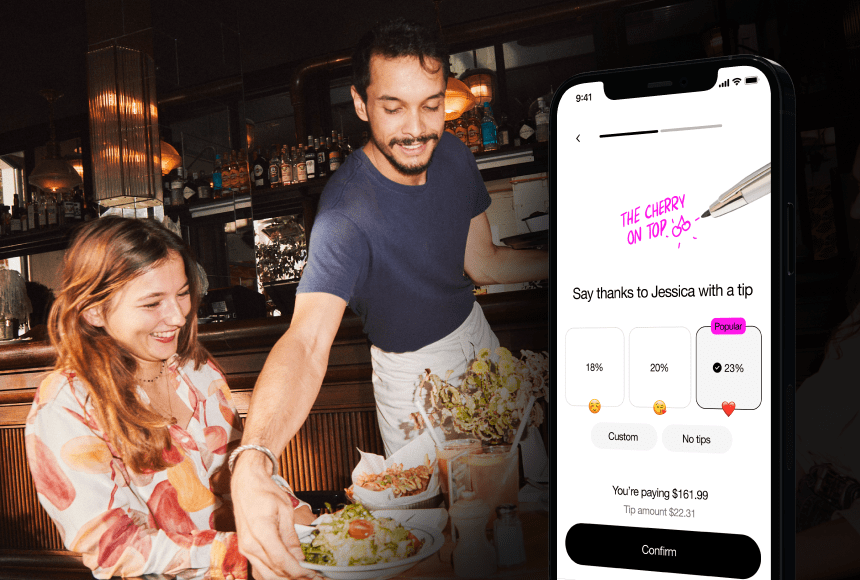
We live in a time when technology is simplifying nearly every dimension of restaurant operations, from inventory management to real-time table availability. Tip pooling is no exception. The latest payment apps allow guests to settle their bills quickly—often through a simple scan of a QR code—and automatically designate a preferred tip amount. With detailed data at your fingertips, you can see exactly how much guests are tipping and, crucially, how those funds are distributed.
Picture this scenario: A group of 20 coworkers attends a lively holiday luncheon. They’re short on time, but they want to take care of their server and also acknowledge the support of the bar staff and kitchen crew. Instead of stuffing cash into envelopes and praying it’s counted correctly, they pay through a quick digital system. That system instantly notes how much each role should get, based on your restaurant’s established pooling rules. Everyone has access to a clear breakdown that feels both accurate and fair.
Transparency doesn’t stop with your staff. Some solutions allow guests to see how their gratuities benefit the broader team. This gives an added layer of insight, reassuring customers that their tip is going to the people who made their experience memorable—from the person who refilled their water to the chef who prepared those mouthwatering entrées.
Legal Considerations: Knowing the Rules
Tipping rules in the United States can be tricky, so let’s address a few core principles. Federal regulations imply that tips belong to the employee who received them, unless there’s a formal tip-pooling system approved by management and staff. States may have different guidelines around who can share in a tip pool. Front-of-house employees—servers, bartenders, hosts—are typically included. Certain states allow pooling to include traditionally back-of-house employees such as line cooks or dishwashers. Others limit it to staff who regularly interact with customers.
In a 2018 revision, the Department of Labor provided more flexibility, allowing restaurant owners to establish tip pooling frameworks that include back-of-house personnel, as long as everyone earns at least the full minimum wage. However, laws continually evolve, and it’s vital to stay current with both federal and state rulings. For more accurate and detailed guidance, check out the U.S. Department of Labor’s official page on tips. You can also consult the National Restaurant Association for insights on how tip regulations may differ by state.
Digital tools can reduce the risk of legal missteps. By automatically tagging and tracking each tip, you minimize inaccuracies in your records. Showing clear, itemized breakdowns can protect you if there’s ever a dispute about who receives what. The ability to pull up time-stamped digital receipts can be a lifesaver during an audit or staff review process.
How to Implement a Transparent Tip Pooling System
Building a fair tip distribution system with the help of technology doesn’t happen overnight. You’ll need to spend a bit of time setting up protocols, communicating with your employees, and fine-tuning the digital platform you choose. Below is a simple guide to get you started.
1. Define Your Tip-Pooling Policy
Before integrating any new system, determine who’s part of your pool—servers only, or servers plus bartenders, hosts, and even cooks? Figure out the share each role should receive, especially on those big holiday bills with multiple permutations of staff involvement. Some restaurants set a fixed percentage for each position, while others use a points-based system that assigns points to roles, factoring in position and hours worked. Clarity here prevents future misunderstandings.
2. Choose a Reliable Payment Solution
Look for a platform that offers:
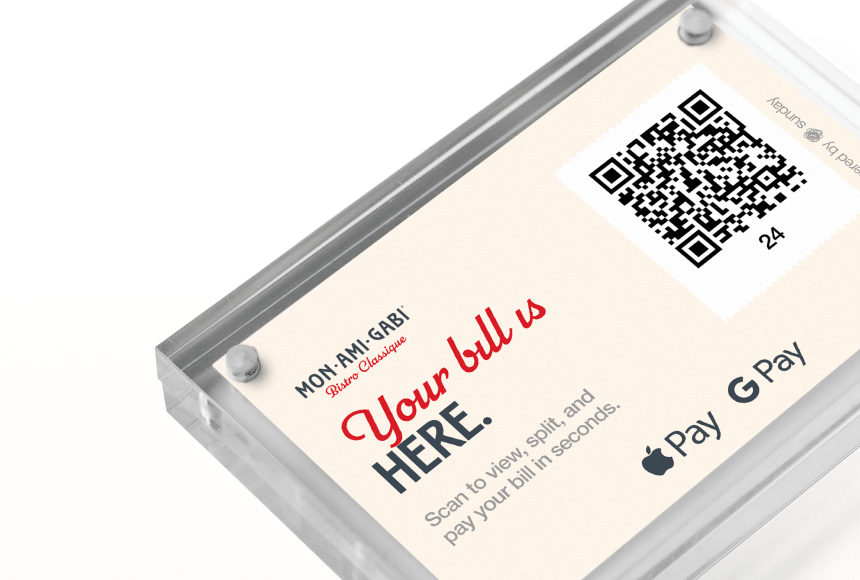
- QR code payments: Letting customers pay using their phones directly at their table is faster and safer than handing off a credit card.
- Automated tip calculations: The best systems can automatically split tips based on your preferences.
- Real-time reporting: You and your team can see exactly how tips accumulate as the night progresses.
- Secure data storage: Accurate records help you remain compliant with wage and hour laws.
Integration with your existing point-of-sale system can be a bonus. And if you’re still using handheld card readers or older payment terminals, now is a great time to upgrade to a solution that prioritizes speed and transparency. Some modern platforms, like the one offered by sunday, make it simple for guests to pay, tip, and leave a Google review—all from their phone. This streamlined approach doesn’t just help your staff see the distribution; it can also boost your online presence.
3. Engage Your Team Early
Employees deserve clarity on how these changes will impact them. Host a brief team meeting or training session on the new payment system. Show them the dashboards or reports so they can understand who gets what from each pooled tip. Encourage questions, especially from employees used to direct, table-by-table tips. Your aim is to create a culture where staff embrace the fairness and simplicity of digital tip pooling, rather than suspecting it might reduce their personal take-home pay.
4. Communicate with Customers
You don’t have to make a big deal out of tip pooling on your holiday party flyers or menus. However, a short mention on your website or a friendly note on the digital tipping interface can reassure guests that their tips support the whole team. In an era when diners increasingly care about how businesses treat employees, highlighting transparency gives your restaurant an ethical edge.
5. Monitor and Adjust
Once you have automated, real-time data, you’ll quickly see trends. Do some roles receive more tips than expected? Are guests tipping less or more with a streamlined checkout? Keep tweaking your distribution breakdown if you notice patterns that aren’t quite matching your initial assumptions. A short team check-in after the first couple of busy weekends in December can be eye-opening. Make it clear to everyone that you’re committed to refining the system for maximum fairness.
Real-Life Example: The Festive “Merry and Bright” Brunch
Imagine a bustling December Sunday—excuse us, sunday. You’ve booked a large corporate brunch for 50 people. They arrive early, ready to sample your holiday-themed mimosas and specialty pastries. The group is spread across multiple tables. As a manager, you’re orchestrating a well-choreographed routine of servers, bartenders, bussers, and pastry chefs. When the group is ready to pay, each table scans a QR code, selects their tip percentage, and finalizes payment in seconds.
Your payment platform instantly divides the total tip into shares: 40% goes to servers, 20% to bartenders, 20% to bussers, and 20% to kitchen staff. At the end of the brunch, your staff can open the reporting dashboard to see precisely how much they’ve collectively earned. Everyone breathes a sigh of relief, knowing no one is left out. The staff can head into the rest of the busy shift or day off in high spirits, confident that the system is both accurate and equitable.
How Fair Tip Pooling Boosts Staff Morale and Guest Satisfaction
A well-oiled, transparent tip pooling process can do wonders beyond the ledger. Your team’s morale stands to soar when they feel properly acknowledged. This boost in mood often translates into the kind of service that has customers raving—and returning. Here’s why:
- Lower tension: Staff members see exactly how tips are split, reducing the chance of petty conflicts or suspicion.
- Team spirit: Everyone is working toward a collective goal, and each person’s contribution—whether they’re pouring drinks or plating entrées—receives fair financial recognition.
- Enhanced service: Staff who trust management and feel secure about fair pay are more inclined to focus on what truly matters: delivering a standout guest experience.
- Customer appreciation: Diners sense a united front when staff collaborate seamlessly. They’re also more likely to tip generously when they see positive energy on the floor.
The end result? Returning holiday clients who look forward to your restaurant’s warm atmosphere and a motivated team eager to provide that extra bit of cheer throughout the season.
Overcoming Common Objections
Even the best plans can face resistance. Here are a few concerns you might hear, along with ways to respond:
- “I’ll lose my chance to earn bigger tips because I’m a strong server.”
While star servers bring in higher tips, even top performers benefit from a healthy, cooperative environment—particularly during high-volume events. Additionally, strong performances can enhance the overall group’s tip percentage, raising the pool for everyone.
- “I don’t trust a computer to do what I can do in my head.”
In reality, digital solutions reduce human error. The software logs each transaction to ensure no miscalculations. Automated technology can protect you from errors that might cut into your pay.
- “Customers might be put off by a new payment system.”
Most guests adapt easily to QR code payments or digital tipping, especially if it simplifies checkout. Offer a quick tutorial if needed. But once customers realize how easy and secure it is, you’ll see adoption rates soar.
- “It’s too complicated for our staff to learn.”
It’s essential to choose a user-friendly platform with intuitive features. Within days, new tools often feel second nature—especially as staff see the immediate benefits.
Tech Features That Enhance Transparency
While a simple digital payment solution might suffice, you can also find advanced features that greatly improve tip pooling. Below is a quick table highlighting functionalities to look for when evaluating a solution:
| Feature |
Benefit |
| Role-Based Tip Allocation |
Set distinct percentages or point systems for servers, bartenders, bussers, etc., ensuring fair splits. |
| Real-Time Dashboards |
Both managers and employees can track collected tips as they come in, promoting trust. |
| Employee Logins |
Each staff member can log in to see their share without revealing everyone else’s personal details. |
| End-of-Shift Reports |
Generate clear summaries for quick tip distribution, eliminating guesswork. |
| Guest-Facing Transparency Option |
Show diners how their gratuity is used, reinforcing your commitment to fairness. |
Financial and Operational Benefits of a Digital System
While staff morale and guest satisfaction are huge wins, you can also look forward to tangible operational improvements. Tackling tip pooling with technology can lead to:
- Fewer mistakes: Automated calculations reduce human error, protecting your bottom line and keeping employees happy.
- Time savings: You’ll spend less energy sorting out tip amounts. The solution does the hard parts for you.
- Better compliance: Documenting transactions digitally can shield you from legal disputes, especially if you’re in a state with strict tip-sharing guidelines.
- Tax clarity: With digital records of every tip, your accountant or payroll provider can handle taxes more accurately and efficiently.
- Happier staff retention: Fair pay fosters loyalty. A stable team means less time spent on hiring and training, helping you focus on growth.
Looking to the Future: More Than Just Tip Pooling
As the hospitality industry continues to evolve, technological solutions are expanding far beyond tip calculations. Digital ordering, reservation management, and real-time inventory tracking can work in harmony with next-generation payment options. Eager to test new menu items? A robust data system might show you precisely which items are flying out of the kitchen and how that correlates with overall tips. This kind of insight helps you refine your menu for seasonal events while anticipating staffing needs.
Restaurant owners who embrace these tools demonstrate to their teams that they’re forward-thinking and committed to fairness. In an environment where work-life balance, transparent compensation, and open communication matter more than ever, it pays—literally—to adopt technology that showcases your commitment to ethical and equitable practices.
Your Warmth, Enhanced by Technology
At its core, the restaurant business is about people: the people in your kitchen striving to maintain quality, the people serving guests with a genuine smile, and the customers themselves who are seeking a memorable experience. During the holiday season, that human connection is magnified by the spirit of celebration and camaraderie. By combining your personal warmth and hospitality with a digital, efficient, and fair tip pooling platform, you ensure that everyone shares in the holiday cheer.
Implementing these tools might feel like a big step at first. But once you see the results—immediate data insights, satisfied staff, and an uptick in positive guest feedback—you’ll wonder how you managed holiday seasons without them. Fair tip distribution resonating throughout your entire team is the best gift you can offer your employees, reinforcing a sense of unity that will carry through well past the celebrations.
Frequently Asked Questions
How does digital tip pooling handle cash tips?
Digital tip pooling is typically designed for credit card or mobile payments, but many systems allow you to enter cash tips manually. This way, you keep a single, centralized record of all gratuities, ensuring every penny is accounted for.
Can back-of-house employees legally receive tips?
Yes, if your employees receive at least the regular minimum wage (rather than the tipped minimum wage) and state laws permit tip sharing with non-tipped roles. Always verify your local regulations before including kitchen staff or other back-of-house employees in a tip pool.
Does adopting a digital platform require changing point-of-sale systems?
It depends. Some digital tipping and pooling solutions integrate seamlessly with existing point-of-sale setups, while others replace them entirely. Look for software that offers flexible integrations or has an open API so you don’t have to overhaul your entire system just to handle tips fairly.
Will customers tip less if the process is digital?
Most US diners are already comfortable with digital payments, and many are willing to offer a higher tip in a simpler, tech-forward experience. By presenting clear tip percentage options and a fast checkout, the convenience can actually encourage customers to tip generously.
What if some employees prefer traditional methods?
Offering training and hands-on assistance can ease the transition. Emphasize the benefits: faster checkout, fewer calculation errors, and instant visibility into each person’s share. Once staff members experience the advantages, most will appreciate the update.


 1min
1min
 1min
1min