Transparent Holiday Tipping: Modern Solutions for a Fairer Festive Season
Why End-of-Year Celebrations Need a Fresh Approach to Tip Distribution
Holiday parties can be both a blessing and a logistical puzzle for restaurant owners. On the one hand, they bring large bookings, festive ambiance, and generous guests. On the other hand, the sudden influx of group events can dramatically increase service demands, making it a challenge to manage staff schedules, keep track of orders, and fairly distribute tips. As you juggle the many tasks of year-end service, the question of tip pooling comes up time and again. Is there a way to make things seamless, equitable, and transparent?
With modern technologies—from digital payment platforms to real-time analytics—restaurants can finally balance fairness with convenience. In a season when emotions run high and staff look forward to extra earnings, using the right tools can smooth out potential friction. And that’s good news because a fair distribution of holiday tips not only boosts morale but also fosters teamwork, which directly translates to better customer experiences.
The Rising Importance of Fair Tip Pooling
The concept of tip pooling isn’t new. Restaurants have long explored different ways to divide gratuities among servers, bartenders, kitchen staff, and other team members. These practices can become especially important during the holiday season, where large parties often leave substantial tips. The question remains: how to split these tips so everyone feels recognized, without creating suspicion or resentment?
Fairness is critical, and so is maintaining trust. In fact, according to a survey by the National Restaurant Association, employee retention and job satisfaction are directly linked to transparent pay structures. When staff understand how tips are tracked and divided, disagreements diminish. Technology can make these divisions easier and more equitable, reducing a manager’s workload while keeping team spirit intact.
Common Challenges with Holiday Tip Pooling
Before diving into how technology can transform the process, it’s useful to understand the roadblocks that hamper fairness—especially during the festive rush.
- Higher Volume, Bigger Tips: The holiday period often means large corporate events, family gatherings, and end-of-year celebrations. Total gratuities can spike considerably, sometimes overshadowing everyday tips. With more money on the table, any sense of imbalance can quickly lead to disputes.
- Complex Staffing: Seasonal hires, temporary event staff, and rotating schedules can make it harder to track who contributed to what service. If your restaurant employs extra staff just for holiday parties, the manual process of adding them to tip distribution can become complicated.
- Lack of Transparency: Traditional methods of pooling—like dropping cash tips into a jar—lack visibility. Staff might suspect managers of withholding tips or distributing them arbitrarily, even if that isn’t the case. Distrust can derail morale at the exact moment you need it most festive.
- Regulatory Hurdles: The United States has specific rules about pooled tips. The U.S. Department of Labor offers guidelines on who can participate and how. Violations can lead to hefty fines and reputational damage. Staying compliant is essential for your peace of mind and for your team’s job security.
Real-Life Scenario: Jill’s Bistro Navigates the Holiday Rush
Imagine Jill’s Bistro in Chicago, a cozy restaurant known for its blend of American comfort food and locally sourced ingredients. During December, it becomes the go-to spot for office parties. Bookings skyrocket, and on any given night, Jill’s Bistro might cater to two or three giant groups celebrating the season.
In the past, Jill, the owner, relied on manual note-taking to manage tip splits. After closing, a manager would spread the piles of cash on a table and try to recall who worked on which table. This system was error-prone and often sparked debates. Kitchen staff complained they didn’t get a fair share, new employees missed out because their hours weren’t properly logged, and servers questioned whether full tips were being distributed. The result? A stressful environment that dented morale.
After adopting a digital payment system that tracks each transaction, Jill’s Bistro saw a transformation. Every tip now gets reported in real time, automatically logged by staff member or station. The data syncs with an app that calculates and distributes percentages based on predefined rules (for instance, 70% to front-of-house, 30% to back-of-house). As a result, Jill’s holiday rush has gone from a logistical headache to a well-orchestrated party—both for guests and staff.
How Technology Fixes the Transparency Gap
The key to a smoother holiday season is employing technology that eliminates guesswork and potential disputes. Here’s how tech-driven solutions, including integrated payment systems and real-time dashboards, can address the four key challenges of holiday tip pooling.
1) Automated Tracking of Each Transaction
Instead of fumbling with receipts or physically collecting cash, digital transactions store everything in one system. Modern point-of-sale (POS) devices record the exact amount tipped, the corresponding table, and the server who handled it. If your restaurant also features a self-pay method—like scanning a QR code right from the table—these systems can automatically associate the tip with the correct check.
This comprehensive approach means every cent is accounted for. Staff no longer wonder if they’re missing tips or if managers are “forgetting” to log certain amounts. Transparency becomes the default setting, not an afterthought.
2) Predefined Tip Allocation Rules
Are bartenders supposed to get 10% of the overall tip pool? Does the kitchen staff receive a fixed percentage? By setting up clear allocation rules in your system, you eliminate confusion over how the pie is sliced. Your staff knows the ratio in advance, which helps them focus on delivering excellent service rather than debating distribution.
Many modern payment platforms allow you to customize these rules, whether it’s by percentage, points system, or any other metric you choose. For example, if your head chef is also the restaurant manager, you can decide if they’re excluded from the tipping pool in compliance with labor regulations. This clarity ensures that everyone works with the same understanding of who gets what.
3) Real-Time Visibility and Reporting
There’s a big difference between hearing about transparency and seeing it. Real-time dashboards let employees check their earnings at any hour. Whenever a guest leaves a tip, the software updates the tally automatically. Some systems even let employees gauge tips for each day part—lunch, dinner, or late-night events—enabling them to spot if they’re on track for a solid shift.
This approach isn’t just about data. It’s about team-building. When everyone can see their piece of the puzzle, collaboration becomes more natural. Hosts, bussers, and servers are incentivized to help one another throughout the night, knowing their collective earnings benefit from top-quality service across the board.
4) Seamless Integration with Payroll
The holiday season already imposes extra tasks on your management team, from scheduling more staff to ordering extra inventory. Adding a complicated tip distribution method amplifies the stress. By integrating tip data directly with your payroll provider, you can automate end-of-week or end-of-month payments. No more waiting until the manager tallies envelopes in a back office at 2 a.m. or spontaneously emailing the accountant these figures.
This feature is especially handy when holiday events surge. Whether it’s a last-minute private party or a weekend jam-packed with celebrations, you can trust that the platform is automatically tracking, dividing, and funneling tips into the right hands when payday arrives.
Tech Features You Might Not Have Considered
Beyond simple tracking and splitting, certain technological solutions come with a suite of features that simplify day-to-day operations. Here’s a quick table summarizing which functionalities can help, especially during the holidays.
| Feature |
How It Helps |
| Employee App |
Encourages staff to view real-time earnings and fosters trust in the system. |
| Customer Feedback Integration |
Triggers prompts for reviews on Google or social channels right after payment, boosting your holiday reputation. |
| Multi-Location Support |
If you’re managing multiple venues, you can toggle between branches to check each location’s tip pools and reconcile variations. |
| Data Analytics |
Lets you spot peak tipping times and better plan schedules for bartenders, servers, and kitchen teams. |
Legal Considerations and Compliance Tips
While technology can solve many of the operational headaches, you should still keep an eye on U.S. labor laws concerning tips. Each state may have specific rules about minimum wage credits, tip sharing, and which employees can be included in the pool. The Department of Labor’s official website is a great starting point to check current federal standards—then cross-reference local laws.
Here’s a quick checklist to remain compliant:
- Identify Eligible Employees: Under federal regulations, managers or supervisors generally should not share in pooled tips. Check your state specifics for any nuances.
- Communicate Clearly: Announce your tip pooling policy in writing. Outline the formula for distribution and your reasoning for including or excluding certain roles.
- Track Hours Rigorously: If a bartender also occasionally waits tables, make sure your system knows this. A thorough time-tracking solution ensures each person receives the correct share.
Avoiding Holiday Pitfalls with a Proactive Mindset
As you gear up for the holidays, it’s easy to focus solely on decorations, special menus, and staff schedules. Yet tip pooling deserves just as much attention. A harmonious system can strengthen team dynamics. Conversely, a messy tip situation can overshadow the festive spirit and set off heated arguments.
Emphasize communication from the start. Host a brief meeting at the beginning of the season to explain any new protocols or software updates. Encourage staff to give feedback, especially if they notice discrepancies. Make it known that your door is open for questions about distribution. Ultimately, it’s this proactive approach—bolstered by intuitive tech—that makes fair tip pooling a reality.
How Digital Payment Platforms Enhance Transparency
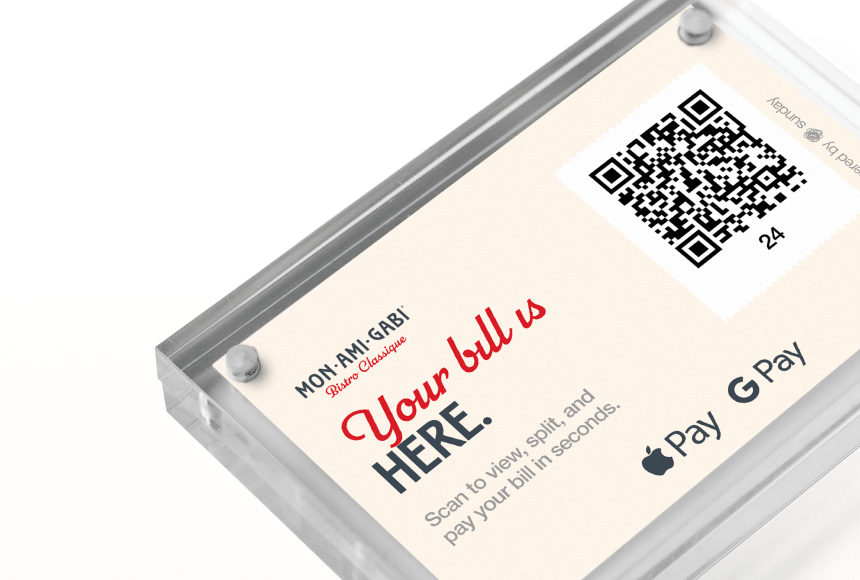
In the hustle of a holiday crowd, not everyone wants to wait for the check. That’s where digital platforms, including solutions like sunday, step in. By scanning a QR code at the table, your guests can split the tab, add a tip, and even leave reviews. Meanwhile, all tipping data flows seamlessly into your dashboard.
This shift not only improves speed but also promotes fairness. The system calculates the tip distribution accurately and in real time. Instead of your staff scrambling around with credit card receipts, they can rely on verified numbers updated by the second. The simpler it is for guests to tip, the more likely they’ll do it—and the more certain your staff will feel about the final amount.
Building Trust in Your Team
When employees trust that management is distributing holiday tips fairly, the overall atmosphere improves. Staff members can focus on providing memorable experiences for guests rather than worrying about the payout at the end of the night. This positivity often resonates with customers, who pick up on the cohesive vibe and reward good service with even more generous tips.
Yes, employees want fair compensation, but they also want reassurance that their hard work isn’t overlooked. By combining transparent policies, straightforward communication, and the right technological tools, you can earn their trust. The intangible benefit? Reduced turnover—a particularly valuable advantage in a labor market that remains competitive for skilled service professionals.
Building Customer Loyalty During the Holidays
Ever notice how delightful experiences encourage return visits? When tip pooling is handled fairly, staff morale stays high. Happy staff tends to deliver more personalized, attentive service, which in turn strengthens customer loyalty. Despite the whirlwind of large groups, guests will remember how well they were treated and are more likely to return—potentially becoming year-round patrons, not just festive season visitors.
Moreover, digital payment systems make it easy to capture feedback right away. Guests who have a seamless experience can quickly leave a five-star review on Google. Those extra reviews can boost your online presence, drawing even more holiday bookings—and beyond. This cycle of trust and satisfaction is a gift that keeps on giving.
Case Study Returns: Jill’s Bistro One Year Later
Fast forward twelve months at Jill’s Bistro. The once-chaotic holiday rush is now a streamlined affair. Jill’s holiday tip pooling policy is integrated into her POS system, with each staff member accessing real-time data from an employee app. The result? A massive drop in disputes. Complaints about unfair tip distribution have disappeared, replaced by staff who feel empowered and valued.
Word of mouth has also improved. Customers appreciate the swift checkouts and the cheerful atmosphere that pervades the dining room. Meanwhile, Jill no longer loses sleep over how to split tips or whether she’s following all legal requirements. This success story highlights that with a little planning, the holiday season can be both lucrative and harmonious.
Charting a Fairer Path Forward
If you’re a restaurant owner gearing up for holiday bookings, it’s worth looking into the range of digital platforms that can help you manage tip pooling with minimal friction. These tools, supported by a clear policy and open communication, ensure that each employee is fairly rewarded, from the server at the front line to the dishwasher who works tirelessly in the back.
The result is a win-win: stress-free management, satisfied staff, and happy guests who sense when a restaurant team is truly united. Add in the reputation boost that accompanies well-reviewed holiday parties, and you’ve got a recipe for festive success. Investing in technology now could be the best gift you give your team—and your bottom line.
FAQ: Common Questions About Holiday Tip Pooling
How does tip pooling work for employees with different roles?
Most restaurants set up a structured formula, where servers earn the largest share, bartenders get a fixed percentage, and back-of-house staff receive a portion that reflects their contribution. Clear, transparent rules defined within your payment platform help ensure everyone knows how tips are split.
Are there legal restrictions on who can participate in a tip pool?
Yes. Under U.S. federal law, typically only employees who regularly receive tips—like servers, bartenders, and bussers—can share in a pool. Managers and owners usually cannot. Be sure to check both federal and state laws, as they can vary.
How do digital systems track cash tips?
If a significant share of your guests still pays in cash, platforms can integrate manual entries for those amounts. All you have to do is enter the cash tip into the system under the relevant check. From there, the same allocation rules apply.
Can guests see how tips are allocated?
Usually, guests only see the final total of their bill and are prompted to leave a tip. But if you want to highlight transparency, some platforms can display a short explanation of how tips are shared among staff. This can reassure customers that their generosity reaches the entire team.
Do I need a separate system if I already have a POS?
Not necessarily. Many modern POS systems include tip pooling as a built-in feature or offer third-party integrations. Check with your provider to see whether they support real-time tip tracking and distribution.


 1min
1min
 1min
1min