Stay One Step Ahead: Holiday Inventory Strategies to Keep Your Restaurant Stocked
Why Holiday Inventory Management Matters
The holiday season presents extraordinary opportunities for restaurants: festive dishes, hungry crowds, and a surge in end-of-year revenue. However, with great opportunity comes great responsibility—especially when it comes to inventory. Order too little, and you risk running out of crowd-pleasers (like those all-important cranberries). Order too much, and product could spoil as the New Year rolls in. Finding the sweet spot is an art and a science.
According to the National Restaurant Association, the weeks around the Christmas and New Year’s Eve holidays often account for a significant boost in annual revenue for many establishments. But that same rush can spell trouble if your kitchen staff scrambles to find missing ingredients for popular holiday menu items. No restaurant wants to turn away dedicated guests because they ran out of a seasonal staple. A solid holiday inventory management strategy ensures you’re ready for every party, every special menu request, and every lively, end-of-year celebration your restaurant hosts.
This article will guide you through holiday-specific inventory tactics that keep your shelves stocked, your costs controlled, and your customers satisfied. We’ll explore forecasting, supplier relationships, storage best practices, and more. Above all, you’ll discover how to maintain that perfect balance between having a lot but never too much—in short, how to master your holiday inventory and never run out of cranberries again.
Demystifying Your Holiday Forecast
It all starts with the forecast. Smart inventory management relies heavily on understanding both the historical data and potential shifts in demand. During the holiday period, you may see an influx of large group reservations and special events. This uptick in business might be obvious, but the finer details—like whether your signature peppermint cheesecake sold out on Christmas Eve or your spiced squash soup went untouched last year—are what really fuel accurate predictions.
Here are a few ways to decipher your holiday forecast:
- Dive into historical data: Analyze your records from the past few holiday seasons. Look for patterns in sales volume, specific menu items’ popularity, and day-to-day ebbs and flows.
- Monitor external factors: Check community calendars or local event schedules. Concerts, holiday festivals, and parades can drive more traffic to your neighborhood—and to your restaurant’s doorstep.
- Stay alert to consumer trends: Keep your finger on the pulse of evolving tastes. Maybe last year was all about boozy eggnog, but this year’s shifting consumer behaviors could favor light, plant-based dishes. A flexible menu plan can help mitigate waste and shortages.
Once you’ve gathered these insights, combine them with your year-round sales data to anticipate exact volumes. While no forecast is 100% accurate, a thoughtful data-based approach significantly reduces the guesswork—and the risk of running out of those holiday favorites.
Strengthening Supplier Relationships
The holidays put your suppliers under pressure too. They juggle countless orders and can face shipping delays or raw material shortages. That’s why it’s crucial to open lines of communication with them long before the festivities start.
- Plan in advance: If you know you’ll need an extra 200 pounds of cranberries in December, let your supplier know sooner rather than later. A heads-up on your projected demand helps them stock accordingly.
- Confirm delivery schedules: The last thing you want is delayed shipments or confusion about drop-off times when your restaurant is slammed. Get your logistics lined up so you can rest assured your ingredients arrive like clockwork.
- Negotiate bulk deals: Often, suppliers offer discounts if you purchase in bigger quantities. However, be mindful with perishable goods. Only buy what you can properly store without risking spoilage.
Building a positive, transparent relationship with your purveyors provides a safety net in peak season. They’re more likely to help out with a last-minute order or expedite a shipment if you’ve demonstrated reliability and respect for their own constraints.
Fine-Tuning Your Menu for Holiday Success
Crafting the perfect holiday menu is about more than just tempting your guests—it’s also an inventory management strategy. Restaurant owners often find success streamlining their offerings to a few standout seasonal items. This helps keep purchasing simpler and reduces the chance of leftovers nobody wants once the holidays end.
Here are some practical approaches to menu design:
- Focus on crossover ingredients: If your roasted turkey breast can be repurposed for turkey pot pies or holiday sandwiches, you reduce the risk of letting expensive protein go to waste.
- Offer specials wisely: Specials can boost excitement, but constant change complicates inventory. Limit the number of rotating items, ensuring each special justifies its place on the menu.
- Test new items early: If you’re introducing a new holiday dessert or main course, prepare it for a small audience first. Check how quickly it sells and how easy it is to source and store its ingredients. Gather feedback from trusted customers or staff before rolling it out broadly.
- Use pre-order opportunities: If you’re offering holiday meal kits or takeout feasts, require pre-orders. This system gives you an accurate demand count, allowing you to procure exactly what you need.
By aligning your menu with a purposeful inventory plan, you create a cohesive holiday dining experience that satisfies customers while keeping your back-of-house efficient.
Staying Safe With Food Storage
As you ramp up for the holiday season, your prep areas, refrigerators, and freezers can quickly become crowded. Proper storage management is essential to avoid costly spoilage and maintain food safety standards. The FDA’s food safety guidelines place heavy emphasis on controlling temperature, preventing cross-contamination, and adhering to proper labeling procedures. Especially during the holidays, when compressed timelines and high volumes collide, small oversights can lead to big problems.
Follow these essential storage practices to keep quality high and risk low:
- Train your team: Everyone, from new hires to seasoned chefs, should understand the principles of first-in, first-out (FIFO). The FIFO method ensures older stock is used before newer stock, reducing waste and spoilage.
- Aim for clear labeling: Date every product and detail the contents. This step speedily guides your kitchen staff while helping you rotate items effectively.
- Revamp your cooler layout: Storing raw meats below ready-to-eat foods prevents cross-contamination. Keep produce and herbs in the ideal humidity zone, and ensure you have accurate temperature logs to verify everything stays within safe limits.
- Schedule regular audits: With the holiday rush, it’s easy to overlook the deep corners of your walk-in. Perform quick daily spot checks for items nearing expiration, and if you see something about to go bad, create a special that moves it fast.
Well-executed storage practices reflect the diligence of your kitchen team and safeguard your bottom line. Nobody wants to discover a fridge full of spoiled produce before the biggest weekend of the holiday season.
Leveraging Technology for Real-Time Tracking
Technology allows restaurant owners to track inventory in ways a simple spreadsheet might miss. From automated counting scales to specialized restaurant inventory software, tech solutions can flag potential shortages before they become emergencies, sync with point-of-sale (POS) systems to track usage in real time, and even generate purchase orders according to predefined thresholds.
Key benefits of integrated digital tools include:
- Real-time alerts: If an item dips below a set quantity threshold, you and your staff immediately receive a notification. This leads to timely orders with zero guesswork about stock levels.
- Historical analysis: You can spot patterns and refine future forecasts beyond the spreadsheets’ usual detail. A digital platform can show, for instance, how your smoked ham special performed on the Friday before Christmas three years in a row.
- Reduced human error: Manual counts are prone to slip-ups, especially when the kitchen is busy. Automating part of the process means fewer mistakes and more accurate reorder points.
Even if you prefer a traditional approach—perhaps you’ve used pen and paper for decades—consider exploring the new tech solutions at least for the holiday season. With less time spent counting cans of pumpkin purée in the storeroom, you can focus on delivering exceptional guest experiences.
Practical Tips to Minimize Waste
No restaurant wants to toss perfectly good food—and especially not during the holidays, a time of abundance and generosity. Excess waste not only burdens your budget but also feels disheartening when you think about the potential for feeding more people. Below are some strategies to fight waste while keeping your holiday offerings robust:
- Small-batch cooking: Rather than preparing pans of holiday side dishes all at once, prepare them in smaller batches. This keeps quality high and reduces the risk that any surplus sits uneaten under the heat lamps for too long.
- Creative repurposing: Leftover cranberry sauce can be transformed into a marinade or a sweet topping for desserts. Let your kitchen staff experiment within reason—minor repurposing is a hallmark of cost control.
- Donate responsibly: Local food banks and shelters often welcome safe, properly stored leftovers. Explore your community’s guidelines for donating fresh or cooked foods. It not only reduces waste but also supports neighbors in need.
- Set realistic portion sizes: Oversized portions lead to excess plate waste. Balancing portion sizes with the holiday appetite can be tricky, but it’s a surefire way to lower your cost of goods sold.
Embrace the notion that controlling waste isn’t about cutting corners or shortchanging customers. It’s about thoughtfully using the products you’ve invested in, ensuring top quality from the moment they arrive until they reach the plate.
Training Your Staff for Peak Season
Your team is on the front lines of inventory usage—from the cooks preparing each dish to the servers relaying updated menu offerings to patrons. Properly trained staff can drastically reduce mistakes like over-pouring, excessive garnish usage, or miscounting ingredients.
Consider hosting a short “holiday readiness” session where you cover:
- Menu briefing: Explain any new dishes or modifications to classic holiday favorites. Let staff taste new items so they can speak confidently to customers, which also reduces errors in the kitchen.
- Inventory protocol: Emphasize the importance of logging anything that’s taken from storage. Clear guidelines on portion control and any relevant plating details can save you thousands over the holiday stretch.
- Communication flow: Instruct your staff on reporting near stock-outs quickly. Perhaps they notice your signature butternut squash is running low. Getting immediate notifications ensures your chef or purchasing manager can reorder, preventing last-minute scrambles.
A well-prepared team fosters smooth operations and happy guests—a synergy that ensures you’re not caught with too few turkeys come Thanksgiving week.
Controlling Costs with Smart Pricing and Ordering Strategies
While you focus on delighting customers and making memories merry and bright, you also want to stay profitable. Holiday inventory management has a direct impact on your bottom line. From negotiating prices with suppliers to strategically scheduling purchases, small tweaks can lead to significant savings.
Here are a few tried-and-true cost controls:
- Negotiate early contract prices: If your relationship with suppliers is strong, you might lock in stable prices for key holiday ingredients as soon as summer or early fall. This mitigates the risk of unexpected price hikes when demand spikes.
- Track prices from multiple vendors: Look for competitive quotes, but remember that reliability in delivery counts for a lot. A supplier who consistently shows up on time might be worth a slightly higher cost per pound of produce.
- Implement strategic menu pricing: If certain ingredients see a drastic cost increase near the holidays, adjust your menu pricing accordingly. Guests often accept modest surcharges for truly special, seasonal menu items.
Ensuring each menu item contributes to your profit margin while reflecting the festive spirit is a balancing act worthy of a great restaurateur. By orchestrating these details, you create holiday magic for your guests and a robust financial picture for your business.
Subtle Tech Integration for Smooth Holiday Operations
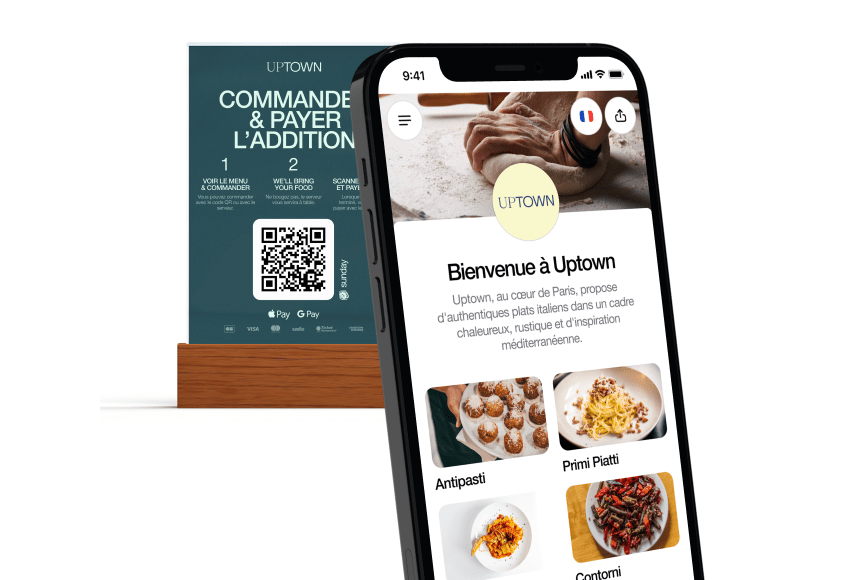
Handling payments, managing table turnover, and making sure customers can conveniently tip are essential pieces of the puzzle when the dining room is at capacity. With integrated payment solutions like sunday, your patrons can pay instantly by scanning a QR code at their table, leave a tip in just a few taps, and even post a quick online review of your delicious holiday spread. This streamlined setup frees up your team to focus on service and ensures that the holiday rush doesn’t create undue front-of-house bottlenecks.
When your guests can settle their bill independently, your staff can spend more time plating those special holiday dishes or double-checking the stock of winter spices in the kitchen. Plus, it’s one more reassurance you don’t have a line of frazzled diners in the foyer waiting for checks to be processed—a more modern, frictionless approach that aligns perfectly with a festive, welcoming atmosphere.
A Quick Case Study: The Tale of Chef Andrea
Let’s illustrate some of these principles with a quick story. Chef Andrea owns a beloved neighborhood bistro that transforms into a holiday-themed wonderland each December. For years, she struggled to predict how much fresh produce and specialty items she’d go through. By the first week of December, she typically ran out of certain favorite dishes, leaving some customers disappointed and forcing last-minute, high-priced emergency orders from her supplier.
Last year, she decided to implement a tighter inventory plan. Here’s what she did:
- Analyzed the data: Chef Andrea used her POS reports from previous December sales to pinpoint the exact quantities of key ingredients needed—especially for her popular sweet potato pie.
- Streamlined specials: Instead of rolling out dozens of holiday-themed dishes, she focused on five specials, each featuring crossover ingredients. Roll leftover roasted vegetables into a hearty soup, repurpose spiced apples into dessert garnishes, etc.
- Strengthened supplier ties: She reached out to her produce supplier in early October, setting up a weekly schedule and asking them to hold an extra 50 pounds of cranberries in case she experienced sudden spikes.
- Embraced technology: A new inventory app integrated with her cost system let her set threshold alerts. Every time her fresh herbs dipped beneath two pounds, the app sent her a quick ping.
- Staff training: She trained her chefs on portion consistency and ensured servers immediately reported menu items that were getting close to selling out. This preemptive communication prevented dreaded “86” stickers on popular dishes.
The result? No frantic phone calls to suppliers on Christmas Eve, significantly reduced waste, and a streamlined, profitable holiday season. Guests raved about the consistency of the menu throughout the month, and Chef Andrea found that a bit of upfront planning vastly improved her profits and peace of mind.
Carving Your Path to a Well-Stocked Holiday Season
The holiday rush may be inevitable, but chaos in your storeroom doesn’t have to be. Crafting a thorough inventory management strategy—from forecasting demand to forging strong supplier relationships—enables you to deliver each holiday dish exactly as planned. Your seasonal menu can shine, delighting patrons and earning you stellar online reviews, all while you retain a firm handle on costs and avoid food waste.
When your guests are savoring that perfect slice of spiced pumpkin pie, the last thing on their minds is how diligently you tracked the nutmeg supply. But your behind-the-scenes effort makes those magical moments possible. Embrace thoughtful planning, leverage modern technology, and trust in your team’s ability to handle even the busiest December with grace. With this approach, you’re bound to keep your restaurant as jolly as the season itself and ensure that you’ll never, ever run out of cranberries again.
FAQ: Inventory Management for the Holiday Season
How far in advance should I start planning for holiday inventory?
Ideally, begin your planning at least two to three months before the peak season. This gives you ample time to analyze past data, secure bulk discounts, and coordinate with suppliers who may have their own holiday schedules.
What if my menu changes at the last minute?
Menu changes happen, especially if supplier availability shifts or you choose to try a new holiday special. Notify your team and your suppliers immediately, update your inventory tracking system, and adjust your forecast. Keeping communication lines open makes late changes more manageable.
How can I prevent spoilage when stocking up on perishable ingredients?
Practice careful rotation (FIFO), maintain optimal temperature controls, and keep a well-organized storage system with clear labeling. If you have space, consider bringing in an extra cooler or reefer truck during peak periods for additional cold storage.
Is technology really necessary for smaller restaurants?
While you can manage with spreadsheets, technology can save time and reduce errors, especially during the busy holiday season. Even smaller operations benefit from automated alerts for low stock, better supplier coordination, and real-time data on fast-moving items.
What if I over-order for the holidays?
Think about creating specials to use up those extra supplies, or consider donating unused food to local charities if it’s still fresh and within safety guidelines. Engaging your kitchen staff in creative solutions—like turning surplus cranberries into festive chutneys—also helps minimize losses.


 0min
0min
 0min
0min