Why Nutritional Transparency Matters: Digital Menus for a Healthier Future
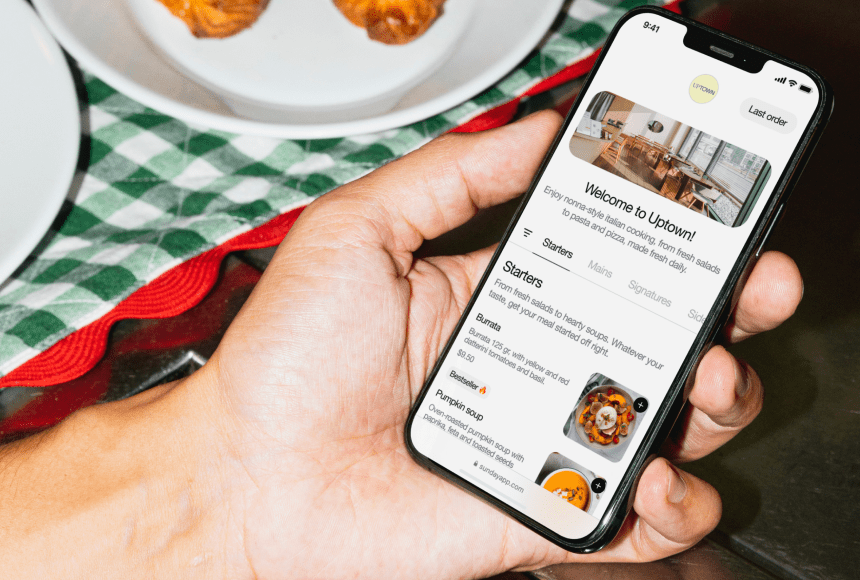
More diners than ever care deeply about what they eat, especially when it comes to calories, nutrients, and allergen information. Digital menus help restaurants highlight these details in a transparent, flexible format that’s easy to update. They also allow you to showcase healthier dishes and special diets without reprinting paper menus every time you make changes. Contactless ordering through QR codes gives guests control and confidence while dining out. Especially in today’s environment, a digital menu’s agility supports your efforts to retain loyal, health-aware customers. As a restaurant owner, this tool helps you stay ahead of ever-changing trends by offering clarity, convenience, and trust—cornerstones of a modern dining experience.
Health-Focused Guests Are on the Rise
The notion of “health-focused” has evolved beyond calorie counting. Today’s diners often have multiple considerations, from organic sourcing and locally grown produce to low-sodium or sugar-free options. According to the National Restaurant Association, interest in plant-based and wellness-oriented items has surged, and this momentum shows no signs of slowing down.
As a restaurant owner, you might already see customers asking about gluten-free alternatives, ingredient sourcing, or requests for more vegetables on the plate. These changes aren’t just passing fads; they’re part of a broader lifestyle shift. Diners seek transparency in every aspect, including how the food is prepared and what it contains. Traditional paper menus struggle to keep up with these demands, especially if you need to introduce new, healthier dishes quickly or want to rotate seasonal items based on fresh availability.
That’s where technology steps in. By adopting digital menus, you address these emerging health priorities head-on. Instead of simply listing a dish’s name, imagine offering small but significant details: “Contains organic kale,” “Low in saturated fat,” or “Prepped with extra virgin olive oil.” Such information connects with health-conscious customers on a deeper level, demonstrating that you’re not just responding to a trend but actively committed to providing them with better choices.
Turning Challenges into Opportunities
Keeping your guests informed about nutritional facts and wellness-focused options can sometimes feel like juggling multiple requests. You might have a standby dish that uses cream-based sauce, but now a patron wants a light tomato-based alternative. Or you’re unveiling a new sugar-free dessert, but you’re worried existing customers won’t notice it on your old paper menu.
In these scenarios, going digital can be a game-changer. It transforms challenges—such as frequent menu overhauls—into chances to impress and engage customers. A digital menu is dynamic; you can refresh descriptions at a moment’s notice to highlight new ingredients, seasonal specials, or promotional offers. By reacting quickly to changing demands, you continuously surprise guests with updated, health-forward options.
Additionally, when you emphasize healthier dishes, you tap into a segment of customers who may have avoided dining out due to unavailability of items that align with their dietary needs. Digital menus offer them reassurance. If they spot a thorough listing of nutritional facts, they’re bound to feel more secure in trying your restaurant. When trust deepens, loyalty follows, often accompanied by positive reviews and word-of-mouth recommendations.
Digital Menus and Real-Time Nutritional Transparency
Health-focused guests often need to know more than just “grilled chicken” or “chef’s special.” They want to see calories, macronutrients like protein and carbohydrates, and information about potential allergens. Meeting these demands by manually updating an old-fashioned board or reprinting physical menus becomes cumbersome and costly. Plus, it’s easy for staff to overlook printing errors, which can lead to confusion at best—or an unpleasant allergen incident at worst.
Digital menus solve this effortlessly. With a few clicks or taps, you can:
- Insert precise nutritional data: Display calorie counts, carbohydrate totals, and fat content.
- Mark allergen warnings clearly: Label dishes containing nuts, dairy, soy, or other common allergens.
- Highlight healthy substitutions: Mention available plant-based or gluten-free versions of popular menu items.
- Feature local sourcing: Underscore the farm-orchard origin of your vegetables, if that matters to your branding.
When customers can readily see these details, they feel there’s no mystery surrounding their dining choices. This aligns with guidance from the FDA’s guidance on menu labeling, which encourages restaurants to share calorie and nutrition facts for menu items. By digitizing, you’re not just meeting these standards; you’re creating a more inviting and trustworthy dining experience.
Seizing the Functional Advantages of a Digital Menu
Beyond transparency, there are several functional benefits that restaurants gain by shifting to digital menus:
- Cost Savings: Printing can be expensive, especially if you update your menu regularly. Going digital relieves you of constant reprints and reduces unnecessary paper usage.
- Speed and Efficiency: If your chef decides to change the sauce in your best-selling entree or introduce a limited-time dish, updates become nearly instantaneous. Guests see the latest changes right away.
- Personalization: You can tailor menus to reflect different times of day (lunch vs. dinner) or even highlight recommended wine pairings that match the guest’s dietary preferences for a more curated experience.
- Convenience: Guests browse menus from their smartphones—less waiting, more exploring. For staff, a well-organized digital setup offers an overview of daily specials, cutting down on order confusion.
These practical perks not only reduce operational complexity but also improve how you connect with health-focused diners. By taking advantage of the instant update capabilities, you keep your menu fresh and relevant.
Aligning Allergen and Dietary-Need Communication
Many potential diners might avoid eating out specifically because they fear restaurants can’t meet their restricted diets or have trouble communicating health-related details. A digital menu is an assurance to these guests that you take dietary requirements seriously.
You can implement noticeable category labels, such as “Vegan,” “Lactose-Free,” or “Nut-Free,” and place disclaimers about cross-contamination or shared kitchen spaces. Because it’s all on an easy-to-read interface, guests don’t need to rely solely on the server’s recollection. This is especially important when staff are busy and might inadvertently miss a detail.
Think of digital menus as an extension of good hospitality. If someone with a food allergy visits, they can instantly check each dish’s potential allergens. For you, fewer misunderstandings translate into a safer, more welcoming dining room. When safety and comfort go hand in hand, you stand out as a preferred choice for the growing community of health-focused diners.
Building Health-Centric Brand Loyalty
Efforts like highlighting probiotics in a salad dressing or showcasing an antioxidant-rich smoothie can do more than just cater to a specific crowd. They can shape your restaurant’s brand identity. Over time, you become recognized as the place where diners feel their well-being is genuinely respected.
Digital menus are central to this branding effort because they allow you to:
- Tell a Story: Share snippets of your ingredients’ backstories—where they’re sourced and why they’re beneficial.
- Offer Guidance: Provide short tips or notes such as “Kale is high in Vitamins K and C” or “Avocado is an excellent source of healthy fats.”
- Integrate Imagery: With some platforms, you can add appetizing photos or even short videos that instantly convey freshness and care in preparation.
These little extras strengthen the emotional connection. Diners see your restaurant as a partner in their quest for healthy living, not just a place to satisfy hunger. When that kind of bond forms, repeat business often follows. As they say, “If you cater to me in ways that matter, I’ll keep coming back.” Health-focused guests tend to be loyal, spreading word-of-mouth recommendations that bring in new visitors.
Practical Tips to Implement a Digital Menu
Adopting a digital menu may feel like a big jump, especially if you’re used to a traditional format. The good news is that with the right approach, it can be straightforward to set up and maintain. Here are a few practical suggestions for making the transition:
- Choose a Simple Platform: Select a system that allows quick editing and user-friendly navigation for customers. Look for an interface that supports photos and nutritional details.
- Create a Dedicated “Healthy Options” Section: While integrating nutritional facts throughout your menu, consider devoting one section to health-centric dishes. This helps new diners spot them instantly.
- Invest in Quality Photos: Clear, appealing images of your nutritious dishes can spark a diner’s curiosity and reduce perceived risk in trying something new.
- Work with a Nutritionist: If possible, collaborate with a licensed nutritionist to verify or refine the data you present. This adds credibility and further trust.
- Train Your Staff: Make sure servers and hosts understand how the digital menu works, so they can confidently answer questions and guide less tech-savvy guests.
Keep in mind that quality control is key. Even a single typo in nutritional data can lead to confusion or lost trust. Set aside time to review and update the information regularly. When you treat the maintenance of your digital menu with the same care you devote to cooking, your guests feel that commitment.
Contactless, Seamless, and Safe
Another way digital menus cater to a health-focused audience is by reducing contact with physical surfaces. If guests are concerned about germs or shared materials, scanning a QR code from their own mobile device puts them at ease. They see that you’re attentive to hygiene standards and are actively working to prevent potential contamination.
A touch-free system also means your staff spends less time disinfecting printed menus, especially between seatings. Practical tasks are streamlined, leading to better service capacity. In turn, your customers sense the restaurant’s efficiency and cleanliness, two factors that resonate strongly among diners who are mindful of health, both in diet and in their environment.
Integrating Payment Solutions for a Unified Experience
Digital menus blend seamlessly with modern payment systems designed for restaurants. After viewing your offerings and placing an order, your guests can wrap up their meal by settling the check through their smartphones, with minimal staff interaction. This means less waiting, fewer errors, and an overall pleasant experience that supports your operational flow.
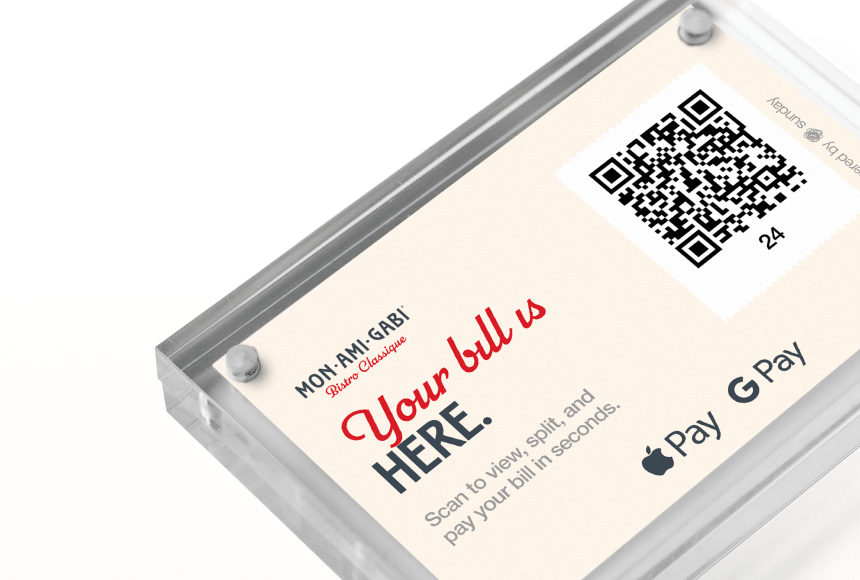
Take sunday, for instance. It’s recognized for its QR code-based process that speeds up payment. Diners can easily scan a code, view the bill, split amounts if needed, and even leave a tip without going through the usual back-and-forth with a physical card reader. By simplifying how guests pay, you can match the convenience they experienced while browsing your digital menu. A cohesive system not only impresses your customers but also frees your staff to focus on service, hospitality, and having meaningful conversations with diners.
In many ways, aesthetics and functionality go hand in hand. A streamlined digital experience—from menu browsing to contactless payment—projects a professional, forward-thinking image. It sends a message that your restaurant isn’t just about food, it’s about the entire dining journey. And when you give health-focused customers a smoother, safer, and clearer dining experience, they’re more likely to return.
Small Steps Toward Big Gains
You don’t have to revamp everything overnight. A step-by-step approach can work wonders. Start by digitizing one section of your menu—maybe your smoothies and healthful beverages. See how your customers respond. Gradually expand digital listings until the entire menu is accessible on a mobile-friendly platform. Once you’re more comfortable, add dynamic elements such as rotating seasonal specials or limited-time promos focused on well-being.
At each stage, gather feedback. Ask diners if the digital menu helped them find what they wanted, or which nutritional details they found most useful. That feedback loop ensures your digital approach aligns with their preferences. Over time, you’ll refine how you categorize items, how prominently you feature health information, and how frequently you incorporate new recipes.
Remember that digital solutions open doors for continuous improvement. Keep re-evaluating what works and what doesn’t. And for the parts that do work well—like easy updates to express new items—take full advantage. A flexible mindset is key to thriving in an industry where menu trends can shift from one month to the next.
Strengthening Community and Reputation
By offering a transparent, health-oriented dining experience, you’re also giving your restaurant an enhanced reputation that resonates beyond your brick-and-mortar space. People talk about positive experiences, especially when they feel that a restaurant cares about their well-being. Social media posts, online reviews, and word-of-mouth carry tremendous weight in the digital age.
When health-conscious customers realize they can visit your restaurant and easily find meals that align with their dietary preferences—validated by detailed nutritional data—they’re likely to become loyal patrons. They might also mention your spot to coworkers, gym friends, or peers who follow a similar diet. With so many people looking for healthy eating spots, your restaurant can become a local go-to for wholesome but delicious fare.
Additionally, your digital menu can serve as a platform to convey your community involvement. Are you sourcing from a nearby farm using sustainable practices? Share that. Did you partner with local suppliers who champion organic produce? Highlight it. Going digital means you can elaborate on these partnerships and differentiate your restaurant from others in a saturated marketplace.
Adapting Menus for the Future
Changes in consumer patterns don’t stop at wanting fewer calories or lower sodium. Some diners are looking for immunity-boosting superfoods, while others keep track of their macros for athletic performance. Yet another group might seek environmental benefits, preferring plant-based proteins to reduce their carbon footprint.
A dynamic, easily updated digital menu plays a central role in meeting these evolving demands. If you decide to introduce a new dish featuring fermented foods for gut health, you can highlight that instantly. If there’s a sudden shift in the market where kale is replaced by another nutrient-rich green, you can pivot without the hassle. Plus, you can position your restaurant to respond to public health updates or nutrition guidelines that recommend certain dietary patterns.
In doing so, you cast a wider net, appealing to customers who might not have considered your establishment before. Diversity in food options is a significant draw, especially in areas where dietary needs are diverse and constantly changing.
Combining Customer Feedback with Innovation
Some digital menu platforms also enable direct feedback. You might incorporate quick reviews or star ratings on specific dishes. Alternatively, you can link to online review platforms after diners pay. If you start noticing a trend—say, your vegan chili is a hit with the lunchtime crowd—you can highlight that on the main page. If your antibiotic-free chicken breast is generating buzz, you can move it to the top of the “Most Popular” section.
The beauty lies in syncing that honesty and transparency with real-time analytics. By seeing how customers engage with certain menu items, you can refine your healthy offerings. Essentially, you’re combining culinary creativity with data-driven insights. This synergy positions you to stand out in a competitive environment, where meeting customers’ health needs can become a defining factor of success.
When done right, the cycle of innovation—collaborating with your kitchen team to produce new healthy recipes, polling customers for feedback, and updating the digital menu—creates a powerful feedback loop that continuously strengthens your restaurant’s reputation as a health-forward, customer-centric business.
FAQ: Your Top Digital Menu Questions Answered
1. Do I need expensive technology to start using digital menus?
You don’t need to break the bank. There are many user-friendly, cost-effective platforms that let you digitize your menu. A stable Wi-Fi connection and a QR code generator are typically enough to get started. As you grow, you can invest in more advanced features if needed.
2. How do I ensure the nutritional information is accurate?
Partner with a registered dietitian or nutritionist to verify the data you include. Otherwise, you can use reputable online nutritional calculators. Always keep an eye on recipe changes—if your chef adds new ingredients, make sure your data is updated accordingly.
3. Will older or less tech-savvy guests struggle with digital menus?
Most digital menu platforms optimize their interfaces for easy navigation. That said, it’s a good idea to train staff to guide customers who need assistance. Provide clear signage and perhaps a short printed instruction card, and let them know they can still ask for a traditional menu if they prefer.
4. Are digital menus safe for those with serious allergies?
A digital menu offers clearer, immediate allergen labeling than many paper menus. It’s important to also train your staff so that crucial information is verbalized. While digital menus help, they don’t replace the need for good communication and rigorous kitchen protocols.
5. How does contactless payment integrate with digital menus?
Contactless payment services, like sunday, fit seamlessly with a QR-based menu flow. Guests scan a QR code and view the menu. After the meal, they open the payment portal on that same platform, review their bill, and settle up instantly—all without passing around physical checks or credit cards.
6. What if I need to highlight seasonal or daily specials?
That’s one of the best features of digital menus. You can update dishes or highlight daily specials in real time, without the cost and turnaround of printing. Your menu stays fresh, accurately reflecting what’s available in your kitchen each day.
7. How can I promote my healthier dishes effectively on a digital menu?
Use visual cues like icons and labels (e.g., “heart-healthy,” “keto-friendly,” or “vegan”). Add short descriptions emphasizing the health benefits, and consider placing them at the top of your menu list or in a spotlight section. High-quality images also go a long way in attracting health-conscious diners.
Digital menus stand at the intersection of convenience and well-being. They give guests upfront transparency, let you adapt recipes and specials instantly, and reflect the care you invest in the dining experience. With shifting consumer expectations, embracing technology is no longer just an option—it’s a strategic move that can elevate your restaurant’s standing among health-focused guests and beyond.


 1min
1min