An Eye-Opening November Audit: Don’t Let Hidden Card Fees Slice Into Your Holiday Returns
Why November Is the Perfect Time for a Financial Checkup
November arrives in the blink of an eye. Right after the Halloween rush and just before Thanksgiving mania sets in, it’s tempting to cruise along, let your servers handle full dining rooms, and hope your point-of-sale system quietly does its job. Yet this in-between period is a golden opportunity—especially for restaurant owners looking to maximize end-of-year profits. According to the National Restaurant Association, holiday-season revenue can comprise up to 20% of many restaurants’ annual earnings. This hectic month is the ideal checkpoint to spot sneaky processing fees and other add-ons that could shrink your holiday income.
Many restaurateurs put off analyzing statements, assuming card processing rates are locked in or that slight variations are “part of the game.” But like forgetting an extra garnish in a recipe, ignoring these hidden details can spoil your margins. Pull up those statements. We’ll walk you through common pitfalls, real-world examples, and straightforward tactics to preserve your bottom line—starting now.
A Quick Refresher on Card Fees and Where They Hide
Credit card processing fees are a standard cost of doing business. Typically, you’ll see rates between 1.5% and 3.5%, depending on the card brand, rewards programs, and your agreement with the payment processor. Yet beyond obvious charges, layers of smaller fees—from compliance costs to “non-qualified” or “mid-qualified” surcharges—can slip in without drawing attention. November’s increased table turnover can magnify this effect.
Even if you haven’t checked your monthly statements in a while, an audit now could reveal charges that appeared mid-year. If you’re paying even 0.3% extra on each transaction, that might not sound like much. But across hundreds or thousands of covers during the holiday rush, your entire margin could take a hit. Spotting these fees early ensures they don’t quiet your cash register’s jingle in December.
Recognizing the Red Flags in Processing Statements
Your card processing partner likely sends a monthly statement that can be as dense as a complicated dessert recipe. Here’s what to look for when you’re digging into those line items:
- Interchange vs. Other Rates: Interchange fees—set by card networks—are usually non-negotiable. However, “non-qualified” or “surcharges” can inflate your effective costs.
- Additional Technology Fees: Watch out for monthly gateway fees or integrated software add-ons that you may not be fully using.
- PCI Compliance Charges: Some processors charge extra for compliance. Ensure you’re not paying more than standard rates or for services you don’t need.
- Batch Fees: Each time you close out daily transactions, you might pay a small batch fee. Multiply that by 30 days a month, and it piles up quickly.
While scanning these statements, remember that clarity is key. If anything appears complex or ambiguous, your provider should be willing to walk you through line by line. That’s especially true in a month like November, which sets the tone for your year-end results.
Holiday Case Study: Rosie’s Bistro’s $2,000 Surprise
A small, family-owned restaurant, Rosie’s Bistro, prides itself on serving artisanal pizzas and homemade pasta. Every year, November marks their ramp-up toward the holidays, with special menus and even a seasonal eggnog tiramisu. Rosie’s receives daily visits from loyal locals and an uptick of tourists who love capturing Instagram photos of the restaurant’s cozy interior.
This past November, the Bistro’s owner decided to review their statements after noticing a dip in net incomes. Although Rosie’s had switched to a new processor in the summer, the manager hadn’t paid close attention to surcharges or new compliance fees. After thoroughly analyzing six months of statements, Rosie’s discovered they were paying an extra 0.4% on certain card types, which accumulated into roughly $2,000 in fees over the holiday stretch.
Within days, the owner negotiated better rates, focusing on straightforward pricing structures and honest monthly costs. The moral of the story? Even a beloved neighborhood spot can fall victim to small fees that blossom into big expenses at the worst time of year. A swift November audit saved hundreds in December alone.
7 Steps to Conduct Your Own November Audit
Performing a thorough audit in November doesn’t have to be daunting. Like perfecting a signature dish, a little method and consistency go a long way. Here’s a step-by-step approach:
- Gather All Statements: Start with the last three months. Note any changes in pricing or new line items that popped up.
- Calculate Your Effective Rate: Divide the total fees by your total card sales. Compare each month. Any spike of 0.1% or more should raise an eyebrow.
- Identify Surcharges: Look at labels like “non-qualified,” “downgraded,” or “international transaction fees.” Pinpoint how often these are triggered.
- Look for Out-of-Contract Fees: Some contracts prohibit added monthly fees. If you see them, ask your provider to remove or explain them.
- Research Market Rates: Check industry data, such as NerdWallet’s small business section, to stay informed on standard credit card processing fees.
- Reach Out to Your Processor: Request clarifications. If they’re vague or unhelpful, it might be time to shop around.
- Monitor Monthly Statements Going Forward: Establish a routine—perhaps every 15th of the month—so hidden fees don’t have time to linger.
By dedicating even a few hours in November to these steps, you’ll likely identify where your money is slipping away. More importantly, you’ll have a strategic foundation for the upcoming holiday surge.
Wrapping Savings Back Into Your Business
Once you’ve performed your November audit and caught any hidden fees, you’ll free up cash that otherwise would have been lost. Think of it as reclaiming an ingredient cost that makes your signature dish more profitable. Rather than letting that money vanish, reinvest it in a way that resonates with your guests and staff:
- Upgrade Equipment: Use the savings to maintain or upgrade your payment terminals (not “TPE”—in the US, we often say “payment terminal” or “POS device”).
- Deepen Staff Training: Part of your holiday success hinges on an informed team that can handle surges in foot traffic gracefully.
- Enhance the Customer Experience: Introduce small perks—like seasonal cocktails or complimentary mulled cider—that leave a lasting impression.
- Bolster Your Marketing: Set aside funds for targeted advertising or holiday loyalty programs.
These strategies pay dividends. Think of the newly saved fees as a secret ingredient that brightens your business in ways your customers notice and appreciate, ultimately driving repeat visits.
Negotiating for Better Rates: What Restaurant Owners Need to Know
Every contract is negotiable—sometimes drastically so. If you suspect you’re paying above-average processing fees, here are some tips for approaching the negotiation table:
- Know Your Volume: The higher your transaction volume, the more room you typically have to bargain.
- Compare Competing Offers: Don’t be shy about obtaining multiple quotes, even if you’re happy with your current setup. Letting your processor know you’re exploring options can prompt them to improve rates.
- Check Contract Length and Termination Fees: A shorter contract or a month-to-month agreement offers more flexibility. If you’re locked in, see if your provider will lower or remove early termination costs.
- Aim for Transparent Pricing Models: Interchange-plus (where you pay interchange fees plus a fixed markup) can be easier to understand than tiered pricing structures.
- Ask for Data-Backed Explanations: If a provider claims “industry standard” fees, request documentation to review. Ambiguity is not your friend.
Don’t wait until you’re frustrated or strapped for cash. Be proactive. Negotiation in early November can ensure your rates are locked in when the holiday buzz peaks.
Optimizing Your Payment Solutions for the Holiday Rush
Aside from managing hidden fees, how you collect payments can either heighten or hamper your ability to turn tables efficiently. With holiday lines extending out the door, the last thing you want is a congested checkout process. Here are ways to streamline, especially when every minute counts:
- Modern Payment Terminals: Ensure your hardware is updated to handle EMV chips, contactless and mobile wallet payments. Slow terminals cost you revenue and invite errors.
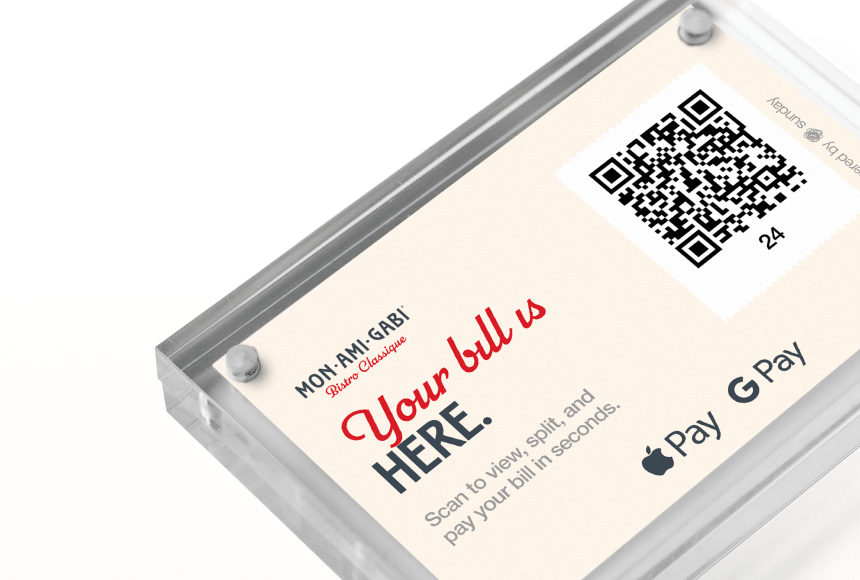
- QR Code Payments: Services like sunday enable a quick, user-friendly way for customers to view their bills and pay directly by scanning a code. This alternative can ease friction, and many solutions also handle tipping and loyalty integrations.
- Dedicated Checkout Staff: Consider a staff member whose main focus is expediting payments, especially during peak holiday times. Proper training can go a long way.
- Encourage Digital Wallet Use: Apple Pay and Google Pay often process transactions rapidly, which reduces wait times.
Speed and accuracy in the payment process are crucial in November and December. When guests sense efficiency, they’re more likely to spread good word-of-mouth—especially when everyone is wrangling holiday activities.
Breaking Down Common Card Fees in a Simple Table
Sometimes, seeing the most common fees in a table format sparks insights. Here’s a quick snapshot of terms you might find on your statement:
| Fee Type |
Typical Rate/Cost |
Notes |
| Interchange Fee |
1.5% – 2.6% |
Varies by card type and rewards program |
| Processor Markup |
0.1% – 0.5% |
Added on top of interchange |
| PCI Compliance Fee |
$5 – $15/month |
Ensure you’re actually receiving compliance resources |
| Batch Fee |
$0.10 – $0.30/batch |
Charges per daily deposit batch |
| Statement Fee |
$5 – $10/month |
Some providers charge for paper or digital statements |
While these are broad ranges, they should give you a frame of reference when examining your bills. If you see outliers—either significantly higher or lower—don’t hesitate to question your provider.
How Hidden Fees Impact Your Holiday Promotions
Most restaurants launch special menus between Thanksgiving and New Year’s. You might offer a prix fixe seasonal menu at $55 or a BOGO gift card promo. But have you considered how extra processing fees add up on those promotional items? For instance, if customers pay with premium rewards cards, it could lead to an even higher cost per check. The more promotions you run, the more these subtle fees can chew into your net profit.
Simply acknowledging all these factors is the first step to preventing them from diluting your holiday goals. Whether you plan a special brunch or a weekend tasting menu, you should calculate how processing fees vary across card types. This ensures your promotions remain profitable—a crucial sign that your strategy, recipes, and finances are working in harmony.
Planning Beyond the Festive Season
The holiday rush is more than an intense few weeks of hustle; it’s a barometer for your restaurant’s annual financial health. If you manage to reduce hidden fees now, the ripple effects will carry into the quieter months of January and February. Moreover, this approach fosters a culture of vigilance—you won’t let unseen charges linger unaddressed in the future.
Consider scheduling a brief “financial tune-up” each quarter. Whether you’re using integrated POS solutions or more traditional setups, a routine deep-dive into statements can preserve the gains you achieved through your November audit. If your staff sees you approaching finances with clarity and consistency, it can also empower them to be more mindful in their roles—leading to better upselling, improved guest experiences, and a positive environment.
Frequently Asked Questions
How much can hidden fees really impact my holiday revenue?
Even a small increase in your effective rate—say 0.2%—can translate to hundreds or thousands of dollars when multiplied by the volume of holiday transactions. Detecting these fees early can significantly boost your bottom line.
Is it common for card fees to change before the end of the year?
Yes. Card networks and processors periodically adjust rates. Some fees may take effect mid-year, but November is often when you notice them most, as your transaction volume increases.
Should I switch providers if I discover hidden fees?
Not necessarily. It’s best to have an open conversation with your current provider first. If they’re unwilling to clarify or reduce fees, then it might be time to explore alternatives.
How can QR code payments help decrease costs?
QR code solutions like sunday can streamline the payment process and potentially reduce errors or inefficiencies that lead to higher fees. They can also encourage rapid settlement, preventing extra batch charges.
Is there a best time to negotiate my processing rates?
Negotiating just before the holiday surge can be extremely beneficial. Your processor knows your transaction volume is about to spike and may be more inclined to secure your business with competitive rates.
Where to Go from Here
November is the perfect moment to uncover hidden card fees that might be quietly devouring your holiday profits. By performing a methodical statement audit, you equip yourself with data—and data leads to decisive action. Whether you negotiate better contracts, adopt more efficient payment solutions, or both, consider this November financial checkup an essential part of your annual routine. It’s a down-to-earth strategy that keeps more of your well-earned money in your pocket, helping you glide through the holiday season and greet the new year with confidence.


 1min
1min
 1min
1min