Cut the Confusion: Transform Your Thanksgiving Table with Pay-at-Table QR Codes
The Thanksgiving Payment Puzzle
Thanksgiving is a time of gratitude and celebration. Yet, if there’s one thing that sparks mild anxiety among many diners at this cherished holiday feast, it’s the question of splitting the check. By the time everyone’s piled their plates high with turkey, stuffing, and countless sides, accurately figuring out who owes what can become an organizational headache, especially when extended family and friends convene around one table. This classic dilemma surfaces year after year: Who ordered which appetizer? Who had the extra slice of pie? Did Uncle Bob drink one soda or two?
That challenging arithmetic doesn’t end with the food. Throw in beverages, tax, and gratuities, and you have an event that feels more like a group project in advanced math than a celebration. For restaurant owners, the issue becomes even more pronounced when multiple parties want to pay separately. This process often results in extended table turn times, confusion for servers, and stressful interactions for everyone.
Why “Who Owes What” Matters to Restaurants
Splitting checks might sound like a minor irritation, but from a restaurant owner’s perspective, it can have a domino effect on overall service and income. Every minute spent recalculating bills, printing separate checks, and swapping out different methods of payment adds up—especially during busy periods like Thanksgiving weekend. Longer wait times for both ordering and settling the bill can lead to lower customer satisfaction and decreased table turnover.
Consider the stakes. According to the Farm Bureau’s 37th Annual Survey, the average cost of a classic Thanksgiving meal for ten people jumped to around $64 in 2022—about 20% higher than the year before. As diners become more cost-conscious, they expect an efficient and transparent payment experience at the end of the meal. No one wants to feel overcharged, nor do they want the process to be so tedious that it overshadows the joy of good food and good company. On the restaurant side, every moment spent on complicated check splits keeps staff away from providing attentive service to new arrivals. It’s a lose-lose situation.
Pay-at-Table QR Codes: A Modern Solution
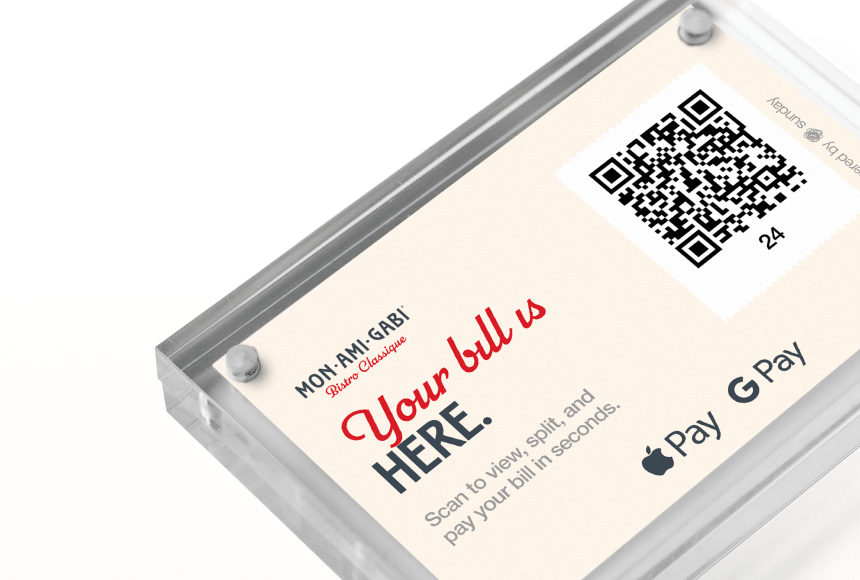
Fortunately, there’s a streamlined, tech-driven way to handle the Thanksgiving check conundrum: pay-at-table QR codes. This evolution in restaurant payment technology replaces the old model of a single paper check with a digital, user-friendly interface. A quick scan of the table’s QR code leads each diner to an itemized bill on their phone. From there, they can pay their share, leave a tip, and even post a quick review, all in a matter of seconds.
Pay-at-table QR codes offer a range of benefits, and not just for your busiest night of the year. They streamline service on any night, reduce staff workload, and facilitate faster table turns. When the technology is easy for customers to use—and when it seamlessly integrates with your restaurant’s existing order and payment system—questions of “who ordered the side of creamed spinach?” cease to be a lingering problem.
Breaking Down the Benefits
For restaurants, pay-at-table QR codes are more than just a trendy digital gadget. They solve real business challenges:
- Faster Table Turn: Instead of waiting for one group member to collect all forms of payment, diners can settle individually, at their own pace. This reduces the time your table is occupied, allowing a smooth flow of guests.
- Improved Customer Experience: Nobody likes awkward math at the end of a holiday meal. A quick code scan clarifies each person’s share and lets them pay in seconds. Fewer headaches mean happier customers.
- Reduced Server Workload: Your team can spend their time ensuring top-notch service, instead of juggling multiple receipts or running back and forth to the payment terminal. This also reduces errors: less manual input means fewer slip-ups.
- Higher Tips: When people have the option to easily add gratuity during checkout, and see prompts suggesting tip amounts, they’re often more generous. This boosts morale and income for your staff.
- Easy Review Posting: Many pay-at-table systems allow customers to leave online feedback as part of the payment process. A swift reminder that says, “Would you like to share your experience?” can translate into more positive reviews—and reviews are gold in the restaurant business.
The Thanksgiving Table Scenario
Picture a bustling Thanksgiving gathering at a local restaurant. Let’s say you have a table of eight—two grandparents, two parents, and four grown children. Everyone arrives hungry, excited for the turkey special, and there’s a range of dishes being ordered. One of the kids went for the vegan option. Grandpa insisted on the biggest turkey platter. Grandma had a single glass of wine, while others sipped on cocktails. Trying to remember who had what can become a monumental chore by dessert time.
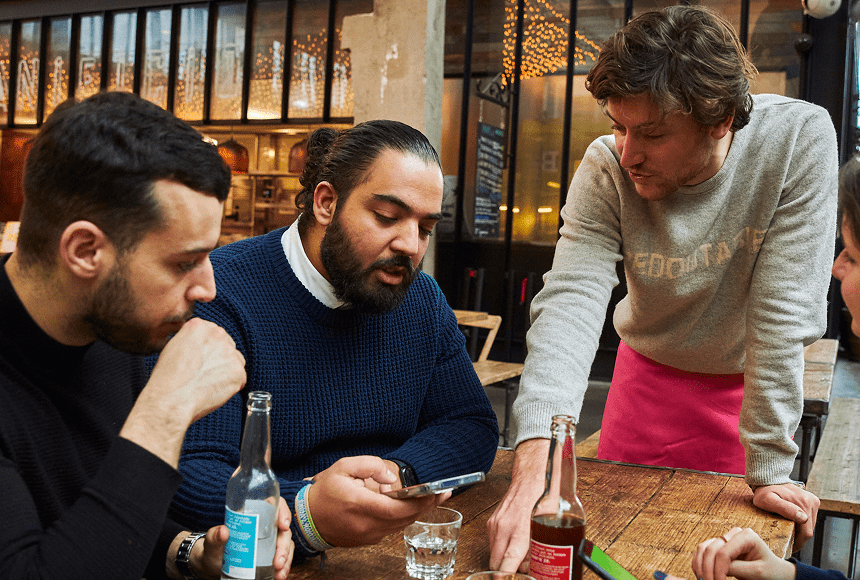
When it’s time to settle up, the server simply drops off a small card by the table with a QR code. Each diner scans that same code. Instantly, each person sees a full breakdown of items. You can easily tap the dishes you ordered on your phone, and the payment screen updates to show your share of the total cost, tax, and the tip. No rummaging around for exact change or collecting credit cards. It’s all done individually, in real time.
Building Trust Through Transparency
One of the greatest fears diners have when splitting the bill is whether they’re paying more than their fair share. Transparency—knowing your items and their corresponding costs—provides customers with reassurance that they’re only paying for what they actually ate or drank. And for those who intentionally want to cover someone else’s portion (like parents taking care of a child’s meal), it’s as simple as selecting their items and tapping “pay.” This fosters an environment of trust between the restaurant and its patrons: no hidden fees, no confusion.
Transparency also matters a great deal for restaurant owners. When diners can see each item’s cost clearly, they’re less likely to argue about the total or question the tip amount. That reduced friction leads to smoother table interactions and a noticeably calmer, more pleasant environment for everyone involved. In times of holiday stress and tight budgets, that feeling of ease can be a key differentiator for your restaurant.
Simplifying Operations Behind the Scenes
Beyond the immediate benefits for diners, pay-at-table QR solutions also simplify the operational framework for restaurant owners. All payments feed directly into the system, freeing staff from the burdens of manual tallying, handling multiple forms of payment, or reconciling tips. This digital ledger can then integrate with your current point-of-sale (POS) setup to provide real-time updates on sales, tipping trends, and table turn times.
By automating these steps, you also reduce human error. Restaurant owners are well aware that the hustle and bustle of Thanksgiving can increase the chance of mistakes in totaling up checks. A missed appetizer or an unaccounted beverage can lead to lost revenue. With a smart pay-at-table tech solution, the final tab in the system remains consistent with what’s on the diner’s screen, minimizing discrepancies and time-consuming double-checks.
Implementation Step-by-Step
Introducing pay-at-table QR codes in your restaurant might seem daunting at first glance, especially if your team is used to traditional payment models. But the transition is simpler than you might expect. Here’s a high-level approach:
- Choose User-Friendly Technology: Select a reputable provider that specializes in pay-at-table QR solutions. Look for ease of use. Ideally, the technology should integrate seamlessly with your existing systems.
- Train Staff: Bring your servers and hosts up to speed. Show them how to answer customers’ questions about scanning QR codes and guide them through the payment process. Their confidence will rub off on guests.
- Test Internally: Conduct a soft launch. Have your team pose as customers and split checks to get a real feel for the new process. Resolve any workflow hiccups before the holiday rush.
- Communicate with Guests: Place simple, concise signage at each table explaining how to scan the code. Make sure your floor staff is readily available for extra guidance.
- Monitor and Adjust: Collect feedback from both your team and your diners. Use that feedback to refine your process and make minor improvements, like adjusting the tip prompt or clarifying the “pay by item” functionality.
How sunday Fits In—Naturally
Among the many tech-forward options, platforms such as sunday stand out for their emphasis on user experience and hospitality. The system allows customers to open their phone’s camera, scan a QR code, place their payment, and even leave a Google review, all within a few taps. While the brand’s approach to pay-at-table is suitable year-round, it truly shines when large holiday crowds demand quick table turnover and minimal confusion.
For those who worry about overshadowing the personal touch of a skilled server, carefully designed pay-at-table solutions do the opposite: They free up your staff to spend more time on social interactions, menu recommendations, and ensuring that your guests feel taken care of. Rather than running around with receipts and card machines, the server is freed to be a genuine host.
Case Study: The Cozy Turkey Bistro
Let’s look at a hypothetical scenario at “The Cozy Turkey Bistro,” a mid-sized restaurant known for its Thanksgiving specials. Before implementing QR code payment, the staff found themselves stretched thin at busy hours. On Thanksgiving Day alone, they had tables waiting to be seated, while existing customers lingered for 20 minutes after dessert was finished, trying to piece together the bill. Servers sometimes needed to print and reprint checks multiple times. The air was festive, but the check-splitting was not.
After introducing a pay-at-table QR code system:
- Table Turn Improved by 15%: Serendipitously, scanning a code cut out the waiting for card swipes and printing multiple receipts.
- Diner Satisfaction Increased: Guests found it convenient, and feedback forms showed they appreciated the more relaxed pace during their meal.
- Staff Morale Got a Boost: Since they weren’t rushing to and from the payment terminal as frequently, servers had more time to engage with guests, share features of the Thanksgiving menu, and provide better hospitality overall.
- Tips Went Up: By displaying suggested tip amounts in the app, The Cozy Turkey Bistro reported a 12% average increase in gratuities compared to prior Thanksgiving events.
All in all, the smooth transition to pay-at-table not only simplified the “who owes what” puzzle but also left a positive mark on the restaurant’s bottom line.
Additional Features That Make a Difference
Modern pay-at-table solutions can do more than just split checks. Here are a few added perks that restaurants can love:
- Digital Menus: Some QR solutions let customers browse and order directly from a digital menu, further reducing printing costs and giving you the flexibility to update seasonal items quickly.
- Upselling Opportunities: If your system shows recommended pairings or promotions (like a special Thanksgiving-themed dessert), you might see a spike in impulse orders.
- Real-Time Analytics: It’s not just about collecting payments. You can track peak ordering times, popular menu items, and average tip percentages, then adjust your strategy in real time.
- Eco-Friendliness: Going digital means fewer printed receipts. If you highlight that aspect, you can attract environmentally conscious diners who value sustainable practices.
Holiday Tips: Implementing a Seamless Pay-at-Table Experience
Thanksgiving brings unique challenges—larger groups, reservations that stretch over multiple hours, and higher expectations from guests who want a festive yet efficient dining experience. Consider these practical tips:
- Test Your Bandwidth: Make sure your internet connection stays reliable under peak loads. Slowdowns can frustrate guests and sabotage the efficiency you’re aiming for.
- Offer Guidance: Not every diner will be tech-savvy. Train your staff to give a quick 10-second explanation on scanning codes and paying for items. Clarity upfront can prevent confusion later.
- Promote Pre-Holiday: If you have a newsletter or social media presence, do a quick preview: “We’re trying something new this Thanksgiving—pay-at-table QR codes!” That way, regulars won’t be caught off guard, and they might even be excited to try it out.
- Make It Attractive: Encourage diners to leave reviews after they pay. A quick prompt during the payment process can drastically increase your online reputation.
Numbers to Consider
Although pay-at-table QR solutions are relatively new, their adoption has been swift. In a post-2020 dining climate, touchless payments and digital menus have risen dramatically in popularity. While exact statistics vary by region, industry observers have noted a significant jump in consumer preference for these convenient payment methods. Quick-service and fast-casual restaurants have led the charge, but full-service establishments are catching up fast.
Higher check averages are also frequently reported. When diners split the bill electronically, they can clearly see each person’s share. This clarity may encourage them to add on that extra slice of pumpkin pie or try a specialty drink they might have skipped otherwise, knowing they’re only responsible for their own additional cost. In environments where “holiday indulgence” is part of the fun, pay-at-table technology can indirectly boost your revenue.
Ensuring Inclusivity
A final point to remember is that any technology you add to your restaurant should be inclusive for a wide range of customers. Thanksgiving is a communal holiday—families often span multiple generations, and not all guests will be familiar with scanning codes. Effective signage and friendly staff guidance go a long way. For guests who prefer to pay in cash or use a traditional card, you can keep that option on standby. The goal is to enhance their experience, not force them into a corner.
Where to Go from Here
When it comes to Thanksgiving, your priority as a restaurant owner is facilitating an enjoyable experience for every guest—and that involves more than turkey and cranberry sauce. Payment might be the final part of the meal, but it often defines the diner’s lasting impression of your establishment. If that final step goes smoothly, you leave diners with a positive memory—and likely a prompt to return.
Pay-at-table QR codes offer an elegant solution to the annoying but persistent “who owes what” problem. They reduce staff strain, create customer satisfaction, and turn a potentially chaotic moment into a seamless last course. Whether you run a neighborhood diner or a high-end restaurant, adopting this technology could be the best way to serve up both efficiency and delight to your Thanksgiving crowd.
FAQ
Below are some of the most common questions restaurant owners and guests have when considering pay-at-table QR codes.
Are pay-at-table QR codes secure for payments?
Yes. Reputable providers encrypt payment data, protect personal information, and follow strict compliance regulations such as PCI DSS (Payment Card Industry Data Security Standard). It’s just as safe as traditional chip-and-pin or swipe methods—if not safer, due to the added encryption layers.
How do my guests split the bill if they all scan the same code?
Once scanned, the system displays an itemized list of everything ordered at that table. Each guest can select the items they consumed and pay only for those. This makes cost-sharing far more precise than relying on guesswork or mental math.
Will implementing QR code payments disrupt my current POS system?
Most modern pay-at-table solutions integrate with popular POS systems. You’ll need to ensure compatibility, but in most cases, your servers enter orders as usual. The QR code simply displays the bill in real time, and payments are reconciled in the background.
Do QR code payments negatively affect tips?
On the contrary, many restaurants report higher tips. Suggested tip amounts displayed before checkout remind diners to tip generously. This is especially true when there’s a well-designed prompt that’s easy to follow.
What if a guest doesn’t want to use their smartphone?
No problem. You can still handle traditional payments in parallel. The beauty of a QR code solution is that it eliminates headaches for the majority of guests who prefer digital transactions, while those who trust the old-school methods can still pay in cash or card.


 0min
0min
 0min
0min