How Contactless Transactions Are Transforming the Dining Experience
The Rise of Contactless Payment in US Restaurants
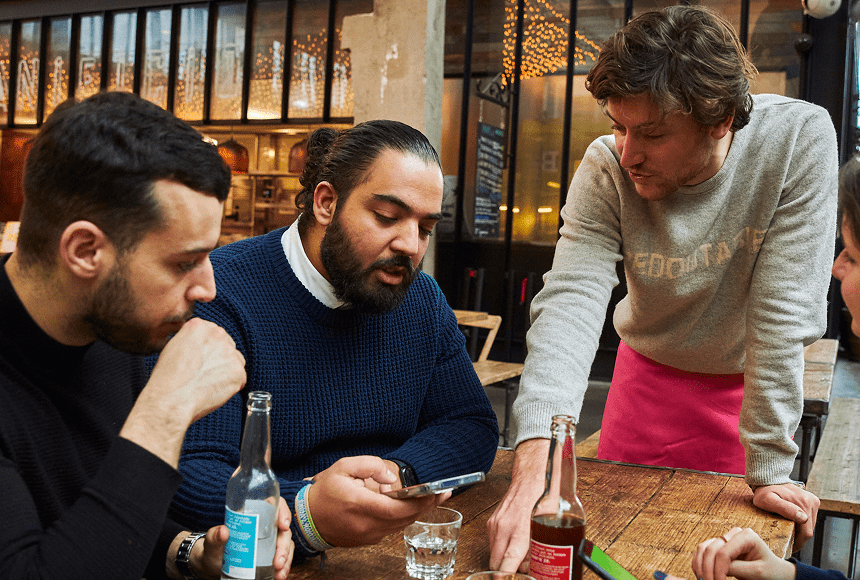
Picture this: a group of friends huddles around a table in a warm, bustling restaurant on a chilly winter evening. The server approaches with the check, but instead of handing over a physical card for swiping, a quick tap or scan is all it takes. That’s contactless payment—or, more precisely, a method that allows guests to settle their bills with minimal physical interaction.
The popularity of contactless payment in the United States has skyrocketed in the past few years. Many diners now arrive expecting modern payment methods that let them skip the swipe entirely. According to a 2021 study by Payments Cards & Mobile, contactless transactions in the US grew by more than 150% year-over-year in certain sectors. Restaurants are at the forefront, especially as health and safety considerations continue to influence customer preferences.
But why the rush to tap and go? Convenience, speed, and hygiene are among the top reasons. As more diners experience the ease of tapping—to say nothing of scanning a QR code directly at the table—old habits like swiping cards or counting out cash can feel cumbersome. For restaurant owners, this shift is not just a passing trend. It’s fast becoming a standard expectation, one that has the potential to boost revenue and guest satisfaction.
Why Winter Is the Season of Contactless Demand
Winter in much of the United States brings more than just cold temperatures. In many regions, you’ll see increased indoor dining, holiday crowds, and a heightened focus on time efficiency. Diners want to linger over comforting meals, but they don’t necessarily want to wait in line or pass around shared payment cards. This is doubly true in the colder months, when stepping outside to grab some cash from the car or waiting in a drafty entrance simply doesn’t appeal.
Beyond comfort, there’s also a practical health aspect. The colder season often overlaps with flu reports or lingering concerns about new viruses. For many diners, contactless payment offers reassurance that they can dine out without unnecessary handling of shared surfaces. As a restaurant operator, aligning with these preferences positions you as caring and responsive to guest concerns. It’s not just the meal that matters—it’s the ease and safety of the entire dining experience. In short, winter sets the stage for contactless solutions to really shine.
The Business Benefits: More Than Just a Payment Method
Of course, meeting guest expectations is critical. But contactless payment also delivers tangible benefits for your bottom line and your staff’s workflow. Let’s look at some key advantages that restaurant owners across the country are discovering.
- Faster Table Turnover: When guests can pay promptly—at their own pace—tables free up more quickly. A quick tap or QR code scan slashes the time it takes to settle accounts, allowing your team to seat the next party sooner.
- Higher Tips: Many contactless systems make it easy for diners to add a tip before they confirm payment. Because it’s integrated seamlessly, customers are more likely to round up. Over time, these tips can increase your staff’s earnings and job satisfaction.
- Improved Staff Efficiency: Servers spend less time running cards back and forth to the payment terminal. They can focus more on the guest experience—refilling drinks, checking in, and ensuring that everyone leaves happy.
- Data Collection and Insights: Some contactless payment platforms allow you to gather valuable data. Want to know what your top-selling dish is on a given night? How about patterns in check sizes or the most popular times for dining? These insights can guide smarter menu decisions and promotions.
- Reduced Hardware Costs: With contactless payments, you can often integrate solutions that rely on a simple payment terminal or QR-coded receipts and table stands, reducing the need for cluttered devices. In some setups, no specialized hardware beyond a modern payment terminal is required. This can be especially appealing for smaller restaurants looking to streamline operations.
Tips, Speed, and Security: A Winning Trio
When you examine how restaurant payments have evolved over the years—from swipe-based magnetic strips to chip readers to mobile pay—one trend stands out: each iteration aims to improve security and efficiency. Contactless tech ups that game. It not only simplifies transactions but also helps reassure diners that their card details are handled securely. Strong encryption, tokenization, and advanced anti-fraud measures mean a safer checkout process for all parties involved.
For your staff, the bonus often comes in the form of smoother workflow and better tipping opportunities. Many servers will tell you that a positive final interaction—when the guest is deciding on a tip—can make a real difference. If the guest is relaxed, settled in, and able to pay quickly, that final moment of gratitude usually translates to a more generous tip. This isn’t vague theorizing. A 2022 survey by the National Restaurant Association found that establishments offering faster, frictionless payment saw an increase in average tip size of up to 20% in some cases.
Case Study: A Cozy Bistro Embraces the “Tap to Pay” Revolution
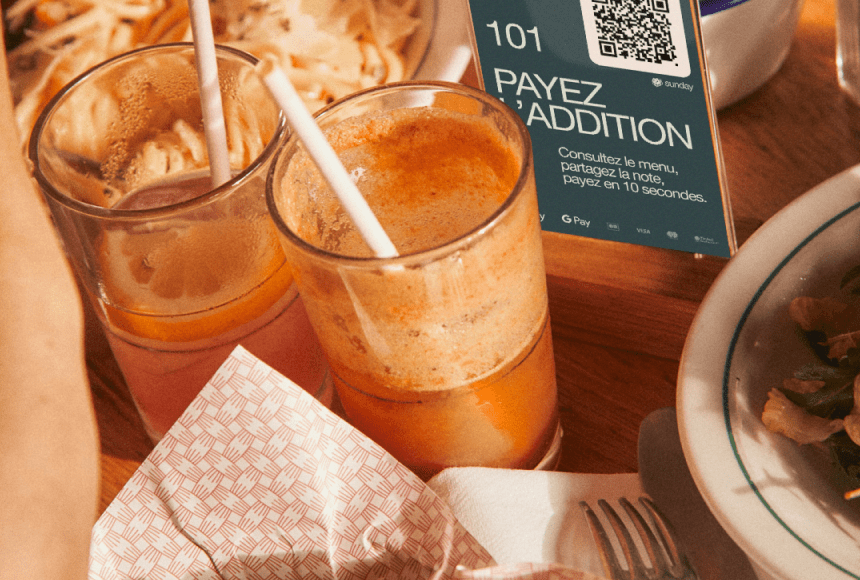
Take, for example, a small neighborhood bistro in Chicago. With tighter restrictions on capacity during the colder months, the owner needed a way to maximize efficiency and keep guests flowing in and out comfortably. She introduced a contactless payment system using QR codes printed on table tents. Instead of waiting for a server to bring the check, guests simply scanned the code using a smartphone camera, which took them to an online interface to review their bill, apply any loyalty rewards, and add a tip—all before tapping to finalize payment.
The result? Service times dropped by an average of five minutes per table. Across multiple seatings, those five minutes added up to an additional turn on busy nights. Even more surprising, the staff reported an uptick in tip percentages, likely because guests found the process smoother and appreciated the control they had over finalizing the payment. Customers also commented on how much better they felt not having to handle a physical check holder or wait for the server to return with a printed receipt.
This transition didn’t just benefit guests; servers loved it too. After a short training session, they found that contactless payments freed up their time for more personal interactions with diners. Rather than apologizing for the wait or juggling piles of receipts, they could focus on storytelling: describing the daily specials, recommending wine pairings, and making sure diners enjoyed their food.
Adopting a Modern Payment Terminal: Key Considerations
If you’re thinking about introducing or upgrading your payment terminal to accept contactless methods, you’ll want to weigh a few items carefully. Below are the key areas to address.
1. Software Integration
One of the first steps is ensuring that whatever contactless system you choose integrates smoothly with your existing point of sale. You don’t want to face downtime or data loss because the new platform doesn’t play well with your current software. Conduct thorough research or consult your POS provider. Check whether your new contactless payment feature will automatically synchronize tips, sales data, and inventory tracking if that exists in your setup.
2. Pricing and Transaction Fees
Contactless payment doesn’t have to break the bank. Some solutions come with monthly fees, while others charge per transaction. Read the fine print, compare offers, and consider the long-term gains. Remember: the slight fee for each contactless transaction can be offset by increased tips, faster table turnover, and happier guests.
3. Customer Training and Staff Onboarding
You’ll need to coach both staff and guests through the learning curve—though, in many cases, they’ll pick it up fast. Consider having simple “How to Pay” instructions right on the table or included on your menu. Make sure your servers can calmly explain the process to anyone new. Of course, a bit of patience is key while everyone adapts to the updated flow.
4. User Experience and Branding
Don’t underestimate the power of a sleek, intuitive payment flow. If guests find the interface confusing or clunky, you risk a negative impression. Look for a provider that allows some customization, whether that’s adding your logo or a brief final thank-you message once payment is confirmed.
The Subtle Power of Data Collection
Once you implement contactless systems, consider how you might use the data. Some platforms keep track of how many diners translated their “tap” into an online review, or how often they redeemed a special promotion. With permission, you can also gather customer emails for loyalty programs or special offers. As you accumulate information, you’ll gain clarity on who your regulars are, how often they return, and which menu items they order most frequently.
If you notice that your seasonal specials are especially popular among high-spending customers during the winter, you can tailor your marketing to highlight these dishes. Or if your loyalty sign-ups spike after certain promotions, you can plan your marketing calendar accordingly. The data insights gained through contactless payment methods are often more robust and more readily available than old-school paper receipts.
Small Touches: Making the Experience Feel Personal
You might worry that going “contactless” could reduce the personal touch diners crave. Actually, it can do the opposite. By removing the friction of handling payments the old-fashioned way, you free up opportunities for genuine human interaction. Your servers can spend those precious extra minutes chatting about the local craft beer selection or suggesting a dessert pairing.
A big part of the dining experience is about creating a warm, convivial atmosphere. Contactless payment doesn’t mean you’re erasing the human element; on the contrary, it helps you treat each guest with more attention where it truly matters—service and hospitality—rather than focusing on collecting a piece of plastic. This type of personal contact, ironically, is often enhanced when the payment process is streamlined and digital.
Swipe vs. Contactless: A Quick Comparison
| Aspect |
Swipe Method |
Contactless |
| Speed |
Slower; requires time for card processing and signature slips |
Faster; often a single tap or quick scan |
| Hygiene |
Physical contact with payment terminal and pen |
Minimal to no contact required |
| Tip Integration |
Manual entry on a printed check or terminal |
Seamless digital prompts before confirmation |
| Data Collection |
Limited; relies on paper receipts |
Rich data capture for analytics and loyalty |
sunday: Simplifying the Payment Experience
There are many players in the contactless space, but some solutions go beyond just providing a seamless guest checkout. For example, sunday offers a way for diners to scan a QR code right at their table. They can then split the bill, leave a tip, and even post a Google review—all in one go. It’s less about adding another gadget and more about making the entire payment process convenient, intuitive, and even a bit fun. Because the solution integrates tipping and feedback, diners often feel a sense of satisfaction right when it matters most—at the end of the meal.
Preparing Your Team for Contactless Payments
Your staff are vital to making a new payment method work. Even the best technology can become a headache if your team doesn’t understand how to guide guests through it. Here’s how to ensure everyone is on board:
- Hands-On Demonstrations: Walk your servers and hosts through the payment process. Let them practice scanning the code, adding tips, and finalizing a transaction.
- FAQs for Staff: Compile a list of the most common questions guests might ask: “Does my phone support this?” “Is it secure?” “Can I split the bill?” Make sure your team knows the answers.
- Encourage Feedback: Ask your staff to share observations from the floor. If multiple customers seem confused by a certain step, it might be time to adjust instructions or clarify the signage.
- Emphasize the Upside: Remind your servers that faster payments and integrated tipping mean more time for genuine guest interaction—and potentially higher earnings.
A Season of Innovation and Warmth
America’s culinary landscape is as diverse as its geography, but one thing is becoming increasingly universal: diners want their transactions to be as smooth as the food is delicious. Especially in the winter months, people crave comfort, convenience, and contactless payment solutions that help them enjoy a cozy night out without hassles or friction.
This new normal didn’t appear overnight, though. It’s the result of years of incremental improvements in payment terminal technology, combined with changing health guidelines and customer habits. For many diners, the ability to pay quickly, securely, and without physical contact isn’t just a novelty—it’s an expectation. Restaurant owners who respond to this shift stand to gain in terms of efficiency, customer loyalty, and profitability.
Ultimately, your guests are seeking an experience where the meal, the interaction, and the final goodbye all strike the right note. Contactless payment plays a subtle but important part in that finale. When done well, it can add a touch of modern magic to an age-old tradition—sharing good food with good people. That’s why going from swipe to tap isn’t just a tech upgrade; it’s a new way for your restaurant to genuinely connect with your clientele.
FAQ: Common Questions About Contactless Payment in Restaurants
How quickly can I implement contactless payment in my restaurant?
The timeline largely depends on your existing point of sale setup and the solution you choose. In some cases, you can be up and running within a few days. Look for providers that offer swift onboarding and clear instructions for both staff and diners.
Is contactless payment secure?
Yes. Most modern platforms use layered security measures including encryption and tokenization. For even greater reassurance, choose providers that comply with standards like PCI DSS (Payment Card Industry Data Security Standard) to protect cardholder information.
Does contactless payment increase tips?
Often it does. Many restaurants find that when diners have a seamless, prompted opportunity to tip, they tend to be more generous. The ease of tapping—even from a smartphone—helps maintain the positive dining ambiance, which can translate to better gratuities.
Can customers still leave feedback with contactless payment?
Yes. A benefit of digital payment is the ability to integrate touchpoints such as feedback forms or review links. Some solutions, like sunday, directly prompt guests to post a Google review or share feedback, which boosts online visibility for your restaurant.
Do I need a special type of device or payment terminal?
Many modern payment terminals already support contactless cards and digital wallets. If you’re adding QR code-based solutions, you might only need printed table tents or an in-app feature. Definitely consult with your payment provider or a trusted vendor to see what’s compatible with your current system.


 1min
1min