Raising the Bar: How a 20% Tip Is Becoming the New Norm
The Evolving Culture of Tipping in the US
It’s no secret that tipping has been a cornerstone of the American hospitality industry for more than a century. From roadside diners in the 1920s to trendy pop-up eateries today, the tip has remained an essential part of restaurant culture. However, just like a perfectly balanced dish, tipping standards shift and evolve over time. What was once considered generous can become the bare minimum; for instance, 15% used to be the gold standard for good service. Nowadays, restaurant owners and servers across the country are noticing a different threshold emerging: 20%.
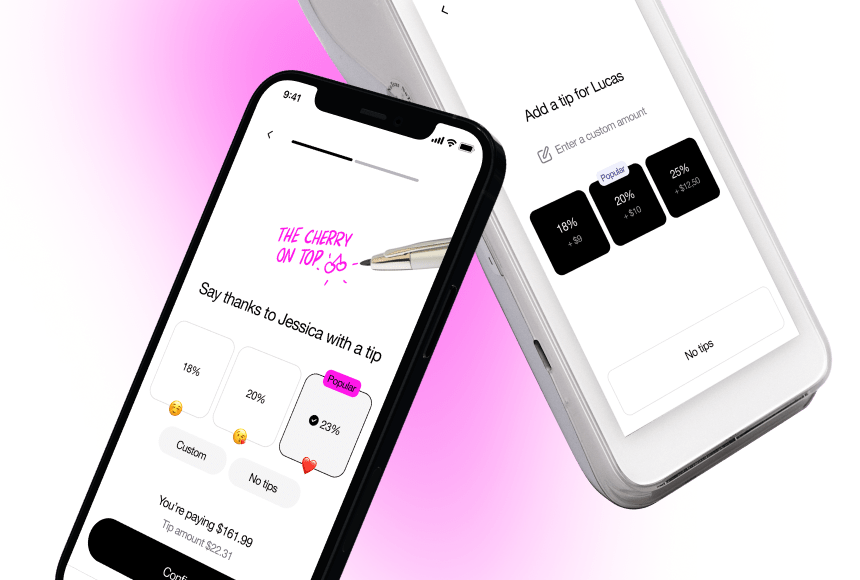
You may have already sensed this shift in your establishment. Perhaps some loyal patrons automatically tip 20%, while others still cling to an older practice. Maybe your servers are requesting clearer instructions on how to nudge guests toward that higher benchmark. No matter the situation, it’s clear that tipping culture continues to develop rapidly. With the rise of digital payment solutions that display preset tip suggestions, many Americans are finding it easier (and sometimes more compelling) to leave that 20% gratuity.
In this article, we’ll dissect why 20% is increasingly viewed as the new “normal” tip rate, explore the underlying reasons for this evolution, and discuss how digital payment prompts can educate guests and shape positive tipping habits.
Factors Driving the 20% Benchmark
There’s no single cause behind the shift from 15% to 20%. Instead, consider it like a stew simmering on the stovetop—multiple ingredients combine over time, creating a hearty final product. Let’s break down some of these factors.
- Increased Awareness of Service Wages: Many diners are now aware that servers and other tipped workers in the US often earn a lower base wage. Though exact laws vary by state, the federal tipped minimum wage can be as low as $2.13 per hour. This realization motivates customers to tip more generously.
- Rising Cost of Living: Inflation, urban living expenses, and shifts in the labor market have led to higher living costs for everyone, including restaurant staff. A 20% tip helps them keep pace with these realities.
- Cultural Shifts in Hospitality: The pandemic highlighted the importance of restaurant workers, showing Americans just how essential these team members are to their dining experiences. This new perspective tends to foster empathy and bigger tips.
- Social Media and Digital Advocacy: Platforms like Twitter, TikTok, and Instagram have become spaces where dining etiquette and service worker experiences are shared widely. Viral posts criticizing paltry tips sometimes push people to tip more to avoid social shame.
Instead of viewing these developments as threats or added burdens, restaurant owners can see them as opportunities. Showcasing your staff’s professionalism and educating guests on appropriate tips can cultivate a high-value culture of gratitude inside your venue.
How Digital Prompts Influence Tipping Behavior
We live in a world where customers crave efficiency and clarity. Imagine setting down a plate of vibrant farm-to-table vegetables: the flavors, colors, and aromas guide the diner’s next bite. Likewise, a well-designed digital payment prompt can gently guide your customers toward a higher tip rate.
The power of suggestion is real. According to a 2021 National Restaurant Association report, digital prompts for tip percentages significantly influence the final amount. When a payment app offers a selection of 15%, 20%, and 25% tip options—rather than requiring guests to manually write in a tip—most diners lean toward the middle or higher preset options. It’s an almost subconscious choice, similar to how you might select the “medium” popcorn at the theater because it feels less indulgent (and cheaper) than the large.
Educating diners through digital prompts can be subtle yet impactful. Short lines such as “Thank you for supporting our team” or “Great service deserves a great tip” can set a friendly, positive tone. This approach reflects your restaurant’s values—hospitality, warmth, and respect for your staff—while reminding your guests about the importance of gratuities.
Building Guest Trust Through Transparency
When you include a tip suggestion of 20% on a digital payment screen, be sure to add context. Diners want to know where their money is going. Think of it like explaining your signature soufflé: you wouldn’t just serve it to guests without mentioning its delicate preparation or quality ingredients. In the same way, a short message about fair compensation, restaurant costs, or the importance of employee well-being can resonate deeply.
Noting that tips are shared among servers, bartenders, and other support staff helps illustrate the comprehensive benefit of a 20% tip. If guests see that their money rewards the entire team, they’re more inclined to give generously. Including these explanations within your digital payment solution builds trust and fosters understanding.
Pro Tip: Consider a brief statement on the payment screen like: “Your tip helps support our dedicated team of servers, bartenders, and kitchen assistants. Thank you for ensuring they receive fair compensation!” This small note can go a long way in educating guests about the value of 20%.
Choosing the Right Digital Payment Solution
One key piece of the puzzle is selecting a digital payment solution that aligns with your restaurant’s ethos. The best option should be as smooth and satisfying as a perfectly whisked hollandaise—no lumps, tangles, or frustrating steps. From table-service establishments to quick-service counters, it’s important to offer a modern payment experience that empowers guests.
- User-Friendly Interface: Guests don’t want to fiddle with confusing screens when they’re ready to leave. A clean, intuitive interface that clearly displays tip options ensures a more pleasant experience.
- Customizable Tip Suggestions: Being able to adjust preset percentages allows you to highlight 20% as the middle ground or default choice, without forcing it on guests.
- QR Code Scanning: By letting patrons scan a QR code at their table, you remove the friction of waiting for a card reader or heading to the counter to pay. Guests can tip in a snap—and even leave a personal note of thanks.
- Security and Trust: Ensure the solution meets industry standards for payment data protection (e.g., PCI compliance). Guests will only adopt new technology if they trust it.
sunday offers features like quick QR code payments and straightforward tipping prompts, helping restaurants simplify their operations and boost average gratuities—all while keeping the guest experience at the forefront. But remember, no single platform can solve every challenge. If you’re considering a digital payment provider, look for a reliable partner that can adapt to your needs and champion the 20% standard effectively.
Enhancing the Tip Conversation with Staff Training
Even the greatest technology can’t convince diners to tip well if your staff doesn’t deliver top-level service. As an owner, you’re already aware that solid training is essential so your servers know exactly how to read tables, upsell dishes, or handle special requests. But training should also include how to discuss tipping—tactfully, courteously, and without making anyone feel pressured.
Here are some strategies to keep in mind when training your team:
- Encourage Friendly Reminders: Your staff can mention any house policies or tip-sharing rules in a casual conversation with guests. They might say, “We pool our tips to make sure everyone is appreciated, from the bartender to the busser.”
- Highlight Service Excellence: Train your team to showcase their expertise—whether it’s recommending the perfect wine pairing or explaining a unique cooking technique. Demonstrating knowledge and passion often leads to higher tips.
- Be Transparent but Not Pushy: If digital prompts display tip suggestions, staff can politely point out where the tip screen is located, but avoid any hard-sell language.
- Stay Positive: Reinforce a mindset that sees tipping as a natural part of the dining experience, rather than a burdensome add-on. Staff positivity is contagious.
Naturally, a major piece of this puzzle is ensuring your team feels respected and valued. If employees believe in the restaurant’s mission and integrity, that positivity flows naturally to guests and helps reinforce a healthy tipping culture.
When 20% Becomes a Win for Everyone
By now, some of the benefits of adopting 20% as the new norm may be clear. But let’s lay it out more explicitly—like plating a dish so the colors pop and each element earns its spotlight.
| Stakeholder |
Benefit from 20% Standard |
| Restaurants |
Increased revenue stability, more satisfied staff, reduced turnover, and a stronger employer brand. |
| Servers/Staff |
Better financial security, improved morale, and an incentive to provide memorable service. |
| Guests |
Clear guidance on how to show appreciation, a consistent tipping experience, and a sense of ethical satisfaction in supporting fair pay. |
When 20% is considered standard, everyone knows what is expected. It removes awkward guesswork and fosters transparency. At the same time, guests who want to tip more are free to do so, while those who prefer a slightly lower figure can opt out of preset percentages if necessary. Digital prompts simply guide people, never forcing them in one rigid direction.
Overcoming Objections and Addressing Concerns
No shift in culture or policy comes without a few speedbumps. You may hear some guests push back: “Why 20%? We used to tip 15% for good service!” Or, “I don’t want to pay more than my usual for a meal.” Valid concerns deserve to be addressed with empathy and clarity.
- Clarify Rising Operational Costs: If asked directly, explain how inflation and the general cost of living have evolved. Show that tipping keeps pace with fair compensation for the people working hard to ensure a pleasant dining experience.
- Emphasize Service Value: By advocating for 20%, you’re placing a premium on your staff’s skill, expertise, and hospitality. Position it as an integral investment in quality service.
- Highlight the Guest’s Freedom: No matter what digital prompts you offer, guests retain the freedom to tip as they wish. This is about aligning suggestions with a new national trend, not issuing a mandate.
Ultimately, restaurant owners, servers, and managers can remain proactive, not defensive. When everyone in-house is aligned on the importance of that 20% target—backed by clear, positive messaging—the majority of guests respond in kind.
A Practical Case: Sharing One Establishment’s Story
Let’s look at a fictional example of a small bistro in Chicago called “Harvest & Hearth.” They decided to implement digital QR code payments at every table. At first, the tip presets were 15%, 20%, and 25%. Initially, around 65% of guests chose 15%. Over time, management realized they needed to do more than just enable digital payments—they needed to educate guests about tipping norms.
They added a short message on the payment screen: “Our dedicated staff works hard every day to create a cozy, delicious experience. Tips are shared with our entire team, ensuring that everyone is rewarded for their dedication. Thank you for your generosity!” Within a month, the number of tables choosing 20% jumped from 30% to nearly 50%. Over time, many tables started picking the 20% tip by default, and those who truly loved the experience gravitated toward 25% or more.
While Harvest & Hearth didn’t force anyone’s hand, they did nudge guests toward a cultural shift. This kind of approach—part technological, part educational—engenders trust. The uptick in tips also reduced staff turnover, since servers were happier and felt more committed to the restaurant’s vision.
A Bright Future for Restaurants and Tipping
When you embrace the notion that 20% is the new tipping standard, you’re not just following a trend—you’re actively shaping customer expectations. Whether you run a fast-casual spot or a high-end culinary destination, the key is to create an environment where guests naturally lean toward generosity. The synergy between digital payment solutions, staff training, and clear communication acts like the perfect seasoning that brings everything together.
Adaptable owners will see the value in 20% tips: your team remains motivated, your customers feel reassured they’re doing the right thing, and your bottom line stays healthier. With every new table seating, you have a chance to strengthen that tipping culture.
Frequently Asked Questions (FAQ)
Do customers ever feel pressured by preset tip amounts?
Some guests might initially feel anxious when they see higher tip suggestions. However, research shows that most people appreciate clear guidance on tipping. Preset suggestions remain optional—they simply show what the restaurant considers a fair range. Guests always have the choice to override or select a custom tip percentage.
How can I justify suggesting 20% if a customer feels it’s too high?
Explain that many industry professionals rely on tips that align with modern living costs. If they feel it’s too high, reassure them that they can still opt for another amount. Emphasize that your digital system is meant to guide, not mandate, any particular number.
Does highlighting 20% ever discourage guests from tipping more?
Actually, many guests view 20% as the new baseline, especially if service is exceptional. Some will leave more than 20%. The preset simply anchors them in a fair range. If their experience went above and beyond, they may well select 25% or another higher preset option.
How can I train new staff to feel comfortable talking about tips?
Provide them with a warm, inclusive script or quick speaking points that emphasize appreciation. Make it clear they’re not pushing for a tip—just informing guests about how the restaurant handles gratuities. Regularly roleplay tipping conversations, especially for new hires, so they become second nature.
Do digital payments really help increase check sizes and tips?
Yes. Faster payments reduce friction, and the embedded tip prompts encourage diners to leave gratuities on the spot. Many restaurants adopting payment methods like QR codes see an uptick in average tip percentages, especially when those presets highlight 20% as a standard reference point.


 1min
1min
 1min
1min