How Quicker Service Can Boost Your Restaurant’s Holiday Tip Revenue
Offering faster service around the busy holiday season can increase guest satisfaction, strengthen connections with customers, and lead to more generous end-of-year tips. Speeding up table turnover can mean serving more people in less time. When staff can refocus their energy on interacting warmly with diners, everyone wins—your team, your customers, and your bottom line. Clear workflows, tech solutions that streamline payment, and smarter scheduling are essential. Employee morale and hospitality also matter: a positive staff approach often translates into bigger tips. Paying attention to small efficiencies can make a real difference in the final check size, guest reviews, and your restaurant’s year-end earnings.
The High-Stakes Holiday Season
From Thanksgiving to New Year’s Eve, the final months of the year bring a festive atmosphere and increased traffic to restaurants. According to the National Restaurant Association, the holiday season can account for a sizable share of annual revenue for many establishments. The logic is simple: more parties, celebrations, and outings equate to more diners. But with that boost in foot traffic comes mounting expectations. Customers want their dinner to feel special, efficient, and as stress-free as possible.
Speedy service aligns perfectly with these sentiments. When your restaurant staff handles orders promptly and flawlessly, customers experience a smoother evening. Diners notice servers’ attentiveness and appreciate not having to wave someone down every time they need a drink refill or want to settle the check. In the US, it’s common for diners to leave tips of 15–20%, or even more if the experience is genuinely above and beyond. During the holidays, consumers often feel extra generous, assuming their dining experiences are comfortable. So, if you manage to amplify that sense of comfort and quickness, you stand a strong chance of seeing higher tips on those end-of-year checks.
Faster Service and the Psychology of Tipping
Tipping isn’t just about the food or even the ambiance of a restaurant—it’s primarily shaped by the guest’s personal experience and their emotional response to the service provided. Speed plays a massive role here. Think for a moment: when you’re dining out, perhaps catching a holiday show or meeting friends after work, time is a limited resource. No one wants to spend it waiting—and waiting—for a server to bring the bill or process payment. Especially around this hectic season, diners often have packed schedules.
While servers who chat or connect in a friendly manner can help improve tips, it doesn’t replace the frustration of slow service. Customers crave a balance: they want a warm, personal experience that doesn’t hold them hostage at the table. Achieving that sweet spot frequently leads to a deeper sense of appreciation, which diners express through bigger gratuities. Plus, when a table’s waiting time is minimal, there’s more room for cozy interactions—asking about holiday plans, sharing a laugh, or suggesting a seasonal dessert. All these pleasant touches build rapport. When combined with a perfectly timed meal, the result is stronger tip amounts across the board.
Table Turnover: Why It Matters More Than Ever
High volume is the name of the game in December. People are dining out with family, friends, or coworkers, making reservations for holiday get-togethers, or simply enjoying the spirit of the season. The more visitors you can seat and serve, the more potential sales for your restaurant—and the bigger the tip pool for your staff.
Yet, “turning” a table efficiently is a delicate dance. If you rush, you risk making diners feel pressured. If you are too slow, you compromise your capacity to serve additional guests. The key is in optimizing workflow:
- Clear order-taking process: Make sure everyone on your team follows the same steps, so the kitchen and servers remain synchronized.
- Streamlined staging: Keep glassware, cutlery, and trays fully stocked and close at hand to avoid wasted movement.
- Payment methods: Traditional handheld card readers may cause friction if they are slow or glitchy. Upgrading to digital or QR-based solutions can trim precious minutes from each table’s payment cycle.
- Efficient communication: Use quick signals or short-coded language between staff members to keep the lines of communication open and speedy.
When you run a smooth operation, guests feel it—food comes out in a timely manner, and final checks don’t drag on. As more happy customers pay and leave, servers have the potential to greet fresh guests in less time. The cyclical effect often leads to higher daily turnover, which translates to increased revenue and, ultimately, more robust tip totals.
Practical Ways to Speed Things Up
Achieving faster service is sometimes seen as an abstract goal, but there are straightforward tactics you can implement today. Let’s walk through some best practices:
1. Smart Table Assignment
Have you ever seated two large parties in the same server’s section within moments of each other? That’s a potential recipe for delay. By distributing parties more evenly, you give your staff a chance to balance attention and keep each table moving at a comfortable pace. Many modern point-of-sale systems have features that suggest an optimal seating plan based on server workload. It’s worth exploring if your current system can help advise you on distribution so no single server gets slammed.
2. Lightning-Fast Payment Options
Everyone wants an efficient payment process. Traditional methods—bringing a check, waiting for the card to come back, going to the register, returning with receipts—can devour time. And in the holiday crush, a few extra minutes per table can add up to hours lost over the course of a day.
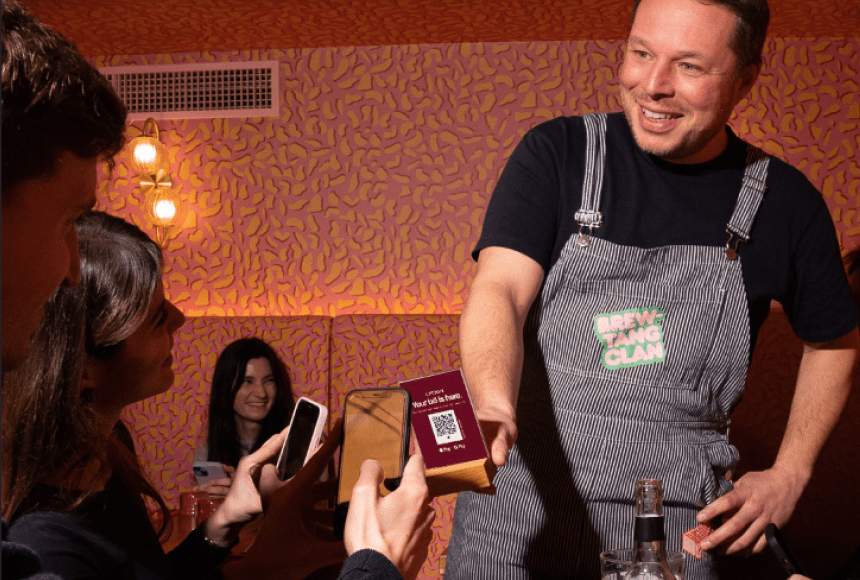
That’s where a solution like sunday enters the picture. By offering the convenience of a QR code on the table, your guests can scan, review their bill, pay within seconds, and even leave a tip on their phone. Some guests may even leave a more generous gratuity because they can quickly tweak the tip percentage on a digital interface. Best of all, your staff is freed up to focus on clearing and resetting tables or engaging with guests, rather than waiting for payment to process. This approach promotes quick checkouts and fosters a smooth final experience that people remember—especially during the busiest season.
3. Holiday-Specific Menu Adjustments
Consider refining your menu to include seasonal highlights that are quick to prepare. If your chef and kitchen team can serve up a “holiday special” or “festive appetizer” that requires less cooking time, you shorten the wait for your guests. Also, by offering set holiday menus, you help streamline ordering decisions—when people aren’t combing through endless options, orders move into the kitchen faster, and your staff can focus on other tasks.
4. Upselling Without Slowing Down
Adding a quick recommendation for a holiday-themed cocktail or dessert can raise your average check (and, in turn, your tip amounts). However, you want to ensure these suggestions are delivered efficiently. Practice quick, heartfelt pitches: “We have a limited-edition cranberry pie that’s out of this world. May I put an order in for you?” This short, streamlined suggestion encourages add-ons without bogging down the diner with a verbose explanation.
5. Thoughtful Scheduling and Team Planning
Inconsistent scheduling can lead to confusion, extended breaks, or short-staffed rush hours. During the holidays, make sure you carefully plan your staff’s hours. Give your best servers—those quick on their feet and adept at reading the room—the busiest shifts. Assign an extra busser or host if possible, just to lighten the load on servers so they can focus on top-notch service. Boosting manpower in the right areas can pay off significantly in speed and satisfaction.
Morale and Recognition: The Secret Sauce
Let’s not overlook the human side of faster service. Your team is still your greatest asset. Overworked or underappreciated employees can lead to stumbles in service speed. When staff feel energized and valued, they show more genuine enthusiasm. That, in turn, translates into quicker, friendlier interactions with customers.
Consider small ways to recognize excellent performance:
- Spot bonuses for the highest daily or weekly tip earner.
- Staff meals featuring something special (like a holiday-inspired treat from the kitchen).
- Lighthearted competitions where servers compete to see who can upsell the most cocktails or desserts in a shift.
These smaller gestures keep morale high and energy flowing. And if your employees see that quick, professional service is rewarded, they’ll be ever more motivated to optimize the guest experience.
From Quick Service to Glowing Google Reviews
The holiday season doesn’t just bring potential for big sales and tips—it also offers an incredible window for positive word-of-mouth and online reviews. Happy holiday diners are likely to leave favorable mentions on Google. Such feedback influences future guests long after the seasonal decorations come down.
When speed pairs with a personal touch, it can prompt a diner to share their delight in a public forum. Using a modern digital payment method, you can encourage guests to leave immediate feedback. For instance, sunday integrates a gentle reminder to share a Google review after payment is completed. It’s seamless for the guest, helps maintain the positive mood, and can build a solid online reputation for your restaurant.
Given how many diners research restaurants by reading Google reviews, a strong rating can place you in a prime spot for capturing year-round business—long after the holiday rush has subsided.
An Illustrative Example: Bistro on Elm
Picture a cozy neighborhood restaurant called Bistro on Elm. It’s mid-December, a Friday evening, and the place is bustling with holiday cheer. The hostess seats a group of coworkers celebrating their annual office party, plus a party of two on a romantic holiday date. Both tables scan the digital menu and place orders quickly. Meanwhile, the staff is fully prepared:
- The server assigned to each group is swift about greeting them and offering a holiday cocktail list.
- Orders reach the kitchen in real time via handheld devices, so there’s virtually no lag.
- Each table easily pays by scanning a QR code on the check holder—no manager or server dash to the payment terminal.
- The staff clears the table moments after the guests wrap up their meal, all with warm, attentive attitudes.
The result? Both tables finish their evening satisfied, praising the server’s efficiency. They not only tip generously but also leave 5-star reviews on Google. By the night’s end, Bistro on Elm turns over several more tables than usual—a direct outcome of quicker service at each stage of the diner’s experience.
Holiday Treasures: Bigger Checks, Bigger Tips
What’s the magic behind those higher tip numbers when service speeds up? It’s partly about gratefulness: customers realize that they were able to enjoy a festive experience without a marathon wait. When staff have more time to do things right—like offering a friendly greeting or making menu recommendations—patrons feel valued. That feel-good energy frequently inspires them to reciprocate the kindness in the form of a larger tip.
Another factor is purely transactional. A faster table turnover means servers have the opportunity to handle more tables, potentially achieving a higher total tip volume for the shift. During the end-of-year period, more table visits multiply the effect. And if your restaurant is doing special holiday upselling (like celebratory cocktails or premium desserts), the final check is already bigger, so the tip has a higher base. Combine that with a well-trained staff who can hustle while remaining gracious, and you have a perfect formula for maximizing end-of-year gratuities.
Potential Pitfalls of Rushing
While speed is a primary goal, keep in mind that rushing can ruin a restaurant’s vibe. There’s a subtle, yet crucial difference between an efficiently paced service and an experience that feels hurried or impersonal. If diners perceive that the server is “trying to get rid of them” to seat the next group, it undercuts the sense of comfort and belonging. That can negatively impact tips and lead to unfavorable reviews.
It’s vital to train staff to prioritize both speed and empathy. Serving quickly doesn’t mean ignoring small touches like asking about dietary preferences or providing timely refills. When your team strikes that balance, you offer a rewarding experience that resonates far beyond the final check.
Boosting Efficiency With Technology
Restaurants have relied on digital solutions for years, but technology is continually evolving to solve very specific problems:
- POS systems: Today’s systems can integrate order management, time tracking, and analytics on peak hours. This data can help you schedule staff more smartly and forecast surges in business.
- Kitchen display screens: These reduce confusion in the kitchen by streamlining the order queue. They also provide real-time updates on dish statuses.
- QR code payments and digital tipping: Tools like sunday remove the friction of waiting for a check. Tables pay conveniently, and servers can focus on delivering great service. This also feeds into speedier table turnover.
- Automated marketing messages: Post-meal, customers can be automatically prompted to share a review—keeping the positive momentum going.
By harnessing these tools, restaurants large and small can deliver a consistent, efficient experience that addresses the unique demands of the holiday season.
Maintaining Quality Under Pressure
It’s tempting to focus solely on quickness when things get hectic, but never at the expense of quality control. When you’re churning out meals at a rapid-fire pace, the risk of mistakes—cold dishes, mixed-up orders, or overcooked items—increases if your staff isn’t well-prepared. A single oversight can nullify the goodwill earned by fast service.
That’s why regular, quick staff huddles can help:
- Pre-shift briefs: Let team members know which items are popular, which have limited availability, and upcoming reservations. This sets everyone up for success.
- Mid-shift check-ins: Encourage a quick 30-second chat among the team during lulls in service to share urgent updates, like “We’re almost out of the lobster special.”
- Post-shift debrief: Assess how the night went, identify bottlenecks, and celebrate wins. This reflection fosters constant improvement.
The more aligned your team is, the easier it becomes to sustain high performance, not just for one night but throughout the entire holiday season.
Encouraging Customer Feedback
With positive feedback, your restaurant can continue to refine its approach. The holiday season brings in both regulars and new diners who may be excited to find “their new favorite spot.” Encouraging them to share a quick review—especially when it’s simple to do so—can significantly boost your online presence. In effect, you convert a fantastic holiday dining experience into evergreen marketing for your restaurant.
Additionally, direct feedback can help you spot operational kinks. If customers mention certain frustrations about wait times or processes, you know exactly where to focus your improvement efforts. This customer-driven cycle of quality enhancement positions your establishment as a reliable and beloved choice for diners year-round.
Planning Ahead for the Next Holiday Cycle
When the holiday rush eventually slows down, it’s the perfect time to dig into your analytics and staff feedback. Which nights saw the highest spike in tips? Were there certain service strategies that effectively maintained speed and comfort for guests? Did your staff meet their specific upselling targets? By documenting these wins and areas for improvement, you set the stage for an even stronger end-of-year showing next time around.
Many restaurants choose to implement new technology or revamp their workflows in the quieter months following the holidays. That lead time helps you and your staff get comfortable with changes and perfect them before the next big surge. The cycle of analyzing, adjusting, and refining ensures a culture of ongoing improvement.
Visualizing Key Metrics
Below is a simple table illustrating the connection between service-time averages and corresponding average tip percentages. This serves only as an example—actual figures vary by region and clientele. But it shows how pivotal each incremental improvement in service speed can be to your bottom line:
| Average Time Per Table |
Approx. Tip Percentage |
Notes |
| 90 minutes or more |
15% |
Experience can feel dragged out. |
| 60–75 minutes |
18% |
Quick enough for most customers. |
| 45–60 minutes |
20–22% |
Guests appreciate both pace and personal touches. |
| Under 45 minutes |
22% or more |
Best for busy professionals or tight schedules. |
While pushing for under 45 minutes per table may not be feasible for certain cuisines, these hypothetical numbers demonstrate how service time correlates with gratitude and tip size. Each small improvement in operational speed can accumulate into a dramatic rise in tip revenue—especially during the holiday season.
FAQ: Frequently Asked Questions
Below are concise answers to some of the most common questions restaurant owners ask about service speed and tipping during the holidays:
- Does faster service mean we have to sacrifice personal connection with guests?Not at all. Efficiency can coexist with warmth. By freeing servers from chasing checks or managing slow payment methods, they can spend more time engaging positively with diners.
- How can I encourage staff to speed up without burning them out?Balance is key. Offer shorter shifts or rotate staff to give them breaks, and recognize achievements regularly. If your employees feel appreciated, they’re more likely to maintain a brisk yet pleasant pace.
- Is adding a QR-based payment system complicated?Most modern solutions are designed for quick integration. For instance, some POS services or standalone platforms like sunday provide easy setup with minimal tech overhead. Once in place, it often greatly enhances the guest experience.
- What if my restaurant style (like fine dining) naturally takes more time?That’s perfectly fine. Even in fine dining, guests appreciate prompt attention and minimal wasted time. Focus on eliminating any downtime that isn’t part of the intended luxury experience.
- Which external resources are best for staying updated on holiday trends?You can check reputable hospitality insights from Restaurant Business Online or the National Restaurant Association. They often share data on consumer behavior and industry trends specifically around the holiday season.
As you prepare for the end-of-year festivities, remember that speed is only one pillar of excellent service. When you blend a swift pace with genuine warmth, thoughtful organization, and user-friendly payment options, you create an environment where customers feel seen and appreciated—and that comes through in those holiday tips.


 1min
1min