QR Ordering: Your Best Ally for January’s Evolving Dining Patterns
January is a month when diners reset their eating and spending habits after the holiday rush. Restaurants often see reduced traffic but also encounter new opportunities, such as health-focused menus and limited-time promotions. This period calls for streamlined and budget-friendly operations. QR ordering offers a convenient, staff-efficient way to serve customers who seek contactless, user-friendly solutions. By reducing wait times and giving flexible menu options, it can encourage spontaneous orders and guests’ willingness to come back. Embracing QR ordering in January can help restaurants align with customers’ evolving preferences for speed, safety, and a modern dining experience.
The Unique Realities of Post-Holiday Dining
January arrives like a breath of fresh air after the bustling holiday season. Diners have spent weeks attending festive get-togethers, indulging in rich meals, and often spending more freely on celebratory feasts. By the time the new year rolls around, they’re making resolutions—some vow to spend less, some pledge to eat healthier, and others decide this is the time to try something different, including Dry January or plant-based diets. From the perspective of a restaurant owner, this shift can feel like being tossed into a new arena overnight.
Multiple factors converge during this time:
- Budget consciousness: After end-of-year splurges, many diners look to cut back on non-essential spending and hunt for deals.
- Health-focused choices: Whether it’s a vow to eat more salads or a renewed interest in mocktails, people often choose lighter, less caloric options.
- Dry January trends: An increasing number of people give up alcohol for the month, potentially shrinking typical bar sales but offering a chance to highlight non-alcoholic beverages.
- Quieter atmosphere: January tends to see fewer group gatherings, so smaller parties or couples might make up a bigger portion of the crowd.
Faced with these realities, restaurant owners can benefit from using technology that allows quicker adjustments to menus, marketing, and service. QR ordering is emerging as a go-to option in this evolving landscape.
How QR Ordering Elevates the January Experience
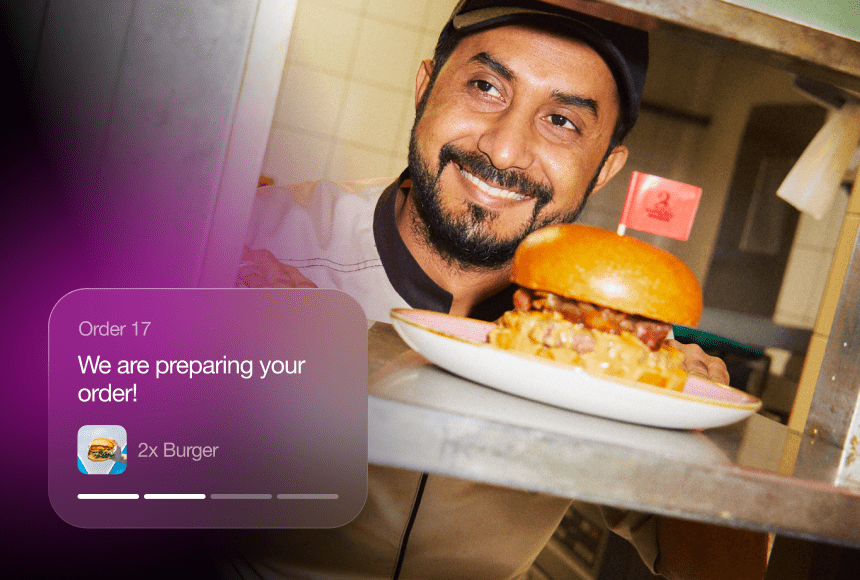
QR ordering—where each table or counter features a QR code that guests can scan to view a menu, place orders, and even pay—streamlines the entire dining lifecycle. It pops up right when customers are rethinking how and where they spend their time and money. While many restaurants have dabbled in contactless ordering over the last few years, January is an especially critical period to optimize that strategy. Below are several reasons why:
- Speed: With fewer staff on the clock to manage a generally slower month, a QR code-based system ensures every guest can be served promptly.
- Customization: In a time of New Year’s resolutions, your diners might request lighter sauces, smaller portions, or extra veggies—and a well-designed QR menu can handle customizations with ease.
- Encouraging extras: Well-presented digital menus can display enticing imagery that prompts diners to add that side of roasted vegetables or top off their healthy meal with a seasonal dessert.
- Budget transparency: Digital menus can neatly organize prices, highlight promotions, and show limited-time discounts, helping diners manage their spending choices without feeling pressured.
Beyond that, QR ordering fosters a sense of control for the customer. They can explore your menu at their leisure, look at nutritional facts, and possibly pair items by recommended combos or add-ons. When used well, it’s like a silent but highly effective maître d’—always politely guiding diners to the best possible choice.
Aligning with Health-Conscious Choices
The new year typically brings fresh health goals. According to a survey by the National Restaurant Association, many customers seeking healthier options are more likely to try new restaurants or revisit old favorites that display transparent ingredient information. This presents a prime moment to position your menu as the perfect ally for those goals.
QR ordering platforms can show detailed product info—calorie counts, potential allergens, or farm-to-table notes. Those details let guests quickly scan and decide if a dish fits their macros or preference. Additionally, it reduces the back-and-forth with servers about how much butter is in that sauce or which dish is gluten-free.
For instance:
- Highlight healthy specials: Offer a “Light Start to the New Year” section with calorie or protein breakdowns.
- Spotlight fresh ingredients: Mention local farm partnerships or organic vegetables—and let customers see where it all comes from.
- Avoid confusion: A digital allergen filter or quick search function can help guests eliminate items that don’t match their dietary needs.
Making these changes to a paper menu can be time-consuming and expensive, but with digital menus, you can update information immediately, keep it accurate, and adapt to trends in real time.
Supporting Dry January and Non-Alcoholic Offerings
Dry January—a rising trend where people choose to skip alcohol for the month—can make a noticeable dent in typical bar sales. However, some restaurants and bars turn this into an opportunity by showcasing a creative non-alcoholic drinks list or a “mocktail of the day.”
A QR-based menu can beautifully highlight these seasonal items, with rotating recipes to intrigue even those who usually pass on soft drinks. When someone scans the code, imagine the excitement of seeing a fresh “Ginger Lime Sparkler” or “Blueberry Basil Cooler” pop up on a banner or in a spotlight category. It’s precisely the sort of nudge needed for a January diner who might initially ignore the beverage section.
Plus, a digital format allows you to gather data on which non-alcoholic drinks are gaining traction, so you can fine-tune your offerings throughout the month. And let’s not forget that if you save customers time on ordering, they may be more willing to browse all sections, discover creative zero-proof options, and share them on social media.
Enhancing Staff Efficiency During the January Slump
January doesn’t just mean lower foot traffic; it can also mean a tighter labor budget as you calibrate staffing levels after the holiday rush. Given you may have fewer employees working at any one time, technology that streamlines tasks is a real advantage.
QR ordering empowers customers to handle many aspects of their dining experience on their own. Diners can scan, place orders, and pay digitally, so your servers can shift focus to engaging interactions—recommending the chef’s latest creation, helping with dietary questions, or simply providing a warmer atmosphere without feeling rushed.
By limiting the constant back-and-forth to each table for order-taking or check drops, you reduce the physical wear on staff. Meanwhile, the team grows more available for tasks that truly elevate the experience, like greeting newcomers, explaining a scratch-made sauce, or offering a special amuse-bouche.
What about tips? Many restaurants find tips remain stable—or even rise—when using a digital ordering and payment interface. People appreciate fast service and clarity, which can translate to higher guest satisfaction and generous tipping.
Staying Budget Friendly for You and Your Customers
In January, diners are more mindful of each dollar leaving their wallets. As a restaurant owner, you might also be looking to rein in operational costs. QR ordering tackles both sides of the coin:
- Reduced printing costs: Printing new menus every time you change a price or run a sale can add up. With QR ordering, your menu updates are immediate and free of printing expenses.
- Fewer hardware requirements: You may already have a point-of-sale system, but the reliance on fewer dedicated terminals cuts down on maintenance and upgrade costs.
- Lower labor demands: By automating some tasks, you can manage with a leaner staff without compromising service quality.
- Dynamic promotions: Introduce deals on slow nights or limited hours—like “healthy lunch deals” or “mocktail happy hour”—and push them out instantly on the digital menu. Your customers see real-time discounts or meal bundles without confusion or extra signage.
People appreciate transparency, so if prices changed after the holidays, be upfront about it. With a QR ordering system, you can highlight “January Specials” or “New Year’s Packages” in a bright, friendly way that doesn’t feel abrupt. By meeting your patrons halfway on cost-savings, you’ll likely earn their loyalty when budgets ease up later in the year.
Adding an Extra Spark: Encouraging Google Reviews
Quality reviews serve as digital word-of-mouth, especially in an era where diners check online ratings before deciding where to eat. When using an integrated solution such as sunday, you can go beyond contactless payments and tipping. You can even invite satisfied guests to leave a Google review directly from the interface, perfectly timed when the experience is fresh and positive vibes are at their peak.
This real-time, convenient prompt can be a game-changer. Instead of hoping your guests remember to leave a star rating once they get home, you greet them with a gentle suggestion to share feedback in the very moment they settle their check. Prompt, easy, beneficial. Over time, the volume of new reviews can become a powerful magnet for future potential customers who are also looking for a January spot that fits their healthier or budget-friendly goals.
A Thoughtful Service for Grabbing Diners’ Attention
In these cooler months, capturing guest traffic is about delivering a memorable experience that goes beyond mere utility. A QR ordering system, used creatively, can be that little spark. From fun seasonal graphics that greet them when they scan, to short messages from the chef explaining new menu items, digital menus provide a canvas for your restaurant’s personality.
Want to show you appreciate customers’ new-year determination? Slip in quick messages like: “Rocking those resolutions? Pair this dish with our antioxidant-rich side salad.” Or celebrate local sports events by featuring a game-day category for shareable appetizers. The more personal touches you add, the more your guests feel recognized.
One Real-Life January Boost
Consider a hypothetical bistro called “February’s Eve.” This spot, nestled in a suburban area, sees a dip in foot traffic right after New Year’s Day. Compared to December, the staff is down by 20%. However, the owner invests in a QR ordering system for the new year. The results:
- Order times shrink dramatically, so staff can handle the usual tasks without feeling overwhelmed.
- The bistro introduces daily non-alcoholic drink specials for Dry January. Sales of these unique concoctions grow as curious diners discover them on the eye-catching digital menu.
- With the ability to easily update menu items, they launch “Light & Cozy” lunch options, highlighting soups and salads. Thanks to quick adjustments, these items quickly become top sellers.
- Customers repeatedly mention the ease of scanning and ordering in the Google reviews they are prompted to leave after paying.
By the end of January, “February’s Eve” sees that revenue, while not as high as holiday season peaks, is much steadier than expected. Customer feedback is positive, and morale among staff remains high due to the more organized workflow.
Refining Your Menu in Real Time
Flexibility is king, especially during quieter months. You might realize that your healthy quinoa bowl is outpacing everything else, or that your vegan chili needs a slight price increase to cover its premium ingredients. A QR-based system allows you to experiment with these changes quickly, collecting real-time data on sales to gauge effectiveness.
Digital menus can highlight top sellers with a “Trending” sticker or a graphic. They can also gently promote items that might need a push, like lesser-known appetizers. This ensures steady rotation and gives customers an element of discovery—always a plus in the winter months when people crave a little novelty.
By reviewing the data, you might see that your “Berry Blast Smoothie” is lagging behind your mocha latte. That’s when you’d give the smoothie more prominent digital real estate, toss in a promotional price, or rename it to better signal the health benefits. Continual micro-adjustments keep the dining experience fresh and your bottom line healthier.
Anticipating Customer Behavior Through January Trends
Data from Restaurant Business Online suggests that January often sees a dip in overall dining out but an uptick in smaller gatherings. That means diners who do choose to eat out might crave a personal and convenient experience.
QR ordering plays well into that dynamic. Groups of two, three, or four can quickly coordinate orders without passing around menus. Each diner feels like they have breathing room to check out the custom non-alcoholic drinks or see how that new salmon dish lines up with their resolution.
As the month progresses, customers’ motivations might evolve, too. Some begin to loosen up on their budget, and you can quickly update your menu with heartier, comfort dishes for chilly winter evenings. Others becomes more entrenched in their healthy patterns, so your carefully curated “mindful eating” section pays off.
Maximizing Return Visits and Loyalty
The advantage of implementing QR ordering in January is not just an immediate fix; it’s a relationship-builder. Imagine you have a loyalty program integrated into the digital platform. Guests can sign up right after paying, storing their information for future visits and receiving gentle “welcome back” messages.
Through this user data, you can send out small tokens of appreciation—like a coupon for a free appetizer during President’s Day weekend, or double points on a new dish. People who discovered you in January, or who found your healthy and budget-friendly vibe appealing, will be more likely to make your place a routine stop throughout the year.
It’s all about forging connections. If you show January diners you genuinely care about their needs and preferences, they’ll remember you even when they’re no longer pinching pennies or sticking to a strict diet.
Leveraging the Right Tools: A Note About sunday
While there are many digital solutions available, some, like sunday, aim to optimize the entire payment and feedback loop. The real strength of an integrated QR solution lies in its ability to combine ordering, tipping, and a friendly nudge for reviews, all in one place.
Because january diners have a unique set of expectations—cost savings, convenience, and quick service—an intuitive app or QR code system can serve them efficiently. The time is ripe for you as a restaurant owner to harness that technology and turn a typically slow month into a strategic advantage.
A Quick Snapshot: January Motives vs. QR Ordering Benefits
| Potential January Customer Motivations |
How QR Ordering Helps |
| Saving money and seeking deals |
Digital menus can highlight discounts and special promos instantly, reducing perceived risk and encouraging more orders. |
| Eating healthier or trying Dry January |
Showcase lighter meals and non-alcoholic drinks front and center. Include info on nutrition and ingredients. |
| Still craving speed and convenience |
Quick scanning, quick ordering, and quick paying. Less fuss for a post-holiday crowd that’s a bit more impatient. |
| Desire for contactless interactions |
Minimize physical menus and reduce staff-customer contact, offering an extra layer of comfort. |
| Interested in user-friendly tech |
Mobile-friendly ordering resonates with younger diners and tech-savvy adults looking to dine efficiently. |
Frequently Asked Questions
Q: Will QR ordering discourage personal interaction with servers?
A: Not necessarily. It can free up your servers to be friendlier and more informative. Instead of spending time on repetitive tasks, they can focus on hospitality. Customers who prefer a traditional experience can still chat or ask questions, but many appreciate the efficiency.
Q: Is QR ordering expensive or complicated to set up?
A: Most QR solutions are quite straightforward. You typically generate QR codes, place them on tables or counters, and integrate them with your restaurant’s point-of-sale system. Ongoing expenses mainly involve any platform fees, but those can be offset by the savings on printing costs and time saved for your staff.
Q: How does a QR code help me adapt for health-focused diners?
A: You can instantly update your digital menu with detailed nutrition data or “healthy picks” labels. This is more transparent and requires less staff involvement to communicate. By presenting information upfront, you build trust and help customers stick to their resolutions.
Q: Will adding tips through a QR code lead to lower gratuities?
A: Many restaurant owners report that digital tipping often remains the same or is even higher, because it’s convenient and well-presented. When customers see how quickly they’ve been served and how easy the payment is, they tend to tip in alignment with their satisfaction.
Q: Why should I encourage Google reviews at the point of payment?
A: Timing is everything. When guests can share positive feedback immediately after a pleasant meal, they are more likely to follow through. It’s a low-effort tip of the hat to your service, and those reviews can help attract new customers.


 1min
1min
 1min
1min