Building Steadier Restaurant Staff Wages Through Digital Tipping
Tipping plays a major role in restaurant employees’ pay, yet unpredictable tip amounts can create financial stress for staff. Digital tipping solutions offer a smoother, more transparent way for guests to reward good service, while helping teams see more consistent earnings. By simplifying the tipping process with modern technology—like scannable payment codes and intuitive checkout screens—restaurants can meet customers’ expectations for convenience and keep staff motivated. This approach can even boost guest satisfaction, loyalty, and brand perception. Ultimately, digital tipping provides a powerful tool to stabilize income, increase tip totals, and cultivate a more confident, committed team.
Why Tipping Remains Crucial in the Restaurant Industry
The United States, unlike many countries, relies heavily on tipping to supplement service employees’ wages. In some states, the tipped minimum wage can be as low as $2.13 an hour—far short of the standard federal minimum wage of $7.25. This is a legal norm that leaves servers, bartenders, and other tipped staff depending on gratuities for a large share of their take-home pay.
According to the US Bureau of Labor Statistics, servers in full-service restaurants tend to have incomes that vary significantly depending on the day, the establishment, and customers’ tipping habits. A productive Friday night can feel like a boon, while a slow weekday shift leaves wallets thin. As a result, employees can struggle with budgeting for essentials like rent and bills because there’s no reliable baseline for their income. Restaurants directly benefit from stable, happy workers—so finding ways to improve tipping consistency is a must.
The Challenge of Volatile Tip Income
Restaurant owners often notice the ripple effects of unpredictable tips. When servers face extreme swings in daily earnings, they may experience heightened stress or burnout. That stress can have a lingering impact on teamwork, efficiency, and even face-to-face interactions with customers. A staff member who’s worried about bills might be less able to focus on delivering an outstanding guest experience.
There’s also the matter of fairness among the team. Different sections, different times of day, and different roles can lead to huge variations in tips. While tip pooling and other distribution methods exist, the fundamental cause—customers who carry less cash or tip impulsively—remains an issue. Without a modern solution, owners end up reliant on dated methods like tip jars or manual processes that don’t address the core challenge: finding a secure, streamlined way to enhance gratuity collection and ensure consistent staff winnings.
Embracing the Shift to Digital Tipping
Enter digital tipping: a simple, tech-driven approach to collecting and distributing gratuities without the usual guesswork that comes with piles of receipts and loose change. Over the past decade, technology has revolutionized the restaurant payment landscape, with many establishments now offering QR codes for quick, contactless payments, or integrated tablet-based point-of-sale (POS) systems that prompt guests to leave a tip.
Restaurants see the biggest returns on this investment when digital tipping solutions are frictionless and user-friendly. For example, the possibility to scan a code at the table to pay—and easily tack on a tip—reduces confusion or hesitation from guests. This convenience also encourages people who rarely carry cash to tip electronically, which can mean higher total tip amounts. By automating the tipping step, restaurants can smooth out the entire experience for guests and staff alike.
How Digital Tipping Stabilizes Staff Income
The main appeal of digital tipping is how it quickly converts what used to be scattered, unpredictable tip earnings into a more reliable revenue stream for employees. Here’s how:
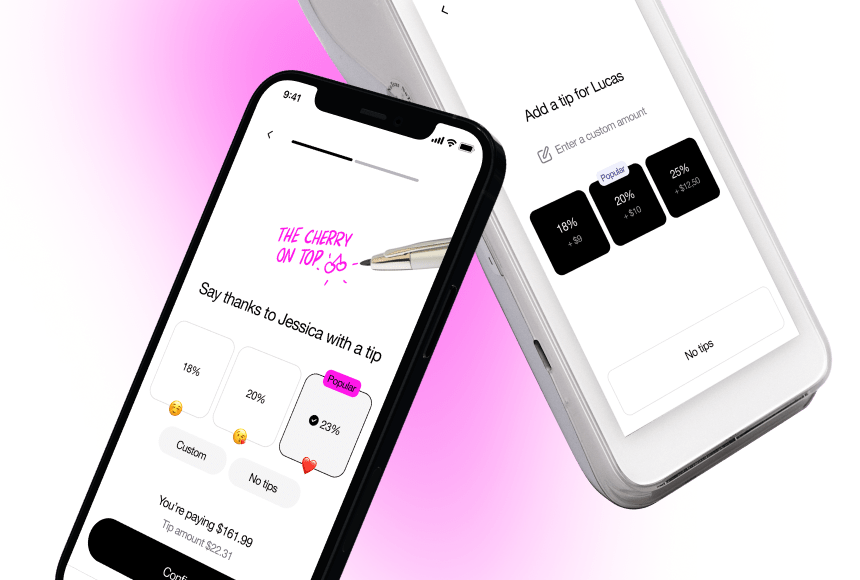
- Clear Tip Prompts: Digital payment flows often include a tip prompt with suggested percentages (such as 15%, 18%, or 20%) or custom amounts. This structured interface influences guests to leave a gratuity, gently reminding them of a social norm. In many cases, automatic prompts lead to higher tips.
- Fewer Missed Tips: When guests pay by tapping, scanning, or swiping, they’re less likely to forget to tip. Gone are the days of rummaging for loose bills or fumbling with a signature line. Digital tipping automates a step that might otherwise be forgotten, stabilizing tip totals.
- Reduced Theft Risk: Digital payments minimize the risk of misplaced or stolen cash tips. Not only does this mitigate shortages at the end of a shift, but it also builds trust among team members.
- Real-Time Tracking: With full digital traceability, servers and management can know at a glance how much each person earned in tips during a specific shift. Greater transparency fosters trust and gives employees more control over their financial planning.
- Easier Distribution: By eliminating manual tip counting, managers can quickly distribute digital tips accurately—ensuring fairness across the team, particularly if tip pooling is in effect.
An Illustrative Example: Maria’s Midtown Bistro
Consider Maria, who owns a cozy bistro in a bustling city district. She wanted to stand out from chain restaurants by offering a welcoming, personalized style of service. But Maria noticed her staff often reported that lunch shift tips were significantly lower, even though they remained busy. Digging into the problem, she learned that many workers lacked a stable weekly paycheck due to inconsistent tipping, which was driving higher turnover. Customers, in turn, at times felt rushed with their bills and occasionally forgot to tip because they only had a credit card and not much time for a drawn-out payment process.
To address this, Maria implemented a payment solution that uses QR codes right at the table—patrons simply scan, see their tab, choose a tip, and check out. She also made sure the tipping screen features recommended percentages. Over the course of a month, Maria’s staff reported feeling more comfortable with their projected tips. No more guessing games. Customers appreciated the quick, contactless payment method. Daytime tips, remarkably, rose about 15% simply because more people left at least a solid tip, prompted by the digital interface. For Maria’s bistro, digital tipping stabilized average gratuities, curbed employee churn, and created a more enjoyable dining atmosphere.
Benefits for Restaurant Owners
A consistent and transparent approach to tipping not only helps employees feel more secure—but it can also be a boon for the restaurant itself. Here’s why:
- Lower Turnover: When staff can rely on steadier tip income, they’re more likely to remain employed. This saves time, money, and resources that would otherwise be spent recruiting and training replacements.
- Stronger Team Morale: Happy servers equal happy customers. Reducing stress around financial uncertainty fosters a more cheerful, collaborative work environment. This positivity translates into better, more consistent guest experiences.
- Brand Differentiation: Modern restaurants that integrate easy digital solutions can stand out in a crowded marketplace. Offering contactless payment and simple ways to tip can be a unique selling point—even more so when your marketing highlights staff satisfaction.
- Operational Efficiency: Automatically recorded digital tips cut down human error and save management a ton of time. Instead of manually reconciling dozens of receipts, you can efficiently close out each day’s sales, including tips.
- Enhanced Guest Satisfaction: Speed and simplicity invite a seamless dining experience. Patrons feel valued, your team stays motivated, and you—an informed owner—see more consistent revenue streams.
Encouraging Digital Tipping in Practical Ways
Implementing a digital tipping solution is one thing, but driving guest adoption is another. Below are a few strategies to help nudge your customers toward the new method—and secure more tips for your staff:
- Make It Visual: Clearly highlight “Scan to Pay” or “Tap Here to Add Tip” signage around the table or on receipts. The easier it is to see and do, the more likely guests will comply.
- Educate Staff: Empower servers and hosts to quickly mention the digital payment option. A brief staff training can help them respond confidently to questions from guests, reassuring them about the straightforward process and security.
- Simplify the Interface: Choose or customize a payment solution that makes sense for your restaurant’s ambiance. If it’s user-friendly, guests will be more inclined to leave tips.
- Suggest Tip Amounts: Predefined tip suggestions (e.g., 15%, 18%, 20%) can gently guide guests to tip within a certain range, which often leads to higher average gratuities.
- Show Appreciation: Encourage a short thank-you notice on the final screen or receipt. Recognizing guests’ generosity can turn a one-time visitor into a cherished regular.
How sunday Can Help
If you’re looking for a simple way to implement digital tipping, solutions like sunday can be your secret sauce. sunday’s platform offers QR code-based payment for quick, hassle-free checkout. Guests can seamlessly add a tip during the payment process, and they can even leave a Google review on the spot. From the manager’s perspective, you can see tips calculated in real time, giving staff clearer, more predictable income. This type of user-friendly technology helps ensure that busy customers never forget to leave a gratuity, and it’s flexible enough for a bustling bistro or a high-end dining room. For owners, adopting a solution that’s easy for everyone to use is a recipe for success—staff are happier, service is smoother, and your restaurant will run more efficiently overall.
Addressing Concerns About Digital Tipping
While digital tipping has many advantages, some restaurant owners wonder if it might create friction or confusion among older guests or those who prefer paying in cash. Let’s break down a few common concerns:
- Guest Reservations: Some guests might feel more comfortable inserting a card into a physical payment terminal. However, offering them a digital option doesn’t force them to abandon their usual method; it’s simply an additional choice. You can keep an option to tip in cash or pay with a familiar card terminal.
- Security: Payment platforms must follow strict security protocols to protect cardholder data. Publicly remind customers that paying through a QR code is generally just as secure as using a chip reader—plus, they’ll enjoy the convenience of skipping the line or waiting for a server to bring the check.
- Ease of Use: The best digital tipping solutions revolve around simplicity. The interface should not require multiple app downloads or complicated steps. A direct, single-scan link to the bill, plus a prominent tip selection, is typically enough to guide any tech-savvy or less tech-inclined customer.
- Data Transparency: Another question that arises is how to ensure the correct distribution of tips. Because digital tipping systems track each transaction, it promotes accuracy and fairness—something that pen-and-paper tip counting can’t match.
Considerations for Implementation
As with any operational change, planning ensures success. Here are a few factors to keep in mind:
- Hardware Setup: Decide if guests will scan a tabletop QR code, use a tablet, or continue at a payment terminal that prompts immediate tipping.
- Integration with Existing Systems: Check if your chosen platform integrates seamlessly with your current POS system for simplified reporting.
- Training Sessions: Dedicate time to teaching staff how the new tipping process works, so they can gently educate guests during busy shifts.
- Legal Requirements: Laws regarding tip distribution vary by state—some allow tip pooling, others do not. If you’re unsure, consult local regulations or an employment lawyer to set up a compliant system.
Practical Next Steps
Before implementing a digital tipping system, ask yourself:
- What recurring challenges do my employees face with current tipping methods?
- Is my customer base comfortable scanning a QR code or tapping a digital prompt?
- How will I educate everyone on new procedures and ensure they stick?
- Will shifting to digital tipping require new hardware, staff training, or changes to my POS system?
- How will I communicate changes to customers so they understand—and appreciate—the value?
Answering these questions will help you chart a path that fits your restaurant’s unique culture and constraints.
Striking a Balance: Traditional vs. Digital
Many restaurant owners choose a hybrid setup: they keep cash tipping available for those who want it, while encouraging digital tipping for a more modern experience. Doing so ensures you meet the needs of a broad customer base. It’s a strategy often dubbed “technological inclusivity,” acknowledging that restaurants serve various demographics with differing levels of digital fluency. As long as you set clear signage and consistent staff training, customers should understand they have multiple ways to acknowledge great service.
The Long-Term Perspective
Better tipping practices directly foster higher employee satisfaction. Staff who earn consistent pay typically remain at an establishment longer—reducing turnover. Over time, a stable, experienced team raises the quality of customer service, often reflected in online reviews, word-of-mouth referrals, and increased repeat business. For the restaurant’s profitability, according to the National Restaurant Association, retaining skilled employees can significantly cut spending on hiring and training. Therefore, by embracing digital tipping, you’re really investing in robust, sustained growth.
A View Beyond the Dollars and Cents
At its core, tipping is not just about money—it’s about mutual respect between customers and staff, and a restaurant culture that values exceptional service. Digital tipping can amplify this culture by recognizing the fast-changing expectations of today’s diners. People expect convenience, speed, and transparency in all facets of daily life—from ordering groceries online to checking in for a flight. When they visit your restaurant, a streamlined digital tipping option fits seamlessly into that pattern, elevating their impression of your establishment as modern and considerate of both guests and employees.
Leading your team toward a more stable financial future via technology also sends a bigger message: You, as an owner or manager, value your team enough to actively invest in their well-being. It’s one of the most authentic ways you can build loyalty in a demanding industry known for high employee turnover.
Frequently Asked Questions (FAQ) About Digital Tipping
Below are some of the most common questions restaurant owners have regarding digital tipping initiatives.
1. Does digital tipping really increase tip amounts?
Studies and anecdotal experiences suggest it does. When presented with an on-screen prompt for tipping, customers often leave a gratuity—and sometimes at a higher percentage. Eliminating the need for cash also captures tips that might be lost when customers arrive without physical bills.
2. Will customers find a digital tipping experience too impersonal?
Not necessarily. A simple, friendly digital interface merely streamlines the check-out process. Many patrons appreciate the convenience, and when staff mention it with confidence and warmth, guests still feel that personal connection. Often, choosing the tip amount becomes easier and more natural.
3. How do I explain the system to guests who are reluctant to use QR codes or digital payments?
Allow them the freedom to handle their payment the traditional way if they feel uncomfortable with technology. However, guide them to the digital option by showing how quick and secure it is. Offering both methods for a period of time can help you transition your entire customer base at a pace they’re comfortable with.
4. What if I already have a POS system that prompts for tips?
That’s a great start. Even so, look for integrated solutions that utilize QR codes, custom tip suggestions, and easy distribution for staff. Technology that focuses on user-friendliness and transparency can further boost tips and improve staff satisfaction.
5. How can I stay compliant with tax and wage laws when using digital tips?
Digital solutions often provide automated records, making it easier to document tip amounts for tax declarations. Check local and federal regulations to ensure you’re properly reporting tips. For specialized guidance, consider talking to a tax professional or employment lawyer well-versed in hospitality laws.
By taking a technologically inclusive, staff-focused approach, digital tipping can bring meaningful changes to your restaurant’s dynamics—ultimately offering more stable pay for your dedicated staff, a streamlined checkout for your guests, and a more profitable, people-centered business for you.


 1min
1min
 1min
1min