Keeping Generosity Alive After the Festive Season
January often brings quieter dining rooms and smaller gratuities, much to the dismay of restaurant owners. Seasonal financial hangovers, chilly weather, and changed consumer habits can all play a part. But you can still sustain a healthy tipping culture. By fine-tuning your menu, refocusing your staff, and employing modern payments tools that make tipping a breeze, you can cushion the post-festive decline. Encouraging team motivation, enhancing promotional tactics, and making tip options easy to spot also help. Learn how to identify your restaurant’s specific tipping hurdles and prepare your team to come out on top—even in the slowest month of the year.
1. The January Dip: Understanding Why Tips Decline
Restaurants often experience a noticeable downtick in gratuities once the clock strikes midnight on 1 January. If you’ve been in the industry for a while, you’ve likely felt that hush that descends on your dining room after the festive rush. So, what exactly is going on during this so-called ‘January dip’?
To begin with, December spoils us. The holiday period is high-octane: extended opening hours, families celebrating, office parties in full throttle. Festive vibes, generous gift-giving, and the year-end bonus culture combine to produce bigger bills and heftier tips. Then January arrives—and with it, the party halts. Consumers start tightening their belts, often motivated by new resolutions to save money or cut back on spending.
Moreover, the shortened days and bitter cold can discourage people from dining out. Fewer diners mean fewer tips—simple as that. If your restaurant relies heavily on foot traffic, those damp and dark evenings can leave your registers and tip jars emptier than usual.
There’s also the financial reality for customers who might be carrying leftover debt from the holidays. Credit card bills can make them understandably cautious about their discretionary spending, including the gratuities they leave. According to data from the Office for National Statistics (ONS), consumer confidence tends to wobble at the start of the year, which affects dining-out habits.
2. Seasonal Tightening: How It Impacts Your Volunteers-in-Tipping
Although your staff relies on tips to supplement their wages, customers are the ones who decide exactly how much—or how little—to reward for excellent service. In a period when everyone is watching their pennies, even diners who are totally happy with their experience might round the bill down. Here are a few separate reasons:
- Budget Anxiety: Many customers resolve to spend less after reviewing their December bank statements and vow to reduce non-essential expenses.
- Fewer Large Groups: Corporate holiday parties and group celebrations are your tip goldmine in December. That surge goes away in January.
- Weather Conditions: Harsh winter nights mean fewer walk-ins, leading to a lower volume of total tips.
All of this can create quite a knock-on effect for your team. If they’re used to the holiday hustle and bustle, the post-peak slump can leave them demotivated. And an unmotivated team can, in turn, generate less enthusiasm among customers—potentially reinforcing the cycle of meagre gratuities.
3. Spotting Specific Signs: Identifying Your Restaurant’s Tipping Pain Points
Before you can address falling tips, you’ll need to find out precisely where the issues lie. It’s not always as straightforward as “January is quiet, so tips are low.” Sometimes, you can pinpoint specific factors that are unique to your business. Here are some crucial steps to analyse:
- Examine Your Sales Data: Track change in average spend per head from December to January. If it drops significantly, lower tips may purely be a by-product of smaller average bills.
- Review Staff Schedules: If your strongest servers—a friendly face or a quick-witted bartender—are on holiday in early January, that can dent overall tip figures.
- Gather Feedback: Watch online reviews or, even better, speak directly with regulars. Are they noticing any difference in service or staff attitude after the holiday rush?
Although the dip is partly seasonal, you might spot missing fundamentals, such as inconsistent quality of service or a frustrating payment experience that could be turning final bills into final straws. Knowing these pitfalls will help you address them effectively.
4. Redesigning Your Menu: A Simple Strategy with Surprising Impact
Nobody wants to toss out a menu they’ve poured their heart into, but a minor refresh can brighten up those grey January days and nudge up your average spending—including gratuities. Think of it as a revamp that reawakens your regulars’ appetites and intrigues potential new customers who might need a little push toward your door.
In winter, heartier dishes, warm flavours, and comforting classics tend to draw in diners. Integrate promotions on these items or consider introducing a new special that’s easy on post-holiday wallets but still tempting. This could increase overall satisfaction levels, which fosters a better tipping environment.
Where do tips come into play? If your customers are more inclined to try exciting dishes, they’re likely to perceive a higher value in their experience. This sense of value translates to gratitude and, very often, better tips. Especially if your staff can recommend these new dishes with a polished, personal flair.
5. Warm Welcome: Elevating Service After the Holiday Rush
A welcoming attitude is the spice every restaurant needs in January—no matter how slow it gets. Ask yourself: does the energy in your dining room reflect the fresh start of a new year, or do you sense a collective slump? If it’s the latter, reignite your team’s energy by focusing on:
- Training Opportunities: Investing in short, motivational training sessions at the start of January can show your staff you believe in them.
- Team Incentives: Perhaps a small prize for the server who receives the most positive feedback each week, or a fun competition for upselling.
- Shout-Outs: Recognise and celebrate small wins. Did one of your team members handle a difficult customer with grace? Let everyone know.
In an industry driven by human interaction, staff morale has a direct link to customer satisfaction—and, by extension, tipping generosity. When your staff members are thrilled to be at work, their excitement rubs off on guests, who typically express their gratitude monetarily.
6. Tipping Practices: Beyond a Jar at the Till
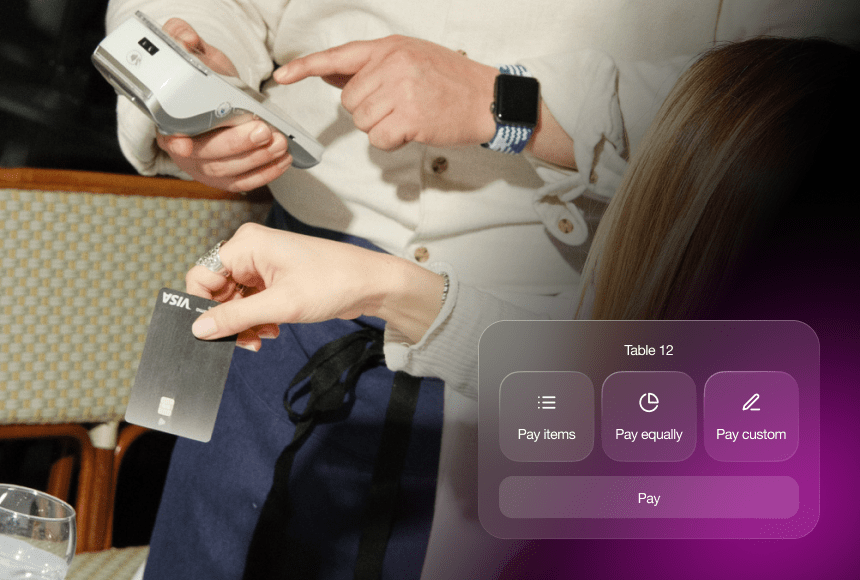
The old days of just having a tip jar at the counter or simply waiting for the final bill to land on the table are passing. Today’s diners expect smooth payment methods that make it convenient to add gratuities. If you want to see more kindness in the form of tips, offer frictionless ways to let them top up the bill.
Classic card readers are fine, but the extra step of prompting a customer verbally (“Would you like to leave a tip?”) can make both parties a bit uneasy. Meanwhile, an advanced payment solution that presents tipping options automatically during the payment flow helps break that awkwardness—and you don’t have to use the word “TPE,” of course.
One practical approach is to use a QR code payment system that instantly pulls up the customer’s tab, letting them add a tip at their discretion. If you integrate that with a table ordering solution or a digital menu, you can remove guesswork and speed up the dine-and-dash routine (in the good sense).
This is precisely where sunday can be a handy ally: with a simple scan of a QR code, guests can settle their bill at their own pace—and the tip prompt is built right into the interface. Many restaurant owners who move to digital payment report not only quicker table turnovers but also higher tip percentages.
7. Promotion and Engagement: Drumming Up Excitement
Mention “January” and the first things that come to mind are often soggy weather and new saving tactics. But that doesn’t mean people have lost their appetite for a good time. Your mission: remind them that life is still worth celebrating, especially if you’re dishing up some superb offerings.
- Themed Events: From a Burns Night dinner (if that suits your style) to a mid-winter tasting menu, events are a fun reason for guests to come out of hibernation.
- Social Media Buzz: Announce limited-time specials, share behind-the-scenes glimpses of your chef in action, or host a “warmest dish” poll. People love interacting when it feels genuine and personal.
- Online Reviews: A boost in your Google review count can draw new diners and remind regulars why they love your spot. Encourage satisfied guests to post feedback at payment—this can happen right after they scan a QR code and leave a tip.
By creating small pockets of excitement, you’re not just generating foot traffic; you’re also setting a positive ambience that predisposes diners to tip. When they feel they’ve taken part in something special, they often express their appreciation in the final bill total.
8. Encouraging Service Excellence: The Heart of Gratuities
Tipping is, in essence, a direct reward for service that goes above and beyond—and January provides a ripe opportunity to sharpen service standards. If your aims are modest, you’ll likely see minimal improvement. But if you encourage top-tier service (even when the tables are half-empty), you stand a stronger chance of offsetting the post-holiday tip lull.
Consider these training focus points for your servers:
- Menu Expertise: Staff who can speak eloquently about each dish’s flavours, origins, and preparation can boost guest satisfaction.
- Reading the Table: There’s a subtle art to knowing when to approach and when to give space. Perfecting this timing can transform a meal into a memorable experience.
- Genuine Enthusiasm: If your team is truly excited about the menu or the restaurant’s ethos, that excitement is contagious. Teach them to share personal recommendations, as this fosters rapport.
Exceeding expectations is a great way to encourage customers to open their wallets a bit more—even if they’re generally watching their finances this month.
9. Motivating Your Staff: Keeping Spirits High in a Slow Month
It’s easy for morale to sink when the pace of service becomes glacial. Energising your employees is crucial because bored or discouraged staff might deliver subpar service, further dampening tip revenue. Here are some suggestions:
- Team Challenges: Create mini-challenges that focus on upselling specials or cocktails, awarding a small bonus to the highest performer.
- Flexible Rotas: Try to manage scheduling so that valued floor staff get a fair share of prime shifts. This helps everyone find a balance.
- Open Dialogue: Check in regularly to understand your team’s perspectives. Are they finding it difficult to spark conversation with guests? Provide tips and examples.
The crucial part is to avoid punishing staff for low tips in January. Instead, highlight opportunities for improvement, share positive feedback, and let them know that the business is behind them. A supportive management approach has a direct correlation with improved service outcomes—and better tips.
10. Making Tipping Noticeable: Displaying Gratitude Mechanisms
Many customers don’t actually mind tipping; they just need a gentle nudge. Have you made your tipping options clear, or is there a subtle suggestion on the bill that’s easy to overlook?
Some restaurants place an optional service charge, but that’s only effective if it’s transparent and properly communicated. Others prefer discreet tip prompts through card payments or QR code solutions, where an automatic suggestion (e.g., 10%, 12.5%, or 15%) appears.
If you employ a QR code payment solution, be sure the tip prompt is both visible and respectful—it should encourage generosity without feeling coercive. Sunday, for instance, integrates tipping options elegantly into the payment flow, making it seamless for the guest and straightforward for the restaurant to manage.
11. Cost-Saving Vs. Guest Experience: Striking the Right January Balance
You might be tempted to streamline costs when revenue dips. However, slashing budgets in the wrong places can backfire, especially if it undermines the customer experience.
Reducing staff hours significantly, for instance, might save on payroll in the short term but also lengthen wait times and reduce table service quality—both of which risk pushing tips even lower. Similarly, if you compromise on ingredient quality, your menu appeal (and subsequent generosity from guests) can suffer.
Instead, adopt a nuanced strategy:
- Inventory Control: Order in sensible quantities; track waste meticulously. Eliminate or rework any unused items that naturally soared during December but aren’t suitable for January.
- More Efficient Shifts: Instead of trimming staff haphazardly, optimise scheduling. Busy weekend nights still require a proper ratio of servers to keep service brisk and spirits high.
- Focus on High-Margin Items: Feature dishes that offer good profitability without sacrificing taste. That helps keep your bottom line positive while enticing guests.
This stance lets you strike a balance between sensible cost management and ensuring customers remain satisfied enough to tip generously.
12. Harnessing Technology: A Modern Edge Against the Slump
In the digital age, technology stands out as a powerful ally in offsetting the January dip. Innovations such as contactless payments, table-side ordering, and solutions like sunday’s QR code payment can enhance customers’ overall experience while subtly encouraging higher tips.
Why does this approach work? Simply put, an effortless payment journey cuts down on confusion and awkwardness. Plus, if guests can quickly and easily complete the tipping process, they’re more likely to do so, rather than hurriedly leaving the restaurant without reflecting on service quality.
Beyond payments, consider:
- Data Insights: Digital tools provide analytics on average spend, popular menu items, and repeat guests, helping you adjust your strategy faster.
- Loyalty Schemes: Digital loyalty programmes can spur repeat visits and strengthen the relationship between your brand and customers—leading to a higher likelihood of tipping.
- Reservation Reminders: Automated text or email reminders for bookings can reduce no-shows in a season when motivation to go out is fragile.
Combining these technologies can help you achieve that frictionless flow customers yearn for in the midst of winter’s gloom.
13. Communicating with Your Guests: Honesty and Appreciation
January is not only about discounts and deals; it’s also about building genuine connections with diners. People appreciate honesty and sincerity. If you’re pushing a special dish to stay afloat during the slump, be transparent. Customers love hearing that their support truly matters, especially at a locally owned restaurant.
Let your staff feel comfortable talking about the new year “reset”, explaining how proud they are of the restaurant’s offerings. This fosters a bond that can do wonders for tips. When guests recognise the human aspect behind their meal—be it a heartfelt recommendation from a passionate server or a simple note on the receipt thanking them for their visit—they’ll often respond with warmth and generosity.
14. Building Momentum for the Months Ahead
While January struggles can sometimes feel endless, keep in mind that this lull also houses an opportunity. You can tweak your menu, refine your staff’s approach, and perfect your payment systems. By focusing on these aspects now, you’ll set yourself up for a stronger, more profitable rest of the year.
The payoff extends beyond January: your changes remain in place well into February and beyond, paving the way for loyal patrons and consistent gratuity levels.
15. FAQ: Holiday Hangovers, Tips, and Your Next Steps
- Why do tips really drop in January?Tips typically fall off due to a decrease in foot traffic after the holidays and diners’ commitments to reduce spending. The colder weather doesn’t help, and many people are simply reeling from December’s expenses.
- Should I add a mandatory service charge to combat low gratuities?Mandatory service charges can work but may irritate some customers if not communicated transparently. Instead, consider a clear suggested tipping option or a discreet automatic percentage prompt via a digital payment method.
- Will advanced payment solutions really make that big of a difference?Yes. Frictionless digital payment tools streamline the final step of the dining experience, making customers more likely to tip. QR code scanning, for instance, allows diners to settle up quickly and add a tip without feeling pressured.
- How can I motivate my team in a slow season?Offer skill-building workshops, small prizes for exceptional service, and schedule fair shifts. Focus on recognition, continuous support, and open communication to keep spirits high.
- Is it vital to revamp my whole menu?You don’t necessarily need a total overhaul. Strategic minor changes—like a seasonal special or a slight refresh to highlight hearty winter dishes—can work wonders to draw customers in and increase average spend.
- Where can I learn more about hospitality trends in the UK?A great starting point is UKHospitality, which offers up-to-date insights and resources for businesses in the sector. Monitoring data from the ONS is also useful for broader economic trends.


 1min
1min
 1min
1min