Cushioning the Lull: The Importance of a Stress-Free Payment Setup for Your Restaurant
January and February can feel like a slow simmer in the restaurant business, but a user-friendly, foolproof payment system can smooth out the bumps. By removing friction at checkout, you retain loyal patrons, encourage spontaneous visits, and keep staff morale high. Small technological upgrades—like robust payment terminals—enable fast, secure transactions and foster trust between you and your customers. Handy features such as tipping prompts or QR-based payments can also boost takings. Focusing on payment ease keeps your operations agile, so you can handle unpredictability without stumbling. Ultimately, investing in simple, reliable technology lifts your reputation and steadies your revenue, even when footfall is lower.
1. Understanding the Quiet Months in the Restaurant Business
For most UK restaurants, the beginning of the year—especially January and February—brings a noticeable dip in trade. Customers are often recovering from holiday spending and adopting New Year’s resolutions that encourage dining at home. While these quieter periods can be a chance to recalibrate, they also pose certain challenges. One significant area that deserves attention is how your payment process functions when footfall is low.
Why does this matter, you might wonder? Because reliable, no-fuss payment terminals can make the difference between barely scraping by and building future loyalty. When business slows, every customer counts more than ever. Providing a seamless, confident payment experience shows diners you care about their time and comfort, inspiring them to return when busier seasons roll around.
I’ve seen restaurant owners focus heavily on décor, menus, and marketing campaigns while neglecting the final step their customers experience: settling the bill. A single glitch at the payment stage can frustrate your guests, overshadowing an otherwise enjoyable meal. By ensuring your card machines and digital payment options run smoothly, you reduce friction, keep staff morale high, and preserve your reputation.
2. The Financial Impact of Payment Glitches
During peak months, you might get away with a slightly clunky payment process because a stream of new customers can offset the occasional annoyance. However, in quieter times, each transaction is critical. Any system crash or card terminal malfunction risks losing not just a single sale, but potential repeat business.
Revenue in the UK hospitality sector often follows seasonal trends. According to data from the Office for National Statistics, consumer spending typically dips in the first quarter of the year. When fewer people are dining out, every transaction makes a bigger difference to your bottom line. A glitchy payment terminal might lead to:
- Abandoned transactions and lost sales
- Extended table turnover times, creating an empty dining room for new guests
- Unhappy customers leaving negative online reviews
- Frustrated staff who feel powerless to resolve technical issues
At the end of the day, this adds up to a hit on your revenue. Additionally, frustrated staff and disgruntled customers can quickly tarnish your restaurant’s reputation. Word travels fast, especially in local communities. Ensuring your payment system is up to standard is a simple step that has a direct impact on keeping revenue and morale buoyant.
3. Why Simplicity Takes Centre Stage
Samuel, the owner of a neighbourhood bistro in Leeds, recently shared that he struggled with an overcomplicated payment system. “In quiet times, you don’t want customers standing around waiting for us to figure out how to split a bill,” he said. “They lose patience and I lose credibility.” This anecdote captures the importance of simplicity.
It’s not enough for a card machine to boast a laundry list of features. In many restaurants, staff just need a dependable device that accepts major cards, contactless payments, and ideally works swiftly with minimal button presses. If it’s a fancy device but takes ages to print receipts or has a labyrinth of menus to navigate, the perceived sophistication doesn’t help. Working with a system that prioritises speed, user-friendliness, and reliability means staff can offer an attentive, effortless service.
Today, many payment solutions also integrate with loyalty programmes, QR code payments, and even direct tipping prompts. Functionality is great, but it needs to be accessible, clear, and easily understood by both staff and customers. Each additional complication risks friction. When footfall is low, friction is the last thing you need.
4. Technology That Helps During the Lull
4.1 Embracing Contactless and Mobile Payments
Contactless, mobile, and QR-based payments are increasingly popular in the UK. According to UK Finance, contactless constitutes a large share of everyday transactions. Adopting these methods can speed up checkout, reduce queue times, and offer diners peace of mind that you’re using modern, hygienic practices.
During slow periods, a quick and seamless contactless transaction helps you handle spikes in traffic with ease. If a sudden table of six arrives, your staff can manage the payment process without confusion or bottlenecks.
4.2 Automating Service Charges and Tipping
Gratuities and tips are a vital part of your staff’s income. By offering a gentle tipping suggestion on the terminal or via QR code, you encourage fair compensation without making guests feel pressured. This can be especially welcome in months when the total number of diners is lower—staff still need to pay their bills.
A well-designed payment interface might display tipping options (e.g., 10%, 12.5%, or 15%), letting diners quickly select their preferred amount. By making tipping transparent, staff morale remains higher, even when stations aren’t as busy. This collective positivity often leads to better service, and better service leads to returning customers—even if they’re not in a spending frenzy post-Christmas.
4.3 Real-Time Inventory and Reporting
One overlooked advantage of a good payment system is linking transactions to real-time inventory and revenue reports. While you don’t need to be a data scientist, basic insights can help you see which dishes are selling and which ones might be missing the mark. This is particularly useful in quiet months, when you want tight control over stock.
Less spoilage, less waste, and fewer unsold items translate into more profit. Linking your payment terminal to a restaurant management system makes it easier to track these metrics without having staff do manual tallies. Quieter months are also a fine time to experiment with limited-run menus, giving you a chance to see how new offers perform without destabilising your core business.
5. Building Customer Confidence with Reliable Payments
Diners’ confidence in your restaurant extends beyond the meal itself. Any sense that your operations are out of date or unreliable—like frequently disconnecting card machines—can inspire doubts about whether hygiene or food quality is similarly neglected. In other words, poor payment experiences can unintentionally tarnish your entire brand.
Meanwhile, if everything runs like clockwork, guests often walk out thinking, “This place is well-run; I’ll definitely come back.” Positive second impressions matter in slower periods when you can’t rely on footfall alone. Simple, dependable payment processes allow you to showcase your professionalism. It also fosters trust: in case a diner has a question about their bill, you can quickly and accurately resolve it.
6. Making the Most of Reviews and Feedback
Another angle that’s extremely relevant is leveraging quiet months to capture and act on guest feedback. With fewer dining tables turning over, you have an opportunity to engage customers more personally. If your payment terminal or app politely prompts diners to leave a Google review after completing their payment, you could collect a treasure trove of testimonials without seeming pushy.
A neat approach is to integrate a short, frictionless review invitation right after payment. Tools like Trustpilot or Google Reviews are standard in the UK, and many customers respond well to a straightforward request, especially if they’ve just enjoyed a smooth transaction and great service. Over time, these positive reviews can lead to better online visibility and drive fresh customers to your doorstep—even in typically quieter times.
7. Why Reliability Counts Even More Under Pressure
“Quiet months” can be misleading. While you may have fewer total diners per day, you can still face sudden rushes, such as a local sports club booking or a celebratory meal for a small group. If your terminal is slow or prone to freezing, you risk fumbling at the worst moment.
That one badly handled rush can cancel out an entire week’s worth of good service. The last thing any restaurant owner wants is to fumble with cables and reboot devices while customers stand awkwardly, coats on, ready to leave. Staff frustration multiplies, and any sense of flow or ease evaporates.
Conversely, a robust and reliable card machine or digital payment solution reacts gracefully under sudden influxes. Confidence is contagious; staff who trust their technology exude calm competence, which in turn reassures customers. During quiet times, you can’t always predict when a surge will happen, but you can predict how your system will handle it—if you choose the right technologies.
8. Creating Operational Efficiency for your Team
Quiet periods provide a great opportunity to streamline your internal processes. Payment systems that handle tasks like splitting bills, adding promotional codes, or applying gift cards can free up staff to focus on the people actually dining. When your staff is able to devote more energy to table service, diners are more likely to order an extra dessert or coffee, and far less likely to leave with any hesitations that might keep them from returning.
Additionally, an easy-to-use payment terminal means new hires can be onboarded quickly. Restaurants that rely on seasonal staff often face the challenge of training newcomers on complicated systems. With straightforward technology, your team can spend less time in training and more time creating a welcoming environment.
9. A Quick Side Dish: The Role of Aesthetics
Even in payment terminals, looks can matter. Today’s best devices are small, wireless, and sleek—there’s value in using terminals that align well with your restaurant’s ambience. On a subconscious level, the equipment you use can signal modernity and credibility to your guests. This matters in competitive urban centres as much as in cosy rural pubs.
While reliability is the main course, presentation can be a lovely side dish. A compact, smart-looking terminal that doesn’t require messy wires can complement an elegant dining room. When diners see that each aspect of your restaurant, from décor to payment, is thoughtfully considered, they’re more inclined to leave with a positive overall impression.
10. Practical Tips for Transitioning to a Better Payment System
If you’ve recognised it’s time to simplify or upgrade your payment technology, the next question is how to do it without disrupting your daily operations. Here are a few pointers:
- Plan your rollout: Test new devices or software during off-peak hours or at a single point-of-sale before applying changes restaurant-wide.
- Involve your staff: Seek feedback from your front-of-house team—after all, they’ll use the system daily. Their insights can help you choose a user-friendly option.
- Request vendor support: Reputable providers can offer on-site training or remote guidance. During a quiet month, scheduling a comprehensive demo session is easier.
- Keep a backup: Even the best systems can fail from time to time. Make sure you have a backup process in place, whether that’s a spare terminal or an alternate payment method.
- Monitor transaction data: Once you’ve upgraded, track the metrics (faster table turnover, fewer voided transactions, or improved tips) to see immediate benefits.
A well-structured plan ensures you don’t miss a beat in service quality. Quiet months often represent an ideal window for installing or learning new tech, given staff are less stressed with daily footfall.
11. The Power of Conversation and Cross-Promotion
Quiet times can also be ripe for conversation at the table. With fewer orders piling up, staff might have extra time to chat. They can use the payment process as a natural transition to mention promotions, special tasting menus, or upcoming wine pairing events. Instead of rushing customers out, you can softly market future experiences.
When staff have to wrestle with an uncooperative machine, the moment is usually lost. Instead of a friendly chat about the next themed dinner event, the conversation devolves into apologetic fumbling. Upgrading your payment terminal thus indirectly helps with cross-promotion and upselling, as staff remain in control of the transaction and can focus on customer engagement.
12. Gentle Nudges for Customer Loyalty
Great payment solutions let you embed loyalty schemes or discount codes seamlessly. For restaurants keen to boost return visits, offering a small nudge during the payment process—like awarding points or stamping a digital card—can be highly effective. When it’s simple for both staff and customer, it doesn’t feel pushy but rather a “thank you” for their patronage.
Imagine adding a small prompt on the payment screen: “Enjoy 5% off on your next visit. Confirm to save your voucher?” If the diner only has to tap once, they’re more likely to do it. Repeat business is lifeblood for many eateries, especially when everything else in the economy feels uncertain. Harnessing a calm environment to refine and test loyalty strategies is a smart move for long-term growth.
13. Acting Ethically and Inclusively
It’s also important to incorporate inclusive language and accessibility features in your payment setup. For example, if some of your clientele might have visual impairments, a screen that’s easy to read and has high contrast can make a big difference. If you employ staff who might have different comfort levels with technology, well-structured training and intuitive design are essential.
Quiet months offer a chance to focus on making your restaurant an inviting space for everyone. This extends to the final stage of their dining experience: the transaction. Ensuring that your payment system can accommodate various needs shows respect for your diverse clientele.
14. A Quick Glimpse at Performance Metrics
| Metric |
Peak Season (Dec) |
Quiet Season (Jan-Feb) |
| Average Transactions per Day |
200 |
100 |
| Payment Terminal Downtime |
5% |
10% |
| Negative Payment-Related Feedback |
2% |
8% |
The table above is a hypothetical snapshot illustrating how the quiet season can exacerbate the impact of downtime or negative feedback. When you only have half as many daily transactions, a single failed payment process can double your percentage of dissatisfied customers. This underscores why a stable system can be even more vital in the lull.
15. sunday: Simplifying the Payment Experience
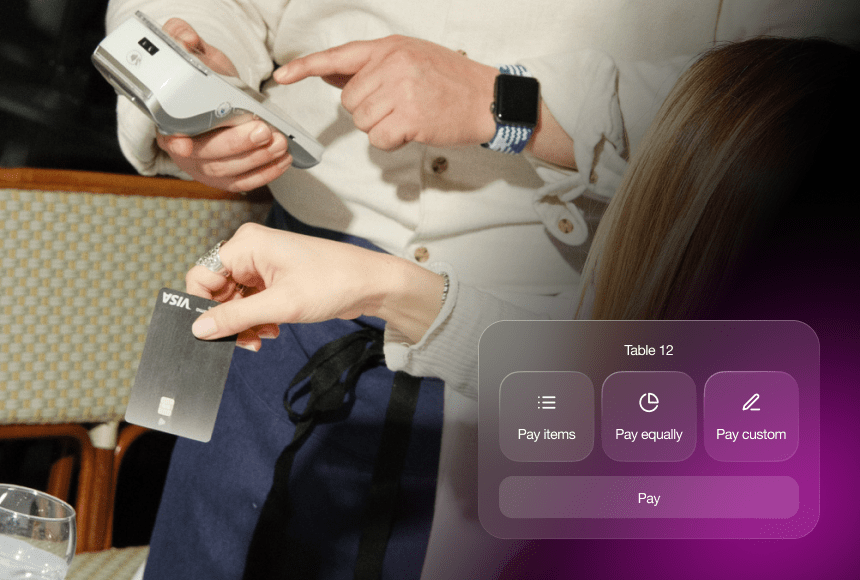
If you’re considering upgrades, solutions like sunday offer a smooth path to better customer experiences. With sunday, restaurant guests can scan a QR code right at their table to settle the bill, leave a tip, and even post a Google review without rummaging for a loyalty card or waiting for a staff member to bring the machine. Less waiting, more delight.
This kind of integrated tool helps you stand out when fewer diners are out and about. You can easily invite guests to share their feedback online or sign up for your loyalty programme. Because everything is digital and streamlined, staff can dedicate more of their time to engaging with customers, rather than juggling receipts and terminals. That’s a huge advantage when you’re trying to make every table count.
16. FAQ
Below are common questions restaurant owners in the UK often ask about choosing and utilising payment terminals.
Q: How do I decide if my current payment terminal is slowing operations?
A: Monitor how long it takes to process individual transactions, and ask your staff about issues they commonly face. If staff members are frequently apologising for slow card readers or re-entering transactions, it’s time to consider an upgrade.
Q: Is it worth integrating an online review request into the payment process?
A: Absolutely. Online reviews often work like word-of-mouth on steroids. Prompting for a quick review—especially right after a smooth payment—can increase your positive feedback. Just make sure the request is polite and easy to skip if the customer isn’t interested.
Q: Should I worry about security when upgrading my card machines?
A: Yes, security is crucial. Choose devices and software that are PCI-compliant and offer end-to-end encryption. Keep firmware and software up to date to protect against vulnerabilities. A reputable provider will guide you through all these steps.
Q: How do I handle customers who still prefer cash?
A: While digital payments are on the rise, it’s wise to accommodate all customers. Keep a functional till and ensure staff know how to handle cash properly. Over time, you can gently encourage digital payments, but remain inclusive of different preferences.
Q: Are integrated loyalty schemes and promotional codes truly beneficial?
A: They can be, especially when they’re not intrusive. Simple pop-ups or prompts during payment remind diners they can save on a future visit or rack up points. Over the long run, these schemes help boost repeat business, a major plus in quieter periods.
When you invest in a straightforward, trustworthy payment terminal—especially one that integrates extras like QR payments or tipping prompts—you’re enhancing the overall guest journey. Even in quieter months, hospitality is all about making customers feel valued from the moment they arrive until they head home. Smooth, trouble-free payments help you retain goodwill and grow your business well beyond seasonal slowdowns.


 1min
1min
 1min
1min