Embrace Tech This January: The Power of Digital Menus
January often means new beginnings and new menu ideas. Digital menus help you respond quickly to changing trends, seasonal ingredients, and budget shifts. They save on printing costs, reduce waste, and simplify real-time updates. They also create a smoother ordering experience and can help boost revenue through attractive visuals, upselling suggestions, and integrated promotions. Above all, these menus enable flexibility to test new dishes, measure feedback instantly, and connect with diners more effectively. By embracing digital menus, you can gain precise control over your menu’s direction this January while future-proofing your restaurant for months and years to come.
1. Why January Sparks Menu Changes
January represents a new chapter for everyone, including restaurant-goers. Diners either start new diets, become more health-conscious, or look for comfort meals that chase away the cold. It’s also a time many restaurants switch from holiday-themed specials to hearty winter dishes, along with vegan or low-calorie items for those who’ve made New Year’s resolutions.
- Seasonal availability: Produce options shift in January, with certain vegetables and meats becoming more or less available.
- New trends: Trends such as “Veganuary” or “Dry January” can influence customers’ choices, pushing restaurants to introduce alcohol-free cocktails and more plant-based offerings.
- Financial realities: After December festivities, many diners watch their budget more carefully, so offering cost-friendly meals or promotions can be a winning strategy.
Traditionally, a January menu revamp means printing fresh menu cards, training staff on the new offerings, and hoping you didn’t invest too heavily in items that won’t sell. Any changes after printing can be expensive to fix. All these obstacles melt away swiftly with digital menus, making them a near-perfect solution for this time of year.
2. The Rise of the Digital Menu
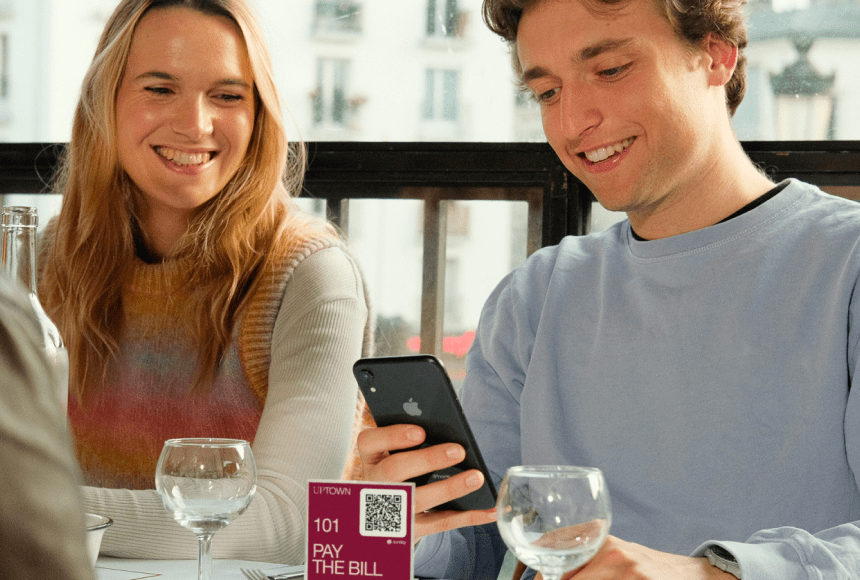
Printed menus have their charm, but digital alternatives are increasingly becoming the norm. You’ve likely experienced a QR-code menu: you scan it, your phone opens up a simple page, and there it is—an up-to-date, visually appealing menu.
In the UK restaurant scene, this shift accelerated rapidly during the Covid-19 period, when contactless solutions became essential. Even now, dine-in customers appreciate the convenience of scrolling through a menu on their phone. Indeed, according to a BBC Business report (bbc.co.uk/news/business-53850164), digital solutions in the hospitality sector jumped by double digits across the country since 2020.
A digital menu helps you instantly adapt to the day’s specials, remove items that have sold out, and keep pricing accurate. That kind of flexibility is especially vital in January, when your menu could evolve multiple times in just a few weeks.
3. Updating Menus in Real Time
One great advantage of digital menus is that you can update them whenever you like, without reprinting or manually crossing out old dishes. Let’s say you introduce a new winter root vegetable soup. If it sells out by mid-afternoon, you can log into your digital menu system, remove that soup, and highlight a backup special. Instead of printing fresh menus or explaining to each table that you no longer have the soup available, you simply edit your online menu. Customers scanning the QR code will see only the updated list.
- Seasonal promotions: Launch a special discount on a hearty lunch meal when foot traffic is slow—then end it if you’re at capacity.
- Instant allergen information: If you change ingredients or improve a recipe to remove common allergens, update the details in seconds.
- Consistent brand image: You can refresh fonts, images, and layout to fit your January vibe—warm, cosy, or new-year inspired—without a graphic designer on speed dial.
With reliable digital menu technology, you control the pace of your menu changes. No more waiting for your print shop to deliver new copies. No more reliance on outdated PDF files. Menu changes become a simple click away.
4. Better Engagement and Upselling
January can be a slower period for restaurants, so capturing every possible opportunity is key. Digital menus aren’t just about convenience; they’re also a marketing and engagement tool. By using tempting images, bold calls to action, or limited-time offers, you can pique customers’ curiosity and prompt them to spend a bit more.
Imagine designing a feature dish called “New Year’s Detox Salad”—complete with vibrant pictures and a small side note that it pairs perfectly with your homemade infused water. A digital menu lets you showcase such pairings beautifully. You can test which shots or descriptions generate the most orders and then fine-tune accordingly.
- Highlight new items: Position your seasonal or healthy dishes prominently, measuring in real time whether they’re selling.
- Data-driven upselling: Some digital systems provide data insights, so you see which items customers add to their ‘virtual basket’. That helps you know which suggestions or combos are most successful.
- Attractive visuals: From mouth-watering photos to short, fun descriptions, digital menus let you show off your dishes in ways a paper menu can’t.
January might be quiet, but it can also be an excellent moment to experiment with digital strategies and meet pent-up demand for fresh, new experiences.
5. Cutting Costs and Waste
Let’s face it: printing costs add up quickly for a restaurant. Every time you change a dish name, recalibrate a price, or switch specialities, you face additional printing expenses. If you’re trying out a few recipe variations in January, that can get expensive—and time-consuming—very fast.
Digital menus remove that expense. No printing, no reprinting, and no stockpiling of old menu sheets. Beyond saving money, you also reduce paper waste, which is a small but tangible step toward improved sustainability. Diners increasingly value eco-friendly practices, and eliminating paper menus can feed right into a green brand image. Meanwhile, you test items freely. If a new dish doesn’t work out, you can simply remove it from the digital menu without wasting resources.
According to the UK government’s Hospitality and Leisure Industry data (www.gov.uk/government/collections/hospitality-and-leisure-industry), many dining businesses are looking for ways to be more competitive and environmentally responsible. Digital menus are a straightforward solution that addresses both cost control and eco-consciousness, leaving your guests impressed by your forward-thinking approach.
6. Cultivating a Contactless, User-Friendly Experience
Even as pandemic limitations relax, the preference for contactless or low-contact solutions remains strong. Customers became accustomed to scanning a QR code for menus, paying via their phone, and leaving the restaurant without physically handling anything beyond their own personal devices. That desire for convenience hasn’t vanished—it’s become the new standard.
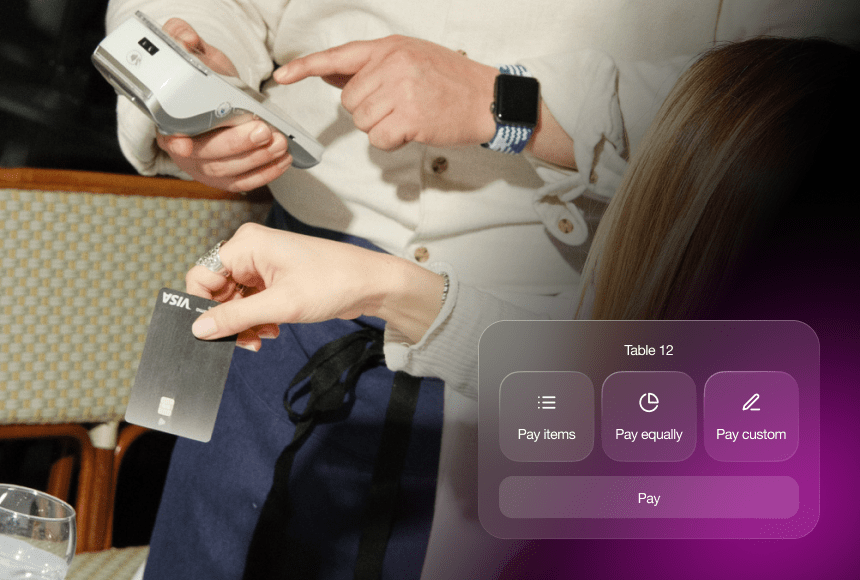
Digital menus make the entire process smoother, especially if they integrate with a card machine or a broader point-of-sale system. If you use a modern payment solution like sunday, customers can also settle their bill right from their digital menu, add gratuities with a simple tap, and even link directly to your restaurant’s Google Business page to leave a glowing review.
This synergy between quick menu navigation and fast payment fosters a more streamlined dining journey. You remove friction. You let your staff focus on genuine hospitality—introducing daily specials, checking on guests, ensuring everyone feels welcome—instead of juggling big printed menus and worrying about updates. January, with its calmer atmosphere, is the perfect month to test how these new workflows can improve your restaurant.
7. Personal Touch Without the Paper
Some restaurant owners worry that digital menus may feel too impersonal. After all, handing out a hefty menu or describing dishes face-to-face might seem more traditional and “human.” But digital solutions can be equally personal, if not more so, when combined with well-trained servers who remain attentive and engaged.
Instead of reading from a script, your servers can spend time forging genuine connections, answering questions about the menu, and making suggestions. Meanwhile, your digital menu can carry a friendly tone—giving each dish a short anecdote about its origin or a fun fact about its ingredients. A personal note from the chef, or even a short “We love these winter beets from our local farm!” line, can speak volumes about your ethos.
By providing both a digital interface and supportive staff, you strike a unique balance: the convenience of technology blended with the warmth of human hospitality.
8. Simplifying Allergen and Nutritional Information
January is often a time for new diets and health goals. Whether your guests are trying a high-protein plan or focusing on vegan meals, offering clear and updated nutritional details can be a massive draw. Printed menus typically limit what you can say unless you have sprawling pages of fine print. Even then, they can be cumbersome or prone to oversight when recipes evolve.
With a digital menu, all relevant details are a tap away: calorie counts, salt content, potential allergens, vegetarian or vegan symbols, and more. If that new soup contains nuts, you can highlight it immediately. If you modify an existing dish to remove gluten, you update the digital label once, and it’s correct for everyone who scans it going forward.
Given the serious nature of allergen compliance in the UK, having an up-to-date, accurate menu is a must. Digital tools help you stay consistent with legal requirements and reassure guests who need accurate information before placing an order.
9. Speedy Implementation: Embracing Change Quickly
One advantage of digital menu systems is that they’re often easier to implement than many restaurateurs expect. If you were thinking of switching to digital in February or March, consider doing it in January itself and making an immediate impact during your menu refresh. This quieter spell in the calendar can be the ideal test period, letting staff get comfortable with the new approach before the busier days return.
- Create or upload your design: Many providers supply user-friendly platforms where you can customise colours, fonts, categories, and images.
- Print QR codes for tables: You only need small table stickers or placeholders that, once set up, don’t require constant replacement.
- Train staff: Show your team how to update dish descriptions, toggle availability, and guide customers to use the system if they’re unfamiliar with QR codes.
Once it’s all set, keep an eye on how customers interact. Gather feedback, make improvements, and celebrate small wins. Before long, it becomes an effortless part of your restaurant’s identity.
10. Boosting Customer Feedback and Online Visibility
January is a great time to actively encourage reviews. Customers who might not have rushed to write a review in December (perhaps due to holiday frenzy) might be willing to give a thoughtful take in the new year. A digital menu that integrates with a payment solution can prompt guests to leave feedback right after they settle the bill. One or two taps, and they can post a rating or quick review that potential diners will see on Google.
These genuine reviews help you refine your new January dishes and drive online visibility. When people search for restaurants serving, say, “healthy winter menus” or “plant-based comfort food,” your well-reviewed spot might appear in their results. This synergy of real-time updates, easy payment, and quick review pathways can steadily build your reputation, ensuring your January efforts have a lasting impact.
11. Encouraging Return Visits with Digital Menus
Smart restaurateurs know how valuable return diners are. When a customer sees you’ve fully embraced digital convenience in January—just as they’re exploring new habits and tastes—they’re more likely to return. Maybe they love the idea that you can adapt your menu on the fly or appreciate that you provide detailed allergen info. Whatever the hook, digital menus create an ongoing dialogue between your restaurant and its patrons.
For instance, with integrated solutions, you might set up promotions that appear during checkout or highlight upcoming events. A diner who clicks “Pay” might see a quick note: “Join us next week for our Burns Night special!” If they enjoyed their meal, they’re more inclined to mark that date in their diary.
12. Practical Tips for a Smooth Transition
Shifting to digital menus can go off without a hitch if you anticipate common issues upfront. Here are a few practical tips:
- Stable Internet Connection: Ensure your Wi-Fi is stable, or if you have a weak signal, invest in a reliable router so customers experience minimal loading delays.
- Device Compatibility: Test your digital menu on a variety of smartphones to confirm it displays correctly (iOS, Android, various screen sizes).
- QR Code Placement: Position your codes where they’re easy to see on the table, but not likely to be covered by plates or condiments.
- Educate Your Staff: Encourage them to assist customers who are less tech-savvy. Sometimes a brief explanation is needed, but that’s often enough to win over even the most traditional diner.
- Keep It Up to Date: If you’re promoting a fresh January dish, label it as ‘NEW’ or ‘January Special’, and remove it when no longer relevant—your updates must reflect real availability.
Following these steps sets you on a path to successful digital transformation—from day one of your January menu refresh.
13. The Role of Payment Solutions like sunday
Digital menus integrate seamlessly with contactless payment solutions, removing friction from your workflow. With a solution such as sunday, guests use their smartphones to check the menu, order, pay at their convenience, add a tip if they wish, and potentially leave a quick Google review. This synergy boosts your table turnover because customers can pay without waiting for the bill to arrive. It also reduces errors on orders and fosters a sense of autonomy among diners.
When you combine a flexible digital menu with a streamlined digital payment solution, you are effectively closing the loop: from browsing the day’s offerings to capturing feedback. This holistic approach can help your restaurant stand out in a crowded market, particularly during those calmer January weeks when you’re fine-tuning crucial details for the rest of the year.
14. Future-Proofing Your Restaurant
While the impetus for switching to digital menus might be to handle January changes more gracefully, the benefits reach far beyond. Interactive menus can become a core pillar of your restaurant’s identity, helping you attract a tech-savvy crowd and keep ahead of shifting consumer expectations. Even as trends or technologies evolve, you’ll already have the infrastructure to adapt quickly.
It’s not just about coping with the post-holiday slump; it’s about building a robust platform that supports your creativity, protects your finances, and offers customers the modern convenience they have come to expect. By hopping onto digital menus now, you set yourself up to ride the wave of future innovations in the years to come.
15. A Small Step, a Giant Leap
Adopting digital menus is like taking a small step that yields big rewards. True, it requires initial coordination, some staff training, and maybe a bit of coaxing for the occasional diner who misses a paper menu. But you’ll likely find that the overall response is positive and that your team quickly sees the perks—especially when it comes to those last-minute January tweaks.
Whether you’re adding brand-new items, scrapping them, or adjusting your pricing after the festive season, the chance to do so at the tap of a button is liberating. Instead of dreading menu changes, you can welcome them. Your guests benefit, your staff benefit, and your bottom line benefits.
FAQ
How can digital menus help me during slower weeks in January?
Digital menus let you adapt day by day—easily adding limited-time offers or removing slow sellers. This keeps your menu appealing and relevant, which can boost sales even in quieter periods.
Are digital menus complicated for customers who aren’t tech-savvy?
Most people now have a smartphone and understand the concept of scanning a QR code. You can train your servers to offer a quick demo or have a small graphic showing how to do it. In practice, digital menus are usually user-friendly, even for newbies.
Is it expensive to set up a digital menu platform?
Costs vary depending on the provider, but many solutions offer affordable plans that are quickly offset by the savings on printing. In many cases, the month-to-month costs are lower than frequent reprints, especially if you change your menu often.
Do I need any special devices at each table?
No. A simple table sticker with a printed QR code is enough. Diners just scan the code with their phone’s camera to open the menu.
Will digital menus integrate with existing point-of-sale systems?
Many digital menu solutions are designed to integrate with modern POS and payment platforms. This enables automatic updates, easy item management, and a smooth user experience for both staff and customers.


 0min
0min
 0min
0min