Meeting British Diners’ Value Expectations for 2024
British diners are becoming more cost-conscious, eager for high-quality but affordable menu options, and keen on personalised experiences that justify every pound spent. At the same time, they crave responsible and sustainable choices, along with convenient digital solutions that enhance their dining journey. Offering fair but flexible pricing, streamlining operations, training staff to ensure consistently warm service, and adopting smart payment tools all play vital roles in projecting real value. In times of rising costs, balancing profitability with diners’ expectations is more important than ever. Keeping an eye on emerging trends and harnessing technologies like QR code payment solutions can help restaurants stand out and thrive this year.
1. Gauging the Modern Meaning of “Value” in the UK
In many ways, “value” has become a broader concept. British diners don’t simply compare the final bill to the quantity of food they receive; they consider the overall experience from start to finish. Serving large portions at discounted prices no longer wins hearts unless complemented by quality and a satisfying customer journey. As you know, delivering value means ensuring that what you offer resonates with customers’ lifestyles, ethics, and sense of satisfaction.
Why has this perspective taken hold? Because Brits have become increasingly cautious with their spending over the past few years. From shifts in household incomes to evolving work habits, the restaurant visit is often seen as a treat. Diners want assurance that their treat is worthwhile—be it an after-work bite or a weekend family gathering. According to data from UKHospitality, more than half of UK consumers are paying closer attention to where their money goes. This presents both a challenge and a chance for you to shine.
2. Quality Meets Affordability
Although people want a fair price, they won’t forgo quality. Think about simple touches that elevate dishes without sending costs skywards. For example, homegrown produce can be a strong selling point, as it sends the message that you care about freshness and local businesses.
Here are a few ways to nail that sweet spot between cost and quality:
- Local Sourcing: Partner with nearby farms or artisanal suppliers for fresh ingredients.
- Seasonal Menus: Adjust your menu to feature what’s in season, which often yields better pricing and flavour.
- Smaller Menus Done Well: Focusing on fewer dishes can help you maintain tight control over food costs, while pushing up overall quality.
These strategies not only reduce waste but also let your chef’s creativity flourish. Diners feel they’re paying for something special and thoughtful, rather than generic mass-market fare.
3. Transparency Is Non-Negotiable
Few things matter more to a value-conscious patron than honest communication. If you’re using premium cuts of meat or reworking your supply chain to support local fisheries, highlight it. Make it easy for customers to understand the story behind your dishes. This is especially relevant if you’re making ethical or sustainability-focused decisions in your sourcing.
Transparency goes beyond ingredients. If your prices went up slightly to accommodate higher staff wages—potentially ensuring better service—tell your guests. People are often more receptive to changes if you share the “why,” which can reinforce the sense of value they get from dining at your establishment.
4. Embracing Responsible Indulgence
British diners, especially those who dine out more frequently, are developing a pattern of “responsible indulgence.” Simply put, they still want a slice of dessert, but they’d like to know it’s made from quality, sustainable ingredients. Or they might pair that indulgence with an alcohol-free cocktail to keep the experience balanced. In many ways, they’re happy to spend a little more for dessert or a main course if they believe in the supply chain and manufacturing processes behind it.
When deciding on your menu, consider offering substantial vegetarian and vegan options. These can cater to a broad audience, including flexitarians who are cutting back on meat for environmental reasons. If you can demonstrate that your vegan burger is as mouth-watering as a classic beef patty, while being planet-friendly, you’ll earn major trust points.
5. The Power of Personalisation
What better way to offer value than through personalised experiences? Even small touches—like tailoring spice levels or offering a choice of sides—can create a sense of exclusivity. Diners remember the feeling of being special, and they’ll talk about it long after they’ve paid the bill.
This becomes especially effective when you integrate digital solutions. For instance, enabling your customers to order directly from their table using a QR code-based menu can store their preferences (with proper data privacy in place), making repeat visits more enjoyable. A returning couple might appreciate being reminded of their favourite bottle of wine or recommended new dishes based on their past orders. Such courtesy fosters loyalty in the long run.
6. Streamlining the Payment Journey
No one wants to wait an eternity to settle the bill, especially if the rest of the meal went off without a hitch. These days, Brits expect fast and flexible payment methods that let them tip in a discreet, frictionless way. If the payment process is tedious—waiting for a server to bring the card machine, entering the tip, keying in the PIN while others watch, or standing at the counter as the queue grows—customers may feel that something is amiss, overshadowing all the positives of their dining experience.
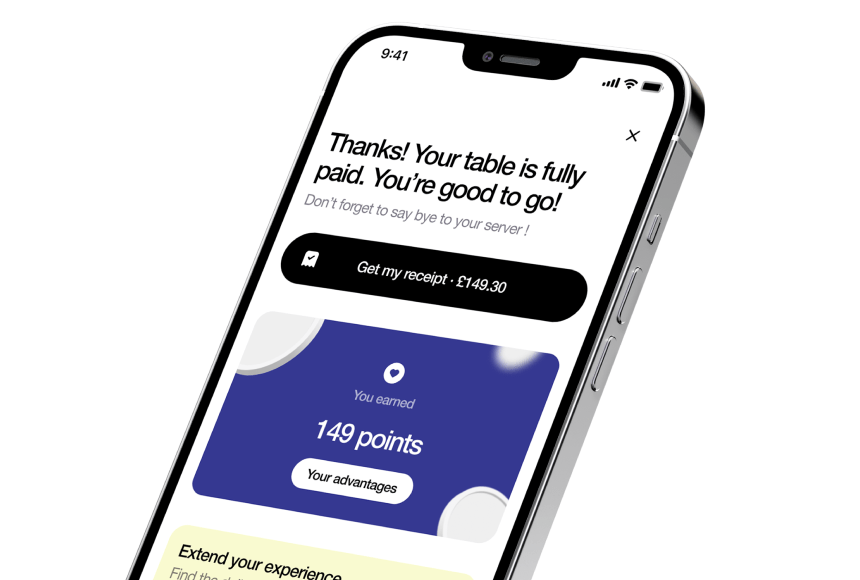
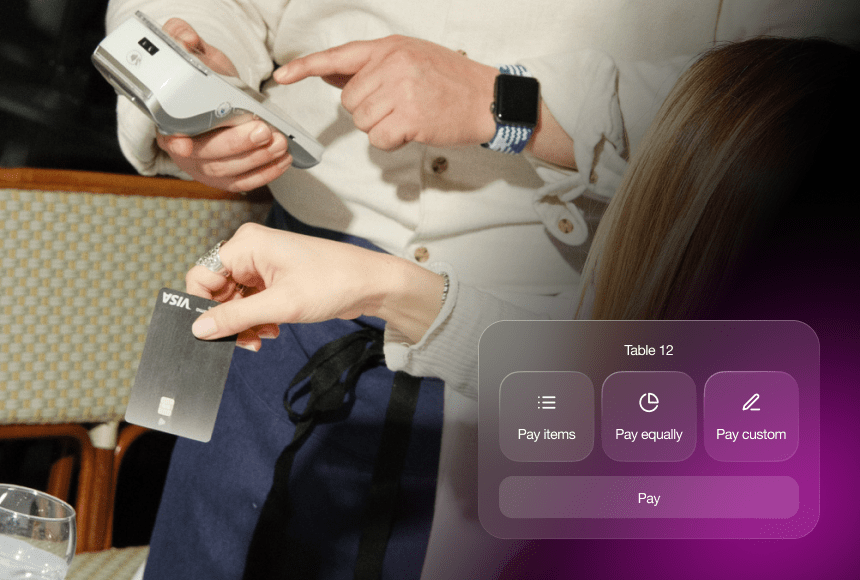
That’s where new digital payment solutions like sunday come in. With sunday, your guests can scan a QR code at the table, split the bill if desired, leave a tip easily, and post an online review on Google— all with a few taps on their phone. Think of it as trimming away the fat that frustrates diners. By simplifying the process, you end on a positive note, letting customers get on with their day or evening without delays. Meanwhile, your staff have more time to engage with guests or focus on other tasks, improving overall service and boosting table turnover rates.
7. Training Your Team for Warm Service
Excellent service shapes the perception of value more than most factors. You can have outstanding menu items, comfortable décor, and streamlined payments, but if your servers are aloof or disorganised, customers may leave feeling short-changed. In an ideal world, your waiting staff should exhibit:
- Product Knowledge: They must know the menu inside out so they can give recommendations that suit different tastes and budgets.
- Empathy: A smile goes a long way. So does listening attentively when a diner has a question or concern.
- Efficiency: Polite, prompt service without rushing or ignoring the table’s needs.
Besides delivering a positive experience, a fantastic front-of-house team can handle small issues quickly, preventing them from turning into online rants. And in an era when every reviewer can be a mini-food-critic, stellar face-to-face service helps reinforce the idea that your eatery offers real value.
8. Getting Creative with Offers and Loyalty Programmes
There’s a fine line between discounting and devaluing your brand. The last thing you want is to end up in a price war with the restaurant next door. Instead, think of creative strategies to reward loyal customers without branding yourself as a cheap option. Here are a few tips:
- Exclusive Previews: Offer your regulars a sneak peek at a new seasonal menu or invite them to a tasting event.
- Bundled Deals: Pair a starter or dessert with a main at a value-driven price, highlighting the combined savings.
- Staggered Rewards: Instead of a flat discount, set up a system where repeated visits unlock more perks, such as a complimentary glass of wine or a new dish on the house.
Loyalty programmes go hand-in-hand with modern payment technologies. For example, you can digitally track visits and spending habits, automatically issuing rewards that fit each guest’s preferences. This strengthens your relationship with returning diners while making them feel recognised and appreciated.
9. Overcoming Rising Operational Costs
From increasing energy bills to staff shortages, UK restaurant owners are grappling with a range of challenges that affect how they provide value. It’s tough to offer top-notch service at an attractive price when gas and electricity costs continue to climb. But tough doesn’t mean impossible. Consider these approaches:
- Energy Efficiency: Switching to LED lighting, optimising kitchen equipment, and monitoring usage can help in cutting bills.
- Smart Scheduling: Use data and digital tools to forecast busy times so you can staff more strategically.
- Simplify Your Menu: Eliminating less popular dishes reduces waste, labour, and inventory costs, all of which can be redirected towards offering better value in your core items.
By trimming unnecessary expenses, you can often preserve the quality your diners expect without pushing menu prices to uncomfortable levels. Each cost-saving measure can allow for more creative reinvestments—whether it’s a new seasonal promotion or additional staff training—leading to better experiences all round.
10. Designing an Atmosphere Worth Paying For
Value includes more than just what customers taste on their plates. It’s also about how they feel in your space. If your dining room is cramped, loud, or lacks a coherent theme, guests might wonder whether they’re getting their money’s worth—even if the food is superb.
Here are a few tips for an atmosphere that boosts perceived value:
- Seating Comfort: Ensure enough space between tables for a bit of privacy and easy movement.
- Lighting: Opt for warm, welcoming lights that flatter people’s faces and set the right mood—be it casual brunch or a formal dinner.
- A Thoughtful Playlist: Choose music that complements your brand without drowning out conversations.
- Décor with a Story: Showcase local art or design elements that tie into your restaurant’s concept. This can turn a simple visit into a small cultural journey.
When a customer steps inside, they should be able to sense your unique identity, from the menu font to the colour of the napkins. Cohesiveness is key to making guests feel they’re in an environment worth their time and money.
11. Harnessing Technology for Efficiency
A restaurant’s efficiency can make or break the perception of value. Consider implementing technology that helps manage staffing, inventory, and reservations. For example, there are plenty of digital solutions that track real-time stock levels and send alerts when key items run low. This minimises the risk of disappointing customers by running out of a popular dish midway through the evening.
If customers wait too long for a table, they can easily become frustrated—even if your food and prices are superb. Using an online reservation system or a waitlist app can smooth out these hiccups, organising front-of-house operations. That said, always keep a contingency plan for walk-ins, as spontaneity is still a cherished part of British dining culture.
Certain digital payment solutions, such as sunday, go the extra mile by reducing staff workload tied to transactions. Waiters no longer have to juggle multiple tables needing the card machine—customers can pay at their own pace. This is a perfect blend of efficiency and convenience, which diners increasingly demand.
12. Balancing Innovation and Tradition
When exploring how to offer value, you might worry that too many changes could alienate loyal patrons. It’s a delicate dance: British diners often appreciate innovative twists—like a novel approach to classic fish and chips—yet they still hold certain traditions dear. Modern British cuisine, for instance, has carved out a niche that respects heritage dishes while injecting global flavours and modern techniques.
The real question is: What do your regulars love about your place, and how can you expand on that without breaking what’s already good? If your crowd loves a cosy pub ambience, you might carefully add a few international fusion items to your menu but maintain the comforting Sunday roast. Striking a balance ensures you remain accessible to a broad audience while giving them reasons to keep coming back.
13. Practical Strategies for Retaining Loyal Diners
Retaining existing customers typically costs less than acquiring new ones, so it pays to give your loyal diners extra attention. Here are specific tactics you can use to strengthen relationships:
- Continual Feedback Loops: Train staff to invite feedback as part of their service. Respond graciously to online reviews, whether they’re positive or negative, and show you’re listening.
- Seasonal Surprises: Surprise repeat customers with complimentary small bites or a festive mini-cocktail when a new season rolls around.
- Customer Spotlights: With their permission, feature longtime customers in your newsletter or social media. People love feeling valued and part of a community.
These gestures confirm that you don’t take your guests’ loyalty for granted, particularly as competition escalates around the busy holiday season or big sporting events.
14. Showcasing Social Proof
A final piece of the puzzle is leveraging the opinions of your current happy guests. In an age of online reviews, many Brits trust the experiences of others more than any pay-per-click ad. And, let’s face it, you’ve probably checked the TripAdvisor rating of that new Thai spot before venturing out yourself.
Encourage diners to share feedback on Google or social platforms. With payment solutions like sunday, your guests can pay seamlessly, tip, and then be prompted to leave a quick review. This immediate nudge can lead to higher volumes of positive reviews. You can also host special “reviewer nights,” inviting local food bloggers or critics to try new dishes. Make sure you have a system to track and manage reviews so you can respond to them promptly and professionally.
Articles from reputable sources and collaborations with well-known brands or charities also double as a form of social proof. If you’re ever part of local events or sponsor community fundraisers, celebrate those moments on social media. Demonstrating your involvement in the local community strengthens credibility.
15. Looking Ahead: Strategies to Thrive in 2024
The new year presents a chance to refresh strategies, adapt to changing customer behaviour, and refine how we define “value.” In the UK restaurant scene, value is a melting pot of flavours, atmosphere, sustainable choices, engaging service, and frictionless technology. Achieving all this consistently can feel daunting, but incremental changes can work wonders.
Stay open to feedback— from both your customers and your staff. This communication loop ensures that you never stray too far from what people really want. Keep your menu dynamic, find ways to control operational costs through technology, and always provide a seamless experience at checkout. By continuously polishing the aspects of your restaurant that matter, you can deliver genuine value that resonates with British diners all year round.
FAQ
How can I keep my menu affordable without losing quality?
Focus on a narrower set of well-executed items. Use seasonal, locally sourced ingredients to balance costs and quality. By reducing waste and leveraging local produce, you ensure the freshness diners expect while stretching your budget effectively.
Why is digital payment so crucial for my restaurant’s value proposition?
Diners increasingly expect convenience. Allowing them to pay quickly using a QR code-based payment solution, for instance, streamlines the experience for both customers and staff. This saves time at the table and helps boost overall satisfaction, reinforcing the feeling they’ve received excellent value.
Is it risky to raise prices due to higher costs if I want to maintain a “value” reputation?
You can raise prices if you communicate honestly and show how it improves the customer’s experience—like offering better wages for staff or higher-quality ingredients. Transparency is key. Explain the reasons behind any price increase, and diners are more likely to accept it.
How do I maintain loyal customers despite competition in my area?
Differentiate with a strong sense of identity and consistent quality. Loyal diners come back for an experience they trust—so train staff well, keep your atmosphere inviting, and offer exclusive perks or previews. These measures foster a sense of community rather than just a transactional relationship.


 0min
0min
 0min
0min