Essential Preparations for Hosting Large Parties
When a large party walks through your doors, having a well-prepared plan is crucial. It starts with understanding what groups need, from clear reservation policies to adaptable set menus. A welcoming dining area that can handle groups, alongside properly trained staff, helps keep energy levels up and service on point. Flexible payment methods, such as contactless options with an instant bill split, simplify the end of the meal. Meaningful feedback loops, whether via online reviews or regular follow-ups, ensure each group leaves satisfied and eager to return. And with a reliable operational structure, your restaurant can confidently handle gatherings of any size.
1. Understanding the UK Group Booking Landscape
Group dining has become a significant revenue stream for UK restaurants, whether it’s a family celebrating a milestone or a local business hosting its annual gathering. According to UKHospitality, the demand for large tables and private event spaces has grown consistently as people gravitate towards meaningful shared experiences. Many restaurants still struggle, however, to manage bookings of 10 or more without throwing their entire system into disarray.
As a restaurant owner, you’re likely familiar with the chaos that can ensue when a group arrives unannounced or when last-minute changes turn your schedule upside down. Adapting to these scenarios and creating a streamlined process doesn’t just reduce stress—it can also drive considerable business growth. The key is to address typical group-dining pain points, from reservation management right through to the final bill payment.
2. Why Group Bookings Matter More Than You Think
In the UK, dining out is a favourite social pastime. From birthdays to work socials, having a reliable place to gather makes all the difference. Group bookings bring several benefits:
- Revenue Boost: Larger groups often spend more due to additional drinks, side dishes, and desserts.
- Wider Reach: Each attendee becomes a potential new regular. They’ll share photos on social media—and positive word-of-mouth around big events is an excellent promotional tool.
- Opportunities for Upselling: Pre-booked set menus or themed add-ons can increase the average spend per person.
Businesses across the UK that master group dine-ins tend to have higher occupancy rates, even during traditionally quieter periods. A well-catered corporate lunch on a Tuesday could fill your dining room and expose your restaurant to local business networks. Meanwhile, families celebrating big events at your venue can turn into lifelong loyal customers, particularly if their experience is personalised and smooth from start to finish.
3. Cultivating a Streamlined Reservation System
Start by examining your reservation processes; ensuring they’re robust enough to handle large-party requests. Even if you’ve got a standard booking platform integrated on your website, it’s wise to have additional checks for groups larger than six or eight people. These might include:
- Advance Notice: Setting a clear policy, for example requiring 48 or 72 hours’ notice, allows you time to confirm menu choices and seating arrangements.
- Contact Forms: A dedicated online form for group bookings can gather essential details—such as dietary preferences or private room requirements—rather than relying solely on phone conversations.
- Confirmation Deposits: Some restaurants find it helpful to request a deposit (per guest) for large groups. This reduces the risk of no-shows and ensures your resources aren’t wasted.
Communication is key. When a group contacts you, follow up promptly. You might use a friendly email template to confirm the booking, specify arrival times, and reiterate your policies. Phrases like “We’re excited to have you dine with us” can set a welcoming tone. Ensuring clarity in these initial interactions helps manage expectations and prevents misunderstandings on the day.
4. Designing Flexible Menus That Delight
Creating flexible menus is one of the easiest ways to handle group dining chaos. A large party might include guests with various dietary restrictions, from vegetarian and vegan to gluten-free or halal requirements. Rather than scrambling last minute, offer pre-set menus that accommodate these needs. Consider the following:
- Tiered Options: Have two or three themed set menus (e.g., “Taste of Italy,” “Traditional Sunday Roast,” “Plant-Powered Feast”). Provide consistent pricing for each.
- Veggie and Vegan Focus: More and more UK guests are exploring plant-based options. Make sure you have at least one robust choice.
- Allergies and Intolerances: Label allergens clearly. A big group is much easier to manage when everyone can quickly spot what’s safe for them to eat.
Pre-planning menus doesn’t have to be dull. Slip in some creativity by highlighting local produce—especially if you use seasonal British ingredients. Think of it as telling a story through your food, weaving in a few personal touches about the source of your vegetables or the farm that supplies your meats. This approach resonates particularly well in the UK, where traceability and sustainability are increasingly important to diners.
5. Perfecting Your Dining Space
Physical space may well be the most challenging aspect of group bookings. Room layout, seating arrangements, and acoustics all matter vastly more for 20 people than they do for two. Consider your layout carefully:
- Floor Plan Flexibility: Movable tables and modular furniture let you rearrange quickly for different group sizes. It helps to keep wide aisles for servers and guests to move about comfortably.
- Acoustics: Large groups can generate significant noise. If loud chatter in one area disturbs other diners, consider using acoustic panels or offering a private dining room.
- Decor and Ambience: For special events, offering subtle decorative options like centrepieces or matching table settings can be a lovely touch, especially for birthday or wedding parties.
Try stepping back and viewing the space from your guests’ perspective. If you’re hosting a corporate group in a private room, does the Wi-Fi work well? If you’re dealing with family gatherings, is there enough room for prams or for children to move around? Thinking practically and pre-planning these details can save you a world of last-minute headaches.
6. Staff Training and Teamwork
No matter how organised you are, untrained or underprepared staff can make a large-group service crumble. It’s like piloting a ship: you might have a great map, but if the crew doesn’t know their role, you’ll veer off course. Create a thorough staff training routine with a focus on:
- Communication: Encourage staff to keep each other informed. If a meal arrives late to the pass, or if there’s a dietary concern from a guest, the entire team should be able to respond swiftly and seamlessly.
- Speed and Efficiency: Large groups often have time constraints—perhaps they’re catching a train or attending a nearby show. Aim for prompt service without sacrificing quality.
- Presentation Skills: When dozens of plates come out together, presentation matters. Train your team to ensure consistency and to maintain the same high standard for every guest.
- Soft Skills: Teach staff to read group dynamics. If it’s a rowdy, celebratory crowd, a bit of friendly banter can enhance the experience. If it’s a corporate function, guests may prefer more discreet service.
You can also designate a group specialist or “event captain” on your team—someone who coordinates the booking, meets the organiser on arrival, and makes sure everything runs smoothly throughout the meal. This person can tackle any unexpected issues, which keeps stress off your other staff members and ensures a cohesive dining experience for all.
7. Payment Solutions Done Right
If there’s one moment that can cause chaos at the end of a group meal, it’s splitting the bill. Some diners want to pay cash, others might rely on contactless payment, and then there’s the awkward debate about how to split costs if one person didn’t have dessert or if another had a couple more beverages.
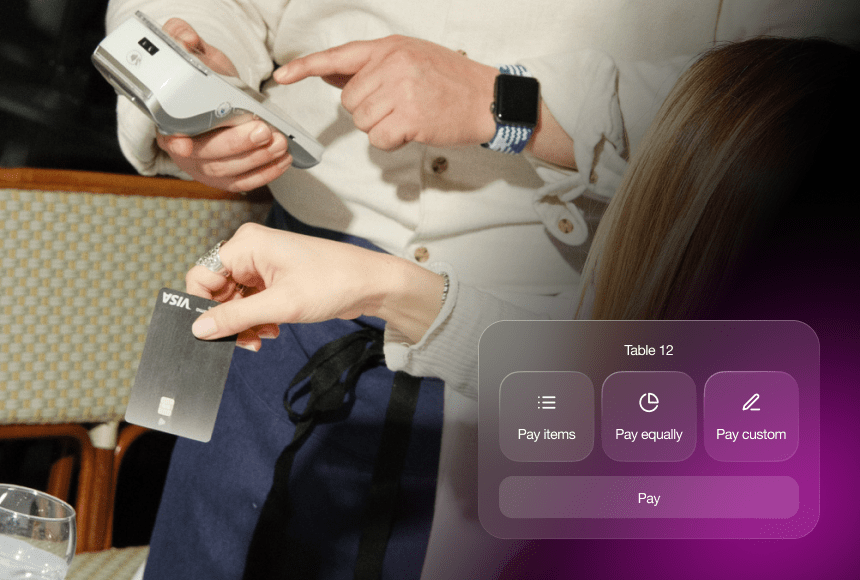
From a logistical perspective, traditional card terminals and manual reconciliation can be slow or prone to errors. Adopting a modern payment solution that allows for QR code payments can dramatically speed up the process. For instance, with sunday, guests don’t need to wave their hands for the bill or line up at the till. Instead, they simply scan a QR code at the table:
- Instant Split: Everyone can check their items and pay just for what they ordered.
- Tip With Ease: A quick tap to add gratuity—no rummaging around for coins.
- Prompt Feedback: The transaction flow can also invite them to share a rating or post a review right away.
Enabling fast, flexible, and transparent payment not only helps you turn tables efficiently but also ensures the group leaves with a positive final impression. No more arguments over who owes what—payment goes from being a dreaded chore to a swift, frictionless process.
8. Gathering Feedback and Building Loyalty
Groups can offer incredible insights into your restaurant’s strengths and areas of growth. Once they’ve paid, encourage them to leave a Google review or fill out a quick feedback form. If you’ve given them exceptional service, most people will be happy to share a few words of praise. If there’s a hiccup, though, you’ll want to hear about it first before it affects your reputation.
This is where a solution like sunday shines, since diners can leave a review immediately after paying. People are more likely to share their genuine feedback when it’s easy and immediate. Moreover, an online presence with glowing reviews can be a deciding factor for others looking to book a big celebration. Statistics suggest that many UK diners do some online research before confirming a group booking, and a strong collection of positive testimonials can tip the balance in your favour.
Beyond online reviews, consider loyalty initiatives or follow-up messages. A week or so after the event, you could send a personalised email saying, “We hope your family gathering was as memorable as you intended—here’s 10% off your next visit.” This thoughtful gesture often prompts repeat business, particularly around festive occasions when people are looking for convenient, reliable restaurants.
9. Adapting to Seasonal Demands
Restaurants in the UK often experience seasonal peaks for group dining, particularly during the festive period, Easter weekend, summer bank holidays, or major sporting events. Being proactive can help you ride these waves:
- Holiday Menus: Create special set menus for Christmas, Valentine’s Day, or Easter. Offer early booking incentives, and mention deadlines to encourage timely confirmations.
- Outdoor Spaces: In the warmer months, an outdoor terrace can be ideal for larger groups. Update your layout to ensure groups are served swiftly and comfortably.
- Marketing Campaigns: Use social media or local advertising to let customers know you can handle large parties. Include photos of vibrant gatherings to show you’re prepared for big events.
Seasonal group bookings often come with higher stakes—people want a smooth, celebratory experience around the holidays. Preparedness is your friend: have enough staff on hand, consider a reliable supplier for your best-selling seasonal dishes, and refine your decoration or theming.
10. Embracing Technology for Efficiency
As the hospitality sector evolves, tech solutions are becoming increasingly refined and accessible for venues of all sizes. While many restaurant owners fear that automation or digital systems might dilute personal service, the contrary is often true: technology can free your staff from repetitive tasks so they can focus on delivering a genuine, human touch.
Here are some popular tech approaches for group bookings:
- Table Management Software: Tools like OpenTable (for the UK market) help you see at a glance which tables are free, how long a party has been seated, and when a large group booking is due.
- Online Pre-Ordering Systems: If you have set menus, let groups pre-order. Food can then be prepped in stages, significantly speeding up service on the day.
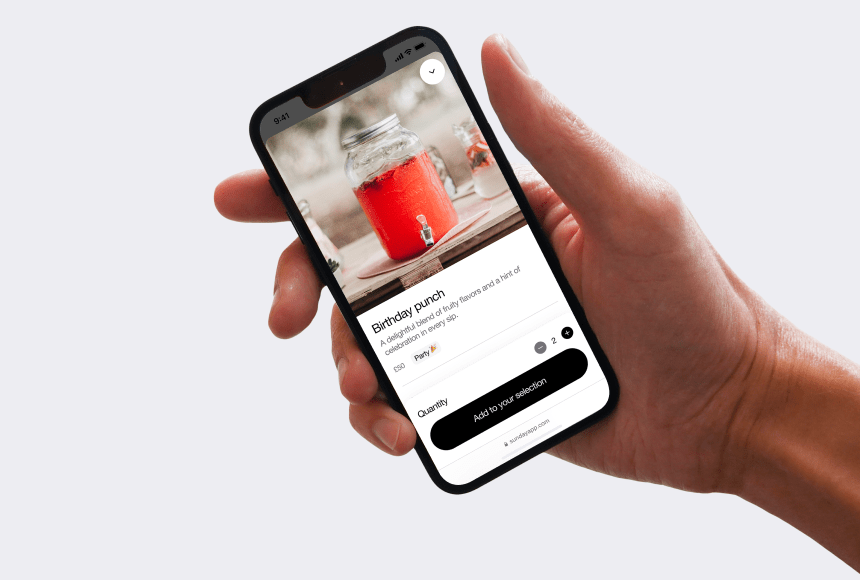
- Integrated Payment Platforms: Solutions like sunday merge contactless table payment, tipping, and review prompts into a single seamless pathway for guests.
The trick is to keep technology user-friendly—for both staff and customers. If systems are complex, you’ll spend more time troubleshooting than reaping the benefits. Pick solutions that plug into your existing operations without causing upheaval.
11. Building Partnerships and Celebrating Success Stories
Don’t overlook partnership opportunities to boost your profile as a go-to venue for groups. For instance, small catering services or local event planners might be delighted to recommend your restaurant for business lunches or celebrations. If you have a compatible partner—like a local florist who can add a special touch to a birthday or anniversary party—you can cross-promote each other.
You might also celebrate a signature success story to attract more group bookings. If you’re known for your flamboyant birthday cakes or your unbeatable Sunday roast for large families, highlight these achievements. Use real images of the events you’ve hosted (with guests’ permission) to show that you genuinely excel at providing group experiences.
Word of mouth travels quickly, especially in local communities. If you consistently deliver exceptional service for large bookings, those guests will naturally recommend you to their friends, colleagues, and extended family, reinforcing a positive cycle of incoming group events.
12. Securing Long-Term Loyalty and Reputation
Once you’ve refined your approach to group bookings, the journey doesn’t end there. You’ll want to continually evaluate and refine your processes, from staff training to menu versatility. Pay close attention to the feedback you gather; it often highlights specific areas you can improve. Over time, this feedback loop will help you develop a positive reputation and drive repeat business.
Don’t forget to put sincerity at the heart of your approach. Diners can sense when a restaurant is simply churning people in and out. Show genuine gratitude for their time and patronage. Ask them subtle questions about the meal; show interest in their stories. The more personal the experience feels, the more it will stand out in a competitive market.
For additional inspiration, The Caterer publishes industry updates and best practices that you can adapt to your everyday operations. Keeping an eye on industry trends ensures you always stay ahead of the curve and continue to grow.
13. Frequently Asked Questions
- How far in advance should a group booking be made?
In general, aim for at least one to two weeks’ notice, especially if the group is large. For peak season (like Christmas), encourage bookings up to a month or more in advance to secure space and confirm menu choices.
- Do I need a special menu for big bookings?
While not mandatory, a special set menu can streamline your kitchen’s workflow and ensure consistent service. It also helps large parties choose ahead of time, speeding up order-taking on the day.
- How can technology help with group bookings?
Restaurant management software can track current reservations, while integrated payment solutions let guests settle bills and tip seamlessly. Tools that enable pre-ordering can also reduce kitchen chaos during the event.
- Should I request a deposit?
Many UK restaurants do for large bookings. Deposits can help curb no-shows and offset costs if a group cancels last minute. Make sure terms are clearly explained when taking the booking so guests know what to expect.
- What’s the best way to handle bill-splitting?
Modern QR-based payments like sunday allow diners to scan and split the bill instantly. This usually removes the angst of calculating who owes what and helps staff avoid confusion.


 1min
1min
 1min
1min