A Calm December Rush: Practical Tips to Support Your Restaurant Staff
The festive season can put enormous pressure on restaurant teams. Bookings surge, customer expectations rise, and staff often work long shifts with little downtime. Clear communication, efficient scheduling, and a supportive work culture all help mitigate this stress. Equipping your team with streamlined payment solutions, offering mental health support, and prioritising rest days can boost morale. Moreover, seeking customer feedback with tools that consolidate reviews and tipping can make end-of-year operations both smoother and more profitable. Thoughtful planning now lays the foundation for a more relaxed, successful holiday period—and a positive start to the new year.
1. The Festive Season Challenge
For restaurants in the UK, December is often a whirlwind of fully booked tables, celebratory gatherings, and end-of-year company parties. Festive specials and seasonal menus can be part of the fun, but they also present extra challenges—from last-minute menu tweaks to increased numbers of diners per service. As a restaurant owner, you are well aware of the sheer energy it takes to prepare your staff for this rush. But the greatest hurdle might be managing stress, which tends to spike as the pressure builds.
According to UKHospitality, many restaurants experience a notable surge in bookings during the festive period, sometimes seeing more than a 20% rise in patronage compared to other months. For your team—servers, kitchen staff, and managers—this can translate into longer hours on their feet, more complex orders, and increased workloads. Over time, stress of this magnitude can impact job satisfaction and morale, leading to increased turnover and even affecting your bottom line.
However, the season need not become a battle for survival. By establishing clear practices and fostering a healthy work environment, you can ensure your staff make it through December with their nerves intact. And crucially, you may find that with better support, they’ll not only survive the festive rush—they’ll thrive.
2. Planning and Preparation: Setting the Table for Success
Imagine you’re about to plate the perfect dish: you’ve got your core ingredients, your cooking method is sound, and you know just the right garnish to finish it with flair. Preparing your team for December follows a similar principle. With the right ingredients of scheduling, communication, and task delegation, you can reduce the last-minute scrambling that so often triggers anxiety and frustration among staff.
2.1 Strategic Scheduling
The easiest way to create calm is to ensure no one is overburdened. Start by mapping out the busiest dates in December—whether those are weekends leading up to Christmas or the nights around New Year’s Eve. Assign shifts evenly, taking into account your staff’s strengths and personal obligations. When employees see that you’re paying attention to fairness, they’re far more likely to embrace the long nights and hectic pace. Plus, it’s vital to demonstrate empathy for those who may have family responsibilities or limited availability during the holiday season.
Where possible, use planning tools or scheduling apps that let your team see their shifts at a glance. Make it easy for them to swap shifts responsibly by setting up clear guidelines about giving notice, so they aren’t left compromising their own wellbeing just to maintain adequate coverage.
2.2 Consistent Communication
During December, information can change faster than a soufflé that’s left the oven. Perhaps there’s a large party booking for next Friday, or a supplier inability to deliver certain produce on short notice. Update your staff daily—whether via a short pre-service meeting or a quick group message—to keep everyone in the loop on specials, booking numbers, and any last-minute changes. When staff are well-informed, they’re less stressed and more confident in their work.
2.3 Task Distribution and Role Clarity
In busy periods, role overlap can lead to confusion and frustration. If your servers regularly run back and forth to prepare certain items or your kitchen team has no clear hierarchy for coordinating plating, tension creeps in. Clearly defining tasks—who is responsible for clearing tables, who handles large party orders, who restocks bar supplies—removes guesswork and builds synergy.
If you want to function like a smooth line of chefs during service, everyone must know precisely what’s on their plate: from the host who greets guests to the chef who plates the final garnish. Minimising duplication of tasks or double handling of orders significantly helps lower stress levels.
3. Maintaining Calm under Pressure: Strategies for Wellbeing
The adrenaline of a busy shift can be exhilarating, but over many consecutive days, it can morph into overwhelming exhaustion. To preserve team morale and mental health, adopt several supportive protocols that focus on rest, psychological well-being, and a sense of appreciation.
3.1 Encouraging Staff Breaks
In the heat of service, staff can feel compelled to power through without stopping for a breath. But skipping breaks—especially in a hectic month like December—is a recipe for burnout. Simple revamps to your daily routine can help. For example, rotate staff on breaks, ensure healthy snacks are available, and create a comfortable break area. Nothing too fancy is required; even a small quiet corner for a cup of tea can make a huge difference in energy levels.
3.2 Mental Health Support
Between the long shifts, late nights, and sometimes demanding customers, stress accumulates quickly. Consider establishing an open-door policy, encouraging your team to talk to you or a manager if they feel overwhelmed. If feasible, partner with third-party counselling services or direct them towards resources like the Mental Health Foundation. Including these benefits might feel like an extra cost, but in reality, it invests in your staff’s longevity and productivity. Just as a chef invests in high-quality ingredients, investing in your staff’s mental wellbeing ensures better “final results” over time.
3.3 Positive Work Culture and Recognition
Never underestimate the boost of a heartfelt thank-you at midnight after a busy Saturday. In December, a positive word carries more weight than usual, because your team is often going above and beyond. Recognising achievements—be it the server who upsold the evening’s special eight times or the chef who managed to plate 50 meals flawlessly—creates a supportive environment. Public praise during pre-service briefings, or whimsical ‘Star of the Shift’ boards, fosters team spirit.
4. Streamlining Payments: Freeing Your Team to Focus on Hospitality
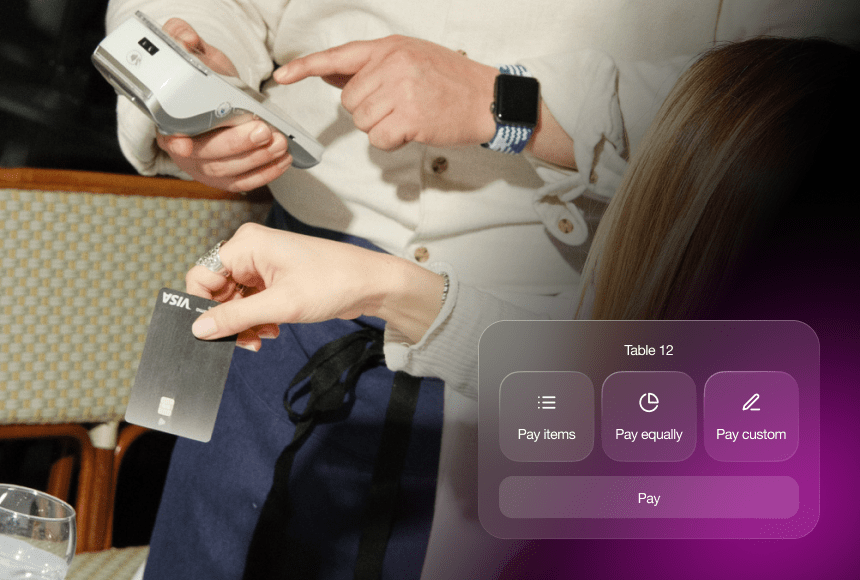
One of the biggest stress factors during peak times is the payment process. At the end of a meal, especially on crowded nights, servers frequently rush between tables, card machines (commonly known in the UK as PDQ machines), and the payment terminal. Meanwhile, customers can become impatient, staff get flustered, and confusion about splitting bills or adding tips can escalate tensions.
4.1 Adopting Digital Payment Solutions
A quick way to reduce this chaos is to embrace modern and secure payment methods. This is where solutions like QR code-based payments come in. With a QR code sticker on the table, guests can scan, pay, and tip directly from their smartphone—no need to wait for the server to bring over a PDQ machine. This not only reduces the back-and-forth for the server but also cuts down on wait times for customers eager to leave after a meal. In turn, the atmosphere stays warm and calm instead of descending into impatience and chaos.
One example is sunday, which allows restaurant guests to pay via a QR code in just a few clicks. The entire process, from scanning the code to leaving a tip or even posting a Google review, is compressed into a streamlined digital sequence. By eliminating the extra steps of chasing down the card machine or splitting a bill four ways at the till, your staff can focus on delivering top-notch service.
4.2 Faster Table Turnover, Less Pressure
When the final month of the year ties in with jam-packed bookings, speed of service matters. Diners want a memorable experience, but they also appreciate not having to wave their arms to catch the server’s attention for the bill. With quicker payments, table turnover increases efficiently, giving you room to accommodate more guests and grow revenue. Meanwhile, staff pressure is lowered because they’re not juggling multiple demands at the same time.
As a helpful knock-on effect, shorter wait times at the end of a meal also improve your restaurant’s reputation. Guests notice when your processes run smoothly and share that positive experience with friends—or in online reviews—bringing even more business your way.
4.3 Boosting Tip Collection and Staff Satisfaction
Another overlooked advantage of easier payment processes is the potential increase in tips. When tipping is just a quick button-tap away, diners tend to be more generous. For service staff, that can be a definite moral booster during their busiest and most draining time of year. After all, fair compensation is more than a payslip; it’s a tangible way to say, “Great job!”
Implementing a digital payment solution can also facilitate staff tip pooling if that’s part of your workplace culture. Clarity around how tips are collected and distributed can reduce internal tensions and drive a sense of unity. It’s one less source of stress for your team—and one more reason for them to deliver exemplary service.
5. Cultivating a Restaurant Family: How to Show You Care
Although implementing technology and scheduling strategies is essential, human connection is the real secret sauce. Staff who feel genuinely valued often handle December’s demands with a smile, knowing that while they work for you, they also work alongside you. Below are a few ideas on fostering that sense of community.
5.1 Team Meals and Small Celebrations
Nothing unites a team like good food and shared moments of fun, so why not treat your crew to a little mini-celebration during the season? After a particularly tough stretch of shifts, a simple post-service meal with staff (even if it’s takeaway pizza eaten around the kitchen table at 2 am) can do wonders for morale. Taking a moment to unwind together dissolves hierarchical boundaries and sends a clear message: we’re all in this together.
5.2 Employee Growth and Recognition
When December’s frenzy subsides, your staff will remember how you guided them through it. Offer micro ‘training sessions’ before or after shifts, focusing on new festive cocktail-building or showing them how to handle complicated group tabs. Encouraging professional development, even in the busiest month, conveys your investment in each person’s skills and career trajectory. Consider awarding tokens of appreciation or small gift vouchers for those who go above and beyond consistently. These gestures highlight that outstanding work doesn’t go unnoticed.
5.3 Encouraging Work-Life Balance
While total work-life balance might feel elusive in December, especially for managers in the thick of responsibility, showing that you respect personal time forms the basis of a caring culture. If someone is consistently scheduled double shifts or hasn’t had a proper day off in a while, step in and insist they take a break. Staff who feel burnt out can be more prone to errors, absenteeism, and eventually exiting the role altogether.
Balancing schedules, offering occasional extended time off, and gently reminding people they have the right to relax is beneficial for morale and business alike. A well-rested team is more productive, more cheerful, and far better equipped to handle peaks in customer volume without snapping.
6. Planning Beyond December: Using Feedback to Sharpen Operations
Once the festive season winds down, you’ll likely breathe a sigh of relief—before realising you’re already busy preparing for the next big event on the calendar. However, that short lull between early January and Valentine’s Day is a prime opportunity to reflect on December’s highs and lows. If you capture feedback from customers and staff, you can identify what worked well and which areas need tweaking for the next big rush.
6.1 Listening to Customer Reviews
In today’s digital era, your guests are often more vocal online than in person. Encouraging them to post Google reviews—especially when a prompt is integrated into a QR code-based payment system, like with sunday—is a convenient, authentic way to gather immediate feedback. While rave reviews can spotlight your successes, constructive criticism can be far more valuable for long-term improvements. Maybe the music was too loud, or the set menu needs a vegan-friendly upgrade. By addressing these points, you’re demonstrating that you’re a restaurant owner who listens and adapts.
6.2 Internal Debrief Sessions
When the dust settles, invite your team—front of house, kitchen staff, and managers—to share their experience. What processes worked? Where did stress peak? Which tasks felt redundant, and which resources were missing? Let your staff speak freely. Encourage them to offer solutions and new ideas for next year. You might be surprised: sometimes the best operational breakthroughs come from the people actually doing the tasks day in, day out.
6.3 Adjusting for the Next Big Push
Scrutinise your data. Did you turn tables quickly enough? Did you notice a spike in no-shows that cost you valuable seats? Were certain nights significantly more hectic than others? Talk with your management team about reassigning roles, adjusting your stock orders, or dedicating more staff for known hotspots next year. Carry these improvements into your broader calendar—Mother’s Day, Easter, summertime events—so that your restaurant’s processes remain fine-tuned beyond the festive season. This approach reduces stress not just in December, but year-round.
7. Your Festive Period Allies: Better Service, Happier Staff
When properly managed, the final month of the year can be a time of delight, camaraderie, and strong profitability for your restaurant. Unchecked, however, it can become a pressure cooker that threatens to boil over, damaging staff morale and leaving customers dissatisfied. By embracing efficient scheduling, fostering a culture that values staff wellbeing, and integrating modern payment solutions, you can transform this typically stressful period into an opportunity to shine.
Remember: the secret isn’t simply to do more, but to do things more efficiently. Whether it’s letting customers handle payments via QR codes or ensuring employees take well-deserved breaks, you’ll see the benefits in real-time. Staff who feel supported and empowered deliver better service, which in turn encourages repeat business and glowing reviews. In the end, it’s about carefully balancing all the ingredients—people, tech, timing, and culture—so you can plate up a smooth, successful December.
FAQ
- Why is December particularly stressful for restaurant staff?December sees a spike in bookings, end-of-year parties, and higher customer volume. Staff often grapple with longer hours, back-to-back shifts, and the pressure to meet festive expectations. Good planning, fair scheduling, and supportive management can help lighten the load.
- How can I encourage my team to stay motivated in the final month?Regular praise, fair shift distribution, and recognition of individual achievements go a long way. Encourage small celebrations or team meals, listen to staff concerns, and appreciate the extra effort they put in. Offering mental health support or even a simple rota for short breaks helps energise and maintain morale.
- Does adopting digital solutions like sunday help reduce staff stress?Yes. QR code-based payment solutions minimise the time servers spend on card transactions, reduce billing mix-ups, and speed up table turnover. This allows employees to focus on more rewarding aspects of customer service—enhancing the overall dining experience.
- Should I invest in more staff or better scheduling?Both strategies can be effective, but it depends on your specific situation. If the workload consistently overwhelms your current team, hiring temporary or seasonal staff may be the best option. If your existing staff coverage is adequate but poorly scheduled, improving your shift planning might be enough to alleviate stress.
- How can I make the payment process easier for customers?Introduce a streamlined tool—such as a QR code on the table—giving guests the freedom to pay and tip from their phones. This approach removes the need for waiting on a busy server to process their card. It results in happier customers, more efficient table turnover, and less pressure on your staff.


 1min
1min
 1min
1min