Making Every Shift Count: How to Ease Staff Workload with Fewer Hands on Deck
Sharply rising staff shortages have pushed restaurant owners to find practical ways of lightening workloads without compromising quality or service. Using thoughtful staffing strategies, streamlined technology, and ingenious processes, it is possible to keep diners happy and restaurant workers motivated. This article shares specific approaches that help ease front-of-house, back-of-house, and administrative tasks when teams are small. It also offers useful tips on maintaining a supportive culture that retains staff and fosters better customer experiences. In the end, it’s all about efficiency, effective communication, and a dash of creativity to keep operations running smoothly.
1. Understanding the New Landscape of Smaller Teams
Over the last few years, restaurants throughout the UK have faced an unprecedented set of challenges. Not only has there been a whirlwind of changing regulations and shifting consumer preferences, but also an acute labour shortage in hospitality. According to the Office for National Statistics (ons.gov.uk), UK hospitality job vacancies reached historical highs in recent times, leaving many restaurants short-staffed. Smaller teams have become a new norm—whether by design or necessity.
In practice, running a restaurant with fewer staff can feel like juggling sizzling pans on a tightrope. It takes careful balance, confidence, and more than a touch of dexterity. While smaller teams can reduce some overhead costs, workloads can become overwhelming if processes are not carefully optimised. The goal is to do more with less without sacrificing customer satisfaction or staff well-being.
Let’s take a look at realistic strategies for reducing the strain on your staff—particularly those working in smaller teams. Above all, it’s crucial to stay flexible, open to new ideas, and ready to invest in the right tools and systems. This is especially relevant at a time when your workforce is likely spread thin. By optimising your approach, you can ensure things run like clockwork even if your team list is short.
2. Streamlining Front-of-House Operations
The front-of-house is the heart of customer interaction—where guests form lasting impressions before even tasting your signature dish. A smaller FOH team must juggle table service, greeting guests, receiving payments, and often fielding special requests. So how do you simplify these responsibilities?
2.1 Employing Smart Table Management Systems
Efficient table allocation is critical. If you still scribble reservations on a paper notepad, you might accidentally double-book or make guests wait unnecessarily. Consider digital reservation management. It can automatically:
- Track table availability in real time
- Send automated confirmation messages to guests
- Alert staff when tables require cleaning
This real-time overview reduces miscommunications and helps staff plan table turnarounds more confidently. It translates to less stress for your front-of-house team and a smoother experience for customers.
2.2 Simplifying Payment and Tipping
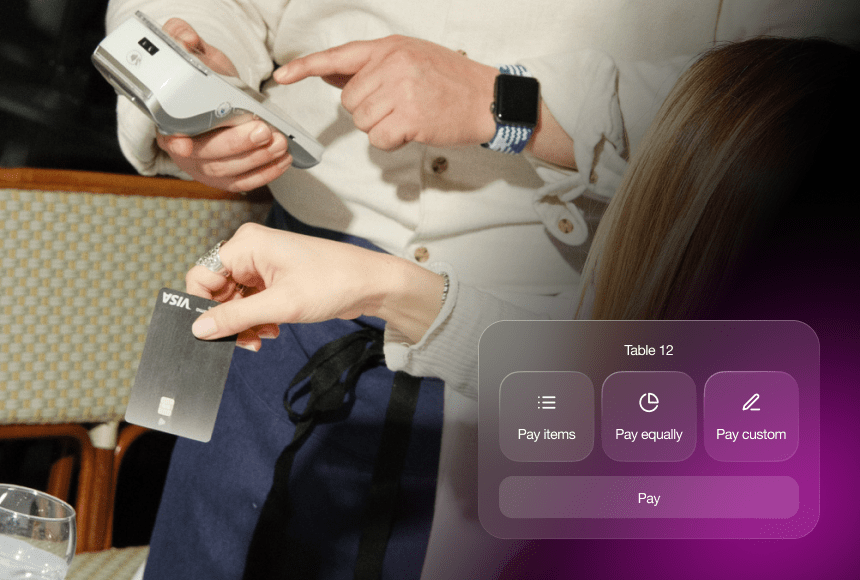
When teams are smaller, there’s no space for lengthy payment procedures. Quick, secure payment is what modern diners expect. This is where solutions like digital bill settlement via QR code can save both time and energy. Instead of staff carrying card machines from table to table, guests pay from their phone in a few taps.
This kind of system also boosts tip potential, as it allows patrons to tip digitally—no rummaging for coins or waiting around for a server to return with a receipt. As an added bonus, platforms like sunday go a step further, prompting patrons to leave a Google review right after payment. This can organically grow your online reputation even during busy periods when servers don’t have time to make this request in person.
2.3 Minimising Errors and Miscommunications
Relying on hand-written orders can lead to confusion, especially when the rush is on and your staff are multitasking. Digital order pads or point-of-sale tablets help ensure accuracy by sending orders directly to the kitchen in seconds. A smaller team must be extra cautious of mistakes, as it is harder to spare anyone for damage control. Lean processes and consistent tools can help your staff avoid slipping up.
3. Reimagining Back-of-House Efficiency
While the clinking of glasses out front might set the tone, the back-of-house determines whether you deliver on the culinary promise. A fully-staffed kitchen is a luxury some restaurants no longer have. Even so, there are ways to maintain high-quality food standards and speed up the cooking process.
3.1 Menu Engineering
Building a menu that suits a smaller team can be akin to curating a well-balanced recipe: you want to ensure flavour and variety without making preparation too daunting. Simplify your menu by:
- Focusing on a few standout dishes rather than a broad list
- Reusing core ingredients across multiple dishes
- Choosing items that can be pre-prepped or partially cooked
This fine-tuning avoids menu bloat. Reducing complexity means each dish can be prepared quicker, with fewer margins for error. Ultimately, you maintain consistency and quality while shaving off the time required to manage too many ingredients.
3.2 Streamlined Kitchen Layout
When you have fewer cooks available, you need a logical kitchen flow that minimises unnecessary movement. Position ingredients, utensils, and equipment where they’re most used. A well-choreographed layout can save your staff from needless steps that exhaust them physically and mentally. Avoid stacking equipment or cramming too many appliances together, as that can lead to confusion during busy service.
Remember: great mise en place is half the battle. Clearly labelled containers, colour-coded chopping boards, and standardised storage areas can slash the time it takes to whip up each dish.
3.3 Delegating Prep to Suppliers
While every restaurant wants a signature flair, it may not be efficient to make everything from scratch in-house if your kitchen brigade is tiny. Trusted suppliers can provide partially prepped ingredients—cleaned seafood, portioned cuts of meat, pre-chopped vegetables, or even par-baked breads.
This approach spares your kitchen staff from labour-intensive tasks that don’t directly impact the cuisine’s uniqueness. Ultimately, it yields fresher and faster service, which keeps both guests and staff happier.
4. Automating Administrative Tasks
Admin tasks can weigh heavily on lean teams, especially if restaurant owners or managers are forced to wear multiple hats. That time spent stressing over staff rotas and inventory could be better used engaging with guests or coaching employees. Automation platforms, integrated software, and tried-and-true organisational processes can offer relief.
4.1 Intelligent Staff Scheduling
Manually drawing up rotas sometimes feels like solving a complicated puzzle—especially with team members who have conflicting availability. While smaller teams may mean fewer pieces to place, it also means that each absence has a greater impact.
Consider scheduling or workforce management software. Many systems factor in historical sales data and forecasted foot traffic to suggest optimal staffing levels for each shift. Others handle staff requests, shift trades, and sick notifications automatically, meaning your managers save valuable time double-checking each update. This fosters a fairer, more transparent system—keeping morale high, since staff can see a clear schedule and plan their own lives.
4.2 Inventory Tracking and Vendor Management
Just as you want to avoid guesswork with staffing, you also want clear data on your inventory at all times. Running out of a popular menu item on a busy night is a nightmare, and too much surplus leads to unnecessary storage costs or spoilage.
Food-waste monitoring apps and modern POS (point-of-sale) systems can track inventory in real time, automatically deducting items from stock as customers place orders. Some solutions even generate purchase orders when your stock dips below a threshold. That leaves your staff with one less worry, so they can concentrate on the dining experience.
4.3 Streamlined Communication Channels
Email threads can get messy, and phone calls can go unanswered. Rather than relying on ad-hoc messaging, adopt a centralised communication platform for staff announcements, shift updates, and policy reminders. That way, your team can handle urgent tasks efficiently without constantly juggling multiple chat groups.
Small teams can’t afford slow or confusing communication. Aim to keep all official updates, daily briefings, and staff-to-staff dialogues in one accessible platform. A single source of truth fosters trust and reduces the chance of confusion when staff members change or pick up shifts in different departments.
5. Fostering a Supportive Staff Culture
A supportive environment significantly boosts employee retention in smaller teams. Each team member’s work closely impacts everyone else, and stress can ripple through a compact crew far more quickly than in larger operations. A positive culture fosters camaraderie, motivation, and smoother service overall.
5.1 Encouraging Collaboration
Yes, tasks are assigned. Yet the best small teams manage to step in for each other naturally, like cogs in a well-oiled machine. Encourage multi-skilling: train FOH staff to support simple bar duties, or allow a kitchen assistant to help with plating if needed. This cross-training not only prevents bottlenecks but also helps staff gain new skills and variety in their roles.
When a colleague sees service stations or a section piling up, a supportive environment ensures they jump in. You don’t want tunnel vision that leaves one team member drowning in tasks. Creating an atmosphere where “helping out” is the norm reduces resentment and fatigue.
5.2 Celebrating Wins and Learning from Slip-ups
A culture of fear can drive away good staff. Instead, highlight successes—your chef’s new dish that guests loved, or a positive review praising a server’s friendly approach. Go further than the occasional pat on the back. Recognise each person’s unique contributions, whether it’s in kitchen creativity, front-of-house charm, or excellent problem-solving.
If something goes wrong—and it sometimes will when teams are stretched—use it as a constructive learning opportunity. Did the new online ordering tool cause confusion? Sit down to figure out improvements, letting everyone’s voice be heard. This fosters trust and shows that mistakes are moments for growth, not labyrinths of blame.
5.3 Prioritising Staff Well-Being
Running a small team doesn’t have to mean running your staff into the ground. Ensure breaks are protected. Encourage staff to stay hydrated, and allow quick snack breaks on intense shifts if it keeps them energised. Overworking people leads to burnout, absenteeism, and high turnover. Health and safety is always a priority, especially in smaller teams.
If possible, offer flexibility with shift patterns that support a healthier work–life balance—whether that’s rotating weekends off or shorter double-shifts. Show your employees that you value their mental and physical well-being as much as you value the business. If your team sees management genuinely caring, they are more likely to stay and stay dedicated.
6. Technology as Your Kitchen Helper and Dining Room Concierge
If you’re juggling sauté pans and spreadsheets simultaneously, embracing recent tech advancements can bring huge relief. The right platforms and tools go far beyond fancy gadgets; they can genuinely simplify your day-to-day restaurant operations.
6.1 Embracing QR Code Ordering & Payment
QR code ordering was once a novelty, but it’s fast becoming an industry standard. When diners can scan a code and order their meal from a digital menu, you reduce table visits and speed up the entire service flow. Combine that with secure mobile payments, and your staff can focus on the details that matter—answering queries about dish allergens, double-checking plating, and creating memorable personal experiences.
Moreover, you’ll likely see an uptick in impulse purchases when customers can order a second drink or dessert from their phone, without having to flag down a busy server. This can boost revenue and lighten the load your staff bears trying to manage extra table runs.
6.2 Integrating Online Reservations
Many restaurants now rely on third-party aggregators or direct booking systems embedded in their websites. Online reservation platforms reduce the need for phone calls or emails back and forth with prospective diners. A smaller team benefits from fewer disruptions in daily tasks. Plus, your guests appreciate the convenience, which can foster loyalty and repeat business.
6.3 Considering Tools Like sunday
One way to feed two birds with one scone is to let customers settle their bills independently. That’s exactly what solutions like sunday enable. By scanning a QR code at the table:
- Customers see their total immediately.
- They can add a tip if they wish.
- They complete the payment on their phone.
- They leave a quick Google review, should they feel inclined.
You can imagine how much stress that takes off your smaller team. No more running back and forth with a card terminal or receipts. No more missed tipping opportunities for staff. And, you gain a rap sheet of positive customer reviews to boost your online presence. It’s a little like having an extra staff member dedicated to taking payments—but without the overhead.
7. Making Smarter Space for Service and Storage
Big teams often have the luxury of a runner for every job. Smaller teams, on the other hand, need to use their space and staff flow strategically.
Look at how diners move through your premises. Is there a corridor that gets congested because of staff carrying trays in both directions? Could your bar operate more efficiently if you reorganised back-bar storage? Are there improvements to be made in spacing out seating areas so staff walk less?
Unnecessary footwork stacks up to real fatigue. Minimising steps, streamlining side stations, and creating more efficient routes from the kitchen to the dining area go a long way toward lightening the team’s workload.
8. Training: Invest in People for Long-Term Efficiency
When you’ve only got a handful of employees, every person’s skill level counts more. Training is paramount. Even a star chef can flounder if they don’t know how to use a piece of modern cooking equipment. Likewise, front-of-house staff need to be comfortable with digital payment solutions to guide customers smoothly through each step.
Rather than waiting for issues to pop up, plan short, focused training sessions. Teach new hires or cross-train existing ones on:
- Proper use of digital systems (from reservations to payments)
- Key steps of food safety, allergen awareness, and basic cooking techniques
- Customer engagement and problem-solving for tricky situations
This structured approach builds a team that’s adaptable and confident. Restaurant owners who invest in comprehensive training tend to see better job satisfaction, lower staff turnover, and improved service metrics.
9. Easing the Burden of Compliance and Paperwork
Food hygiene and safety checks, regulatory compliance forms, staff records—administrative responsibilities are enormous in hospitality. Short-handed teams can quickly feel buried under the weight of compliance. Yet, compliance is not an optional extra: it’s mandatory for the safety of your staff and your customers.
Look into digital checklists and sensor-based technologies that automatically log fridge and freezer temperatures. Maintain electronic records of staff training and keep your incident log digital. Whenever you can reduce paper-based processes, you cut time rummaging through filing cabinets and chasing signatures.
At the same time, keep thorough records. If an inspector visits, robust documentation is your best ally. Demonstrating compliance swiftly can save precious hours, nerves, and resources.
10. Building a Sustainable Future with Smaller, Efficient Teams
A smaller team does not have to mean inferior service. Rather, it can force you to refine operations, cut out waste, and focus on what genuinely improves the dining experience. Adapting to this new reality can fuel innovation that merges human expertise with technological efficiency.
The idea is not to rely solely on technology or entirely on staff. It’s about finding the sweet spot where your human talent shines, supported by solutions that save time and cut frustration. Whether that’s enabling mobile payment, automating inventory checks, or ensuring staff scheduling aligns neatly with projected footfall, incremental changes add up.
By showing your team genuine support and a clear vision, you instil confidence in them (and in your customers) that you are in control, shaping a positive dining experience. As the restaurant landscape continues to evolve, being proactive about smaller-footprint teams will help you stay competitive in both the short and the long run.
FAQ
Below are some frequently asked questions about reducing staff workload in smaller teams:
- How can I ensure quality service with fewer employees?Focus on training, efficient processes, and user-friendly technology. When each team member knows every step clearly, from greeting guests to handling digital payments, you maintain consistency in service quality.
- Which tasks should I prioritise for automation?Start with repetitive and time-consuming tasks. For example, digital reservation management, automated inventory updates, and QR code-based payments help free staff to focus on personal interactions, which customers value most.
- Is it expensive to implement new technology?Costs vary depending on the system. However, many providers offer flexible plans, and the time saved on staff tasks often offsets these expenses. If adopting QR code payments or a more advanced POS system boosts tips and reduces labour, the benefits can outweigh the initial investment.
- How do I keep staff motivated under heavier workloads?Recognise their efforts, encourage collaboration, and provide real opportunities for rest and flexible scheduling. Regular check-ins, a positive team environment, and practical support—like easy-to-use equipment—go a long way to reduce stress.


 1min
1min
 1min
1min