Smart Payment Solutions for Busy Lunchtimes and Beyond
From boosting table turnover to reducing payment errors, QR payments offer a speedy, user-friendly approach to handling large office groups.
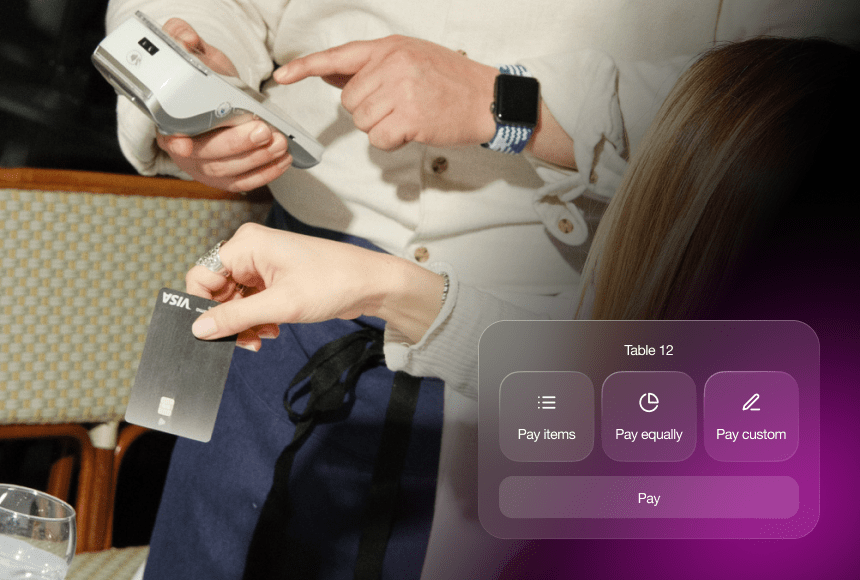
They let guests scan a simple code, pay directly from their phone and even split bills effortlessly.
Beyond efficiency, they also encourage tipping, downloadable receipts, and quick posting of positive reviews.
Restaurant owners save time, reduce staff burden, and create a modern guest experience that attracts corporate clients.
Adopting this solution can strengthen customer loyalty, enhance brand reputation, and streamline daily operations without compromising on quality or service.
1. The Unique Challenges of Large Office Groups
Hosting a group of office colleagues for lunch can feel like juggling multiple plates in the air. You’ve got to ensure everyone’s meal is served on time, that the atmosphere is welcoming, and—perhaps most crucially—the payment process runs as smoothly as possible. For many restaurant owners, this phase often becomes a source of stress. When ten, fifteen, or even twenty salaried professionals descend to your premises, time is of the essence for everyone. Long waits at the cash register don’t just frustrate your customers; they also reduce your table turnover and can cut into your profits.
From a restaurant owner’s perspective, large office groups are a fantastic opportunity to secure robust weekday business—particularly at lunchtime, when footfall can be high but fleeting. Yet, these groups come with their own set of complexities. Menu customisation, special dietary needs, the desire to split bills or track expenses for their company: the demands of corporate diners can be surprisingly intricate. And if the experience isn’t seamless, they might think twice before booking their next office outing. In a crowded marketplace, being known as a “fast and smooth” dining destination can set you apart.
According to a survey by UKHospitality (https://www.ukhospitality.org.uk/page/ukhospitality), British diners place an ever-increasing emphasis on efficient payment options. This rings especially true for office teams, who often have fixed lunch breaks or busy meeting schedules. If your current method involves passing around a black folder stuffed with itemised bills, or queuing at a single card machine, you might be missing out on an opportunity to shine.
2. Traditional Payment Headaches
Picture this scenario: a group of colleagues from the tech company down the road decides to book a table for 12. Their lunch break is tight, and they all need receipts or confirmations—some might have expense accounts, others need to split the bill evenly, and still others want to pay individually. So you bring out the card machine, start processing payments one by one… and then it malfunctions on the tenth transaction. By the time you’ve reset it, half the group is glancing at their watches, worried they’ll be late for afternoon calls.
Even if the card machine doesn’t give up on you, there’s the matter of tipping. Some guests will add a gratuity to their payment, others ask for the service charge to be removed, while a couple might prefer to leave cash on the table. Then there’s the headache of generating multiple receipts. Suddenly, your staff is spending a good chunk of their time just sorting out the final bill. And all this is happening while the next wave of customers eagerly waits for their table.
These are the moments that can cause friction between staff and customers, undermining what could have been a relaxing lunch. When service takes too long, diners expect explanations, managers get involved, and stress levels spike. If this story sounds familiar, you know just how sought after a simple alternative can be. One option that has emerged in the last few years—and is rapidly becoming a must-have in many dining establishments—is the QR payment system.
3. Enter the QR Code Revolution
QR (Quick Response) codes have been around since the mid-1990s, originally pioneered in Japan for the automotive industry. Today, they’re all over the place—on coffee packaging, business cards, advertisements, and, of course, restaurant menus. These square barcodes store a bundle of information that can be quickly decoded by a smartphone camera. When integrated with mobile payment technology, QR codes transform the dining experience in profound ways.
Here’s how it typically works: each table or receipt has a unique QR code. When guests are ready to settle up, they scan the code using their smartphone. That instantly pulls up the restaurant’s payment interface, often with their table number or order details preloaded. From there, diners can choose to pay individually or split with friends—without you needing to do any manual calculations. The simplicity is tangible but the real power lies in how it streamlines your operational flow.
Depending on the system you use, customers can directly add a tip in seconds. Some solutions—like sunday—also prompt customers to leave a Google review, right after paying. That function alone can drive up your online reputation in a natural and timely manner: a “post-meal high” is the perfect moment for diners to share positive feedback. By removing barriers to leaving a review, you turn a quick lunch into an ongoing advertisement for new customers, without paying a penny for expensive marketing campaigns.
4. Why QR Payments Are Tailor-Made for Large Office Groups
When it comes to corporate diners, time is a precious commodity. They want speedy menus, quick service, and an even swifter departure. They also have personal or corporate finance systems to consider—some might need to expense a certain amount, while others will pay out of pocket. With a QR-based payment system, the entire group can finalise payments simultaneously, often within a minute or two, no staff assistance required.
Moreover, for the restaurant, you’re cutting down on the staff’s involvement during peak hours. That significantly reduces the risk of order mix-ups, mistakes in splitting the bill, or lost receipts. In many cases, a single member of your front-of-house team can oversee multiple tables, ready to step in only if questions come up. This efficiency boost could mean the difference between running a fully booked lunchtime service smoothly and seeing your staff scurrying about, one card machine in hand.
According to a recent article on Restaurant Technology News (https://restauranttechnologynews.com), businesses that adopt digital payment solutions see on average a 20% reduction in transaction time compared to conventional methods. When dealing with a large office group, shaving off even a few minutes per table can dramatically boost table turnover. This means you can accommodate more guests during the lunch rush and potentially raise your daily revenue.
5. Beyond the Speed: Building a Stronger Dining Experience
While speed and convenience often headline the advantages of QR payments, there’s much more at play—particularly in the realm of diner satisfaction. Large groups frequently look for restaurants that offer consistent, friction-free experiences. When they find a place that “just works,” they’re likely to return. They may even turn into word-of-mouth ambassadors for your restaurant among their colleagues, who are perpetually on the lookout for great lunch spots.
Another crucial benefit is the ability to integrate loyalty programmes or relevant perks. Many QR payment solutions let you store customer preferences, loyalty points, and special offers, all in one place. So when the same corporate group comes in the following week, the process is even more straightforward: they can redeem a coupon, take advantage of a loyalty discount, or simply breeze through payment without needing to re-enter their details.
And we can’t forget tipping. For many restaurants in the UK, tips form a vital supplement to staff wages. With QR payments, leaving a tip becomes almost automatic. The prompt appears right on the customer’s screen; it can suggest a tip percentage, or give the option to specify a custom amount. That small nudge can have a meaningful effect on your staff’s income, incentivising them to maintain top-tier service.
6. Overcoming the Fear of Technological Change
Despite their growing popularity, QR codes can be unfamiliar territory for some diners—particularly those who haven’t dined out frequently since contactless solutions took off. Rest assured, however, that most smartphone users have become quite adept at scanning codes, whether for tickets, logins, or access to a restaurant menu. Crucially, the learning curve is small, meaning your front-of-house staff can easily guide new users if they’re unsure.
Tech-savvy or not, the last thing an office group wants is to wrestle with complicated instructions during their lunch break. That’s why easy user experience is crucial. Systems such as sunday feature clean, minimal interfaces without intrusive adverts or clunky navigation. The more intuitive the process, the faster your diners can pay, tip, and exit with a smile.
What about staff training? Rolling out a new system—be it a new oven, a new cocktail menu, or QR payments—requires a bit of staff orientation. The good news is that QR payments typically sit on the simpler end of that spectrum. A quick session can teach your team how to explain the scanning process, troubleshoot basic connectivity issues, and monitor transaction statuses from your centralised point of sale interface. And once they’re confident, they’ll appreciate the reduction in repetitive tasks, giving them more time to focus on personalised customer service.
7. A Day in the Life: How QR Payments Streamline a Lunchtime Rush
Let’s imagine a real-world scenario. It’s a Wednesday morning, and you receive a booking for a table of 18 from a local accounting firm. They plan to arrive at 12:30 p.m., giving them exactly an hour before they need to rush back. In years gone by, you might have started sweating at the mere thought of ensuring a seamless departure. But with QR payments in place, you have an ace up your sleeve.
Step one: your staff welcomes the group and points them to your digital menu, or, if you still use printed menus, that’s perfectly fine. Each table setting has a discreetly placed QR code that also links to a payment landing page. Once the main course is finished, it’s time for the star of the show—dessert. Some guests opt for coffee or tea, while others need to jet back for a 1:15 p.m. meeting. Paying quickly becomes essential.
In the past, you’d hand out a single bill, which the group might pass around the table as everyone chips in. One person might pay the total and then ask colleagues to reimburse them. Alternatively, you’d bring a card machine and process cards one by one. Not anymore. Now, each person simply takes out their phone, scans the QR code, sees their share if they want to split it, or goes forward to pay the entire sum if they’re covering for the team. Tipping is integrated with a single tap, receipts arrive via email or text message, and before you know it, the group has collectively settled up in under five minutes.
Meanwhile, your next walk-in guests are already being seated, and your staff doesn’t even break a sweat. It’s the ideal scenario for a high-turnover lunch environment, and the accounting firm is likely to come back, impressed by how quickly they were able to handle everything, from ordering to tipping. Multiply that scenario by a dozen such groups per week, and you can see why adopting QR payments might be one of the smartest moves you’ll ever make.
8. Implementation Tips and Best Practices
Decided QR payments are right for you? Below are some key strategies to ensure a smooth rollout:
- Prepare in advance: Conduct a soft launch during quieter hours to train staff and gather initial feedback.
- Strategic placement of QR codes: Ensure your codes are easy to spot. Consider printing them on receipts, table tents, or even discreet stickers on menu holders.
- Educate your customers: Provide minimal but clear instructions on how to scan and pay. A short sentence on the menu (“Scan this code to pay when you’re ready!”) goes a long way.
- Encourage feedback: If office groups are a major part of your clientele, tease out their experience. Did they find the process simple? Any hiccups? Use that data to refine the system.
- Ensure staff readiness: Make certain your employees are adept at troubleshooting simple issues (like connectivity problems) and can explain how to leave a tip or get a digital receipt.
If you follow these steps, you’ll mitigate the usual headaches that come with tech upgrades and ensure your staff is fully onboarded. By doing so, you not only streamline your payment process but also enhance your reputation for providing an up-to-date, modern experience that appeals to office crowds.
9. Embracing Extras: Tips, Reviews, and Loyalty
The modern restaurant experience goes beyond just “payment.” It’s an ecosystem where tipping, reviews, loyalty points, and marketing converge. One standout advantage of QR payments is the ability to tie these elements together in a unified, mobile-friendly environment.
Diners can:
- Tip swiftly: No rummaging for coins or going through multiple steps—just a single tap to add a gratuity.
- Submit instant reviews: If integrated with Google’s platform, a quick click can prompt them to share their positive feedback about your service.
- Earn or redeem loyalty points: As soon as the payment is completed, your system can log points or offer a digital voucher for their next visit.
For restaurant owners, these features offer a treasure trove of marketing clues. If a certain office group typically orders a particular dish, you might create a special lunch combo that appeals to them. If your restaurant’s cocktails are a hit, you could push a happy hour deal for the same group. All of this is more easily managed when you’re armed with data made available through integrated payment systems.
10. The Role of sunday in Revolutionising Payments
While multiple QR payment solutions exist, sunday brings a refreshing approach geared specifically to helping restaurants shine. Because it was co-founded by experienced restaurateurs, the system is designed to be warm and inviting, prioritising usability above all else. Office groups find it helps them pay and get out the door faster, while restaurant owners appreciate the easy setup and staff-friendly interface.
One of sunday’s highlight features is its ability to gather Google Reviews in real time, right after the payment is made. This can serve as a boon if you’re counting on positive word-of-mouth to bolster your online reputation. Another benefit is the option to include a tip suggestion, ensuring that staff don’t miss out on gratuities.
Is it mandatory to use sunday? Of course not. But if you want to move to a user-centric interface that was built with restaurateurs in mind, it’s an excellent option to explore. And for large office groups in particular, offering a frictionless payment method signals that your services are cutting-edge and that you understand your customers’ needs.
11. Looking Ahead: The Evolving Future of Dining Payments
Cash isn’t vanishing anytime soon, but technology has redefined how diners engage with restaurants. With contactless options becoming the norm, especially after recent global events that emphasised the importance of hygiene and minimal contact, QR payments are positioned to become standard in casual and fine dining alike.
Large office groups, with their stringent time constraints and specific preferences, can be an ideal test bed—because once you master a smooth payment flow for them, you’ll find it becomes trivial for smaller tables or individual diners. As the restaurant industry continues to evolve, being flexible and forward-thinking can pay dividends in attracting loyal clientele who appreciate convenience without compromising on quality.
If you’re still on the fence, consider that your competitors might already be adopting such technologies. The shift to digital payments is not merely an additional service but a means to capture a rapidly growing demographic of business diners who value speed, transparency, and customisation. By investing now, you’ll likely see long-term benefits, from glowing online reviews to improved staff morale.
12. Frequently Asked Questions
Below, you’ll find common questions that restaurant owners ask about QR payments, particularly for large office groups.
- Do customers need a special app to use QR payments?Typically, no. Most modern smartphones have a built-in QR scanner in the camera app. If they do need a separate QR scanner, it’s usually a free download from their app store.
- What if our restaurant has poor internet connectivity?A reliable internet connection is crucial, but you can use mobile networks as a fallback. Some solutions offer offline modes where transactions queue until the connection is restored. Check with your chosen provider for details.
- Will older customers or non-tech-savvy guests struggle with QR codes?Most diners adapt easily once they’re shown how QR payments work. A quick demo from staff usually resolves any confusion. Having an alternative in place—like a card machine—can cover guests who might be hesitant.
- How secure are QR payments?Trusted QR payment systems use encrypted channels and secure payment gateways. For additional peace of mind, choose a provider with PCI DSS accreditation, which helps safeguard against data breaches.
- Can we still offer paper receipts?Absolutely. But in most cases, digital receipts can be instantly emailed or texted to the customer. This is often preferable for office workers who want to submit expense claims or just keep their records digital.


 1min
1min
 1min
1min