Thriving with Takeaway Orders in Turbulent Times
Tube strikes and unexpected downpours can disrupt foot traffic and lead to surges in takeaway orders. Preparing for these fluctuations in demand can reduce stress on your kitchen, boost revenue and build customer loyalty. Clear communication with your team and patrons is vital, as is streamlining operations with efficient packaging and online ordering. Keeping close track of inventory ensures you’re never short of key ingredients. Above all, a flexible attitude and a welcoming personality—displayed both on-site and online—protect your restaurant’s reputation and help you thrive during disruptions.
1. Understanding the Impact of Tube Strikes and Weather Events
Whether you’re running a busy pizza spot in London or a cosy bistro in Manchester, tube strikes and sudden bouts of bad weather can leave your restaurant’s front-of-house eerily quiet. At the same time, they can trigger an uptick in takeaway demand—often from local customers unable or reluctant to travel far for a meal.
In 2022, several London Underground strikes disrupted journeys for millions of commuters, forcing them to stay close to home. According to BBC News London, these strikes impacted businesses across the city in unpredictable ways. The same holds true for stormy days, where torrential rain often translates to fewer diners willing to venture across town. As a restaurant owner, you’ll want to plan carefully—strikes and weather can be more than mere inconveniences; they can be opportunities to attract fresh, loyal takeaway customers.
To adapt, you need a thoughtful strategy that helps balance staffing, menu adjustments, stock levels and marketing messages. Instead of viewing challenging conditions as disaster scenarios, think of them as invitations to strengthen your online presence and refine your takeaway services.
2. Preparing Your Operations for Disrupted Footfall
Operational readiness comes first when facing the erratic spikes in takeaway demand caused by tube strikes or stormy days. Without proper planning, your kitchen crew might feel like they’re in a pressure cooker, while your customers suffer from slow delivery times and no clear idea of when meals will arrive.
Here are key areas to focus on:
- Staffing Flexibility: Anticipate changes in employee availability. Some team members may also find it difficult to get to work during strikes or hazardous conditions. Encourage staff living nearby to be on standby, while offering remote rota management tools to easily communicate shifts.
- Menu Adjustments: If certain items require longer prep times or special ingredients, consider streamlining to a limited menu that highlights reliable bestsellers. This can reduce the burden during peak takeaway hours.
- Packaging Essentials: Ensure you have high-quality takeaway containers that maintain food temperature. Eco-friendly packaging, like recyclable or compostable materials, will also resonate well with today’s environmentally conscious diners.
- Delivery Partnerships: If you rely on third-party carriers or in-house delivery, maintain open communication to handle potential rider shortages during strikes or severe weather.
The better prepared you are operationally, the easier it is to adapt when conditions change. Consider this your recipe for success, letting you maintain control, even if the city’s transportation isn’t moving as smoothly as usual.
3. Forecasting Demand in Uncertain Times
Forecasting demand can feel like trying to predict the weather in the UK—sometimes challenging, always subject to surprises. Yet together with some helpful data, experience and a pinch of gut instinct, you can make fairly accurate projections.
Check calendars and local news for upcoming tube strikes, bus strikes or significant transport disruptions. Likewise, watch out for major weather forecasts, especially heavy rain and snow warnings. Track demand patterns from past events; if you’ve operated at your location long enough, look for:
- Past Order Data: Analyse historical sales during previous tube strikes or bad weather days. Notice how demand shifted from dine-in to takeaway.
- Online Traffic: Track how many people visit your website or app during disruptions. A spike could mean more potential orders.
- Social Media Mentions: Keep an eye on social media to gauge customer sentiment. Posts mentioning local delays or heavy rain forecast? Time to expect more takeaway orders.
While you can’t control external factors, you can shape how you prepare for them. By blending analytical insights with your personal experience, you’ll find the right balance to stock your kitchen, schedule staff and refine promotions.
4. Communication: Keeping Your Customers in the Loop
Customers appreciate nothing more than clarity. During transport upheavals or treacherous conditions, they’ll want to know what your restaurant can or cannot provide. Leveraging open communication builds trust and encourages them to return, rain or shine.
Consider the following approaches:
- Social Media Updates: Use Instagram or Facebook to announce any special takeaway deals, recipe tweaks or changes in opening hours. It’s fast, accessible and can also help you showcase your brand’s personality.
- Email Newsletters: Segment your mailing list to reach local customers with relevant information such as limited-time menus or doorstep delivery promotions during a strike.
- Website Pop-Ups: If a tube strike or storm is forecasted, a pop-up message on your homepage can highlight special offers or clarify delivery times.
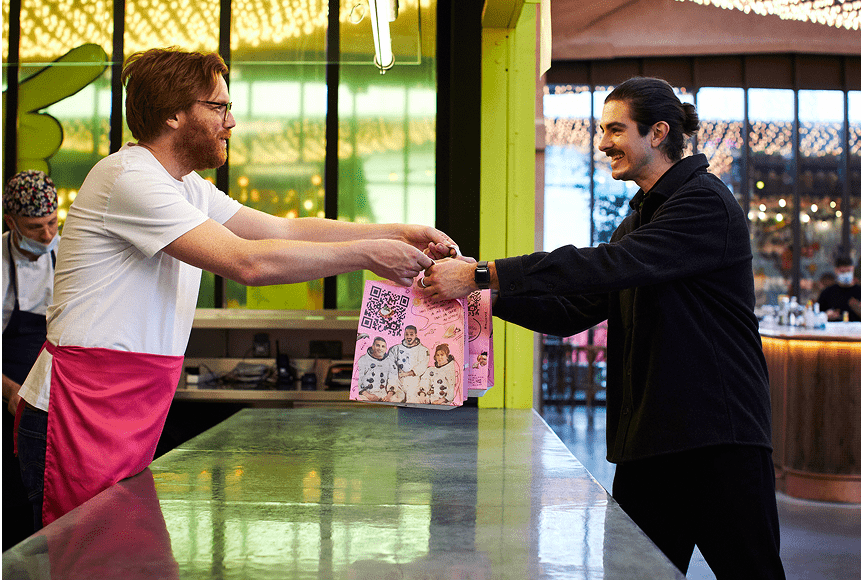
- Quick Checkout Solutions: If you advertise your takeaway services in-store, make it easy for customers to pay and leave. A fast payment system, like sunday’s QR code checkout, helps them escape the hustle more quickly.
Honest, timely communication transforms a one-off purchase into an ongoing relationship. Your restaurant can become their favourite local place for a hot meal when the rest of the city seems too difficult to navigate.
5. Digital Ordering: Your Key to Reaching Stuck-at-Home Diners
When diners can’t reliably hop on a bus or train to reach your restaurant, they turn to their mobile phones. A well-optimised takeaway service can bring them that slice of lasagne or sizzling curry with just a few clicks.
This makes a functional, easy-to-use digital ordering platform essential. Look for systems that:
- Offer user-friendly interfaces, letting customers quickly select items and preferences
- Track delivery times and can notify customers of delays or changes
- Include integrated payment solutions, so your staff aren’t wasting time chasing unpaid online orders
A clear, navigable online menu turns casual browsers into enthusiastic customers. It also allows for upselling—tempting them with sides or desserts they might have skipped if they were out battling the elements.
6. Marketing Strategies to Boost Takeaway Sales
In times of disrupted transport or dreary downpours, you can highlight convenience through your marketing to catch people’s interest and drive up takeaway orders.
Here are some techniques to consider:
- Geo-targeted Ads: If you run social media ads, focus them on your immediate area to capture local customers who’d likely order from you during a tube strike.
- Stormy Day Specials: Offer hearty comfort meals at a slight discount. Throw in free delivery if feasible. People stuck indoors may find it hard to resist a warm bargain.
- Striking Deal Bundles: Use clever wordplay in your marketing. For instance, “Strike Out Hunger” with a takeaway bundle for families or colleagues huddling at home.
- Refer-a-Friend Campaign: Reward existing customers for referring new takeaway users. This fosters word-of-mouth marketing that can pay dividends on days with reduced walk-in footfall.
Your goal is to remind people you’re ready to cater to them even if they can’t physically come in. The more imaginative and relevant your campaigns are, the better your chances of catching them when they crave a meal without the commute.
7. Managing Kitchen Workflow During Rush Hours
When takeaway demand spikes, your team can quickly feel the heat—literally and figuratively. Ensuring your kitchen workflow remains efficient is essential for both staff morale and customer satisfaction.
Think about:
- Inspection of Stations: Is each station prepared for a surge in orders? Do you have enough utensils, prepped ingredients and staff per section?
- Clear Handover Processes: If one person preps the meal and another packs it, be sure everyone knows who handles each step. Miscommunication leads to cold or missing items.
- Real-Time Order Tracking: A digital display or integrated ordering system can help the entire team see which orders are coming in and at what volume.
- Training on Cross-Functions: On high-demand days, staff should be able to step in for each other if someone is running behind. Cross-training fosters resilience in chaotic moments.
A calm, well-organised kitchen sets the stage for high-quality food that arrives on time, even when your phone is ringing off the hook with takeaway requests.
8. The Art of Efficient Stock Management
Running out of mozzarella an hour into a tube strike rush is like forgetting the main ingredient in your signature soup. It’s a recipe for unhappy customers. Avoid stockouts by revisiting your inventory practices and building a buffer for items that frequently run low in a pinch.
Try these steps:
- Set Par Levels: Identify a minimum quantity for each frequently used ingredient. Once stock dips below that threshold, reorder.
- Use Sales Forecasts: Align your inventory shopping list with forecasted or historical data showing likely spikes in orders.
- Establish Good Supplier Relations: During high-demand days, you might need last-minute supply runs. Good relationships can expedite deliveries or let you pick up items yourself with minimal fuss.
An organised pantry fosters confidence in facing unexpected volumes of orders. It also reduces food waste, as you’re better able to gauge exactly how much product you need for each wave of customers.
9. Building Robust Customer Loyalty
If you manage to impress customers when they’re stuck at home or otherwise inconvenienced, you’re likely to earn their loyalty for the long haul. A well-handled takeaway experience can do more than patch up a slow dining room—it can open doors to a consistent revenue stream.
Elements of a loyalty-building takeaway strategy include:
- Prompt Updates: If there’s going to be a delivery delay, communicate immediately. Customers value transparency more than vague assurances.
- Thoughtful Packaging: Add small notes, a business card or a discount voucher for the next order. This personal touch helps them feel appreciated.
- Encourage Customer Feedback: After an online or QR code payment, direct them to a simple rating or review platform. If they can quickly leave a Google review, you’re more likely to see a surge in your local reputation.
- Take Advantage of Repeat Purchases: Offer loyalty perks—like “Buy Nine, Get the Tenth Free”—for frequently bought items (burgers, pizza, curries, etc.).
Cultivating loyalty can turn every transport crisis or thunderstorm into an opportunity to deepen customer relations. When they enjoy your takeaway experience, they become brand ambassadors who recommend you to friends and family.
10. Streamlining Payments for Ultimate Convenience
Long queues at the till affect both your staff and customers, particularly on those hectic days when nobody wants to hang around. Embracing technology—like QR codes at the table or integrated online payment portals—removes friction from the checkout process.
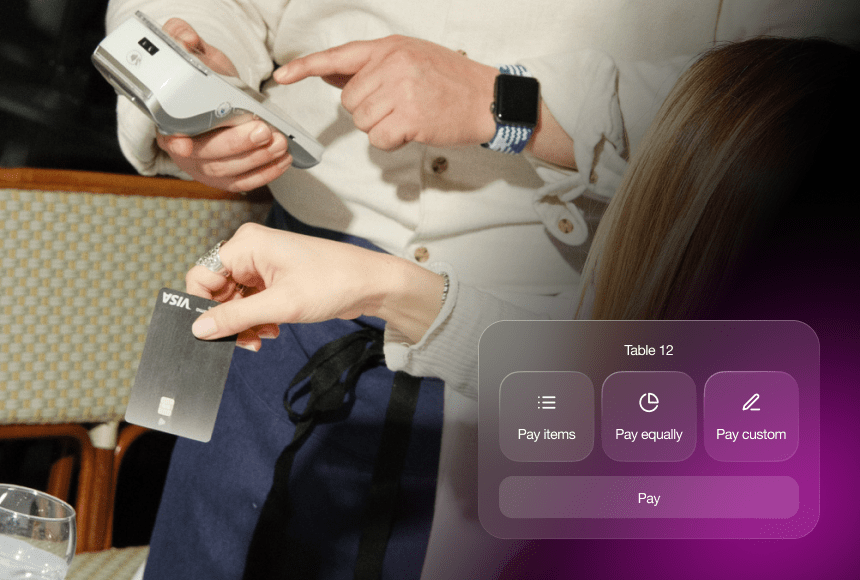
With a flexible solution like sunday, your guests can scan a code on their receipt, review their order, add a tip if they wish, and pay in seconds. It’s a relief for those struggling to get home amidst transport disruptions or battling stormy weather. Quick transactions can also encourage repeat business from customers who remember how simple it was to settle up without waiting around in a busy restaurant.
11. Maintaining Morale: Staff Well-Being Matters
No matter how prepared you are, staff will often bear the brunt of handling frantic takeaway orders. If you’re not mindful, the stress can boil over, resulting in burnout or high turnover rates. Looking after your team’s well-being ensures you keep momentum going, even on those tricky days.
Consider:
- Break Rotations: During peak times, let staff take quick breathers instead of pushing them until closing. A few minutes can revitalise them for the next wave of orders.
- Fair Scheduling: Don’t penalise team members who genuinely can’t make it to work due to strikes or severe weather. Instead, foster open dialogue so they know you understand their situation.
- Team Huddles: Start shifts with short, positive huddles. Clarify goals for the day, mention any special deals and remind everyone they’re part of a cohesive, caring unit.
A happy team will treat customers with warmth and efficiency—turning a quick takeaway transaction into a pleasant experience during an otherwise inconvenient day.
12. Seizing Opportunities for Future Growth
Each disruptive event is a chance to learn, adapt and evolve. Tube strikes, thunderstorms, or sudden snowfall can reveal gaps in your processes you never knew existed. They also often highlight the strengths that will help you grow in a highly competitive sector.
When the dust settles (or the rain stops), schedule a debrief with key staff:
- Review Sales Data: Compare actual orders against your forecasts. What surprised you? What soared? What flopped?
- Gather Staff Feedback: Let employees weigh in freely. They might point out issues or innovations that can improve the system for next time.
- Customer Feedback: Read online reviews from that day, or conduct quick follow-ups to see what aspects of the experience impressed or disappointed. You might discover recurring themes like “loved the quick pay feature” or “wish they offered contact-free delivery.”
Document your findings, adjust your approach and keep refining until you build a robust framework that handles any sudden influx of takeaway orders brought on by the UK’s famously fickle conditions.
13. The Value of Collaboration and Local Community
During tube strikes—or in harsh weather—it can be beneficial to connect with other local businesses or community groups. Pool resources where you can: for instance, collaborating with nearby shops to arrange a joint delivery drop-off point if traffic becomes an issue.
According to The Guardian’s business section, hyperlocal strategies have become increasingly important, especially in times of economic uncertainty. By forging local partnerships, you lighten your load, gain cross-promotion opportunities and expand your brand presence in neighbouring areas.
Local collaboration fosters loyalty as well. Patrons appreciate seeing you support the local scene. It humanises your restaurant and strengthens its relationship with the community at large.
14. Final Thoughts: Sustaining Resilience
Adapting to tube strikes and inclement weather may feel daunting at first. However, there is always a silver lining. Strong takeaway strategies can cushion your bottom line and strengthen customer relationships under pressure.
From adjusting labour and managing stock levels to optimising your digital presence, every action you take sets the table for success, no matter how turbulent external factors may be. Keep your approach warm, creative and consistent—just like your favourite family recipe. When diners know they can rely on you to deliver top-notch meals with minimal hassle, you’ll become their go-to choice for both everyday cravings and unexpected disruptions.
FAQ
1. How can I predict takeaway demand during a tube strike?
Combining historical sales data, real-time local news updates and your gut instinct typically provides a workable forecast. Look for patterns from past strikes or severe weather events to understand how many extra takeaway orders you might receive.
2. Is it worth offering special deals on rainy days?
Yes, absolutely! A well-advertised “rainy day discount” or free delivery can entice customers who are reluctant to go out. It’s a great way to capture local demand and demonstrate empathy for their situation.
3. How do I handle delivery if weather conditions are extreme?
Focus on safety first. If your in-house drivers consider roads unsafe, communicate delays to customers immediately or suspend service temporarily. Having a reliable delivery partner or network can help, and keeping customers up to date on social media reduces confusion.
4. How much inventory should I keep on hand for sudden demand?
Use par levels and sales data to guide your inventory decisions. Stock up on high-demand ingredients, acknowledging that you may use more during tube strikes or storms. Prioritise items used in your bestsellers and don’t overextend too much on slow-moving products.
5. Can a quick payment method like sunday’s QR codes really make a difference?
Yes. Shortening checkout times benefits both customers—who don’t want long waits in chaotic conditions—and staff, who can refocus on preparing orders. It leaves a positive impression, encouraging repeat business and positive reviews.


 1min
1min
 1min
1min