Empowering Your Service Team When Business Slows Down
Low season brings unique challenges to restaurants, with fewer diners walking through the door. The quieter pace often impacts front-of-house staff the most, sometimes reducing tips, hours, and general morale. Yet these slower months can be turned into an opportunity for improvement, staff development, creative promotions, and enhanced customer engagement. By optimising team schedules, investing in meaningful training, and introducing smart digital solutions, you can keep morale high and strengthen customer satisfaction. This approach to the low season supports both your business’s bottom line and your team’s well-being, all while ensuring you’re ready to bounce back when busier days return.
The Seasonal Slump and Its Impact
Restaurants often experience unpredictable traffic in the UK, especially outside festive or holiday periods. According to data shared by BigHospitality (bighospitality.co.uk), many establishments see a significant dip in reservations in the early months of the year. This results in staff dealing with long gaps between tables or having to juggle uncertain schedules. It’s a time when the entire operation feels the chill, but front-of-house teams are at the forefront of it all.
Fewer bookings can mean less opportunity for tips, which can be demotivating. Additionally, quieter shifts might foster feelings of boredom if not managed properly. When staff members feel underutilised, service quality can drop—ironic, given that slow times can also be used to deliver an outstanding guest experience for those patrons who do come in.
Under these conditions, frustrations can build quickly, leading to potential retention issues when you need your staff the most. While the temptation might be to adopt a “manage it as it comes” approach, wise restaurant owners are using the low season to refine operations, show appreciation to employees, and strengthen the communal spirit.
Renewing Motivation in the Quiet Months
Staying motivated is crucial for front-of-house staff, especially when footfall is low. While you may not be able to magically increase guest counts, you can make sure your team is engaged, learning, and ready for the next rush. Here are a few ways to achieve that balance:
- Proactive Scheduling: Make schedules fair and flexible where possible, offering staff opportunities to take on additional roles or projects. This ensures that nobody is left feeling short-changed.
- Clear Communication: If there’s a plan for promotional campaigns, tasting events, or updates within the restaurant, keep everyone informed. This fosters a sense of anticipation and belonging.
- Incentives for Cross-Training: Allow your hosts to shadow bartenders for a shift, or let servers try their hand at front-of-house managerial tasks under supervision. These experiences expand employees’ skill sets.
Consider sharing stories of how quieter months have helped other eateries thrive. It’s a reminder that downturns don’t have to be dreaded; instead, they can serve as the perfect springboard for operational fine-tuning and personal growth.
Upgrading Knowledge and Skills
One of the biggest oversights during slow seasons is failing to capitalise on the extra time available to staff. When tables are empty or there’s a lull between seatings, staff can become restless. Transforming that downtime into learning moments brings several advantages:
- Building Confidence: Skilled, knowledgeable team members feel better equipped to handle even the trickiest situations, be it a guest complaint or a last-minute large booking.
- Enhanced Guest Experience: Diners appreciate interacting with staff who can provide detailed menu guidance, recommend beverage pairings, and share the story behind each dish.
- Preparing for Future Trends: The restaurant industry is ever-evolving. Training your team now ensures they’ll adapt swiftly to changing norms, technology, and customer preferences.
In practical terms, you might conduct short training sessions on local sourcing, new meal additions, or the heritage of certain dishes. Another approach is to invite a producer or sommelier to share product knowledge with your staff, elevating the entire service experience.
Emphasising Upselling Tactics Sensibly
When the restaurant is quieter, each sale matters more. Encouraging subtle, customer-focused upselling can generate a noticeable boost in revenue. The idea isn’t to pressure diners into buying items they don’t want—rather, it’s about highlighting the best your menu has to offer. A well-trained server can gently recommend:
- An appetiser that pairs beautifully with a main dish
- A higher-end wine or beer whose flavours complement the guest’s chosen meal
- A dessert cocktail or digestif to finish the experience on a memorable note
Ensuring your staff can speak confidently about pairings and dish recommendations can significantly increase the chances of a successful upsell. Importantly, these suggestions need to come across as natural, which happens when staff themselves believe in and are excited about the offerings.
Aligning Your Digital Strategy with Staff Needs
Technology continues to play a central role in the modern restaurant experience. Guest expectations have changed, with many customers preferring quick digital interactions—even for processes like placing orders or settling the bill. Integrating a digital payment solution that supports QR codes and mobile tipping can lessen the load on your front-of-house team, especially during slower shifts.
Automating parts of the ordering process also frees staff to focus on areas that can’t be automated, such as personal greetings and guiding guests through the menu. Instead of spending five minutes handling every single bankcard at the table, your servers can look after the guest’s comfort and build relationships. In this sense, technology isn’t replacing the human element; it’s strengthening it, and no time is better for adoption than when footfall is calm.
Encouraging Customer Engagement and Reviews
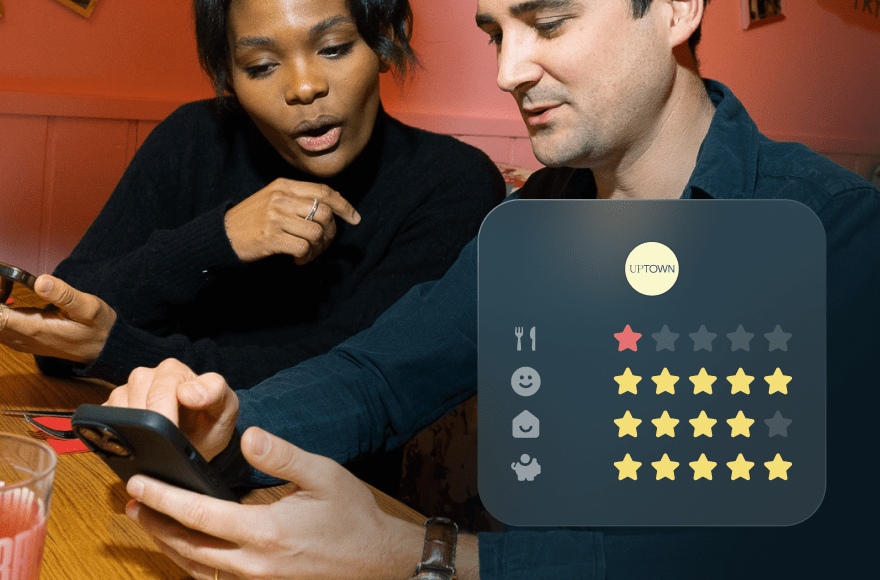
Many diners check online reviews before booking a table, so gathering positive customer feedback is vital. Dissatisfied guests tend to be more vocal, so encouraging happy customers to leave honest feedback is a powerful tool. Low season can be a great time to explore strategies such as:
- Post-Meal Reminders: The moment someone settles their bill is often a window to invite them to leave a quick review.
- Subtle Email Follow-Ups: If they’ve booked online, follow up with a gentle email requesting feedback. Tailor the message to be personal and thank the customer for visiting.
- Incentivising Loyalty: Offer a small discount on their next visit or a free appetiser if they complete a quick survey—always ensuring it’s tasteful, not desperate.
When your guests see that you value their opinions, they’re more likely to share positive experiences online. This strengthens your reputation year-round, giving you an excellent foundation for busier periods.
Flexible Scheduling for Better Staff Well-Being
One of the most practical ways to keep your staff happy is to adapt schedules compassionately during off-peak times. You might not need a full roster of servers every day, but finding the right balance is crucial so no one feels they’ve lost out on vital hours.
Tech-based rota management systems can help you forecast demand, then assign shifts accordingly. You might, for instance, identify patterns in reservations and maintain minimal staff during traditionally slow afternoons, but ramp up team members around special spirits tastings or dinner rush patterns.
Being transparent about scheduling decisions builds trust between management and employees. Knowing exactly why certain slots are cut and others remain ensures staff don’t feel singled out. Moreover, rotating roles or giving the option for front-of-house staff to help in other areas (like packaging takeaway orders, marketing events, or assisting with light prep if qualified) can keep them engaged and ensure they’re gaining new experiences.
Creating Events That Attract Diners
Worried about sparsely filled tables? Hosting themed nights or special events can liven up the atmosphere. These events not only draw in customers but also break the monotony for your waiting staff. Some ideas might include:
- Local Brewery or Vineyard Collaboration: Pair dishes with craft beers or wines, and invite the producers to chat with guests.
- Cooking Demonstration Evenings: Showcase a signature dish with a live chef demonstration, involving your waiting team as assistants or guides.
- Tasting Menus for Special Occasions: Create a multi-course menu at a set price, with carefully selected pairings—something to entice foodies during quieter months.
These events can reinvigorate your service team, giving them something new and enjoyable to present. The resulting buzz also helps maintain a high level of engagement among staff and guests alike.
Leveraging Technology for Convenient Payments
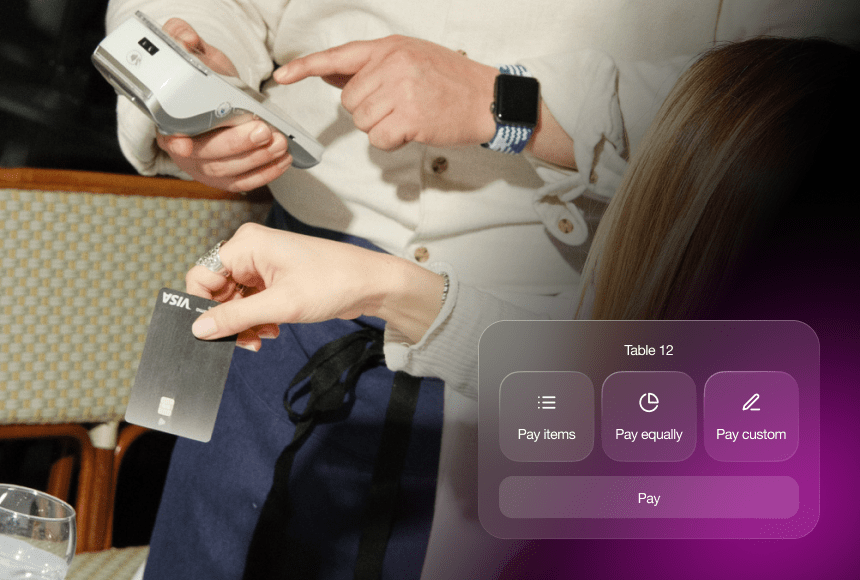
Front-of-house teams spend a lot of their time handling payments, often under the watchful eyes of guests who are in a hurry. Queues can form quickly around the card machine or the point-of-sale terminal. Slower seasons still require a smooth, welcoming checkout process. That’s where user-friendly solutions like sunday can help:
- Customers scan a QR code to view and settle their bill directly from their smartphone
- Staff have more time to offer that final personal touch, like recommending a dessert takeaway or asking about overall satisfaction
- Gratuities can be added instantly, which is convenient for guests wishing to show appreciation
Even if you handle fewer guests, ensuring each one pays hassle-free fosters positive impressions. And, from a practical standpoint, it’s less work for your servers, helping them stay alert and available to assist diners with something more memorable than a card reader.
Elevating the Team’s Sense of Ownership
Most front-of-house staff want to feel they’re contributing to the restaurant’s success in a meaningful way. Fostering a sense of ownership can transform a slow day from boring into an opportunity for innovation. Encourage employees to share ideas for upselling, new promotions, or even dining room decor improvements.
Research by the Chartered Institute of Personnel and Development (cipd.co.uk) has shown that when employees feel heard, they remain more engaged and committed. Sit down with your staff and ask:
- What do you think would attract more diners on a Tuesday night?
- Any fresh ideas on how to improve the ambience?
- Are there menu items you consistently get positive feedback on that we could highlight better?
Even small changes can galvanise the team, making them feel proud of where they work. It also sets a precedent for collaborative effort, important for retention and morale throughout the year.
Maximising Marketing Without Exhaustive Spending
Full-scale advertising campaigns might be out of reach or simply unsuitable during low season. Yet there are budget-friendly ways to keep diners coming. You could:
- Promote on Local Community Groups: Many neighbourhood Facebook or WhatsApp communities let local businesses share promotional posts. Focus on what makes your restaurant memorable.
- Refresh Your Social Media Content: Post short, behind-the-scenes videos of your staff prepping for service, or highlight a new ingredient from a local supplier. People love authenticity.
- Offer a Compelling Weekday Deal: A well-priced set menu or happy hour can draw in cost-conscious customers or those seeking a mid-week treat.
Empower your team by letting them share your latest posts on their personal social channels if they’re comfortable doing so. It can prove surprisingly effective in driving local traffic—and it shows that your staff believes in the experience enough to promote it themselves.
Maintaining High Spirits and Fostering Team Camaraderie
Team cohesion underpins great service. During quieter times, consider prioritising group activities that bring staff together outside work:
- Team Meals: Let your front-of-house and kitchen teams share a meal at the end of a Friday shift. It’s an informal debrief and bonding session all in one.
- Local Charity Involvement: Join or organise small fundraising events. Staff who volunteer together often develop strong interpersonal bonds, which translates to better communication at work.
- Contests and Recognitions: Who can recommend the most popular dessert of the week? Who has raised the most smiles? Small competitions or weekly acknowledgments keep energy levels high.
A supportive environment encourages mutual respect and consistent performance, vital for delivering great hospitality. Even a shared inside joke or a light-hearted competition can brighten the mood, reflecting positively on every table you serve.
Revisiting Workplace Policies and Standards
Low season can also offer a breather to reassess policies that might be outdated or in need of clarity. For instance, you might review:
- Dress Code and Uniform Standards: Does your front-of-house team have a dress code that feels both professional and comfortable?
- Customer Service Guidelines: Are your service steps consistent from the welcome to the farewell?
- Break Schedules: Are staff breaks fairly allocated and aligned with current labour laws?
Refresh your front-of-house service handbook so that when business picks up, everyone hits the ground running with consistent, high-quality standards. Your goal is to cultivate a positive, transparent environment that not only attracts customers but also retains top-notch staff.
Adjusting Pricing and Offering Special Deals
It’s no secret that the cost of ingredients can fluctuate. If some items are becoming too expensive to maintain your usual margin, adjusting your menu for the season can be a shrewd move. That doesn’t mean slashing prices indiscriminately—rather, create distinctive offers that are beneficial yet profitable.
For instance, consider:
- Promoting Lesser-Known Dishes: If your chef has a brilliant slow-cooked stew or a hearty vegetarian specialty, highlight these options that are cheaper to produce but still wow diners.
- Seasonal Ingredients: When produce is in season, it’s often more affordable and better tasting. Build specials around local, fresh produce.
- Bundle Deals: Offer a set price for a starter, main, and dessert to encourage guests to dine out mid-week. This also simplifies decision-making for those looking for good value.
Your front-of-house staff plays a big part in promoting these changes. Ensure they are fully briefed on any limited-time menu items or deals, so they can explain them enthusiastically to customers.
Embracing the Role of Tech for Front-of-House Efficiency
Even though the dining room may have fewer guests, running a restaurant involves juggling reservations, managing table allocations, and delivering quick, reliable service. Technology streamlines this. A robust reservation system can help you better predict daily covers, minimising guesswork for your staff. Meanwhile, adopting a digital menu or mobile ordering system shields your servers from repetitive tasks and keeps them available for genuine hospitality.
One area often overlooked in traditional restaurants is the payment process. By integrating a solution like sunday, you allow customers to scan a QR code and handle the payment on their phone—no fussing with the card terminal, no back-and-forth to the table. This convenience not only pleases diners but also gives your staff more time to focus on care and attention where it truly matters. During the low season, that efficiency can be vital for maintaining a high standard of service, as staff are more likely to be wearing multiple hats.
The Power of Engaged Leadership
A strong leadership presence is essential to influencing front-of-house morale. Being visible on the floor, speaking directly with staff, and acknowledging their contributions goes a long way. During the slow season, take a moment between services to check in:
- Do they need more support or a quick break?
- Have they noticed any recurring customer feedback that might need your attention?
- Are there any obstacles preventing efficient service that you can address?
Leadership isn’t just about giving orders; it’s about providing guidance, resources, and empathy. When staff see that management is invested in their success and well-being, they are more inclined to give their best.
Investing in Long-Term Staff Retention
High staff turnover can be especially draining during the off-peak months. You don’t want to lose employees just when you start to get busier again. Encouraging loyalty among front-of-house staff requires a blend of fair pay, recognisable benefits, and respectful management practices. It can be as simple as:
- Offering Pathways to Growth: Let staff know they can move up the ranks or take on new responsibilities if they’re consistently performing well.
- Providing Small Perks: Perk up the slow season with a complimentary staff meal or the occasional day where restaurant surpluses are shared with the team.
- Celebrating Milestones: When someone hits their one-year anniversary, or the restaurant achieves a big milestone, acknowledge it publicly.
By championing an environment built on mutual respect, you’re far more likely to see employees stick around, even through the ups and downs of seasonal dining patterns.
FAQ: Frequently Asked Questions
Below are some common questions restaurant owners have about navigating the slow season and looking after front-of-house staff.
How can smaller restaurants afford extra training during low season?
Rather than hiring external trainers, leverage in-house skills or partner with local suppliers who are often keen to showcase their products. Short, focused sessions led by experienced team members can be just as beneficial, with minimal extra cost.
What if my staff resist adopting a new technology like mobile payments?
It’s normal to encounter initial hesitation when introducing something new. Explain how solutions like sunday free up their time for more meaningful interactions with guests. Offer a clear demonstration and provide ongoing support. Once they see how much simpler it makes the billing process, most will embrace the change gladly.
Is it a good idea to reduce prices significantly during the slow season?
Dramatically cutting prices can devalue your brand. Instead, market creative promotions or themed menus that attract customers based on experience and quality. You can adjust portion sizes or ingredient choices to maintain profitability without cheapening your restaurant’s image.
How do I avoid staff burnout when footfall rises again?
Use the quiet period to refine rota management, identify top performers, and ensure the entire team is cross-trained. This way, once things pick up, you can spread responsibilities more evenly and prevent any single individual from bearing the brunt of the extra work.
Why focus on employee morale if customer numbers are low?
Staff who feel valued produce better guest experiences, even on slow days. Word-of-mouth and online reviews matter. If your team goes above and beyond for the few tables they have, those guests are more likely to give glowing feedback, boosting reputation and future bookings.


 1min
1min
 1min
1min