Rekindling Your Restaurant Team’s Spirit in the Frosty Season
Even the most bustling restaurants can see a drop in covers during the colder months, taking a toll on staff morale. Slower shifts mean less excitement and fewer tips, but small actions can sustain your team’s enthusiasm. Added training sessions, creative menu tweaks, or a bit of flexibility in scheduling can make a world of difference. Motivated employees will deliver warmer customer service and boost your restaurant’s reputation. Plus, tools like quick-pay solutions encourage efficient service, especially when time is tight. A confident and engaged workforce transforms quiet winter days into opportunities to shine.
1. Recognising the Winter Slump and Why It Happens
The hospitality sector across the UK can experience a noticeable slowdown from early January to late February. After the festive season, people often focus on tightening their budgets or sticking to new-year resolutions, meaning they dine out less frequently. According to Big Hospitality, some venues in London report a significant drop in footfall at the start of the year (source).
It is crucial to understand why things slow down. When you identify these triggers, you can better adapt your strategy:
- Post-festive fatigue: After the whirlwind of Christmas and New Year celebrations, many customers consciously decide to spend less.
- Weather challenges: Harsh cold spells and unpredictable weather discourage people from venturing out.
- Holiday debts: Families might be prioritising repaying seasonal expenses, leaving less disposable income for dining out.
- Health-oriented decisions: Many people attempt “dry January” or choose lighter meals at home, affecting restaurant visits.
In these conditions, staff can feel the dip too—lower tips, fewer tables, and a drop in the enjoyable hustle can deflate enthusiasm. So how do you, as a restaurant owner, prevent low footfall from translating into low morale?
2. Understanding the Toll on Your Team
Your servers, kitchen staff, and managers are the heart of your establishment. If their motivation wanes, it can affect the overall guest experience. Let’s see why staff may lose steam during quieter winter shifts:
- Less Adrenaline: The thrill of busy service fades, and employees might feel bored or unchallenged.
- Reduced Earnings: Fewer guests generally mean fewer tips, which can negatively impact day-to-day personal finances.
- Career Stagnation: With fewer diners, staff might not feel like they are honing their skills or moving forward in their careers.
- Routine Fatigue: Repetition of basic tasks without the excitement of a busy atmosphere can lead to apathy or frustration.
By acknowledging these challenges, you take the first step towards implementing robust, human-centred solutions. The quieter season can be turned into a time for reflection, growth, and training—so your team emerges even stronger once spring arrives.
3. Cooking Up a Motivational Atmosphere
Motivation starts with leadership and the environment you create. If your team sees you taking care of their well-being and growth, it adds spice to an otherwise bland winter. Consider these ideas:
A. Regular Check-Ins
It may sound obvious, but often gets overlooked. Organise short, frequent conversations over a cup of tea or coffee. Ask your employees how they are coping, gather feedback, and explore ways to address concerns. By doing so, you show genuine care for their work-life balance. You might be surprised at the creative ideas staff offer to improve the restaurant’s performance or the customer experience.
B. Encouraging Initiatives and Team Feedback
In colder months, staff might have spare mental bandwidth. Tap into that surplus of creativity. Invite them to brainstorm new menu ideas, propose seasonal promotions, or experiment with plating styles. Feeling actively involved in decision-making can reignite their passion and sense of responsibility.
C. Celebrating Small Wins
Did a server find a way to upsell a winter special effectively? Did a junior chef perfect a new dessert? Recognise these achievements, no matter how small. A simple announcement before opening or a shared message in your staff communication channel can highlight their effort and boost morale.
4. Investing in Training During the Lull
Quiet times present an excellent opportunity to sharpen your team’s skills. Instead of letting staff watch the clock, turn slow hours into constructive learning moments:
- Cross-Training:
Encourage servers to learn basic kitchen prep or have chefs practise some front-of-house tasks. Staff who understand different roles become more flexible and empathetic—particularly helpful if someone needs to fill in at short notice.
- Customer Service Workshops:
Dive deeper into upselling techniques, dealing with dietary restrictions, or managing difficult situations. The more confident your employees feel on the floor, the more positive your guests’ experiences will be.
- Bar and Cocktail Masterclasses:
If you have a bar, let your bartenders share knowledge with other team members to spark new interest. A bit of flair bartending or latte art can keep staff excited to show off their new skills.
When staff see you investing in their professional development, they feel valued. This investment often pays off in loyalty and productivity once the busy season rolls in again.
5. Reimagining Your Winter Menu
Sometimes, a quiet dining room benefits from fresh flavours or a comforting menu adaptation. Embrace the season’s best produce and local favourites:
- Hearty Comfort Foods: Promote cosy dishes that customers crave during the colder months—think stews, roasts, or indulgent puddings.
- Ingredient Spotlights: Celebrate winter vegetables—the humble carrot or parsnip can shine in creative presentations.
- Hot Drinks and Spiced Specials: Chai lattes, mulled drinks, or gourmet hot chocolates can attract a crowd seeking warmth and novelty.
When staff feel excited about the food and drinks they serve, it radiates through their service. This added enthusiasm can help them remain motivated, since there is fresh material to discuss with diners. A new winter menu not only entices customers to visit but also allows your team to stay engaged, learning fresh prep methods and plating ideas.
6. Boosting Your Team’s Well-Being
Morale is influenced not only by pay and footfall but also by aspects of well-being. Showing genuine care for your employees goes a long way. Remember, a happy team leads to satisfied guests. Here are some ways to prioritise well-being:
A. Offering Flexible Scheduling
Winter can be especially challenging for those juggling parenting duties, studying, or second jobs. Providing flexible shifts, rotating who works weekends, or reducing cut hours encourages fairness. Employees who feel their personal lives are respected tend to bring more positivity to work.
B. Encouraging Physical and Mental Health
Consider partnering with local gyms or yoga studios to provide discounted membership for staff. Alternatively, introduce an end-of-shift stretch routine or mindfulness break. Even a short group walk around the block on a crisp afternoon can rejuvenate team spirit.
C. Small Perks and Tokens of Appreciation
Brighten winter days with treats. Occasionally, organise a staff bake-off, or provide warm beverages on the house. If your budget allows, small gift cards for local coffee shops or covering a staff meal can be a sweet pick-me-up. These gestures remind your team that you see them not as cogs in a machine, but as individuals.
7. Leveraging Payment Flexibility and Seamless Service
One of the hidden stressors for restaurant workers is handling awkward payment processes during quiet times. When transactions slow down, employees can become lax or bored, but the moment a small rush appears—nobody wants to fumble with outdated systems.
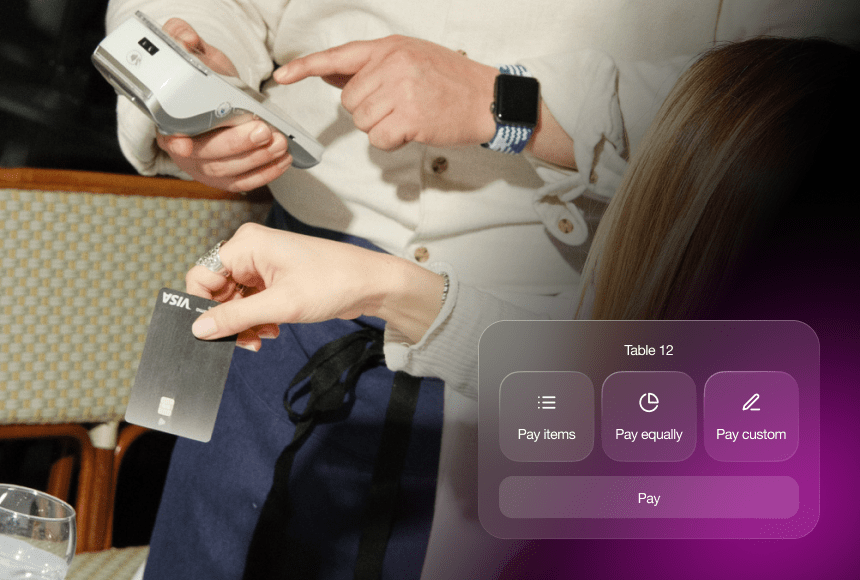
That’s where a reliable, user-friendly digital payment method can help. If your restaurant currently uses old card readers, you might consider upgrading to a more modern platform to keep things running smoothly. For example, sunday allows guests to:
- Pay through a QR code, speeding up table turnover and making tipping more intuitive.
- Leave feedback or write a quick Google review, adding to your online visibility.
- Avoid queuing by the till, reducing confusion for your staff.
The result? Your team can minimise idle time or frustration with old-school systems. They remain sharp, because they can focus on delivering excellent service and building genuine relationships with customers, even if the numbers are smaller than usual.
8. Incentive Schemes: Injecting Fun into the Workplace
The climate doesn’t have to be dreary inside your restaurant. Introducing a few motivational games or competitions can provide staff with new goals to chase:
- Team Contests: Who can upsell the most desserts in a week? Who can get the most mentions in positive customer feedback? Offering a small prize—a day off, a free meal, or a gift card—can create excitement.
- Tip Pools or Bonus Pools: While individual tipping is still important, a collective tip- or bonus-pool system for certain shifts can boost collaboration and camaraderie.
- Random Acts of Kindness: Encourage staff members to write compliments or thank-you notes to each other for a job well done. These small moments of positivity can beat winter gloom.
A dash of friendly competition can keep the entire squad engaged, turning those slower days into a chance to bond. Employees will be more inclined to chat, share knowledge, and be proactive in improving services.
9. Promotion and Marketing: Drawing Diners Out of Hibernation
Winter diners might need an extra nudge to leave the comfort of their homes. Offer promotions smartly to entice bookings and give your team that bustle they crave:
- Branded Special Deals: Create a “Frosty Feast” or “Winter Warmer” menu at a slight discount. Market it heavily on social media or via local partnerships.
- Loyalty Schemes: Reward returning guests with complimentary appetisers or hot drinks. Encourage staff to mention these deals, emphasising how the customer benefits directly.
- Themed Events: Organise quiz nights, live music evenings, or a “striped scarf Sunday brunch” to draw in casual visitors and transform your restaurant into a lively space.
A busier dining room recharges the workforce. Employee satisfaction often piggybacks on guest volume and energy. With creative marketing, you can keep your team happily on their toes, generating the buzz that fosters job satisfaction.
10. Communicating Achievements Externally
When your team does something great—like a revised menu launch or a successful community event—shout about it. Encourage your team to share on social media, and let them take pride in their work:
- Local Press Releases: If you run special winter charity meal programmes or donate leftover food, a mention in local newspapers or magazines promotes your brand and unites the team in a shared cause.
- Social Media Takeovers: Permit staff to post about the restaurant’s day-to-day life—introduce the friendly sous-chef or the bartender known for their wit. This fosters a sense of ownership.
- Community Engagement: Sponsor local events, or invite neighbours and trade associations to try the new menu. This approach can rejuvenate staff and yield new patrons.
Positive public attention and community involvement often create pride among your staff. Individuals want to feel that they are part of something bigger—something that does good beyond just serving food.
11. Encouraging Employee Input into Operations
Facilitate open brainstorming sessions or forums for employees to voice ideas on efficiency and service improvements. You might unearth game-changing suggestions for:
- Minimising Waste: Staff might have an innovative way to repurpose stale bread or trim produce more efficiently.
- Refining Workflow: Waiters know exactly where the bottlenecks occur—listen to them and try new table layouts or ordering systems.
- Optimising Payment Processes: Combining an efficient EPOS system with solutions like sunday can drastically reduce waiting time for both staff and patrons.
When employees have a tangible impact on improving the restaurant, it reaffirms their sense of purpose. They will bring more energy to service, even during those quiet Tuesday afternoons.
12. Fostering Long-Term Career Development
Restaurant work can be transient for many—just a stepping stone on a longer path. However, if you invest in employees’ careers, they are more likely to stay and remain engaged. How can you do this, especially when business is slow?
- Internal Promotions: Encourage dedicated staff to aim for supervisory or management roles. Offer them mentorship with existing managers or access to external leadership courses.
- Personalised Growth Plans: Sit one-to-one with each employee, discover their ambitions, and collaborate on a plan to achieve them—be that advanced wine training or conflict resolution seminars.
- Support for External Qualifications: Consider funding or partially subsidising courses in hospitality management, culinary arts, or barista training. This might cost a bit initially, but the loyalty and skill benefits can be invaluable.
Empowering staff with career progression signals that you see them as partners in the business, not just short-term resources.
13. Handling Conflict and Stress
Even with the best intentions, team members can argue, especially when finances, tips, or job security feel uncertain. In colder months, personal stress or seasonal depression can intensify feelings. Defuse conflicts by:
- Teaching Conflict Resolution: Offer brief training on active listening, empathy, and problem-solving (CIPD resources on staff engagement can help).
- Early Intervention: If you notice tensions rising, talk discreetly to those involved. Address miscommunications before they become bad blood.
- A Supportive Culture: Remind everyone that staff well-being is a collective concern. Encourage them to watch out for each other.
A harmonious, supportive work environment lifts everyone’s mood, ensuring your team keeps its zest for delivering fantastic service.
14. Spicing Up the Experience with Themed Staff Events
If your team is used to summertime socials, replicate that fun during the slower months. A staff game night or a casual potluck can replace the bigger restaurant parties that might be scheduled for busier seasons. By investing in bonding experiences:
- Collective Spirit: They get to see each other outside typical roles—kitchen porters impress with homemade cooking, or front-of-house staff display hidden musical talents.
- Rejuvenated Camaraderie: A tight-knit team shares duties more willingly, stepping in to cover or assist, alleviating stress on busier nights.
- Winter Fun: Embrace the season. A “winter wonderland” theme or a mini hot-chocolate station can set a relaxed vibe.
These gatherings let the team blow off steam and fortify connections that translate into better service on the floor.
15. Highlighting Achievements: Feedback and Online Reviews
Finally, encourage your servers to invite diners to leave a positive review on Google or social media if they enjoyed their experience. Tools like sunday streamline this process—guests can scan, pay, tip, and then quickly drop a short review without extra friction. Why does this matter for motivation?
- Public Praise: Staff appreciate seeing their efforts recognised publicly—reviews that compliment a server by name can be priceless morale boosters.
- Indirect Guidance: Any constructive critique in reviews offers insights into what can be improved.
- Better Community Standing: A stronger online presence can improve footfall, starting a positive cycle of more tips, more engagement, and more passion for the job.
When employees feel connected to the restaurant’s reputation, they put heart into their work—and that resonates with every guest they serve, even during off-peak times.
FAQ
- Q: How can I manage staff hours when business is slow?A: Aim for rotational fairness and open communication. If you need to reduce hours, share future plans, like upcoming events or promotions, so employees see light on the horizon. Consider partial cross-training to keep them active in other roles.
- Q: Is it worth spending time and money on training during quiet periods?A: Absolutely. Winter is an ideal time to develop staff skills, because they have more time to absorb new knowledge. Improved skills often translate into a more capable and engaged team, ready to handle the rush when it returns.
- Q: What if I can’t afford big staff perks?A: Perks don’t have to be expensive—start small. Even a weekly treat from local bakeries, flexible shift swaps, or sincere recognition of good work are powerful. The key is consistency and authenticity in showing that you value your team.
- Q: How can a digital payment solution keep my team motivated?A: Using a user-friendly payment platform, like sunday, can streamline tasks. Faster checkouts, clear tipping options, and less stress at closing time preserve staff energy and maintain a comfortable pace, boosting overall morale.
- Q: Are loyalty or discount schemes effective for attracting customers in winter?A: Yes, they can encourage guests to revisit. Pair them with creative marketing—like themed events or social media offers—to give a sense of exclusivity. More customers mean livelier shifts, which helps keep morale high.


 1min
1min
 1min
1min