How to Maintain Takeaway Success When Demand Drops
Takeaway demand can fluctuate for all sorts of reasons—from seasonal changes to shifts in customer behaviour. To stay profitable throughout quieter periods, restaurant owners can diversify their offering, adjust their budget, and create memorable customer experiences. Practical steps include optimising packaging, engaging your local community, rethinking your menu for efficiency, and making smart use of technology. Simple measures such as upselling, digital marketing, and offering promotions at the right moments can make a big impact. Maintaining morale among your kitchen and front-of-house teams is also crucial. Finally, tracking results and refining strategies ensures that when business picks up, you’re already in the best position to profit.
1. Understanding the UK’s Ever-Changing Takeaway Landscape
The restaurant industry in the UK is an ever-evolving tapestry. Trends come and go, while the broader economic context can quickly alter consumer spending habits. These fluctuations can be especially noticeable in the takeaway segment, where an abundance of third-party ordering platforms and logistics solutions strive for a share of the same customer base. In busier months, your takeaway business may thrive. However, when orders slow down, even well-established brands can feel a pinch.
According to UKHospitality, the country’s dining sector is resilient but experiences regular seasonal peaks and troughs. As a restaurant owner, the question becomes: how do you keep your takeaway offering profitable, even when the phone or online ordering system is quieter than usual?
Let’s explore practical ways you can cushion your profits during off-peak times, whether you operate a small family café or manage a city-centre brasserie. The goal is straightforward: preparing your business so it remains strong, nimble, and lucrative—even when consumer appetite for takeaway seems to taper.
2. Evaluate Menu Items for Maximum Efficiency
A menu that is too large or features complicated dishes can weigh down your profitability. During slower periods, evaluating your menu and focusing on the most efficient items can help reduce food waste, labour costs, and inventory headaches. Remember that flavours should be exciting, but complexity can be the enemy of speed and profit.
- Identify top-selling items: Your POS data will reveal what customers love. Keep these items front and centre.
- Reduce less-popular dishes: If an offering sells rarely, it’s likely consuming fridge space and staff energy. Consider taking it off the menu, at least temporarily.
- Focus on portable specialties: Meals that travel well and maintain quality in transit are best for takeaway, reducing complaints and refunds.
- Simplify for staff: By choosing dishes that share common ingredients, you streamline prep work and decrease spoilage.
Always remember that in quieter times, it’s not about how extensive your menu is but how well each dish contributes to the profit margin. If your “signature garlic pasta” makes up 40% of your takeaway orders and yields a great margin, it’s a keeper.
3. Manage Resources and Cut Waste
When orders slow, resource management becomes the name of the game. Wasted ingredients, underutilised staff, or high utility bills can quickly erode your remaining profits. As a responsible restaurant owner, you want to ensure optimum usage of both culinary supplies and human resources, especially when fewer orders come in.
3.1 Optimise Kitchen Prep
- Pre-portion ingredients: This helps your team manage exact quantities and reduces over-preparation.
- Use fresh produce smartly: If certain ingredients are at risk of going off, incorporate them into specials or highlight them as “limited-time offers.”
- Introduce flexible scheduling: If you see predictable patterns of slowdown, consider different shift rostering to save on labour costs.
3.2 Streamline Packaging
Packaging is a vital but often overlooked component of takeaway. Not only does it protect your food, but it shapes the all-important first impression. Yet, packaging can be a source of significant waste—both financially and environmentally.
- Bulk-buy eco-friendly packaging: Many suppliers offer discounts, and customers appreciate sustainable options.
- Ensure the right size: Oversized packaging can be expensive and send the wrong signal to your diners. Under-filled boxes hint at small portions.
- Experiment with formats: Well-sealed containers keep sauces and soups intact, avoiding messy incidents and refunds.
By revisiting how you package and present your takeaway, you stand out from the competition—especially in a market where many customers prefer brands that showcase responsible practices.
4. Use Technology to Your Advantage
In today’s market, a significant part of revenue management involves harnessing the right technology. Gone are the days when you could rely solely on a phone line for orders; consumers expect digital convenience and speed. By integrating modern solutions, your business can stay dynamic.
4.1 Online Ordering Platforms
Third-party platforms can extend your reach, but they also come with commission fees. It might be beneficial to steer your loyal customers towards your own website or in-app ordering service. Fewer intermediaries mean more revenue remains in your pocket. Consider:
- Creating a direct ordering page on your main website.
- Offering exclusive deals (discounts or free add-ons) for customers who order directly, helping offset aggregator commission charges.
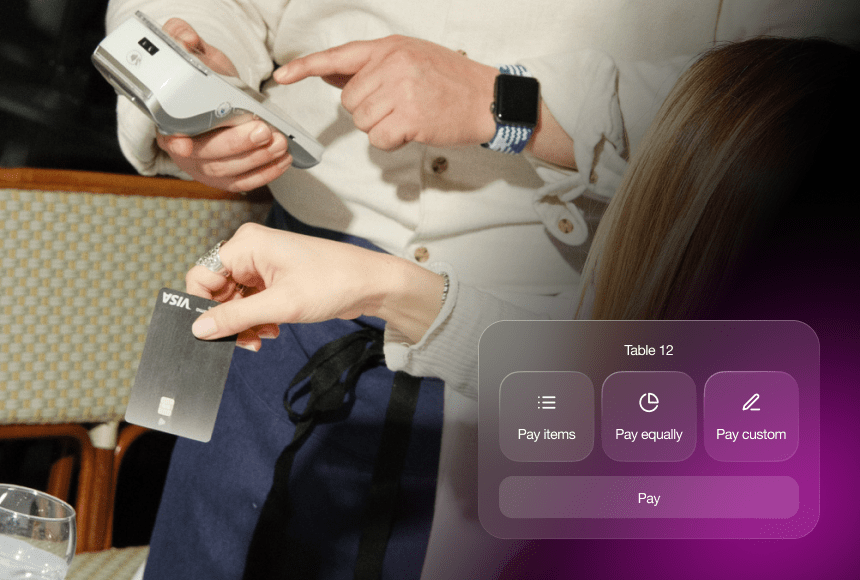
- QR code payment solutions like sunday to speed up the payment process for onsite takers and reduce queues.
4.2 Stock and Cost Management Tools
Modern software can simplify your daily routines. Automated inventory checking ensures that you never over-stock or run out of key ingredients right before a busy Saturday evening. You can even track real-time costs and compare them against revenue, giving you a constant handle on your profit margins.
Plus, integrated data from these systems can inform your next marketing campaign. If your app reveals that Wednesday is always slow, you might run a midweek promotion or highlight a “Chef’s Special Combo” to attract office staff who might want takeaway lunches during the week.
5. Rethink Your Marketing and Community Engagement
When orders are quiet, it’s tempting to go silent on marketing efforts. However, that’s when you should speak louder—so that when customers wish to dine in or order out, your restaurant is fresh in their mind.
5.1 Local Community Partnerships
- Collaborate with local businesses: Offer them discount codes or referral deals that benefit both parties. For instance, a nearby cinema might give out vouchers for your takeaway to keep the audience fed.
- Join local events: Food festivals, charity engagements, or school fairs can be a direct route to new clientele, especially if you serve top-notch street-food style samples.
5.2 Email and Social Media Outreach
Don’t forget about the power of a well-timed email to your existing customer database. If you have a new seasonal dish or a limited-time offer, let them know. Courteous, friendly reminders can bring hungry customers straight to your site or phone line.
- Post behind-the-scenes content: Customers love glimpses of your kitchen in action, favourite recipes, or your chef’s personality.
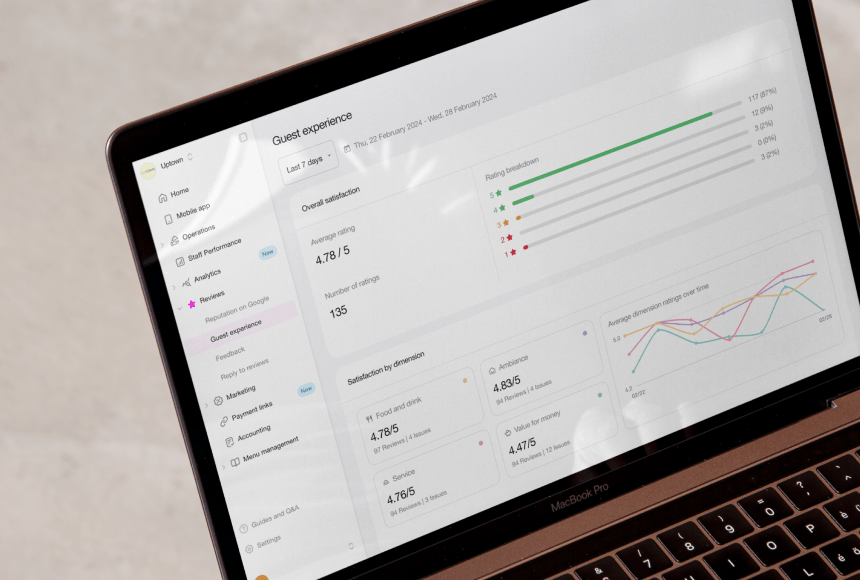
- Encourage reviews: People checking Google or social media often base decisions on star ratings. Nudging a well-satisfied guest to leave a review can pay off enormously. A short line on their phone receipt or a QR code that links to a review page can do wonders.
- Reward loyalty: For returning customers, offer meal deals or a free dessert as a thank you. Nothing cements loyalty like feeling valued.
6. Adjust Budget and Forecasting
Sometimes, a slump in takeaway orders indicates that it’s time to reevaluate your finances. Forecasting might seem like guesswork, but data can help reduce uncertainty.
6.1 Accurate Sales Predictions
Even small, independent restaurants can make use of historical data and local trends. If you know that January typically sees fewer takeaway orders after the holiday splurge, plan accordingly. Reduce staff hours slightly or adjust your closing times, so overheads match real demand.
6.2 Negotiate Supplier Deals
If a regular supplier offers better rates for bulk orders or prompt payments, capitalise on that. Also, keep in mind that some produce is cheaper in certain seasons. Adapting your menu to feature seasonal ingredients not only appeals to consumers’ desire for fresh, local dishes but also helps with margin control.
7. Keep Your Team Motivated
Morale in your restaurant can drop just as easily as order volume during slow periods. A motivated team, however, can make all the difference in how you weather the downturn. Let’s face it: a bored server might not prioritise upselling, and a chef who feels insecure may not focus on delivering their best.
- Offer cross-training: When business is slow, train staff on tasks outside their usual roles. Having a server learn food prep or an assistant manager handle online marketing fosters engagement and flexibility.
- Celebrate small wins: If your restaurant meets its weekly sales target or garners excellent reviews, share that success with the entire team.
- Encourage feedback: Your on-the-ground team often sees overlooked cost-saving ideas or experiences small inefficiencies. Let them voice solutions and reward contributions.
A favourite strategy of many restaurant owners is to host a monthly staff tasting—when new or revised dishes are introduced, everyone gets a chance to taste, critique, and feel part of the creative process. This not only improves menu quality but fosters a collective sense of purpose.
8. Diversify Your Revenue Streams
The more ways you can reach your customers, the less reliant you are on a single channel. When takeaway orders slow, a diversified approach can pick up the slack.
8.1 Meal Kits and D-I-Y Boxes
There’s something undeniably fun about cooking kits, where customers receive raw or semi-prepped ingredients and instructions. If you’re known for your spectacular curry or signature sauce, packaging some elements for patrons to recreate at home could be a hit. Smoothly branded, well-instructed meal kits are also gift-worthy, especially around holidays.
8.2 Hosting Small Events
From private cooking classes to themed tasting evenings, you can open up a new income avenue. These events can fill up seats in your dining room during typically quieter days of the week, while also showcasing your culinary prowess to an engaged audience.
Consider offering packages: a midweek “Cheese Appreciation Night” or a Sunday “Family Brunch Cooking Masterclass.” Such experiences can be promoted on social media and via direct email marketing, often generating stable revenue from guests willing to pay for something unique.
9. Turn Customers into Brand Ambassadors
In the digital era, word-of-mouth is more powerful than ever, amplified by social media and review platforms. Satisfied diners can become your biggest ambassadors if you give them the right tools and incentives.
- Spotlight customer photos: Ask your customers to share how they’re enjoying their takeaway at home. Reposting user-generated content can build authenticity and hype.
- Create referral programmes: Offer a discount or loyalty stars to both the referrer and the new customer. The more inclusive and appealing you make such programmes, the better they work.
- Encourage post-dining feedback: Feedback forms or quick online questionnaires (especially ones integrated with your QR code payment flow) help gather honest opinions. If something is amiss, you can fix it before it affects your reputation publicly.
10. Take Advantage of Seasonal Lulls
Counterintuitive as it sounds, a quieter season can be the perfect window to refine your operations. When you’re not juggling dozens of orders every hour, there’s breathing room to analyse performance, reorganise the storeroom, or re-train staff.
- Test new dishes: Craft a small sampling menu for takeaway and gather feedback before a big menu revamp.
- Refresh branding and signage: If your logo or packaging design is outdated, now’s the time to work on a facelift that could turn heads once the busy season returns.
- Evaluate new tech solutions: Whether that’s implementing a more efficient card reader or upgrading your integrated stock system, use the lull to transition smoothly without overwhelming staff.
Seasonal lulls aren’t all doom and gloom. They’re often goldmines of opportunity for restaurants that approach them strategically.
11. Making Every Order Count
Even if the number of orders is lower, each one can yield a higher revenue. Think about how to excerpt maximum value from every interaction. One simple solution is upselling:
- Recommend sides and desserts: A simple “Would you like to add sweet potato fries or a chocolate brownie?” can raise the bill by a few pounds each time.
- Bundle deals: Presenting a “family feast” option that includes mains, sides, and drinks can deliver a larger total spend, while customers feel they’re getting good value.
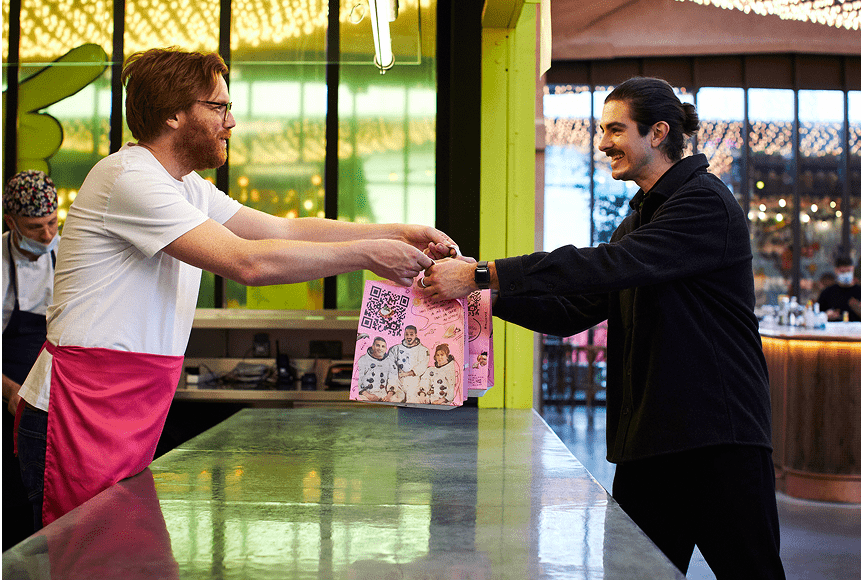
Consider your approach to packaging and presentation just as important. A neatly sealed bag with a personal thank-you note (perhaps from the head chef or restaurant owner) makes your takeaway brand stand out. These finishing touches live on in the customer’s memory, fueling repeat purchases.
12. Showcasing Your Restaurant’s Story
Behind every successful restaurant, there’s an origin story: the chef’s favourite childhood dish, a family recipe passed down for generations, or a dream that started from a simple food truck. Showcasing that story makes your brand more approachable and personal. People are more likely to forgive a slightly late delivery or a missing sauce if they feel emotionally connected to your values.
In quieter periods, share your journey via your website, social media, or printed materials included in takeaway orders. Draw that emotional line for your customers, and you might see them come back not just for the taste but also for your authenticity. If it feels right, mention how you discovered the secret marinade recipe while backpacking in the Lake District, or how your grandmother’s love of fresh herbs still guides your cooking approach. This sense of place and purpose differentiates you from large chains.
13. Payment Innovations and Speed
We live in an era where convenience dictates consumer choice. Lengthy payment processes, complicated double-checking with staff—these can deter potential regulars. Simplifying how diners pay can lead to better turnover, whether it’s for a dining-in scenario or for takeaway pick-ups.
That’s where solutions like sunday come into play, enabling your customers to settle their bills swiftly by scanning a QR code on their table or receipt. No fumbling with multiple bank cards, no standing in a queue for a card reader—just quick, contact-free convenience. And you can integrate a tipping feature, so diners can show appreciation for your staff’s efforts without the common awkwardness that sometimes arises around tipping.
Lastly, faster payment equals a better customer journey overall, which fosters loyalty. The next time they’re contemplating fish and chips on a sluggish Wednesday, they’ll remember how smooth and easy it was ordering from your place.
14. Tracking and Refining Your Strategies
Once you implement these ideas, it’s important to keep a close eye on the data. Check changes in your weekly takings, track your online reviews, and see how your staff are feeling about the adjusted systems. Iterate wherever necessary.
| Key Metrics |
What to Monitor |
| Average order value |
Are your upselling or bundling efforts lifting ticket sizes? |
| Customer feedback |
Are new menu items well-received? Are packaging improvements noticed? |
| Staff productivity |
Are staff happy and motivated? Any training needs identified? |
| Online reviews |
Overall star ratings and customer commentary about quality and delivery time. |
Regular check-ups on these metrics will help you make incremental improvements—and, crucially, maintain profits when the market’s appetite is less ravenous.
15. Sustaining Growth: The Road Ahead
Ultimately, staying profitable during a downturn in takeaway orders boils down to preparedness, adaptability, and creative thinking. This same level of agility should guide you forward. If you realise that a marketing channel isn’t delivering, don’t be afraid to pivot. If a particular menu item repeatedly goes unsold, either market it differently or remove it. By focusing on your core strengths—whether that’s a unique take on classic fish and chips or an atmosphere that feels like home—you’ll keep your restaurant thriving.
Delivering consistent quality and convenience will continuously draw customers back. If your local office workers know they’ll get their favourite lunch from you without fuss, they’ll remain loyal. If families see that your meal deals fit within their budget and arrive piping hot, they’ll talk about it to neighbours.
It’s about turning those occasional orders, especially in quieter times, into a consistent, lasting relationship. And with ongoing refinement, an engaged team, and the right technology, there’s no reason why your takeaway couldn’t remain robust—even in the toughest of seasons.
FAQ
- How can I keep staff motivated during slow periods?
Provide cross-training opportunities, celebrate successes, and seek their input. Motivated staff can share cost-saving ideas, improve operations, and delight your customers.
- Are loyalty programmes really effective?
Yes, when done right. Offering discounts, exclusive offers, or special perks for returning customers can foster a sense of community and encourage repeat orders.
- What if I can’t afford expensive technology?
Many cost-effective or subscription-based software options exist today, catering to small businesses. You can also find free or low-fee solutions to manage online orders, stock control, and customer outreach.
- Do meal kits require extra licences or regulations?
Generally, if you’re already set up as a food business with proper health and safety standards, you simply need to ensure your kits are labelled correctly, including allergen information. Always stay updated with local regulations.
- What’s the best way to collect feedback?
Encourage digital feedback via QR codes on receipts or packaging, or integrate quick surveys in follow-up emails. Timely responses to both praise and constructive critiques help polish your offer.


 1min
1min
 1min
1min